
For many college students, having a car on campus isn’t just a luxury; it’s a practical necessity. Whether you're moving to a university across the country or returning home for break, figuring out the cost of transporting your vehicle is an important part of planning. Understanding what affects pricing can help you budget wisely and choose the best shipping option for your needs.
In this guide, we break down typical costs, key factors that influence pricing, ways to save money, and common FAQs so you can make an informed decision before booking your student car shipment.
Average Cost to Ship a Car for College Students
On average, college students can expect car transport prices to range from:
-
$550–$850 for short- to mid-distance routes (300–800 miles)
-
$900–$1,400 for long-distance routes (800–1,500 miles)
-
$1,100–$1,900+ for cross-country shipments (over 1,500 miles)
These prices fluctuate depending on demand, location, season, and the type of transport you choose. Many students use an online car shipping cost calculator to get a quick estimate before booking.
Factors That Determine Car Shipping Costs
1. Shipping Distance
Distance is the biggest factor. The farther your car has to go, the more it will cost. Students often need to ship a car to another state when attending out-of-state universities, which typically increases the price compared to local transport.
2. Transport Type
You can choose between:
- Open transport (most common and affordable)
- Enclosed transport (higher protection, higher cost)
If you’re transporting a luxury vehicle, classic car, or want extra peace of mind, enclosed auto transport may be worth the additional cost. Most students, however, choose open auto transport to save money.
3. Time of Year
Back-to-school season (August–September) and end-of-semester breaks tend to be peak demand times. Booking early can help secure a better price.
4. Vehicle Size and Weight
SUVs, trucks, and larger sedans cost more to ship than compact cars because they take up more space on the carrier.
5. Pickup and Delivery Locations
Cities and major highways are cheaper than rural or hard-to-reach areas. Door-to-door delivery also costs more than terminal-to-terminal transport.
6. Carrier Availability
If you need faster shipping, expedited service adds to your total cost.
Shipping Options for College Students
Open Transport (Most Affordable)
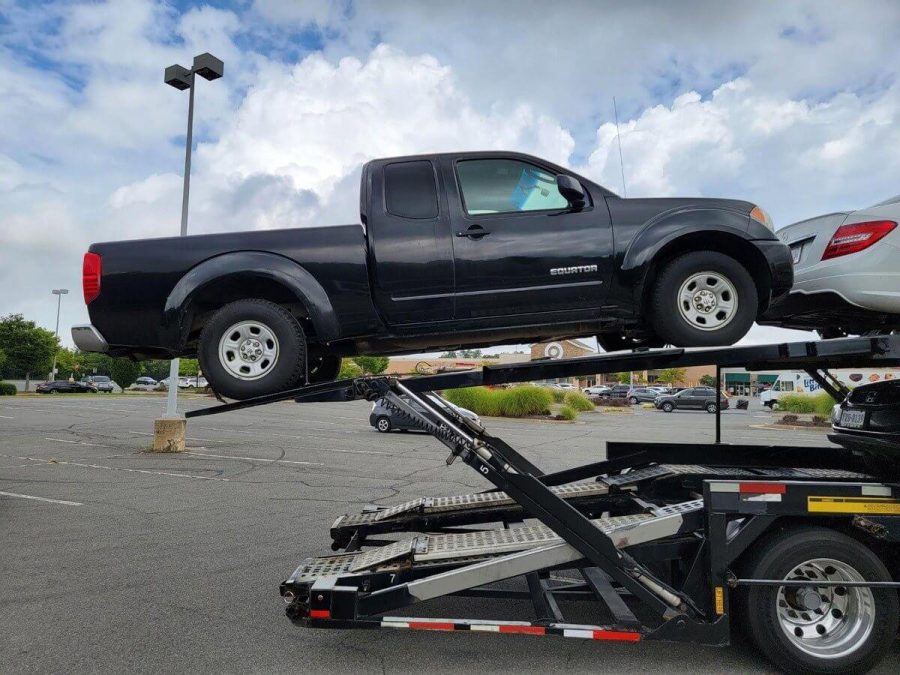
For most students, open transport is the most economical choice. Your car is loaded onto a multi-vehicle trailer, and the process is fast, efficient, and widely available.
Enclosed Transport (Premium Option)
If you want maximum protection from weather and road debris, especially for higher-end or specialty vehicles, enclosed transport is worth considering despite the higher cost.
Cross-Country Car Shipping
Students traveling long distances, such as coast-to-coast, typically use cross country car shipping services. Prices are higher but often still cheaper than driving yourself when you factor in gas, lodging, food, and time.
How College Students Can Save Money on Car Shipping
1. Book Early
Carrier availability tightens near the start and end of school semesters. Scheduling early secures better rates.
2. Be Flexible with Dates
Flexible pickup and delivery windows help carriers optimize routes and pass savings to you.
3. Choose Open Transport
The most cost-effective and reliable option for students.
4. Ship to/from Major Cities
Urban areas and university towns typically have more carriers and lower prices.
5. Compare Quotes
Different companies offer different rates. Always compare before choosing an auto transport company.
Required Documents for Student Car Transport
Most transporters ask for:
- Driver’s license
- Vehicle registration
- Proof of insurance
- Details of pickup/drop-off contact (e.g., parent, friend, RA)
FAQs: Car Shipping Costs for College Students
1. How much does it cost to ship a car to college?
Typically $550–$1,400 depending on distance, transport type, and time of year. Cross-country shipments may cost more.
2. Is it cheaper for students to ship or drive their car?
Often, shipping is cheaper when you factor in fuel, hotels, meals, road trip wear-and-tear, and missed work/school time.
3. How long does student car transport take?
Transit time usually ranges from 3–10 days, depending on distance and route.
4. When should students book car shipping?
At least 1–3 weeks before your ideal pickup date. During peak college seasons, earlier is better.
5. Can someone else meet the driver on pickup or delivery?
Yes. A parent, friend, roommate, dorm supervisor, or apartment manager can handle the handoff with your permission.
6. Are college discounts available for car shipping?
Some carriers offer student or first-time customer discounts; always ask when getting quotes.
7. What’s the safest way to transport a car long-distance?
Enclosed transport offers maximum protection, while open transport provides a safe and budget-friendly alternative for most student vehicles.
Final Thoughts
Transporting a car to or from college doesn’t have to be stressful or expensive. By understanding what affects pricing and choosing the right transport options, students can conveniently relocate their vehicles and stay focused on their academic journey.
If you want help planning or want to get an accurate estimate, consider using a car shipping calculator or contacting a trusted auto transport company for personalized guidance.