
What do you do after you’ve booked auto transport? Maybe you’ve just purchased a luxury sedan or need to get your family’s SUV across the country before moving to a new home. Either way, you want that vehicle in ready-to-use shape by the time it arrives.
The good news is that most preparation is fairly straightforward. This list of 9 steps for how to prepare your car for transport gives you a solid foundation. That way, when it does arrive, you’ll be ready to go to work, hit the DMV, or simply pick up some groceries.
What Should You Do Before a Car Carrier Arrives?
Preparation is simple. It’s about matching the car delivery needs to your unique situation. Most of that will be documented in the Bill of Lading (BoL). That’s the piece of paper used to compare your vehicle’s condition at pickup and again after delivery. It’ll have all the correct information about who you are, where the car is coming from, and where it’s going. Once you have that piece of paper, the other steps are quite easy.
Step 1: Wash Your Car Exterior for Inspection
Start your journey with a simple wash. This isn’t just to make it look good when the carrier arrives. You’re trying to remove any buildup of salt, grime, dirt, and ice so you can see the vehicle's true condition.
You want to take photos or videos of the exterior, including the paint condition, chips, dents, scuffs, and the underside, for mechanical insights. That is what you’ll compare when the car arrives at your final destination because it’ll be documented in the BoL.
Step 2: Clean the Interior and Remove Personal Belongings
Your car shouldn’t have any personal belongings inside during transit. It doesn’t matter if you’re going south for the winter with snowbirds or relocating from coast to coast. As you clean the interior so you can document its condition, remove any personal items such as:
- Electronics and charging cables
- Loose change and sunglasses
- Toll transponders
- Garage door openers
- Portable GPS devices
- Important documents
- Valuables and sentimental items
- Unsecured aftermarket equipment
- Clothing, toys, and pet accessories
The reason is that the carrier’s cargo insurance is unlikely to cover personal property. The carrier also wants to reduce the total weight of each vehicle shipment. Some carriers might let you keep up to 100 pounds of personal items, but you’re better off saving that space for items that need to be with the car, such as a child seat.
Step 3: Check Your Car for Fluid Leaks
The average car has over 30,000 parts, most of which require some form of liquid to ensure long-term viability. If you leak oil, coolant, transmission fluid, or other fluids, it can damage the carrier’s equipment and other vehicles on the trailer.
You don’t want to be responsible for that damage. You also don’t want the car to arrive without the ability to turn due to a lack of power steering fluid. It’s best to check these levels before the car is loaded.
Step 4: Leave About a Quarter Tank of Fuel
You don’t need to fill your tank before it’s loaded. Try to leave about ¼ of the tank full. That is enough for the carrier to load and unload the car, or to reposition it if an issue arises during transportation. The reason is to lower total weight.
If you’re shipping an EV, make sure the carrier has the loading equipment and understands the weight balance difference. You can leave about a 20% to 40% battery charge in that case.
Step 5: Check Tire Pressure and Battery Condition
You want your car to be easy to manage when it arrives at your doorstep. Keeping the tires filled to the appropriate pressure level lets you better see their condition, ensures the carrier can move the car, and keeps them more secure on the trailer.
The same applies to the battery. If the battery is dead, it’s going to make loading and unloading much more complicated and time-consuming. Any delays can end up costing you stress and possibly a little more money.
You can ship an inoperable car, but you need to give the carrier a “heads up” so they have the right ramp or equipment to manage that job.
Step 6: Disable Alarms and Automatic Systems
You don’t disable car alarms for security. You’re doing it to reduce the problems for the carrier during transit. If your alarm keeps going off, it can distract the driver whether on the road or sleeping in a hotel.
Let the carrier know about any special startup procedures, especially on luxury or exotic cars. They’ll likely already have experience, but a little communication goes a long way to ensuring your vehicle’s safety.
Your model may also have automatic systems, such as locking features, motion-sensitive security, or movement detection. Just let the carrier know ahead of time so pickup is easier.
Step 7: Remove or Secure Exterior Accessories
Maine drivers typically have roof racks for skis. Arizona drivers like to have secondary extra spares. If you have any external accessories, you may want to remove them. They can add weight and width/height to your delivery, which may cause problems. Think about:
- Roof racks
- Bike racks
- Antennas
- Spoilers
- Custom accessories
- Exterior storage equipment
That also applies to towing capacity. A larger truck like a Ford F-350 will probably require a special trailer anyway, but removing the hitch may help.
Step 8: Complete the Pickup Inspection and Bill of Lading
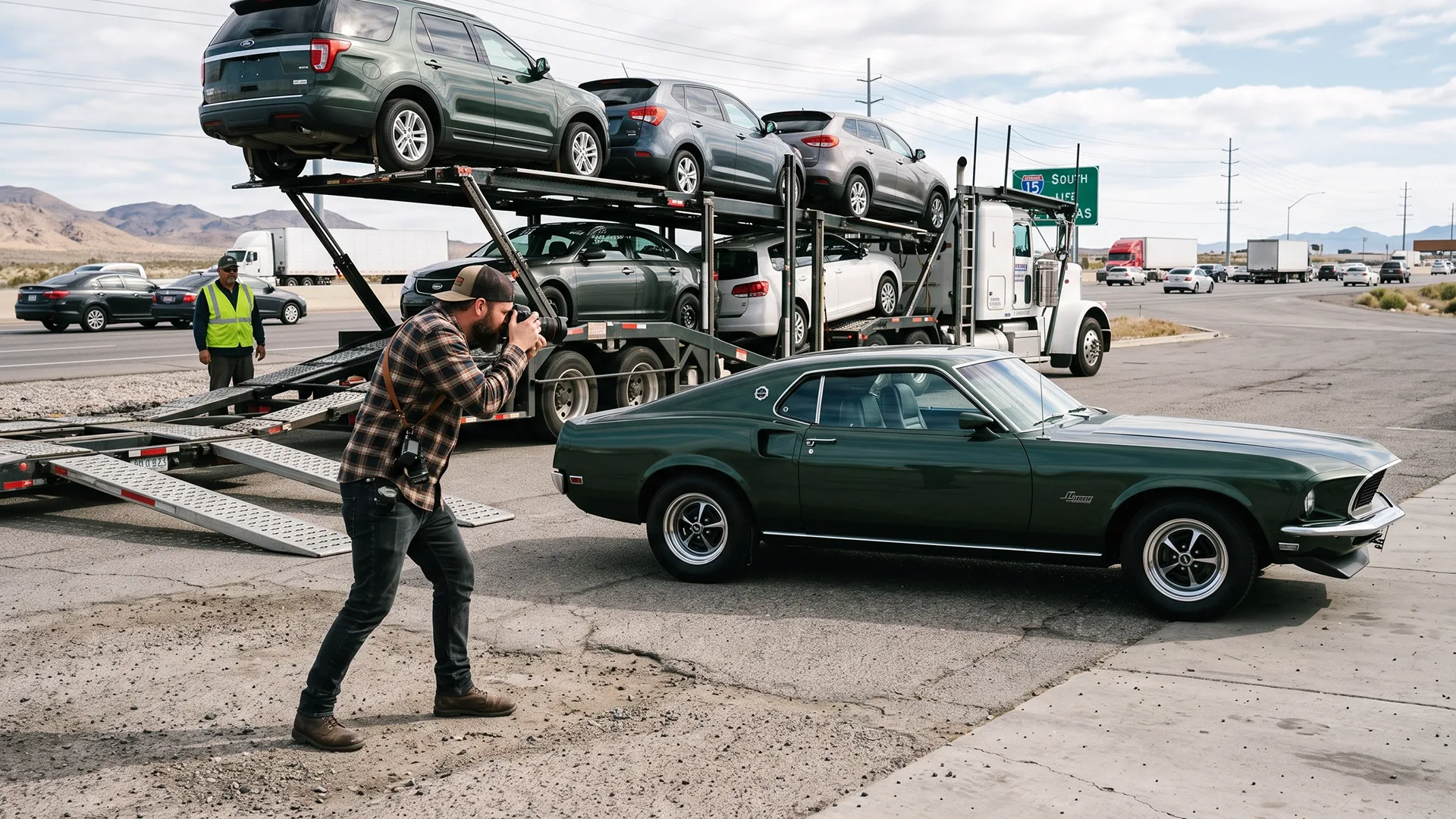
When the carrier does arrive, it’s time for the inspection. You prepare your car for shipping so the inspection will go off without a problem. The carrier will know what to do, but you want to be there as well to confirm all the details on the BoL. That should include double-checking the condition of wheels, body panels, visible areas, and the odometer reading.
Don’t forget your pre-inspection photos and videos. Try to include the truck or carrier driver in one of the photos. They likely won't mind at all, as they’re used to owners caring deeply about their cars.
This is another good time to confirm the carrier's insurance policy once again. You should have already covered this with a shipping expert from Nexus Auto Transport, but be sure the cargo insurance is active and has enough coverage for your vehicle.
Step 9: Have Mechanical Problems Checked Before Shipping
The final step is to go over any mechanical problems you’ve already communicated in the quote. If you are not sure your car has problems, getting a tune-up before shipping or asking a certified mechanic friend to inspect it remotely is a good idea.
Once all that is handled, get a copy of all the paperwork, make sure the text, phone, or other platform is ready to receive updates on your delivery, and relax as Nexus fully coordinates your car’s journey.
Pre-Shipping Preparation Schedule
Preparation Task |
Recommended Timeline |
Key Benefit |
|---|---|---|
Check for Mechanical Problems |
1–2 weeks before |
Leaves time to repair leaks, battery issues, damaged tires, or other problems that could interfere with loading |
Verify Carrier Cargo Insurance |
Before confirming transport |
Allows you to review coverage limits, exclusions, deductibles, and claims procedures before the vehicle is shipped |
Wash the Exterior |
1–2 days before |
Makes existing scratches, dents, chips, and other damage easier to identify |
Photograph Vehicle Condition |
1–2 days before |
Creates a dated visual record for comparison at delivery |
Remove Personal Belongings |
1–2 days before |
Prevents loose objects from causing interior damage and removes property that may not be covered by cargo insurance |
Remove or Secure Accessories |
1–2 days before |
Protects racks, antennas, spoilers, and other removable components from damage |
Check for Fluid Leaks |
1–2 days before |
Reduces the risk of a loading problem or carrier refusing a seriously leaking vehicle |
Check Tires and Battery |
1 day before |
Helps ensure the vehicle can be safely started, moved, loaded, and unloaded |
Check Fuel Level |
1 day before |
Keeps the tank near the recommended quarter-full level without adding unnecessary trailer weight |
Disable Alarms |
Pickup day |
Prevents alarms from activating during transit and potentially draining the battery |
Disclose Special Operating Instructions |
Before loading |
Alerts the driver to low clearance, modifications, starting procedures, or other handling requirements |
Complete Pickup Inspection |
Pickup day |
Establishes the vehicle's pre-shipment condition before it is loaded |
Review and Sign Bill of Lading |
Pickup day |
Confirms the documented vehicle condition and shipment information |
Inspect Vehicle at Delivery |
Delivery day |
Allows you to compare the vehicle with its pickup condition and identify possible new damage before signing |
Ship Your Car with Confidence from Door to Door
Knowing how to prepare your car for transport goes a long way to ensuring your ride arrives safely. Take your time to move systematically from step to step. Always keep copies of all communications and paperwork with the carrier and broker.
Working with an experienced team like Nexus Auto Transport reduces the risk of any errors during this process. With over 500,000 successful nationwide deliveries, our experts want your delivery to go as smoothly as you do. Learn more about our car shipping process in our complete guide and book a free online quote when you’re ready to get started.
FAQs
Does car insurance cover damage during transit?
Your personal auto insurance coverage will vary, but it’s worth calling your provider to confirm. The carrier's cargo insurance should cover most damage, assuming it isn’t an “act of God” and outside their control.
Can I pack personal items in the trunk of the car?
Most of the time you won’t be allowed to pack any personal items. Some carriers allow up to 100 pounds, but you’ll have to confirm that with them prior to pick up.
What should I do if my vehicle is inoperable on pickup day?
Communicate with the broker and carrier as soon as you know your car isn’t running. That way, the right equipment and trailer can be ready for your journey.
Must I be present at both the pickup and delivery locations?
You do not need to be there personally, but a legal adult authorized to act on your behalf must be present for both pickup and delivery. Unless you arrange something different that protects both you and the carrier, so pre- and post-inspections go smoothly.