
The auto transport industry has become a quiet giant of American logistics. Starting from modest origins as a niche service for automakers and dealers, it has evolved into a multi-billion-dollar sector that serves millions of everyday consumers, fleet operators, auction buyers, and military families every year.
Whereas many in the past did not know what open car transport is, it is now at the center of that growth: the open carrier, a vehicle-hauling workhorse, moves 90 percent of privately shipped cars in the United States. Understanding how the industry and its dominant method grew requires looking at the economic and social forces that shaped the last several decades.
A Brief History of Vehicle Shipping
Commercial vehicle transport emerged during the post-World War II automotive boom. Automakers needed to move new vehicles from factories in Michigan and Ohio to dealers nationwide. While the railroads were the initial answer, many dealers were not located near a rail terminus, and the development of the interstate and state highway systems allowed the rise of the long-haul trucking industry. Car-hauler trucks began delivering cars to dealers, and the advantages of using open car carriers led to them becoming the industry standard.
Initially, the industry served the manufacturer-to-dealer pipeline. Private consumers who needed a car moved from point A to point B still drove it themselves or hired a driveaway service, which put a stranger behind the wheel for a fee.
Things began changing in the 1980s and 1990s with:
- The Motor Carrier Act of 1980 opened the market to new entrants, including independent carriers and brokers.
- The growth of national auction houses, such as Manheim and ADESA, created an ongoing stream of vehicles moving from auction sites to dealers or end buyers.
Brokers began matching sellers with carriers, and the modern auto transport industry took shape.
The Industry Finds Its Footing
The internet transformed how consumers discovered and booked auto transport in the early 2000s. Brokers built platforms that allowed people to ship a car for a cross-country move, a military reassignment, or a snowbird migration. They obtained instant quotes rather than making multiple phone calls to unknown companies with uncertain credentials.
Growth accelerated during the 2000s and 2010s, and consumer familiarity with vehicle shipping increased. FMCSA registration data shows more than 30,000 property broker authorities registered today.
The 2020s marked a new chapter. The COVID-19 pandemic reshuffled where Americans lived and worked, triggering long-distance relocations that brought new auto transport customers into the market. That coincided with the rise of online vehicle marketplaces, which allow buyers to purchase cars many states away and need them delivered to their driveway.
The industry's annual revenue now exceeds $12 billion. Many project it to continue growing due to online vehicle sales and demographic mobility patterns that favor long-distance moves.
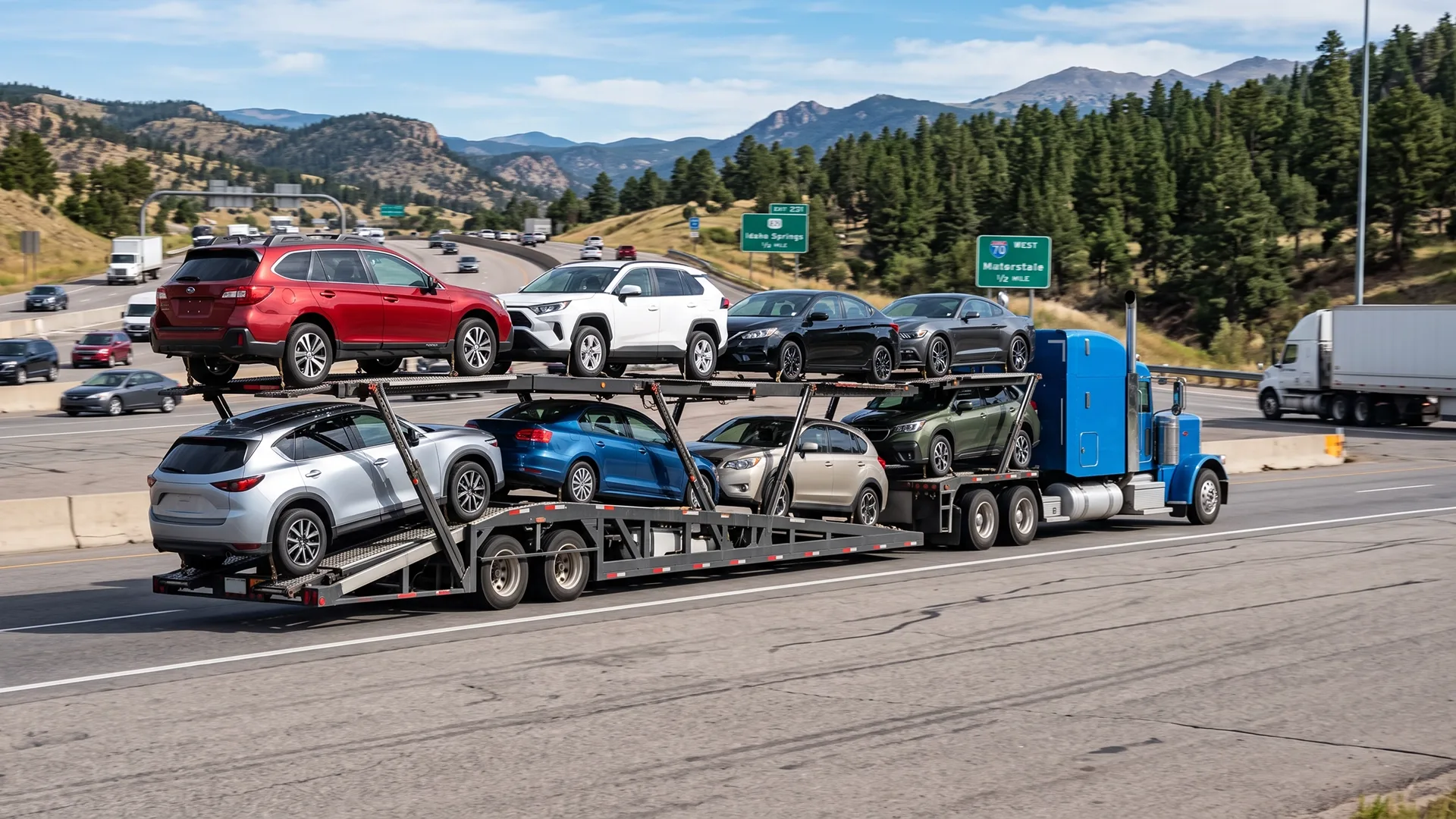
What is Open Car Transport's Dominant Position
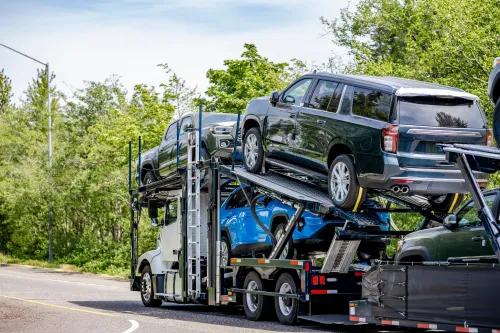
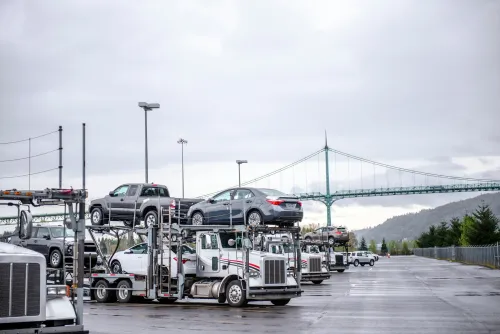
Through it all, open transport has become the industry's dominant shipping method. Open trailers hold eight to ten vehicles versus two to six for enclosed trailers. More vehicles per load allow open carriers to spread costs across more cars, resulting in lower consumer prices. (Enclosed transport typically costs 40 to 60 percent more than open carriers.)
At today's pricing, a standard sedan shipped cross-country on an open carrier costs $1,100 to $1,600. The same move on an enclosed trailer costs $300 to $800 more. For the average consumer shipping a daily driver, a family vehicle, or a recently purchased used car, paying the premium for an enclosed trailer rarely makes sense.
The Benefits of Open Auto Transport
Several factors have reinforced open transport's growth, along with the broader industry.
- The online car-buying revolution. When a buyer in Charlotte purchases a used SUV listed on a national marketplace by a dealer in Phoenix, someone must move the vehicle. Open carriers are the default solution. Widely available, competitively priced, and capable of scheduling within days rather than weeks, open transport has benefited from online vehicle sales.
- Availability and speed. The open carrier fleet is substantially larger than the enclosed fleet, allowing consumers to book open transport in one to three days versus five to ten business days for enclosed.
- Relocation and military demand. Tens of thousands of U.S. military personnel relocate annually, representing a significant portion of the vehicle shipping market. Add in civilian trends like telecommuting, retirement migration, and cost-of-living moves, and many customers are looking for cost-effective shipping, not premium services, reinforcing the advantages of using open car carriers.
- Growing consumer comfort. With millions of Americans having now shipped a vehicle and received it without incident, word spreads that open transport is safe, standard, and appropriate for most vehicles on the road. The industry's reputation has matured alongside its scale, and consumer trust in open carriers has never been higher.
An industry that began as a logistics solution for automakers has become an essential piece of how American consumers buy, sell, and move their vehicles. The benefits of open auto transport now result in countless open carriers, loaded to capacity on a highway, headed to dealers and consumers elsewhere in the country.
Schedule Your Move Now!
While the open carrier dominates the vehicle transport industry today, enclosed carriers continue serving classic, luxury, and premium car owners. Both serve important purposes in the industry.
Brokers like Nexus Auto Transport have access to tens of thousands of vetted carriers with open and enclosed trailers nationwide. We know which ones perform well for our customers time after time, and we use that knowledge to serve them. Feel free to contact us for a quote. Our 3-step process makes the process easy for you from start to finish.
Instant Quote: https://nexusautotransport.com/car-shipping-calculator/
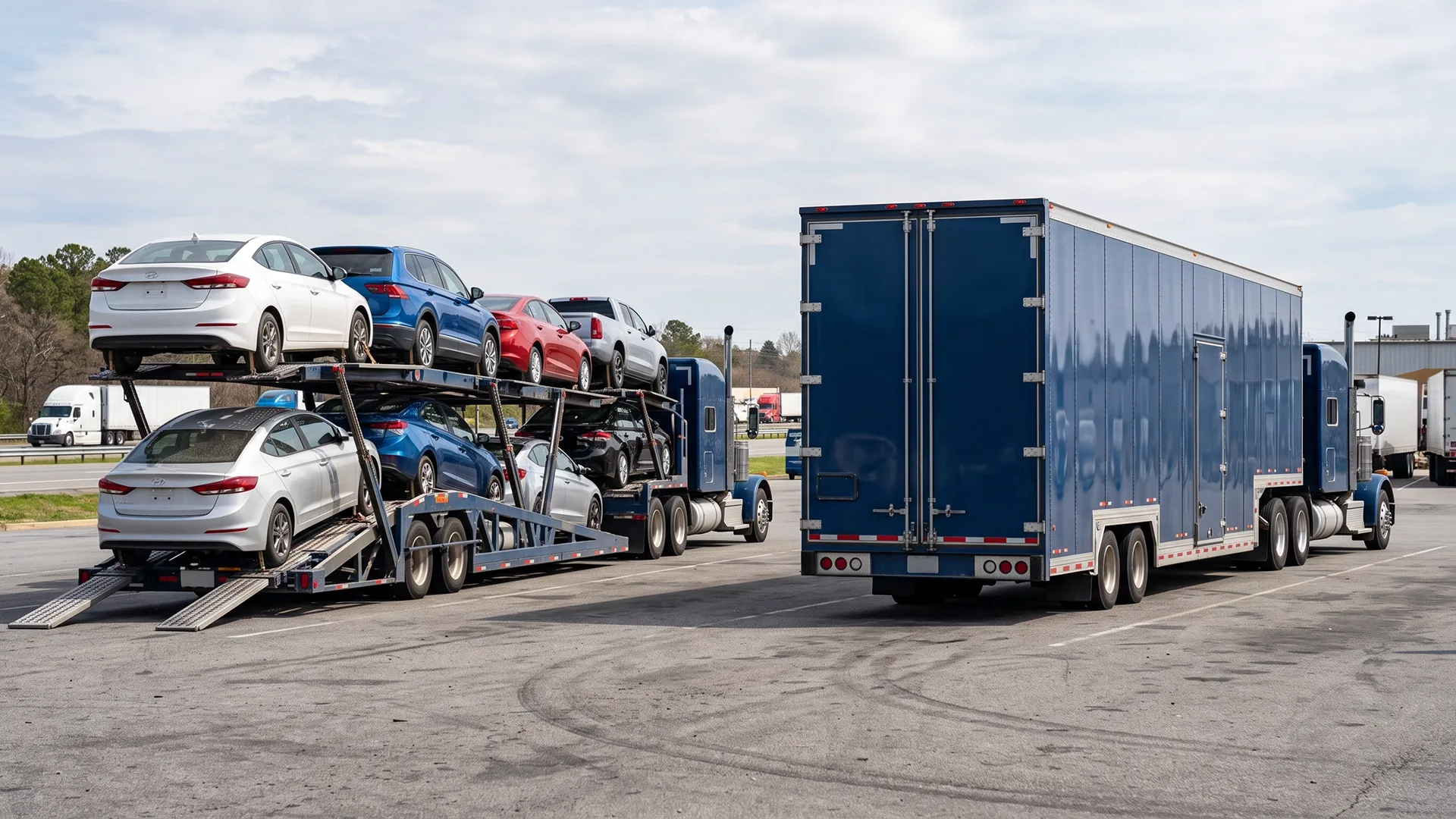
Open Versus Enclosed Auto Transport Comparison
Feature |
Open Carrier Transport |
Enclosed Carrier Transport |
|---|---|---|
Average Cost |
$800 to $1,500 typical; cross-country runs $1,100 to $1,600 |
$1,100 to $2,300+ typical; 40–60% higher than open carriers; cross-country runs $1,500 to $2,800 |
Protection Level |
Exposed to weather, road debris, dust, and the elements. Safe for most vehicles under normal conditions |
Sealed trailer offers complete protection from weather, debris, dust, and road hazards; Preferred for high-value vehicles |
Booking Availability |
High; large carrier fleet means vehicles are often dispatched within 1 to 3 days of booking |
Moderate; Smaller fleet requires 5 to 10 business days lead time; single-vehicle service needs 2 to 4 weeks |
Ideal Vehicle Type |
Daily drivers, standard sedans, trucks, SUVs, EVs, and any vehicle where cost-efficiency matters more than premium protection |
Luxury, exotic, classic, and collector cars; high-value or low-clearance vehicles; any car whose appearance and protection are paramount |
FAQs
What happens if my vehicle is damaged by road debris during transit?
FMCSA-licensed carriers are required to carry cargo insurance covering physical damage to vehicles in their possession. Road debris damage clearly falls under that coverage, but damage due to severe weather is often not.
Also, carrier cargo policies often are capped at $100,000, which covers all vehicles on the trailer. The coverage is sufficient to handle road debris events, but serious accidents quickly exhaust that pool, leaving owners of high-value vehicles only partly compensated. Owners should buy supplemental insurance for higher-value vehicles if they are concerned about the risk.
Are there any vehicle size and height limitations for open carriers?
Yes. One way to define what is open transport is to consider that under DOT regulations, an open car carrier truck combination cannot exceed:
- 13 feet 6 inches in height
- 8 feet 6 inches in width
- 80,000 pounds in gross vehicle weight without special permits.
A standard open carrier has two decks with ramps and angle adjustments to maximize the number of vehicles that fit on the trailers. Most everyday passenger vehicles, SUVs, and even full-size pickup trucks fit within those constraints, but modified vehicles can be a challenge, including:
- Height problems with lifted trucks
- Width problems with dual-wheel trucks and those with extended mirrors
- Length problems with limousines, extended-cab trucks with long beds, and oversized vans
Vehicles considered oversized may require state-by-state DOT permits, route planning around low-clearance bridges, and even escort vehicles, which increases transport costs significantly.
Can personal belongings be left inside the vehicle during open shipping?
The car carrier's transport insurance generally does not cover personal belongings left in the vehicle, whether on an open or enclosed carrier. Most auto transporters require you to remove personal items from your vehicle for insurance purposes and to minimize weight.