
Whether you’ve just picked up that perfect Mustang you’ve always wanted from an auction across the country or are relocating to a nearby town, you need to figure out if you need ship or tow services.
Both seem to meet the same delivery need, but in reality, they are designed for very different situations. Using the wrong one can cost you more money or put additional stress on your vehicle, especially when it’s new.
You want to protect your investment with the right equipment before you pay for any service, but you might also have strict timelines due to an accident. Knowing the difference helps you optimize car transportation for any situation.
The Biggest Difference Between Shipping Car vs Towing
The easiest way to think of the difference between professional auto services from a company like Nexus Auto Transport or tow car services with a flatbed is the purpose.
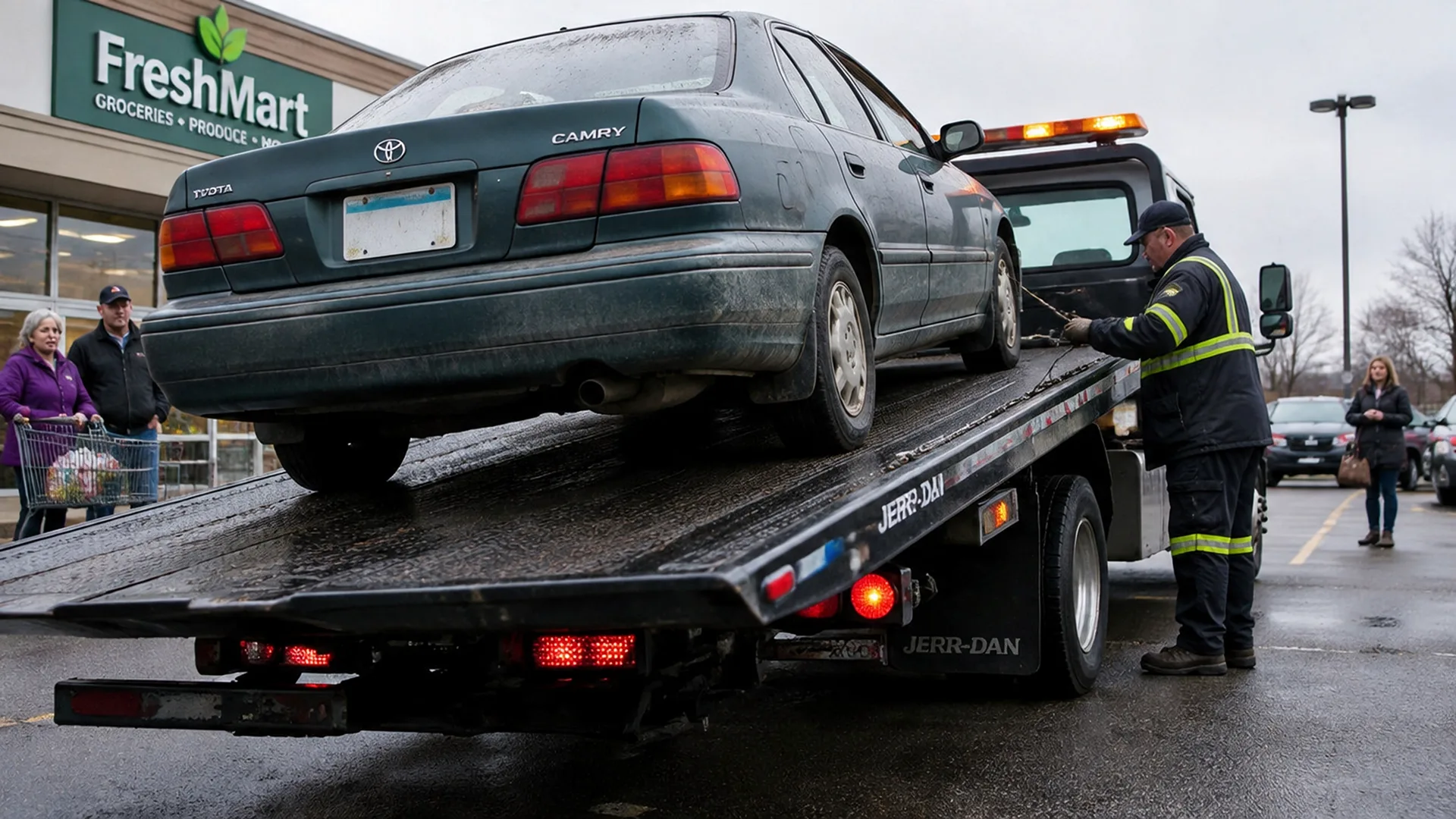
A tow truck is typically called in when a vehicle is parked in the wrong place or after a recent accident. It gets moved to a nearby “stock yard,” where you can pick it up, or it’s towed to a mechanic's shop. There are over 40,000 towing businesses in the USA.
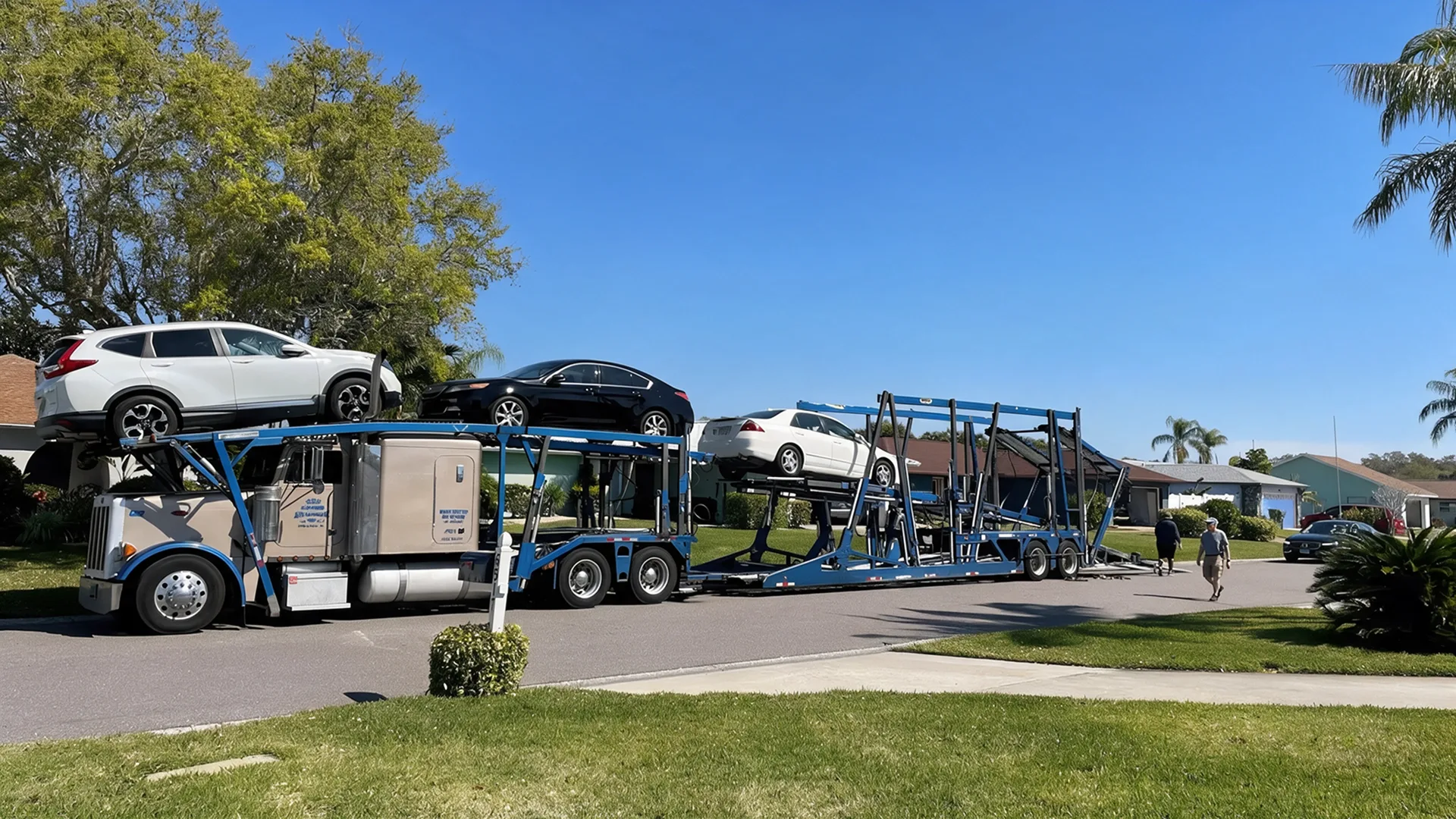
A car shipping service is more for getting a car over a longer distance. Maybe you need to move for a new job across the state or purchase a car from a different region of the country. You call a door-to-door shipping provider like Nexus, which will coordinate all the details so you can focus on other needs in your business and personal life.
What Does Towing a Car Look Like?
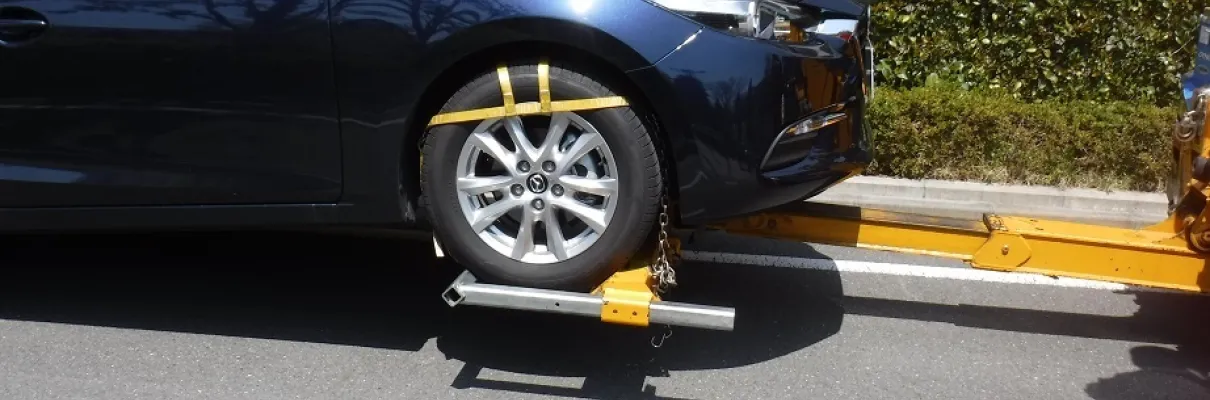
When you’re choosing to ship or tow car and select a towing company, you can expect a truck to arrive at your vehicle’s physical location. They will have a flatbed, hook, or wheel lift. That will tow your car without moving the wheels, or flip it into neutral with two wheels on the ground as it's moving down the road.
The only exception is if you have a luxury, EV, or antique car. Those should always be towed with a rollback flatbed. That is where the flatbed itself moves at an angle and back to safely lift your car, so the wheels are not engaged, reducing the risk of damage to the drivetrain or power supply systems on EVs.
There are also two dollies available. These will lift one axle while the other remains on the road. You often see them the most behind an RV or for really short trips, like 3-25 miles.
What Risks Are Associated with Using Tow Dolly or Car Transport
It's risky to think every tow situation will work with your specific situation. Not all vehicles can be safely hooked up and pulled on a tow dolly. Modern vehicles tend to come with more sophisticated drivetrains and electrical systems that can be damaged if not lifted and properly towed or shipped. That can include:
- Drivetrain Damage: Any AWD/4WD vehicles, as well as hybrids and EVs, cannot roll safely on a tow dolly. That can put additional pressure on the power system, as the wheels are directly tied to the motor and regenerative braking systems are in place. Always make sure your car has a “mode” for safe towing.
- Tire Wear: Different towing methods can cause additional wear and tear on your tires. You can end up with the rear set being balder than the front after an extended tow, especially on extremely hot days or during dust storms in the southwest.
- Mileage & Brakes: If your vehicle isn’t set up correctly, it can have the brake partially engaged. That will increase wear on your brake pads and place more stress on your mechanical systems. You also add more miles, which can lower your car’s value relative to its initial purchase price.
- Suspension Stress: Both tow dollies and wheel lift systems will place stress on suspension components. The longer the distance, the more your car is exposed to bridge joints or potholes that place a lot of force on it in potentially dangerous ways.
- Increased Accident Risk: When you get a car shipped via enclosed services, it is less likely to be involved in accidents. When towed, it can fall off the towing mechanism at odd angles, causing further damage to the frame and the vehicle's structural integrity.
Shipping car vs towing is really more of a conversation around safety and risk. If you’re only going a few miles to a trusted auto body shop after a fender bender in your local grocery store’s parking lot, you’re fine. If you need to send a used hybrid to your college-bound kid three states away, using professional shipping services from Nexus Auto Transport is the better choice.
Cost Comparison: Shipping vs. Towing
Towing a car a short distance is cheaper than shipping. That makes sense because there are fewer steps involved and less to coordinate between destinations. You just have to be on the lookout for hidden fees associated with mileage, time, fuel, after-hours service, or recovery.
Auto transport costs are based on the total distance your vehicle travels, its size, weight, route popularity, delivery options (open, enclosed, expedited, etc.), and seasonal demand. You can save money by getting a quote 2-4 weeks before the pickup date during a slow season, such as winter or early spring.
It’s always best to explain all the details clearly to a provider like Nexus Auto Transport. With a massive network of vetted carriers that can handle everything from heavy-duty machinery to the new Porsche you’ve always wanted, you can rest easy knowing your car will be well treated as it ships.
Learn more about auto transport delivery by reading our complete guide to car shipping. That will help you get a clearer picture of how to avoid DIY situations with fluctuating fuel, hotel, maintenance, and depreciation costs.
Quick Service Comparison: Local Towing vs. Auto Transport
Service Feature |
Local Towing Service |
Long-Distance Auto Transport |
|---|---|---|
Ideal Distance Radius |
Typically under 30 miles for local breakdowns, accidents, or repair shop transport |
Best for 100+ miles, interstate moves, cross-country relocations, online vehicle purchases, and seasonal travel |
Average Response Time |
Usually 30 minutes to 2 hours for emergency dispatch |
Typically scheduled 1–4 weeks in advance |
Primary Pricing Factors |
Hook-up fee, mileage, time of day, recovery difficulty, after-hours service, and local travel distance |
Distance, vehicle size and weight, shipping method (open or enclosed), route popularity, and seasonality |
Risk of Vehicle Wear |
Moderate to high on long trips |
Very low, since the vehicle is secured on a carrier |
Advance Booking Requirement |
Designed for immediate or same-day service |
Recommended 2–4 weeks before pickup for the best pricing and carrier availability |
Primary Use Case |
Breakdowns, accidents, parking enforcement, short-distance mechanical transport, or emergency roadside assistance |
Job relocations, military moves, college students, dealer purchases, auctions, collector vehicles, snowbirds, and long-distance vehicle shipping |
How to Decide Between Transport or Tow Car Services?
Start by considering the distance your car will need to travel. If it’s under 25 miles, you should consider a tow truck. Anything further and you’ll want to get a quote from a provider like Nexus.
You also want to think about the purpose of the travel. Getting a vehicle towed to a nearby auto body shop makes more sense than hiring a professional carrier. Having it shipped home after making an auction purchase suits a carrier better.
Either way, take your time to consider all your options. You should be able to get quotes from both services, including Nexus, so you can make a judgment call based on time, cost, and the needs of your particular vehicle.
FAQs
Is my vehicle fully insured during the transportation process?
Any professional car shipping carrier will carry cargo insurance. The coverage value may vary, so ask questions before you commit. Tow companies may differ slightly, so ask ahead of time to ensure you have protection.
Can I leave personal belongings inside my car during transit?
No. A tow truck might let you, because they often work in emergencies where you don’t have an alternative. A shipping company like Nexus will ask you to remove personal items to reduce the total transport weight and avoid personal liability issues.
How can I track the exact location of my vehicle during shipping?
There should always be tracking available via text, phone calls, or real-time notifications in your email.
How should I prepare my car before the driver arrives for pickup?
For shipping, be sure there is only a quarter of a tank of fuel, remove all personal items or aftermarket accessories, and top off fluids and ensure the battery is charged. There will be pre- and post-inspections with Nexus for shipping to further protect your assets.