
When planning to ship a vehicle, most people focus on distance, pickup location, and delivery timelines. However, one often overlooked factor plays a major role in pricing: vehicle weight. Whether you’re moving a compact sedan or a full-size truck, the weight of your car directly impacts car transport rates in several important ways.
In this guide, we’ll break down how vehicle weight affects pricing, why transporters care so much about it, and what you can do to avoid surprises when booking your shipment with a professional auto transport provider.
Why Vehicle Weight Matters in Car Shipping
Vehicle weight affects car transport rates because it influences fuel consumption, equipment requirements, and carrier capacity. Auto carriers are subject to federal weight limits, and heavier vehicles reduce the number of cars a transporter can safely load on a single trailer.
In simple terms:
Heavier vehicles = higher operating costs
Higher operating costs = higher shipping rates
This is why shipping a compact car is usually cheaper than shipping an SUV, pickup truck, or electric vehicle.
How Weight Impacts Fuel and Operating Costs
Fuel is one of the largest expenses in vehicle transport. A fully loaded carrier hauling heavier vehicles burns significantly more fuel per mile. As fuel costs rise, transporters must factor vehicle weight into pricing to remain profitable.
This is especially relevant for long-distance moves, such as cross country car shipping, where even small differences in weight can result in substantial cost increases over thousands of miles.
Vehicle Size vs. Vehicle Weight
While size and weight are closely related, they’re not the same thing.
Size affects how easily a vehicle fits on a trailer
Weight affects how many vehicles can be loaded and how much fuel is used
For example, a full-size pickup truck is both large and heavy, making it more expensive to ship than a midsize SUV, even if both travel the same distance.
Does Modifying Your Vehicle Change the Cost?
Yes. Modifications that increase weight can raise your shipping price, including:
Lift kits and oversized tires
Heavy aftermarket bumpers or winches
Cargo racks or toolboxes
Electric vehicle battery packs (EVs are often much heavier than gas-powered cars)
If your vehicle has been modified, it’s important to disclose this upfront when requesting a quote to avoid delays or re-pricing later.
Open vs. Enclosed Transport and Weight Considerations
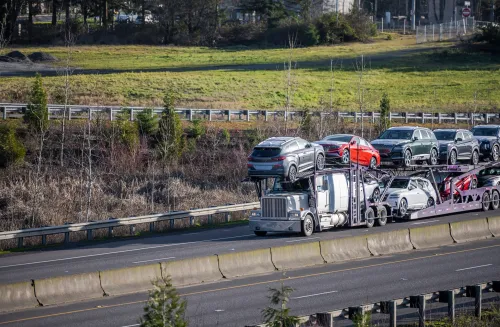
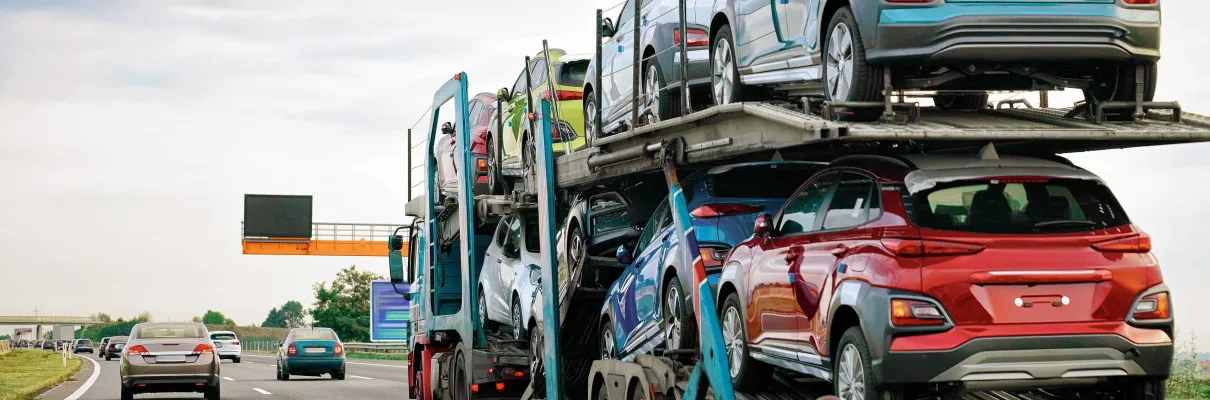
Most customers choose open auto transport because it’s the most cost-effective option. Open carriers typically haul 7–10 vehicles at once, making weight distribution critical.
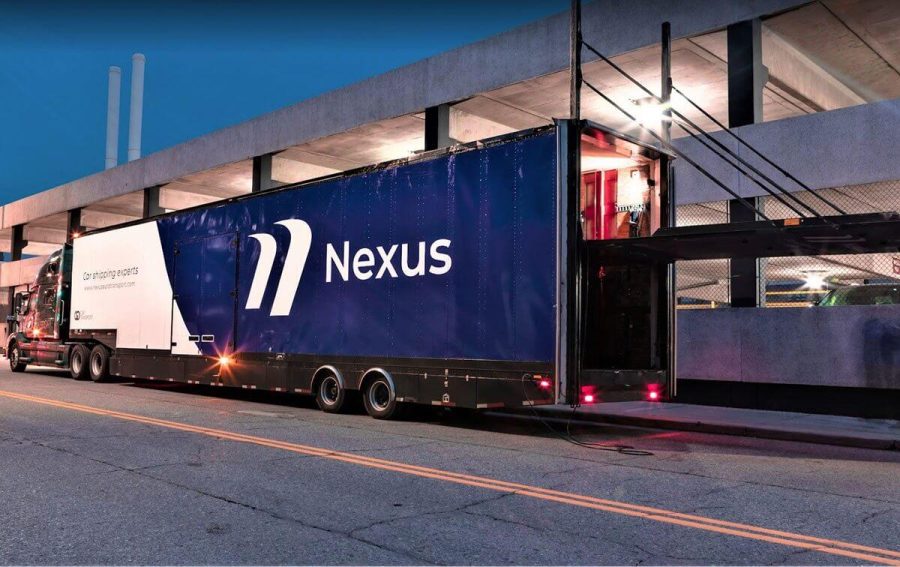
On the other hand, enclosed auto transport often carries fewer vehicles and uses specialized equipment. While enclosed shipping is more expensive overall, weight still plays a role, especially for heavy luxury vehicles, classic cars, or high-performance models.
Why Accurate Weight Information Matters
Providing accurate vehicle details helps your auto transport company:
Assign the correct carrier
Ensure DOT compliance
Avoid last-minute reassignments
Deliver accurate pricing
If a vehicle weighs more than expected, it can cause logistical issues and delays, especially on busy routes or tight delivery schedules.
Weight Considerations for Long-Distance Moves
When you ship a car to another state, weight becomes even more important due to extended mileage and increased fuel usage. This is also why shipping is often more economical than alternatives like attempting to tow a car long distance, which can add wear and tear to your vehicle and still incur high fuel and equipment costs.
Auto Transport vs. Towing: Weight and Value
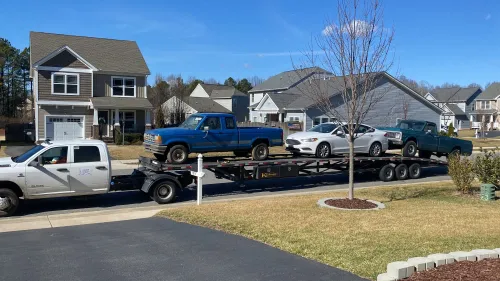
Some people compare shipping to towing, but the cost and risk differences are significant. When evaluating tow dolly vs auto transport, weight again plays a role. Tow dollies are not suitable for all vehicles, especially heavier or all-wheel-drive models, while professional transporters are equipped to handle weight safely and efficiently.
How to Estimate Your Shipping Cost
The easiest way to get an accurate estimate is by using a car shipping cost calculator, which factors in vehicle type, weight class, distance, and transport method. This ensures transparency and helps you plan your budget with confidence.
Final Thoughts
Yes, vehicle weight absolutely affects car transport rates. Heavier vehicles cost more to ship because they require more fuel, reduce carrier capacity, and demand specialized handling. Understanding this factor upfront can help you choose the right transport option, avoid pricing surprises, and ensure a smooth shipping experience.
At Nexus Auto Transport, we prioritize transparent pricing, reliable carriers, and expert support, no matter what you’re shipping or where it’s going.
FAQs: Vehicle Weight & Car Transport Rates
Does a heavier car always cost more to ship?
In most cases, yes. Heavier vehicles increase fuel usage and reduce trailer capacity, which raises shipping costs.
Are electric vehicles more expensive to transport?
Often, yes. EVs typically weigh more than gas-powered cars due to their battery packs.
Does removing items from my car lower the price?
Removing personal items helps with safety and compliance, but it usually doesn’t change the base shipping rate unless excess weight is significant.
Do SUVs and trucks cost more to ship than sedans?
Yes. SUVs and trucks are generally heavier and larger, making them more expensive to transport.
Is weight more important than distance?
Both matter, but distance usually has a larger impact. That said, weight becomes increasingly important on long-distance shipments.