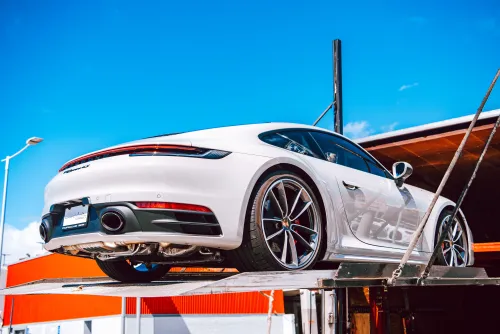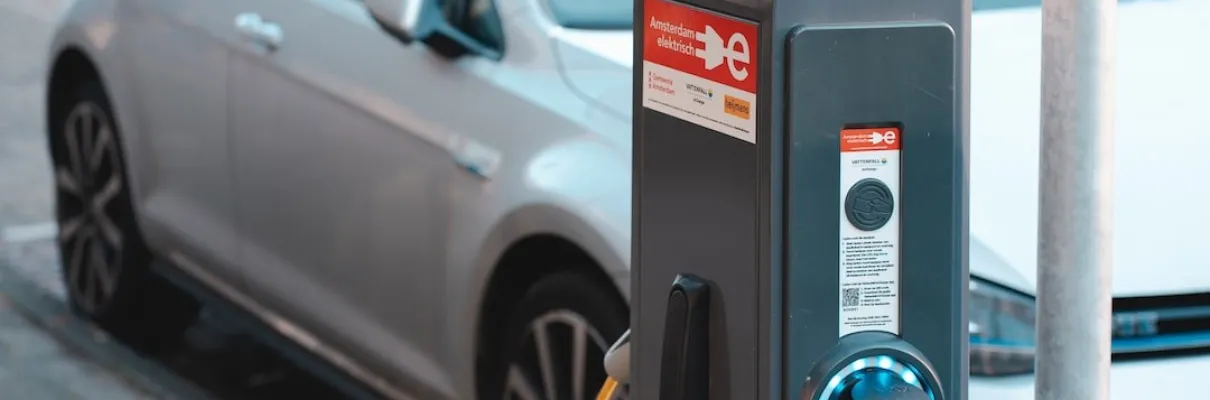

When you’re shipping a new Tesla Model Y from LA to Bangor, ME, it’s a bit different from loading a traditional Toyota sedan onto an auto carrier. Electric vehicles (EVs) tend to be much heavier, have specific loading instructions, or include security and monitoring systems that need to be considered.
The EV auto transport future is increasingly about addressing the differences between EVs and gas-powered cars. The growth of EV owners is higher now, meaning the right auto transport company you want to seek out should have experience with these particular types of vehicles. Otherwise, you risk damage to the car and to the carrier’s truck.
How Is Shipping an Electric Vehicle Different?
An EV can travel much like a traditional car for open or enclosed auto transport. The difference often comes down to how it is loaded. An EV’s weight, battery charge, and specific branded procedures all matter.
Take the battery pack, for example. A Tesla Model Y ranges from around 4,061 pounds to 4,473 pounds with the premium AWD version. For larger EVs, those weights go up quite a bit. A typical sedan weighs anywhere from 2,000 to 4,000 pounds. That puts the Tesla EV on the higher end of the spectrum. If the carrier isn’t ready to handle the weight of the battery and heavier vehicle, you'll run into issues.
Electric Vehicle Shipping Preparation Checklist
Preparation Step |
Target Action |
Reason for Safety |
|---|---|---|
Battery Level |
Keep battery at approximately 20%–50% charge |
Provides sufficient power for loading, unloading, and repositioning without unnecessarily maintaining a full charge |
Vehicle Mode |
Activate the manufacturer-recommended transport, tow, or shipping mode when required |
Allows the EV to be safely loaded or moved according to manufacturer procedures |
Sentry and Alarm Settings |
Disable Sentry Mode, alarms, climate controls, and unnecessary monitoring features as appropriate |
Reduces unnecessary battery drain and prevents security systems from activating during transport |
Personal Items |
Remove personal belongings and unnecessary cargo before pickup |
Prevents loose items from shifting or being damaged and keeps the vehicle properly prepared for transport |
Why EV Weight Can Affect Auto Transport Costs
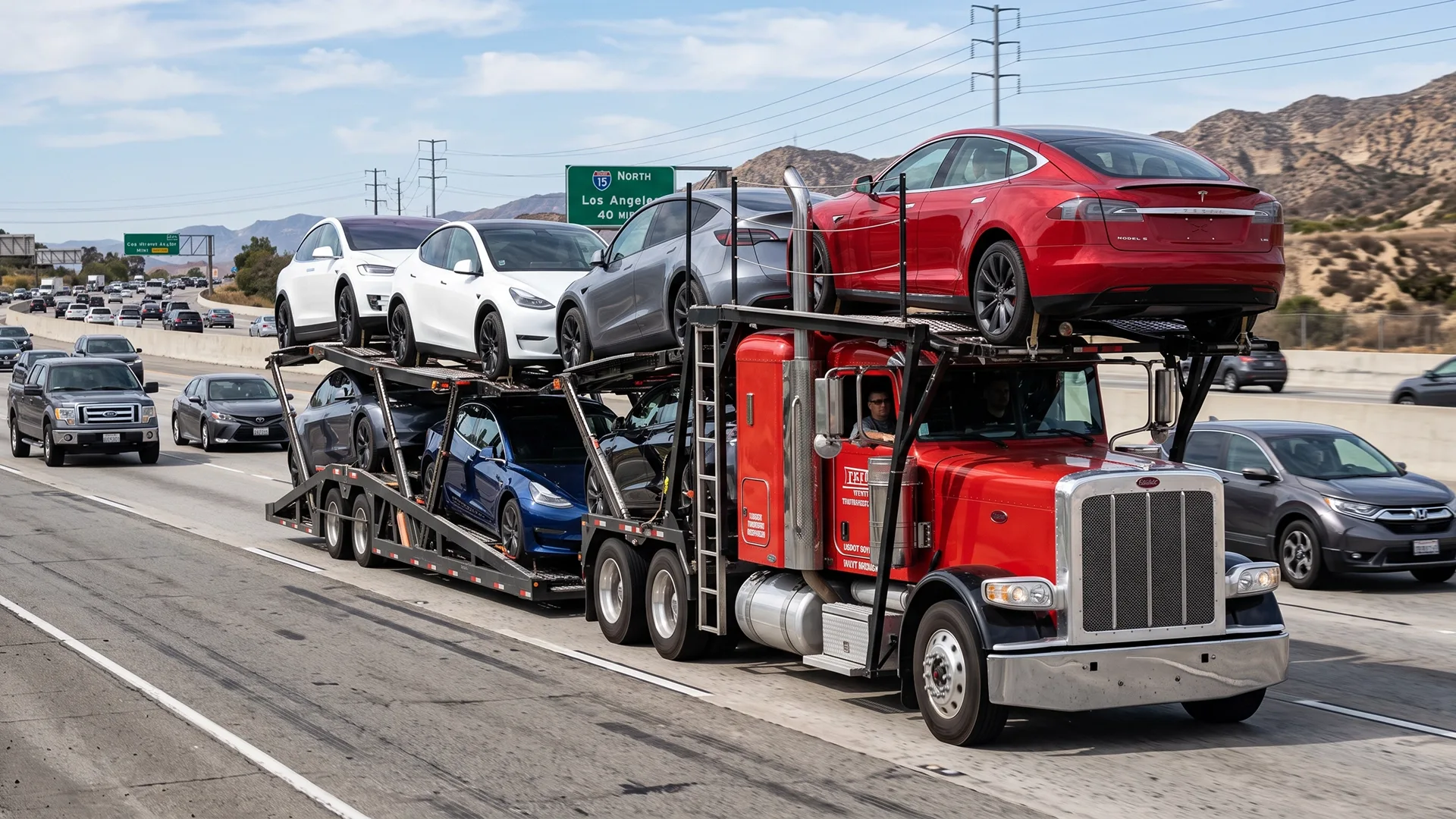
EV auto transport future concerns also include the cost of shipping such a vehicle. Weight affects how much capacity a carrier needs. Every trailer is rated for a “total weight” of all vehicles on board. A heavier EV can mean fewer cars on the truck and less profit for the carrier, which can drive up customer prices.
It doesn’t mean you will automatically get a surcharge because your EV is being loaded up. It means your pricing may differ based first on your vehicle's weight and dimensions, then on distance, route, transport type, season, and other normal factors.
What you need to do is request a quote from a provider like Nexus Auto Transport by being as upfront about the make, model, and condition of the vehicle as you can. That will give you the most reliable rate and avoid delays or secondary quotes after the carrier arrives.
Should You Use Open or Enclosed Transport for an EV?
The good news is an EV isn’t necessarily a luxury vehicle. You can easily utilize open auto transport to ship the Tesla or Rivian you want instead of paying more for enclosed auto shipping. The trade-off is that you're more exposed to road debris, weather, and onlookers with open shipping. With enclosed, your car is protected, but you pay a premium.
Again, make sure the carrier has experience with your specific EV model. If they don’t understand where the battery rests for loading or what road clearance the car has, you risk damage.
How EV Curb Clearance & Mode Changes Carrier Planning
Another issue with EV auto transport future is curb clearance. The average EV has roughly the same ground clearance as the average fuel-injected vehicle. However, EVs may have special instruments or aftermarket features that cannot handle a typical loading truck. Without special ramps that come to the car or adjust for the incline, you could scrape the bottom.
The EV's mode is another consideration. Modern carriers are asking more questions about transport and tow mode, as well as EV security systems. Many electric vehicles, like the Tesla Model Y, include instructions for putting the vehicle into a state where it can be towed. This is because spinning the wheels generates energy stored in the battery. If the car isn’t in the right mode, towing the vehicle can damage that system.
Security settings and monitoring are equal concerns. If you allow pickup without telling the carrier how to disable the alarm or conserve the battery by switching off monitoring, you’ll end up with a dead battery upon delivery.
How Much Battery Charge Should an EV Have Before Shipping?
You never need to hand over your EV to the carrier with a fully charged battery. In fact, you should aim for a 20% to 50% charge at pickup. That gives the carrier enough charge for normal loading, unloading, and repositioning while on the road.
Some EVs also consume a decent amount of electricity when parked. A Tesla uses an average of 1% to 2% of its battery charge per day when parked. That is usually for monitoring and security systems.
EV Shipping Preparation Checklist
Like any other vehicle you want shipped after a family relocation or before heading to a new city for work, you need to prepare properly. A quick checklist to help you get started includes:
- Charge the EV’s battery to about 20% to 50% before pickup.
- Remove any personal belongings you can, as most carriers' insurance won’t cover them, and they add weight to the shipment.
- Turn off any energy-consuming features, like Sentry Mode in a Tesla, and any climate or accessory functions.
- Make sure the tires are inflated and look for any leaks or warning messages to address before shipping.
- Document existing damage on the Bill of Lading with the carrier to compare to the vehicle when it is delivered.
Finally, check the manufacturer’s current transport instructions. That should include any considerations for updating the system, switching into special modes, and whether you’ll need specialty equipment like ramps or incline assistance.
If your EV isn’t running, let the carrier know ahead of time. That will also require specialty equipment for loading and unloading. If they don’t know before pickup, they may not have those tools. That can delay your overall car shipping timeframe.
The EV Auto Transport Future Is Already Here
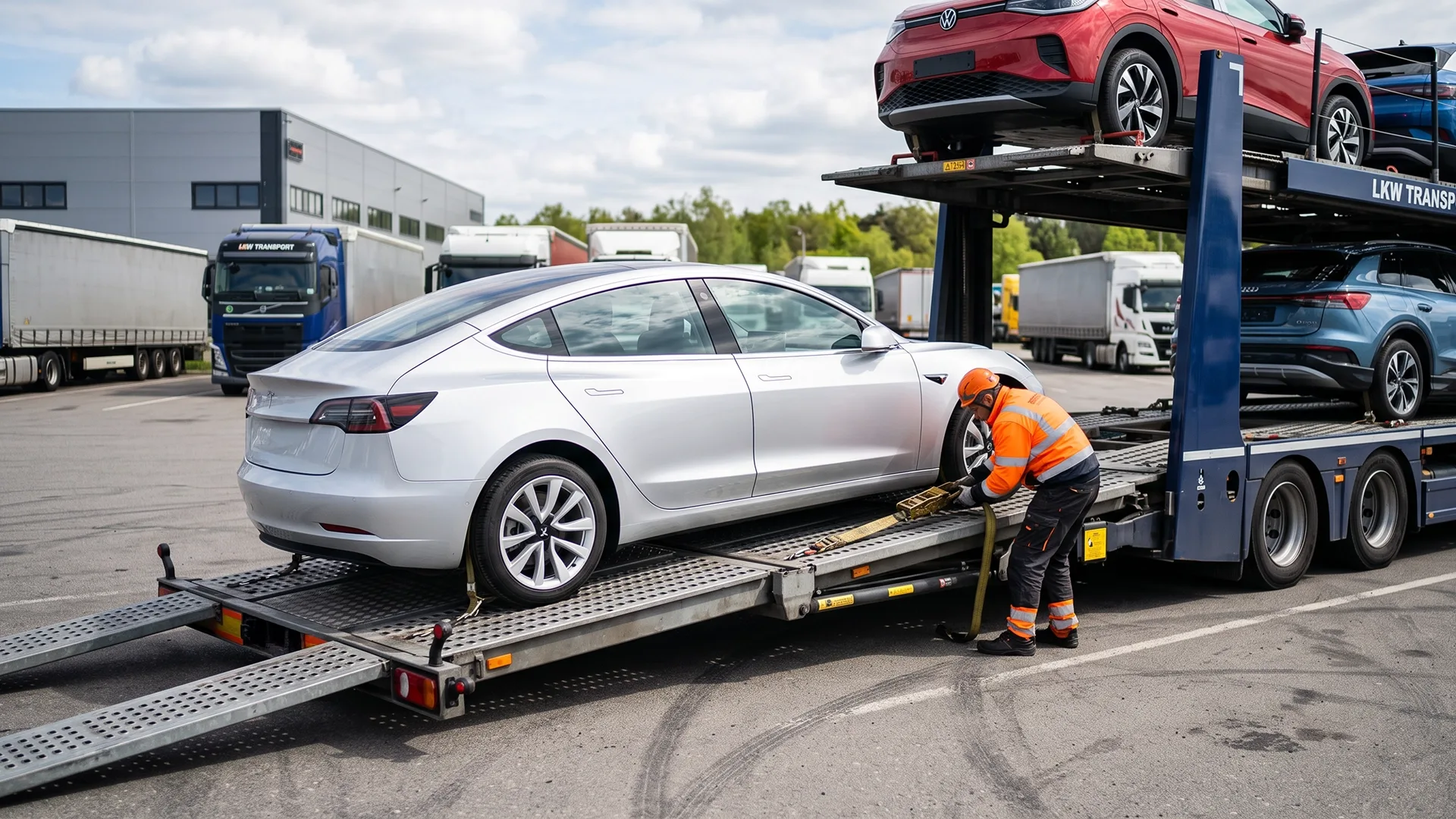
The simple truth is that the EV auto transport future is already here. Carriers have already needed to adapt to electric vehicle weight, modes, and loading procedures. The trick now is communication. It’s about ensuring the carrier you’re working with knows your car so they can help when they arrive.
Working with a team like Nexus Auto Transport provides such clarity. With over 500,000 successful nationwide deliveries, Nexus’ massive network of professional carriers includes those who are more than familiar with your specific EV.
Learn more about how our car shipping works by reading through our complete guide.
FAQs
Can you transport an electric car with a completely dead battery?
Yes, but it will require planning and specialty equipment. It’s always better to let the carrier know your EV is inoperable before booking car shipping.
Is it more expensive to ship an electric vehicle compared to a standard gas car?
It depends. Many factors go into an auto transport estimate. Auto carriers try to stick to a certain total weight limit for their trailers, so it may be slightly more expensive to ship an EV than something like a Honda Accord.
Do I need to empty my electric car battery before shipping?
No. The carrier may need to load, unload, and reposition the EV during transit. Try to keep the battery between 20% and 50% so they can move the car.