
When you’re shipping a vehicle, one of the smartest questions you can ask is: what kind of insurance protects my car while it’s being transported?
Most customers assume their vehicle is automatically “fully covered,” but the truth is a little more nuanced. Auto transport insurance exists, but the type of coverage, the amount, and the limitations can vary depending on the carrier, the route, and even the type of trailer being used.
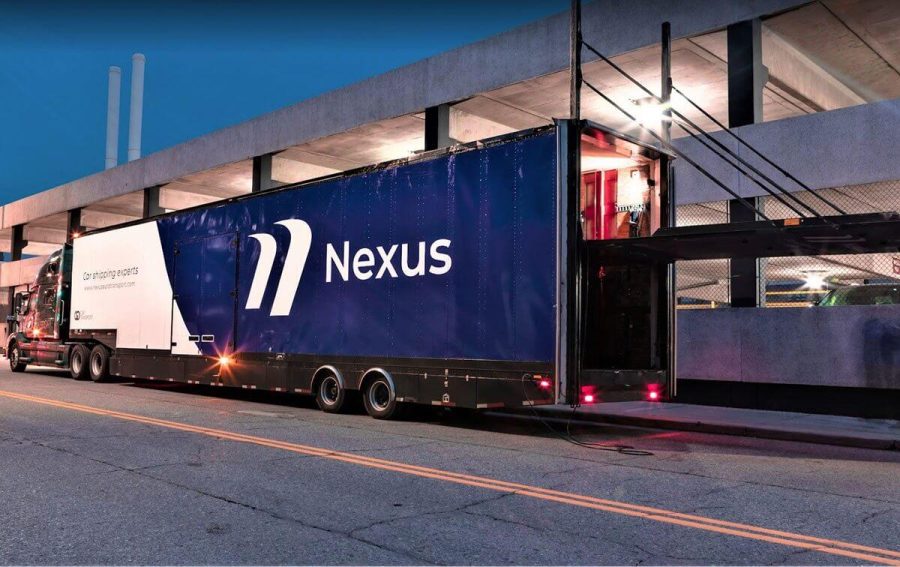
At Nexus Auto Transport, we believe customers deserve clarity, not confusing industry jargon. This guide explains what insurance legitimate carriers carry, what it typically covers, what it doesn’t, and what you should verify before handing your keys to a transporter.
Why Insurance Matters in Car Shipping
Auto transport is generally very safe. Vehicles are secured on professional trailers, and carriers handle thousands of shipments with no issues. But like anything involving highways, weather, traffic, and long distances, there is always a small risk of:
Road debris damage
Minor scratches during loading/unloading
Accidents caused by other drivers
Theft or vandalism (rare, but possible)
Severe weather events
Insurance is what protects you financially if something unexpected happens during transit.
The Two Main Types of Coverage in Auto Transport
When people ask what insurance car shipping includes, they’re usually referring to two different policies:
1. Carrier Cargo Insurance (The Most Important One)
This is the policy carried by the trucker (the carrier) that covers the vehicles on their trailer.
Cargo insurance is the primary protection for your vehicle while it’s in the carrier’s possession. It’s also the insurance that will be used if a claim needs to be filed for transport-related damage.
Cargo insurance typically covers:
Physical damage caused during transit
Damage during loading or unloading
Damage caused by accidents while the vehicle is on the trailer
This is the core insurance policy customers should always ask about.
2. Carrier Liability Insurance (Required for Commercial Trucks)
Liability insurance covers damage the carrier causes to other people or other property while driving. For example, if the carrier hits another vehicle on the road, liability insurance helps cover that third-party damage.
However, liability insurance is not the same as cargo insurance, and it usually does not pay for damage to your vehicle being transported.
How Much Coverage Do Auto Transport Companies Usually Carry?
Cargo insurance limits vary widely, but most reputable carriers carry coverage in the range of:
$50,000 to $250,000 total cargo coverage
Sometimes higher for specialty carriers
Coverage limits per vehicle may apply
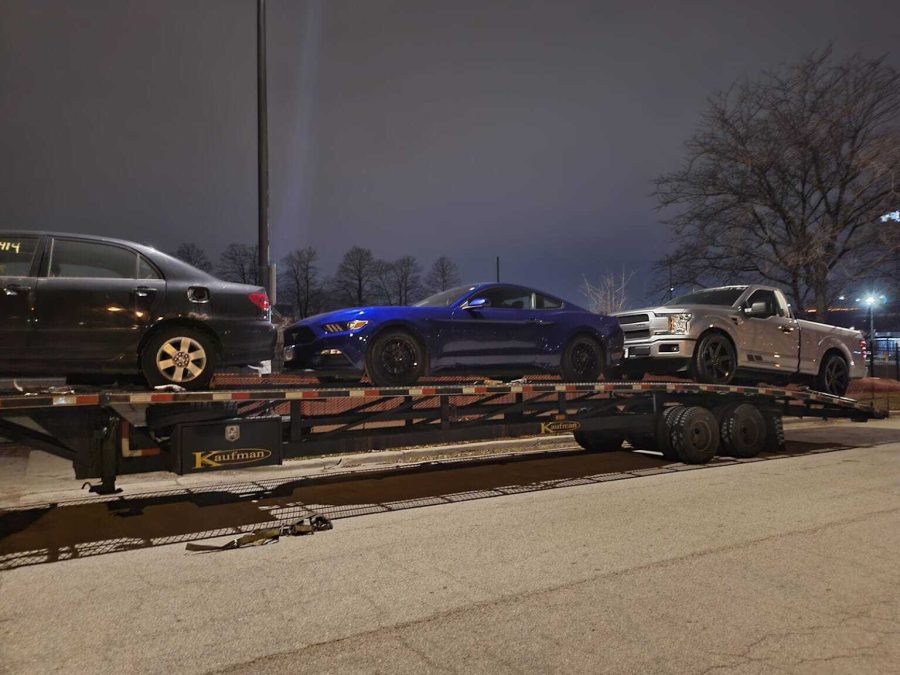
One important detail: the cargo policy usually covers the entire load, not each car individually. So if a trailer is hauling multiple vehicles, the coverage limit may be shared across all cars on board.
This is one reason it’s essential to work with a reputable auto transport company that uses properly insured carriers and verifies coverage before dispatching.
What Insurance Typically Covers (and What It Doesn’t)
Insurance in car shipping is designed to cover transport-related incidents, but it isn’t a blanket warranty for your vehicle.
Commonly Covered
Most cargo insurance policies cover:
Accidents involving the transport truck
Damage from improper loading/unloading
Damage from securement failure (rare)
Impact damage while on the trailer
Commonly Not Covered
Many policies exclude:
Pre-existing damage (scratches, dents, chips already present)
Mechanical issues (battery failure, transmission problems, leaks)
Normal road dust and dirt
Minor wear and tear
Damage from personal items left inside the vehicle
Undercarriage scraping due to low clearance (in some cases)
This is why inspection and documentation are so important.
The Bill of Lading: Your Key Insurance Document
In the auto transport industry, the most important paperwork is the Bill of Lading (BOL).
This document serves as:
The official receipt for the vehicle
The condition report at pickup and delivery
The legal proof of when damage occurred
When your car is picked up, the driver should note any existing scratches, dents, or issues. When your vehicle is delivered, you should inspect it again before signing.
If you ever need to file a claim, the BOL is one of the first things the insurance company will review.
Does My Personal Auto Insurance Cover Car Shipping?
Sometimes yes, but often with limitations.
Many personal auto insurance policies may provide partial coverage during transport, but:
It may only apply after the carrier’s insurance is exhausted
It may have exclusions for commercial transport
It may require a deductible
It may not cover certain damage types
It’s always a good idea to call your insurance provider and ask specifically:
“Does my policy cover my vehicle while it is being shipped on a commercial auto carrier?”
Also read: Auto Transport Insurance vs Personal Car Insurance
What About Broker Insurance?
This is where many customers get confused.
Nexus Auto Transport is a broker that arranges transport with vetted carriers. Brokers typically do not physically haul the vehicle, so brokers do not carry cargo insurance for the vehicle itself.
Instead, the carrier’s cargo insurance is what covers your car during transit.
A good broker’s job is to:
Verify the carrier is licensed
Confirm active cargo insurance
Match you with a reliable transporter
Support you if any issue arises
This is especially important when customers are planning to ship a car to another state and don’t have the ability to meet the carrier in person until delivery.
Why Insurance Matters Even More for Long-Distance Shipping
The longer the route, the more variables are involved. A longer trip includes:
More highway time
More traffic zones
More weather systems
More loading/unloading risks
That’s why insurance questions come up often with cross country car shipping, where customers want peace of mind before committing to a long route.
What If I’m Considering Towing Instead?
Some people compare shipping versus renting a trailer or trying to tow a car long distance. But towing creates a different insurance situation.
With towing, you may be responsible for:
Damage caused by the trailer
Damage caused by your own driving
Rental insurance exclusions
Added risk of accidents
Auto transport insurance is specifically designed for commercial vehicle hauling, which is one reason it’s often the safer and more protected option.
Does Insurance Affect Car Shipping Pricing?
Insurance is one factor in overall pricing because carriers with better coverage and safer records tend to charge more. Carriers with poor insurance, low limits, or questionable history may offer cheap rates, but the risk is not worth it.
This is part of why car shipping cost can vary so much from one quote to another, even on the same route.
Does Insurance Affect Shipping Time?
Not directly, but reputable carriers with strong insurance tend to be:
Better equipped
More professional
More reliable with scheduling
This matters when customers ask how long does it take to ship a car, because the best carriers are often booked more quickly and run consistent routes.
FAQs: Auto Transport Insurance
Do all auto transport companies carry insurance?
Licensed carriers are required to carry liability insurance, and reputable carriers also carry cargo insurance. However, coverage limits vary widely, so you should always verify.
How can I confirm a carrier’s insurance coverage?
You can request a certificate of insurance (COI) from the carrier or through your broker. Nexus can help verify active coverage before dispatch.
Is my car fully insured during transport?
Most vehicles are covered under the carrier’s cargo policy, but coverage is not unlimited. High-value vehicles may require additional coverage or enclosed transport.
What should I do before my car is picked up?
Clean your vehicle, take time-stamped photos from all angles, remove personal items, and make sure existing damage is documented on the Bill of Lading.
What happens if my car is damaged during shipping?
You should note the damage on the Bill of Lading at delivery, take photos immediately, and contact Nexus as soon as possible so the claim process can begin.
Does insurance cover personal items inside the car?
Usually not. Most cargo policies exclude personal belongings, and leaving items inside can create claim complications.
Do I need extra insurance for expensive vehicles?
If your vehicle is high-value, rare, or modified, it’s smart to ask about coverage limits and consider enclosed shipping or supplemental insurance.
Final Thoughts
Auto transport insurance is one of the most important parts of a safe, professional shipping experience. Most legitimate carriers carry cargo insurance that covers vehicles during transit, but the details, coverage limits, exclusions, and claim procedures matter.
At Nexus Auto Transport, we work only with carriers who meet insurance requirements and help customers understand what they’re covered for before the shipment begins. Whether you’re moving across town or across the country, knowing your insurance protections upfront gives you peace of mind and helps you ship confidently.