

Shipping boxes across the country can be expensive, so you might think that shipping goods internationally will break the bank. However, shipping a box or boxes of personal belongings internationally can be accomplished economically, and there are numerous shipping options for packages traveling from the United States to other countries.
Factors that determine the best way to ship boxes overseas include
The number or weight of your items
Their destination country and location
How fast you need them
Below are ten cost-effective shipping methods, organized with the simplest and most accessible options listed first, and followed by options that may take more effort on your part and more time for the delivery.
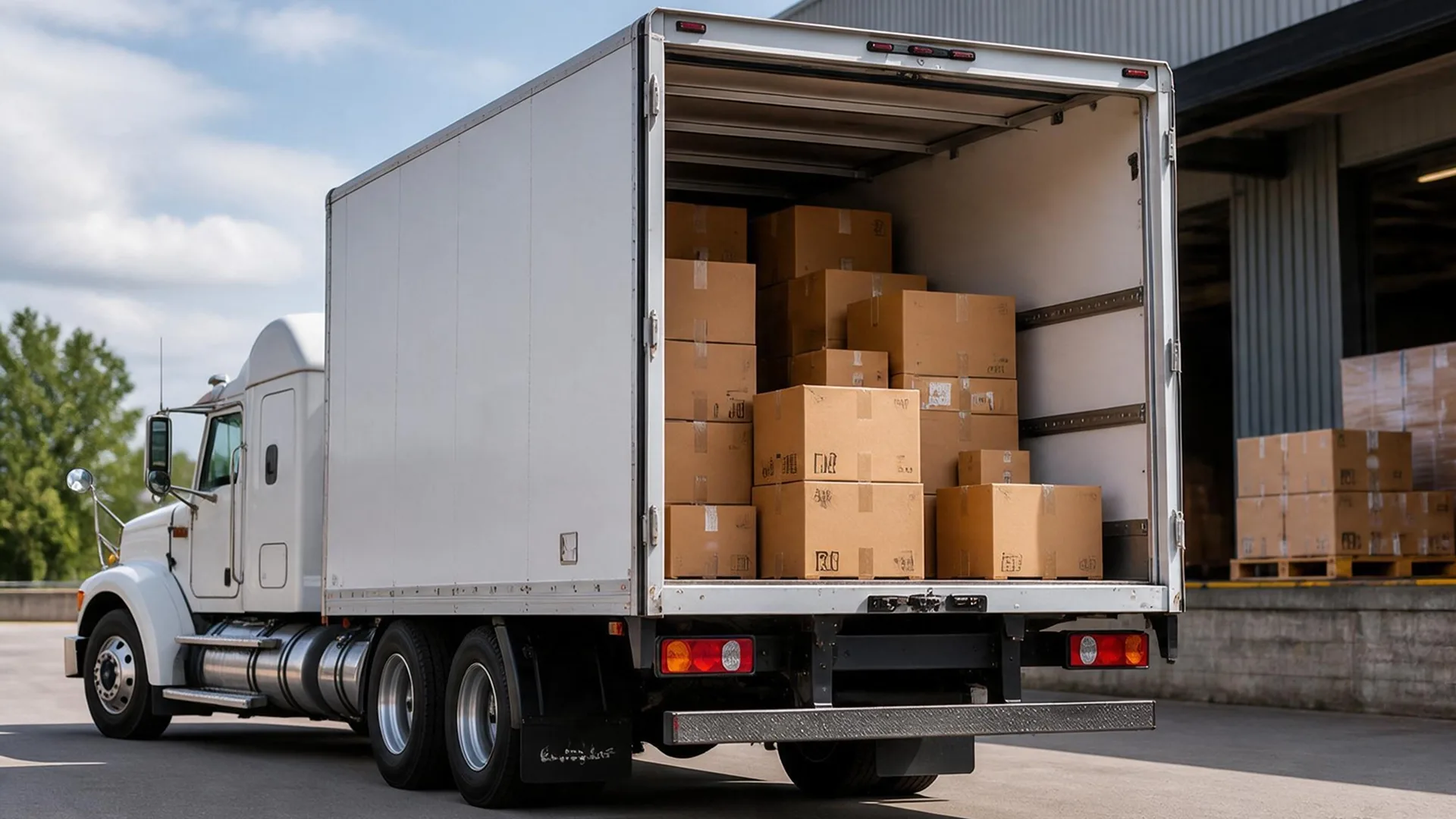
1. USPS First-Class Package International Service
For packages under 4 pounds, the United States Postal Service's First-Class Package International is the cheapest retail option for items shipped to a country with a cooperative postal agreement. Prices start between $14 and $27 for lighter shipments. The problem is that you often can't track your package after it enters the destination country's postal system. Transit times range from 7 to 21 business days.
2. USPS Priority Mail International Flat-Rate Boxes
USPS flat-rate boxes hold up to 20 pounds, so if you have heavy items that fit in a flat-rate box, you'll save money when compared to weight-based pricing. Priority Mail International delivers in 6 to 10 business days and includes up to $200 in insurance. For dense, heavy personal items like kitchenware, electronics, or hardcover books, flat-rate boxes often beat everything else in their weight class.
3. Asendia and Postal Consolidators
Asendia, a Swiss Post-La Poste of France partnership, combines elements of national postal systems and major couriers. They consolidate shipments, send them to the destination country, and inject them into that nation's postal network. They have transit times of 5 to 20 business days.
DHL eCommerce Solutions (formerly DHL Global Mail) and Meest have similar offerings. They pool parcels and negotiate airline and customs rates unavailable to individuals. Savings of $5 to $15 per box versus retail postal rates are common.
4. Shipping Brokers and Rate Comparison Platforms
Easyship, Parcel Monkey, and ShipStation compare wholesale shipping rates across hundreds of carriers to find the cheapest option for your package's route, weight, and dimensions.
Easyship advertises discounts of up to 91 percent off standard rates, but even discounts of 20 to 30 percent translate to significant savings when you're shipping several boxes. The platforms also handle customs forms.
5. FedEx International Connect Plus
FedEx's International Connect Plus is their response to economy international shipping, and they cost less than USPS First-Class on many routes. Delivery takes 2 and 5 business days for major markets, so it combines economy pricing and courier-level speed.
The service, which covers Canada, Europe, and key Asia-Pacific destinations, includes tracking throughout the process.
6. DHL Economy International
DHL's economy-tier service occupies a similar position to FedEx International Connect Plus but with stronger coverage of Asia-Pacific markets. DHL's vast proprietary network means packages don't rely on local postal systems, which reduces the tracking blackouts common among postal consolidators.
Economy services sacrifice the 1-to-3-day express window for transit times of 4 to 7 business days, but the price difference can be substantial, often $10 to $20 less per box than DHL Express on the same route. For shipping personal items to Japan, South Korea, Australia, or Southeast Asia, DHL's economy tier is worth checking out.
7. Package Forwarding Services
Package forwarding businesses include forward2me, Shiptobox, and Planet Express. Customers send packages to the forwarding company's mailing address, which combines and ships them out at commercial rates. Expatriates, international students, and anyone with several boxes to ship at once will find them particularly useful.
Monthly fees range from free (pay-per-shipment) to around $10–$15 for premium memberships with faster turnaround.
8. Luggage and Courier Shipping Services
Companies like Send My Bag, Luggage Forward, and ShipSmart ship boxes internationally at rates below the standard couriers. They negotiate with airlines, using economy lanes to keep prices low, so a 30-pound box to Europe sometimes is available for less than $100.
Door-to-door pickup and delivery, simplified customs paperwork and tracking, make them perfect for students abroad.
9. Less-Than-Container Load (LCL) Sea Freight
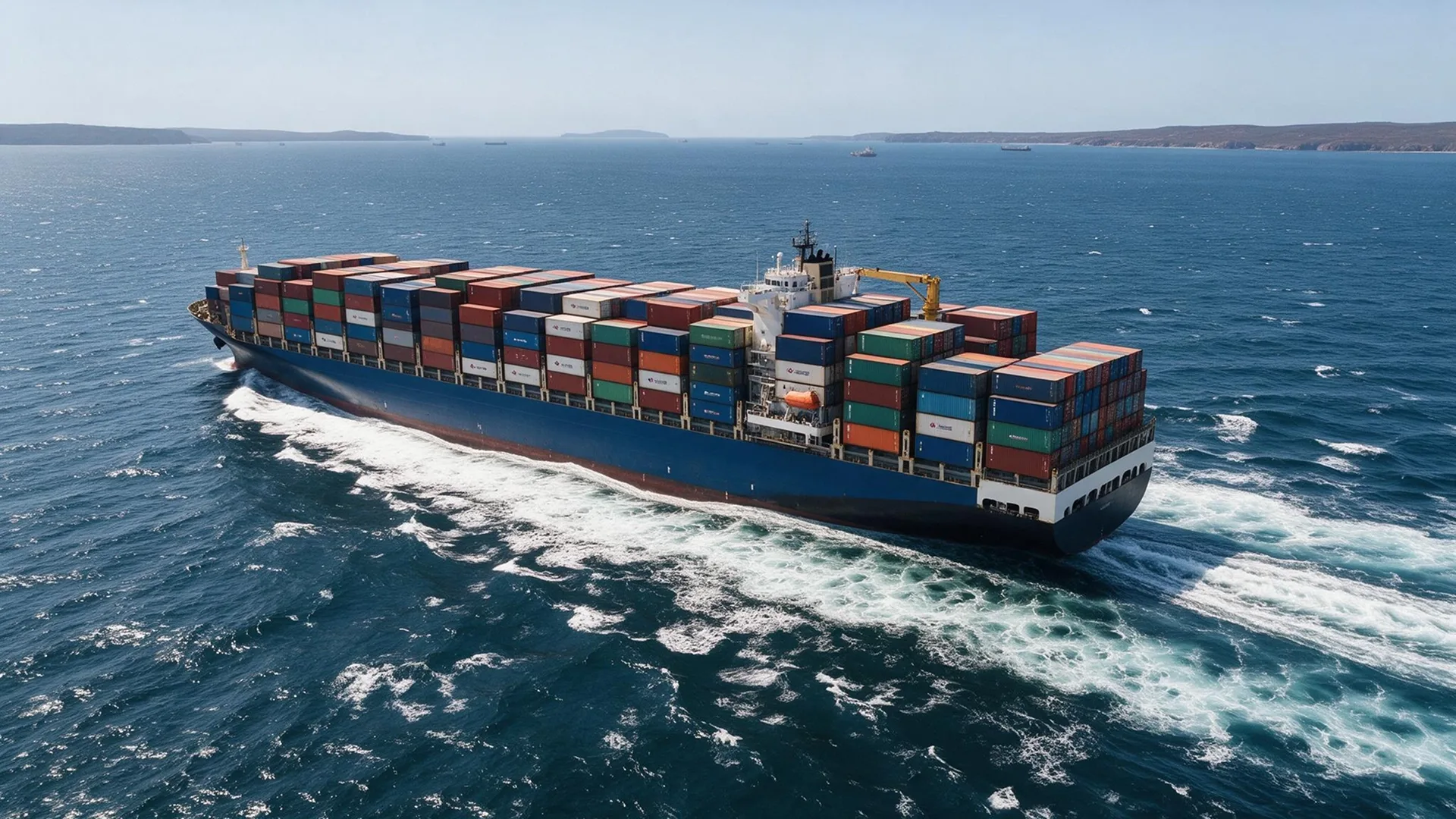
When you send five, ten, or more boxes of personal belongings, providers such as iContainers and uShip package them for ocean freight through an LCL (less-than-container load) service. They offer excellent rates per cubic foot that carriers shipping by air cannot match. Although your boxes share a shipping container with other customers, you pay only for the space your packages occupy.
Costs often run $1,000 to $3,000. However, on a per-box basis, it is much cheaper than shipping by air. The downside is the transit time, since it is often 3 to 8 weeks from port to port, plus pickup and delivery.
This option suits many doing a full international move.
10. Peer-to-Peer and Traveler-Based Shipping
Grabr and Shipper link shippers with international travelers who have luggage capacity and are open to carrying a package for payment. Costs are often 50 to 70 percent below commercial rates for light boxes.
This option requires some coordination and trust of others, but the platforms include ratings, insurance, and identity verification. It works best when shipping light, non-fragile personal items on popular international routes. It also eliminates some customs issues since the items travel as personal luggage.
The Bottom Line
The least expensive method to ship boxes internationally depends on your package destination, its weight, and your timing requirements. For a single light box on a budget, USPS First-Class or a broker-negotiated rates are difficult to beat. For multiple boxes headed overseas when timing is less an issue, LCL sea freight or luggage shipping services beat the others on a cost-per-pound basis.
A key step is to compare rates through platforms like Easyship or Parcel Monkey since the gap between the cheapest and most expensive option for the same shipment can be larger than many expect.
Need More Information About Cheap Box Shipping?
Since you are interested in cheap international shipping for boxes, perhaps you are considering moving internationally and need to ship a car overseas. If so, we're here to help. Nexus Auto Transport is an expert when it comes to moving and would be glad to ship your car for you. Contact us to learn more about how we can help.
Instant Quote: https://nexusautotransport.com/car-shipping-calculator/
Cost and Time Efficiency of Relocation Methods
Shipping Option | Maximum Weight Capacity | Average Cost per 100 lbs | Risk of Damage |
Traditional Parcel Delivery | Up to 150 lbs./package (USPS: 70 lbs.) | $200–$500 | Medium |
Consolidated Freight | No strict limit (100s to 1,000s of lbs.) | $15–$40 | Low to Medium |
Auto Transport with Personal Items | ~100 lbs. inside vehicle | Included in car shipping; $75–$100 per extra 100 lbs. | High |
Commercial Airline Baggage | 50 lbs. standard; 70 lbs. max with overweight fee | $150–$300 | Low |
FAQs
Does auto transport insurance cover personal boxes left inside the shipped vehicle?
Carriers generally do not allow shipping boxes across the country inside your vehicle. The same applies when shipping a car internationally for roll-on, roll-off car shipments.
When shipping your car internationally in a container, you may be able to leave personal items in the vehicle. However, those items will not be covered by the carrier’s insurance. Personal items left in the vehicle can also complicate the customs process, so doing so is not recommended.
What specific items are strictly prohibited by customs when moving across the border?
The items that are prohibited by customs vary widely by country, so you need to check the rules for your destination country. However, among the commonly excluded items or those that require additional processes are:
Weapons & Explosives
Controlled Substances & Drugs
Alcohol & Tobacco
Plants, Seeds & Soil
Food Products
Live Animals & Wildlife Products
Hazardous & Flammable Materials
Large Amounts of Currency
Cultural Artifacts & Antiquities
Pornography
Rough/Uncut Diamonds
Always check with your destination country's customs authority directly or ask your shipping company for their advice.
Are there weight distribution rules to follow when packing a car for transport?
When shipping a vehicle internationally, you generally have two options: roll-on, roll-off (RO-RO) and container shipping.
With RO-RO, personal items are generally prohibited, so weight distribution inside the car is a non-issue. The car must be empty when it rolls onto the ship.
With container shipping, distribution matters and operates on two levels. First, international maritime standards have rules regarding the center of gravity of items inside the container, which must be kept as low and as close to the geometric center as possible. Second, within the car, heavy items should be low, centered, and unable to shift.
Still, many international shippers require the car to be empty or nearly empty, so weight distribution becomes a moot issue again. Where items are permitted, most carriers cap it at 100 lbs. and require a detailed inventory for customs purposes.
How do seasonal weather delays impact consolidated freight shipping times?
Seasonal weather is an unpredictable variable in international consolidated (LCL) freight. LCL shipments are vulnerable to weather delays because your cargo waits at a consolidation hub until the container fills. Weather that delays other shippers delays your departure too.
Below are common weather events that impact shipping.
International ocean freight is disrupted during typhoon and hurricane season, which runs from June to November.
Monsoon Season (June–September): Ports in Bangladesh, Vietnam, India, and other major export hubs are closed or slowed down by heavy rains and flooding.
Winter (December–February): During the winter, roads and ports in North America, China, and northern Europe freeze. It’s a busy time of year with holiday shipping demand, combined with winter weather.
The main way to deal with the potential delays is to include a weather buffer in your schedule.