A long-distance move gets complicated because several things need to happen on roughly the same schedule. Your household belongings have to leave one home and reach another. Utilities need to be transferred. Keys change hands. You may be starting a new job or working around a closing date. And somewhere in that timeline, your car needs to make the trip, too.
That's why planning moving to new home works better when you treat the move as one coordinated project instead of a collection of separate tasks. Build the schedule around the dates you can't easily change, then fit your movers, packing, travel and vehicle transportation around them.

Start Planning the Move Around Your Fixed Dates
Begin with the dates that have the least flexibility. That could be a home closing, lease expiration, job start date or the day you take possession of the new home.
Once those dates are on the calendar, work backward. Six to eight weeks is a useful planning window for many long-distance moves, but starting earlier gives you more options for movers, auto transport and travel arrangements.
Your timeline might look something like this:
- Six to eight weeks out: Compare movers, start decluttering and establish a moving budget.
- Four to six weeks out: Choose your household moving method, begin packing less-used belongings and start planning vehicle transportation.
- Two to four weeks out: Confirm moving arrangements, transfer records and utilities and continue packing.
- One to two weeks out: Finalize your car shipping schedule, prepare furniture and pack most remaining household goods.
- Moving week: Keep essential documents and personal necessities with you, confirm arrival arrangements and complete final inspections.
Don't make the schedule so tight that one delayed appointment throws off everything else. Long-distance moves involve several independent parties, and some timing changes are unavoidable.
Build a Budget Before You Start Booking Services
The moving truck isn't your only expense when planning moving to new home. Packing materials, storage, lodging, travel, insurance and vehicle transportation can all affect the final number.
Start with the major expenses rather than trying to account for every roll of packing tape. Nexus' Moving Cost Calculator can give you a starting point for the household move.
Then create a separate category for expenses that depend on how you choose to relocate. If you're considering driving your car to the new home, include fuel, meals, lodging and mileage. If you're shipping it, compare those expenses with the transport quote and the time you save by flying or traveling another way.
Leave room for the unexpected, too. An extra hotel night, temporary storage or a change in closing dates can add expenses you didn't anticipate.
Choose a Household Mover Carefully
Price matters, but an unusually low estimate isn't much of a bargain if the mover isn't qualified to handle an interstate shipment.
The Federal Motor Carrier Safety Administration (FMCSA) recommends getting written estimates from several movers and verifying that an interstate mover is registered and insured. Its steps for selecting an interstate mover explain what to check before hiring one.
Read the estimate carefully and understand whether it's binding or nonbinding. Ask what services are included and which circumstances could result in additional charges. Stairs, elevators, parking restrictions and services added after the estimate can affect the final bill.
If you're still comparing options, the Nexus guide to Long Distance Moving Companies can help you evaluate different approaches to a long-distance household move.
Decide Early How Your Car Will Get There
Vehicle transportation shouldn't be the last item added to a long-distance moving plan.
Driving may make sense when the distance is manageable, you have enough time, and you want the road trip. A cross-country drive becomes less attractive when you're already coordinating movers, children, pets, work schedules or a tight closing date.
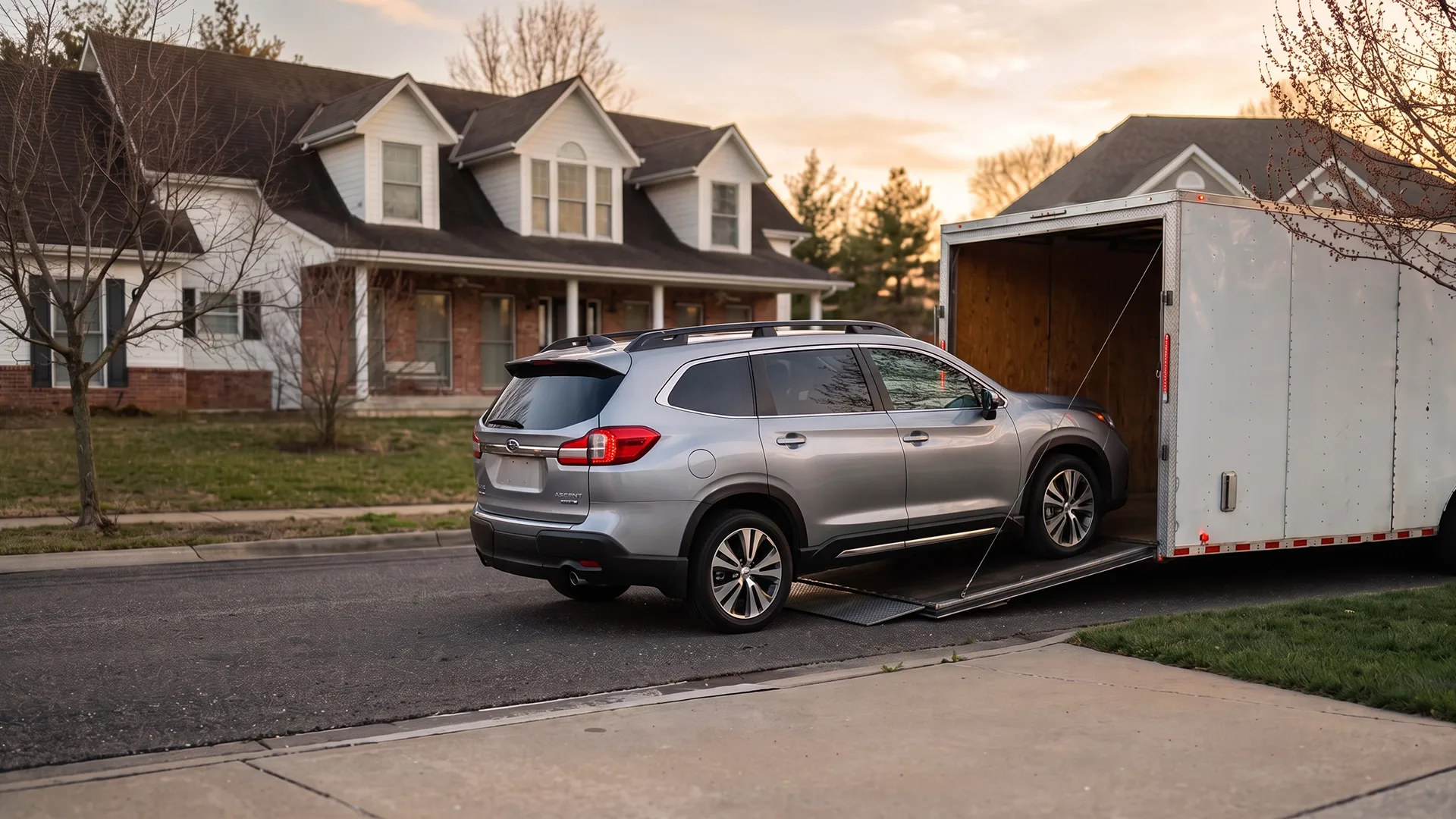
Professional auto transport removes the long drive from your personal schedule. The vehicle is picked up by a third-party carrier and transported on a car hauler while you handle the rest of the relocation.
Use the Nexus Car Shipping calculator early in the planning process so you have an actual transport estimate to compare with the cost and time required to drive.
Car Shipping vs. Driving Yourself Cost and Stress Comparison
Factor |
Professional Car Shipping |
Driving the Vehicle Yourself |
|---|---|---|
Direct Financial Cost |
Transport quote based on route, vehicle and service |
Fuel, lodging, meals, tolls and other travel expenses |
Time Commitment |
Vehicle travels separately while you handle other parts of the move |
May require several days for a long-distance trip |
Safety and Wear |
Avoids adding highway mileage and road-trip wear to your vehicle |
Adds mileage, tire wear and routine mechanical wear |
Stress Level |
Requires pickup and delivery coordination but eliminates the road trip |
Adds navigation, traffic, weather and long hours behind the wheel |
The better choice depends on your circumstances. Don't compare only the transport quote with the price of gasoline. Compare the total trip, including your time and what else you need to accomplish during the move.
Coordinate Car Shipping with Household Moving Day
Trying to make the moving truck and auto carrier arrive at the same hour creates unnecessary pressure. Their schedules operate independently, and long-distance transportation is subject to traffic, weather, road closures and other delays.
Instead, build some flexibility into the vehicle schedule.
Nexus recommends booking standard car shipping one to two weeks in advance when possible. The first available pickup date is the earliest date the vehicle can be collected, not a guaranteed appointment. Actual pickup depends on third-party carrier availability along the route.
Think about where you'll be during the pickup and delivery windows. You or another designated adult needs to be available to release the vehicle at pickup and accept it at delivery.
If your closing or move-in date changes, don't wait until pickup day to deal with it. Contact the transport company as soon as you know your availability has changed.
Prepare Your Furniture and Belongings in Stages
Packing everything during the final week is a reliable way to make moving more stressful than necessary.
Start with belongings you won't need before moving day: seasonal decorations, books, artwork, guest-room items and extra kitchenware. Everyday clothing, medications, work equipment and basic cookware can stay out until later.
Large furniture deserves separate attention. Determine what needs to be disassembled and keep screws, bolts and other hardware labeled with the piece they belong to. The Nexus guide on How to Prepare Furniture for Long-Distance Moving covers the preparation steps in more detail.
Keep valuables and essential documents out of the household shipment. Identification, medications, financial records, moving contracts, closing paperwork, keys and other difficult-to-replace items should remain accessible during the move.
Understand Your Rights During an Interstate Move
An interstate household move comes with federal consumer protections that don't necessarily apply the same way to a move within one state.
FMCSA requires interstate movers and brokers to provide customers with the Your Rights and Responsibilities When You Move handbook. The handbook explains documents you'll encounter during the move and your options if household goods are lost or damaged.
Read paperwork before signing it and don't sign forms containing blank spaces for important information such as prices or dates. Keep copies of estimates, contracts, inventories and receipts where you can reach them during the move rather than packing them in a box. The Federal Trade Commission also recommends getting written estimates from several movers and avoiding interstate movers that aren't registered with the U.S. Department of Transportation.
You'll also need to choose the level of liability protection for your household shipment. Interstate movers must offer Full Value Protection and Released Value. These options provide very different levels of protection, so understand what you're selecting before moving day.
Decide Whether a Moving Container Fits Your Schedule
Traditional movers aren't the only option. Portable moving containers can work well when you want more control over packing and unloading or need temporary storage between homes.
They can be particularly useful when the old home and new home aren't available on perfectly matching dates. You pack the container, it is transported or stored, and you unload it when the destination is ready.
That flexibility doesn't automatically make a container the least expensive choice. Compare delivery, pickup, transportation, storage and any access charges with other moving methods.
The Nexus guide to the best moving PODs can help you compare container-based moving options.
Prepare Your Car Before Pickup
Vehicle preparation doesn't take long, but don't leave it until the carrier arrives.
Clean the vehicle so its existing condition is easy to inspect. Remove personal belongings unless the assigned third-party carrier has approved them, deactivate toll tags and remove or secure loose accessories. Nexus recommends leaving roughly a quarter tank of fuel for loading and unloading.
At pickup, inspect the car with the driver. Existing damage should be documented on the bill of lading before you sign it.
Keep your keys and vehicle information accessible during moving week. The last place you want to search for a spare key is inside one of 60 sealed boxes.
Give Yourself Options When Dates Change
Closing dates move. Movers run late. Weather interrupts transportation. A new employer changes an onboarding date. Good planning can't prevent every disruption, but it can keep one change from wrecking the entire move.
Avoid scheduling every service against the same hard deadline. If possible, give yourself overlap between leaving the old home and needing everything operational at the new one.
If your dates are uncertain, build flexibility into the services you choose. A portable storage container can bridge a gap between homes, while a mover that offers temporary storage may provide another option when your move-out and move-in dates don't line up.
Keep everyone who affects the move informed when something changes. Your household mover doesn't automatically know that your closing was delayed, and your auto transport provider doesn't know that your flight was rescheduled unless you tell them.
FAQs
How Do I Coordinate the Arrival of My Shipped Car with My Household Moving Day?
Don't plan around an exact vehicle delivery hour. Pickup and delivery timeframes are estimates, and road conditions, weather, traffic and third-party carrier availability can affect the schedule.
Instead, decide when you actually need the vehicle at your new home and build some flexibility around that date. Make sure you or a designated adult can be available to accept the car. If your household moving schedule changes, notify your auto transport provider as early as possible.
What Documents Must Be Prepared in Advance for Shipping a Vehicle During a State-to-State Move?
For a standard domestic shipment, the primary transport document is the bill of lading. It records the vehicle's condition at pickup and delivery and serves as an important shipping document.
Is It Possible to Pack Personal Items Inside My Car When Using an Auto Transport Service?
Don't plan on using the vehicle as an extra moving container. Nexus advises customers to remove personal belongings unless the assigned third-party carrier approves them beforehand. Additional belongings add weight and may result in extra charges or refusal to transport the vehicle.
Make the Move Easier by Coordinating the Big Pieces First
The goal isn't to create a moving plan so detailed that nothing can change. It's to settle the big decisions early enough that you have room to deal with changes when they happen.
Choose your household moving method, decide how the car will get to your new home and establish realistic pickup, travel and delivery windows. Then fit packing, utilities and smaller tasks around those major logistics.
Once you have your dates and moving needs in hand, check moving costs here and start building a relocation budget around the move you're actually planning.