

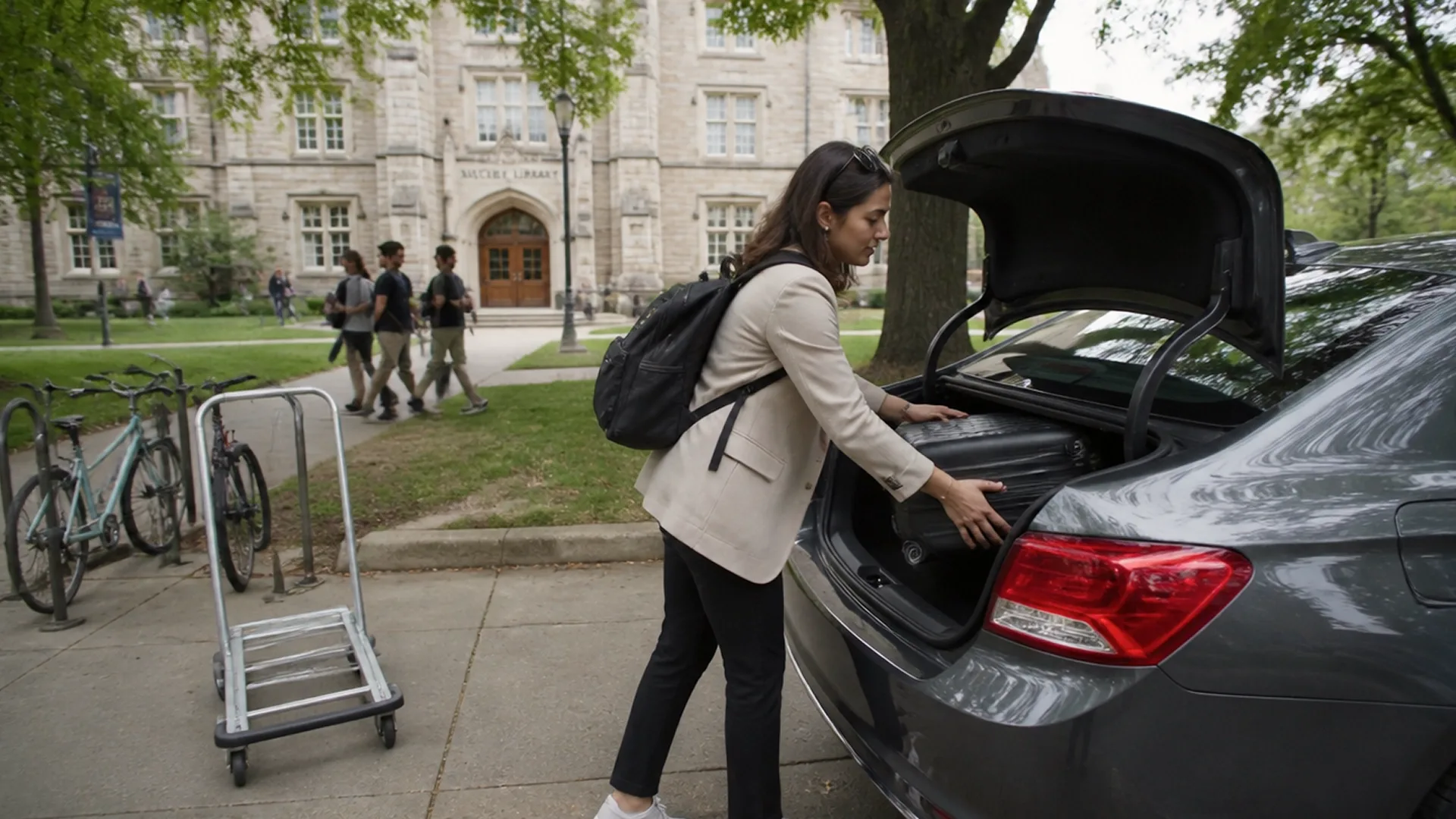
For many college students, having a car on campus isn’t just a luxury; it’s a necessity. Approximately 56 percent of students own a car. Whether you're moving to a university across the country or returning home for break, determining the cost of car shipping for students is an important part of planning. To help you budget wisely and choose the best shipping option for your needs, this article explains the factors that drive auto transport pricing.
We break down typical costs, key cost drivers, ways to save money, and answer FAQs to help you make an informed decision when booking your student car shipment.
Average Cost for College Student Auto Transport
On average, college students can expect car transport prices to range from:
- $400–$900 for short- to mid-distance routes (300–800 miles)
- $700–$1,300 for long-distance routes (800–1,500 miles)
- $1,000–$2,000+ for cross-country shipments (over 1,500 miles)
These prices fluctuate based on demand, location, season, the size and weight of your vehicle, and the type of transport you choose. Many students use an online car shipping cost calculator to obtain an estimate quickly before booking.
Factors That Determine Car Shipping Costs
1. Shipping Distance
Distance is the top factor determining your shipment price. The farther your car must go, the more the shipment will cost, even though your per-mile rate is lower than on short- to mid-distance routes. The College Board indicates that approximately 27 percent of students attend college out of state, so students often need to ship cars to another state, leading to higher prices than local transport.
2. Transport Type
You can choose between:
- Open transport (most common and affordable)
- Enclosed transport (higher protection, 30 to 60 percent higher cost)
Enclosed transport is primarily used to transport luxury or classic vehicles, as well as those who want extra peace of mind. Enclosed auto transport may be worth the additional 30 to 60 percent price paid, but most students choose open auto transport to save money.
3. Time of Year
Back-to-school season (August–September) and end-of-semester breaks tend to be peak demand times. Since these dates are generally known in advance, you can book early to help secure a better price.
4. Vehicle Size and Weight
SUVs, trucks, and larger sedans take up more space on the carrier. Larger vehicles commonly cost 15 to 25 percent more than compact vehicles.
5. Pickup and Delivery Locations
Cities and major highways are cheaper than rural or hard-to-reach areas. Door-to-door delivery also costs more than terminal-to-terminal transport. Depending on your school and home locations, you can save money by having your vehicle delivered to a nearby terminal or city. College campuses, in general, and those in major cities can be problematic for door-to-door delivery, with nearby pickup and drop-off locations providing a solution.
6. Carrier Availability
Expedited services often add $200 to $600 to your total bill. Expedited services not only result in a faster pickup but also provide narrower pickup and delivery windows (1 to 2 days rather than 1 to 5 days).
Options When Car Shipping for Students
Open Transport (Most Affordable)
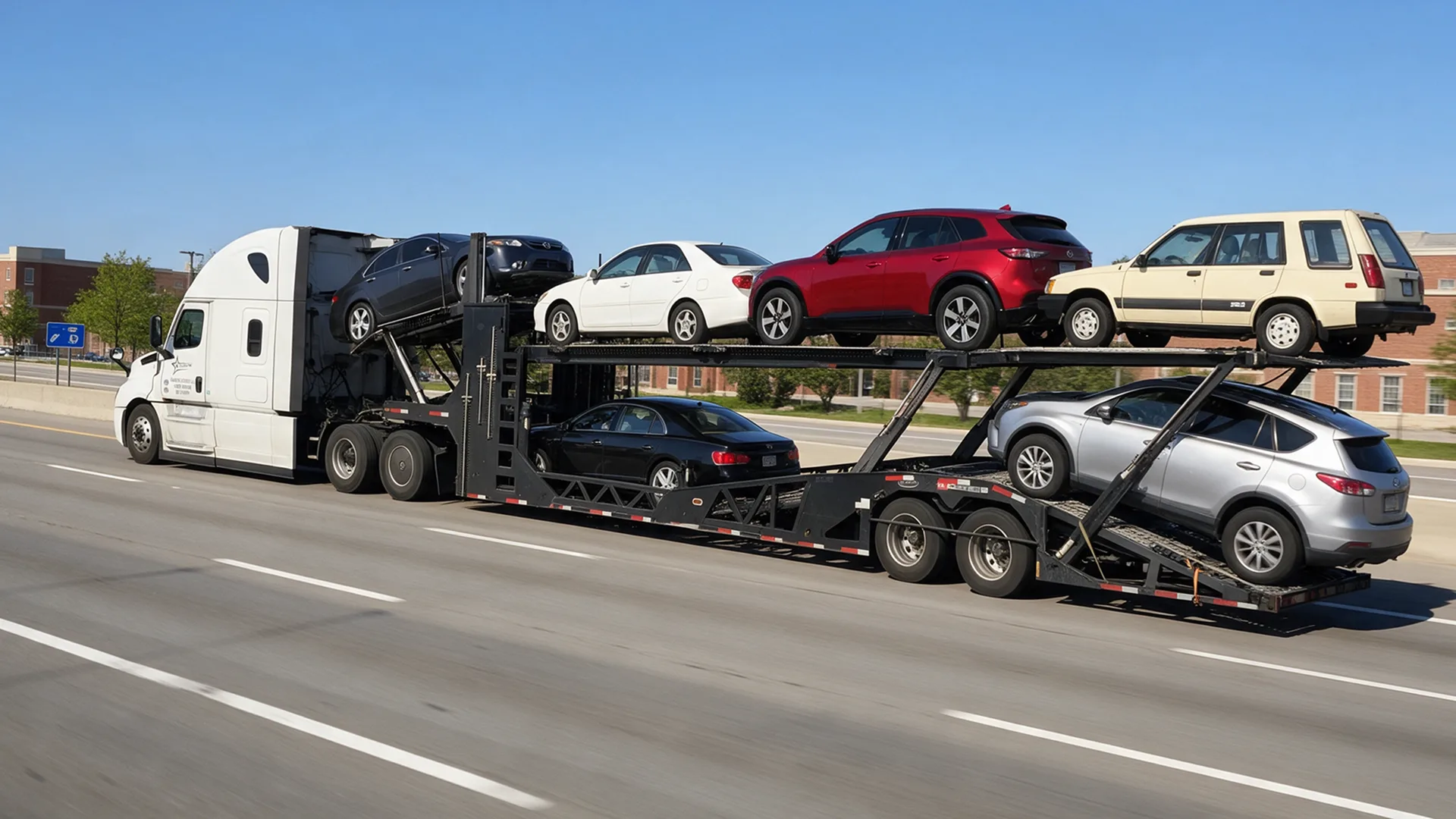
Open transport is the most economical choice for most students. With open transport, your car is loaded onto a multi-vehicle trailer that has neither a roof nor sides. Open transport is generally less expensive and more widely available.
Enclosed Transport (Premium Option)
Although it is more expensive, consider enclosed transport for higher-end or specialty vehicles as it provides maximum protection from weather and damage resulting from road debris.
Cross-Country Car Shipping
Students traveling long distances, such as coast-to-coast, typically use cross-country car shipping services. Prices are higher but often still cheaper than driving yourself when you factor in gas, lodging, food, and time.
Saving Money on College Student Car Shipping
1. Book Early
Carrier availability tightens near the start and end of each school semester. Scheduling early helps you secure better rates.
2. Have Flexible Dates
Flexible pickup and delivery windows help carriers optimize routes, allowing them to pass savings on to you.
3. Choose Open Transport
Open transport is the most cost-effective and reliable option for students. Open transport should be the primary option when not shipping a high-value vehicle.
4. Ship to/from Major Cities
Urban areas and university towns typically have more carriers and lower prices than smaller towns.
5. Compare Quotes
Different companies offer different rates, so be sure to comparison shop by obtaining multiple quotes before choosing an auto transport company.
6. Student Discounts
Car transport companies often offer student discounts of 5 to 10 percent. Whether or not the company advertises its student discounts, always ask for them since they can save you money.
Required Documents for Student Auto Transport
Most transporters ask for:
- Driver’s license
- Vehicle registration
- Proof of insurance
- Contact information for pickup and drop-off (e.g., parent, friend, resident advisor)
Final Thoughts
You can handle college student car shipping without undue stress or difficulty by understanding the primary price drivers and choosing wisely. Doing so allows students to conveniently transport their vehicles while staying focused on their academic journey. If you need help planning or want to get an accurate estimate, consider using a car shipping calculator or contacting a trusted auto transport company for personalized guidance.
Instant Quote: https://nexusautotransport.com/car-shipping-calculator/
Popular Student Delivery Routes and Average Costs
Route |
Distance |
Estimated Time |
Average Cost |
|---|---|---|---|
Los Angeles, CA — Austin, TX |
1,250 miles |
2-5 days |
$950–$1,300 |
New York, NY — Ann Arbor, MI |
600 miles |
2-4 days |
$600–$900 |
Chicago, IL — Columbus, OH |
360 miles |
1-3 days |
$400–$650 |
Miami, FL — Tallahassee, FL |
470 miles |
1-3 days |
$400–$700 |
Seattle, WA — Boulder, CO |
1,320 miles |
3-5 days |
$950–$1,350 |
FAQs
Can I pack personal belongings inside my vehicle during transport?
Most auto transporters require that you remove personal items from your vehicle due to weight concerns and because the carrier's insurance generally does not cover personal belongings left in the vehicle.
Is my car fully insured against damage while in the carrier’s care?
Carriers generally maintain cargo insurance that covers all vehicles being transported. (Nexus requires carriers to have $100,000 in cargo insurance). However, the carrier’s coverage may not cover the full value of all the vehicles in the event of a serious accident. Carriers often offer supplemental insurance that you pay for, and your personal policies may cover damage to your car during transport.
Your best practice is to confirm the complimentary and supplemental insurance options through the auto transporter and review them with your insurance agent to determine your best course of action.
How do I track the location of my vehicle during transit?
Auto transport companies provide customers with consistent updates on the vehicle status. However, the complications and requirements of interstate shipping do not allow real-time tracking. Be sure to confirm with your car shipping company how they will keep you informed of your car's status.
Do I have to pay the entire shipping fee upfront before pickup?
Generally, you pay the broker's initial deposit with a credit card, with the remainder paid to the driver at delivery. It is important to note that drivers only accept guaranteed funds, such as cash, cashier's checks, certified checks, or money orders. Credit cards and personal checks are generally not accepted.
For customer convenience, some brokers allow customers to pay the entire transaction upfront by credit card, which customers value because they do not want the hassle of obtaining guaranteed funds.
What is the protocol if the transport truck cannot enter the university campus?
Door-to-door service is the industry norm, but it is not always feasible for the truck and trailer to access your pickup and delivery locations due to legal or physical restrictions. Deliveries in rural and more open suburban areas tend to be easier than in urban areas. In cases where access is an issue, including on some college campuses, the driver will arrange to meet you at a nearby shopping mall or other open area for pickup or delivery.