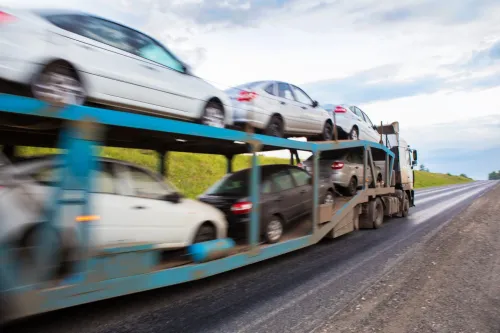
Car auctions give buyers access to vehicles far beyond their local market. Once the bidding ends, though, you still have to get the vehicle off the auction lot and to its destination.
That is where auction vehicle transport differs from ordinary car shipping. Auction lots have their own release procedures, payment rules, pickup hours and loading requirements. Missing one detail can leave the truck waiting at the gate or force the pickup to be rescheduled.
If you are buying through online or out-of-state car auctions, consider transportation before you bid, especially if the vehicle is non-running or the auction has a short free-storage period.
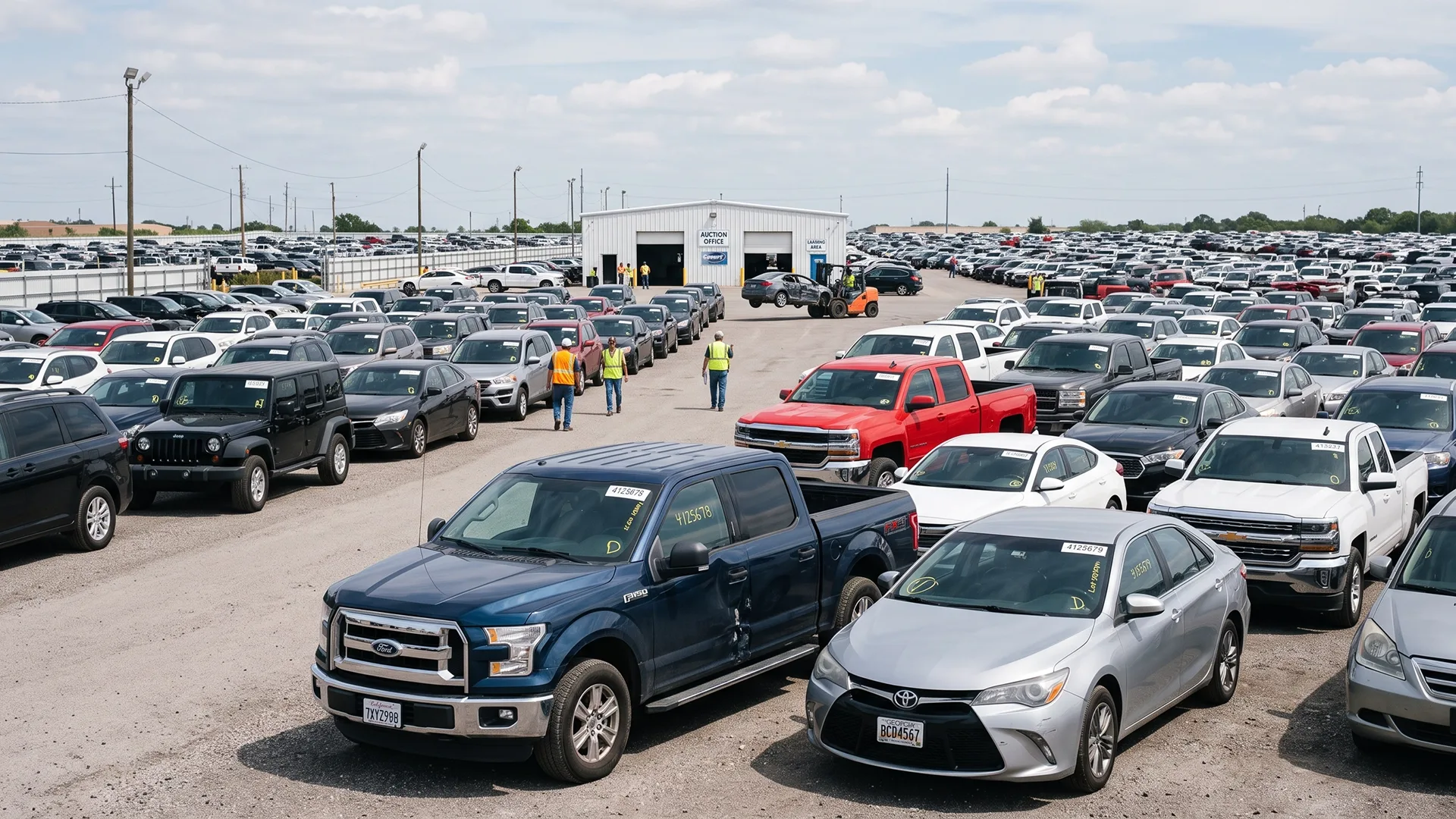
How Auction Vehicle Transport Works
With car shipping from auction, a third-party carrier picks up the vehicle and delivers it to your home, dealership, repair shop or another location. The basic move is simple. The handoff is what makes an auction pickup different.
Before a truck can leave with your car, the auction has to be ready to release it. That usually means your payment has cleared and the vehicle is no longer on hold. Depending on the auction, the driver may also need your buyer or lot number, a gate pass or permission showing that the vehicle can be released to a transporter.
It’s worth checking the pickup rules for the specific auction location rather than assuming they’re the same everywhere. Some yards require appointments, some limit pickup to certain hours and others have their own paperwork or check-in procedures.
For a private buyer, shipping means you don’t have to travel to the auction just to bring the car home. Dealers may have several vehicles waiting at the same sale, making auction car hauling a practical way to move them together.
Check the Auction’s Pickup Requirements
Before you book a car transport from auction, make sure the car can actually leave the lot. Start with the auction’s pickup instructions and check a few basics:
- Make sure your payment has cleared and the vehicle has been released.
- Have the buyer, lot or stock number handy.
- Find out whether the driver needs a gate pass or other authorization.
- Make sure the auction allows the carrier to collect the vehicle for you.
- Check pickup hours and whether an appointment is required.
- Confirm that the keys are with the vehicle.
- Ask what condition the car is actually in, especially if it was sold as damaged or non-running.
- Tell the transport company if loading may require a winch or other equipment.
Pay particular attention to the vehicle’s condition. “Runs and drives” does not necessarily mean it will roll easily onto a trailer. A car can start and still have a flat tire, damaged suspension, locked steering or another problem that changes how it has to be loaded. The carrier should know about those issues before heading to the auction.
Auction Vehicle Pickup Requirements and Delay Risks
Pickup Requirement | What to Confirm | Who Provides It | Risk if Missing |
Buyer or Lot Number | Correct buyer, lot or stock number | Buyer / Auction | Vehicle may not be identified or released |
Vehicle Release Authorization | Carrier is authorized to take the vehicle | Buyer / Auction | Pickup can be denied |
Payment Clearance | Purchase and required fees have cleared | Buyer / Auction | Vehicle may remain on hold |
Pickup Appointment or Window | Appointment and pickup hours | Auction | Driver may have to reschedule |
Vehicle Operability Status | Whether it runs, rolls, steers and brakes | Buyer / Auction | Wrong equipment may be sent |
Keys and Vehicle Access | Keys and access are available | Auction | Loading may be delayed |
Special Loading Equipment Requirements | Need for a winch or other assistance | Buyer / Auction / Carrier | Pickup may fail or cost more |
Check the actual yard holding the vehicle because pickup rules may differ by location.
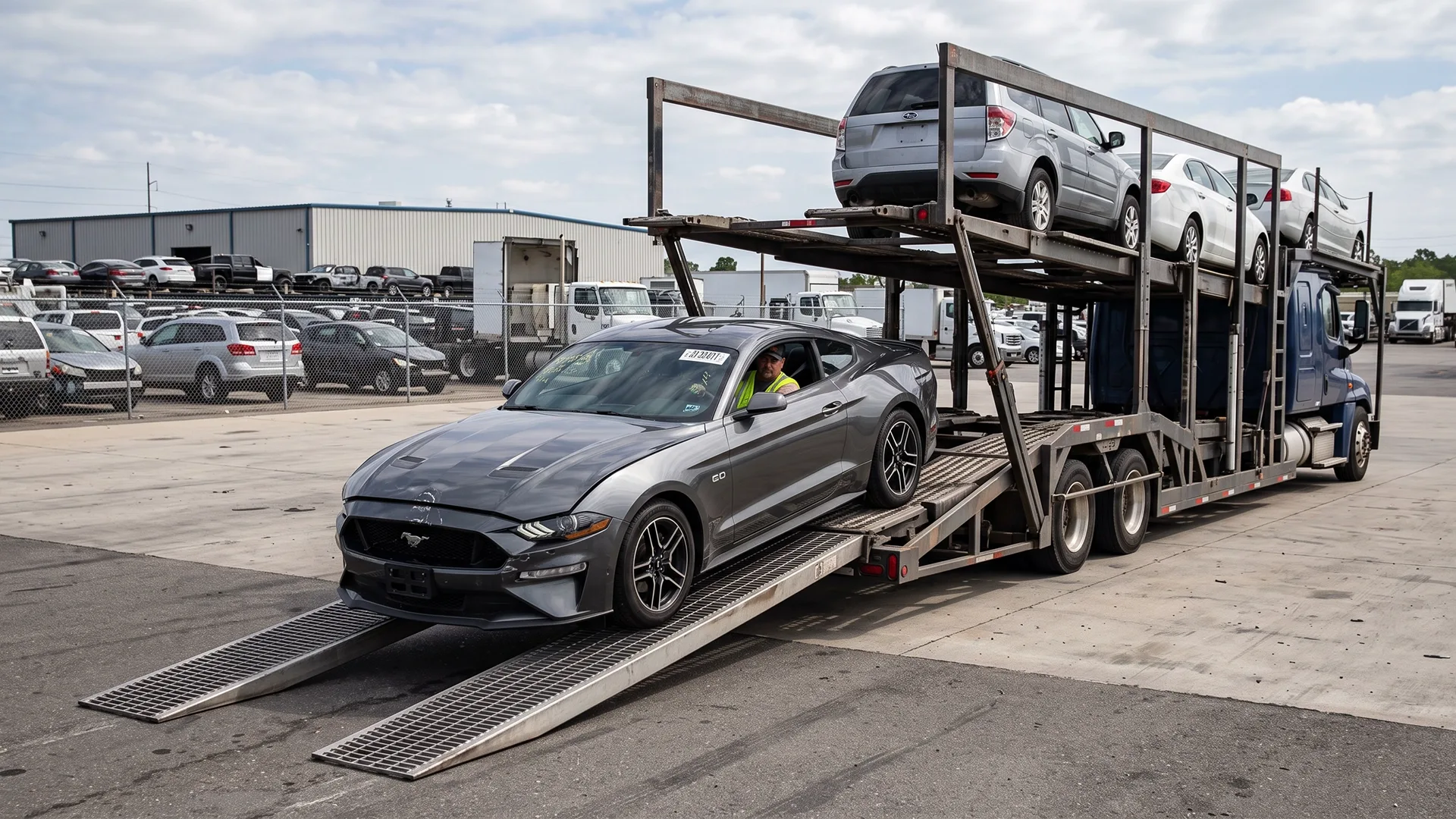
Shipping a Non-Running or Damaged Auction Vehicle
A non-running vehicle may still be transportable, but the carrier needs accurate condition information first.
Nexus can arrange transport for inoperable cars, SUVs, vans and trucks using carriers equipped for non-running vehicles. A winch is commonly used when a vehicle rolls and steers but cannot move under its own power. More severely damaged vehicles may need additional loading help from the auction.
A car that does not start is a different loading problem from one with a broken suspension, missing wheels or locked steering. Accurate information reduces the chance of a failed pickup.
Open or Enclosed Transport for an Auction Purchase
For most ordinary used vehicles, open transport is the sensible choice. It is widely available and generally costs less because the carrier can move several vehicles on the same trailer.
Enclosed transport adds protection from weather and road debris and is worth considering for a valuable classic, exotic or restored vehicle.
For auction vehicles, correct pickup information and loading capability weigh just as much as trailer type.
What Can Delay an Auction Pickup?
Common causes include payment that has not cleared, missing release documents, incorrect lot information, a missed appointment, an off-site storage location or an unexpected problem with the vehicle.
Pay close attention to storage deadlines, as auctions start charging storage fees after a limited number of free days, and the rules can vary by company and location. Verify the deadline when you buy the vehicle.
Your first available pickup date is not a guaranteed truck arrival time because the carrier may be coordinating several stops.
How Much Does Auction Car Shipping Cost?
The price of an auction car shipping service depends on distance, vehicle size and weight, route, time of year and whether you choose open or enclosed transport.
Car condition can have a bigger effect with auction vehicles. A non-running vehicle may require a winch or other equipment, and a badly damaged vehicle can take more time and effort to load. A remote or off-site yard may also be harder for a carrier to serve.
Compare estimates using the same vehicle and pickup information.
Choosing a Transport Company for an Auction Vehicle
A low estimate does not help if the carrier arrives without the paperwork or equipment needed to collect the car. Look for a company that understands auction pickups and asks about release status, lot information, vehicle condition and loading needs.
The Federal Motor Carrier Safety Administration consumer advisory for automobile transporters explains what customers should look for when arranging interstate vehicle shipping.
When comparing the best auto auction car shipping provider for your purchase, pay attention to communication as well as price. Auction pickup problems are easier to solve when someone can quickly coordinate with you, the auction and the assigned carrier.
Get an Estimate Before the Storage Clock Becomes a Problem
Once you know the auction location, delivery ZIP code, vehicle type and likely condition, you can request an estimate. Before booking, confirm the release date and pickup deadline with the auction.
Provide Nexus with the auction address, vehicle information, whether it runs and any special instructions the driver will need. Nexus offers door-to-door car shipping to bring the vehicle from the auction to your home, dealership or another agreed destination, subject to safe carrier access.
If something about the release process is unclear, get in touch before the pickup is scheduled. It is easier to solve a paperwork or loading question before a carrier is already on the way.
FAQs
Can a carrier pick up my auction vehicle if I cannot be present in person?
Usually, yes. Auctions commonly allow an authorized transporter to collect a vehicle for the buyer as long as the auction's release requirements are satisfied. Confirm the required authorization, buyer information or gate-pass procedure. You or another designated adult will still need to accept the vehicle at delivery.
Can multiple vehicles purchased at an auction be transported on the same carrier?
Yes, when the carrier has enough space and the vehicles fit its route and equipment. Nexus can coordinate multi-vehicle shipments for private buyers and dealerships. Provide the lot information and condition of each vehicle so the right trailer and available capacity can be determined.
What should I confirm with the auction before scheduling vehicle pickup?
Confirm that payment has cleared, the vehicle is released, the buyer or lot number is correct, any gate pass or authorization is ready, pickup hours or appointment requirements are known and the keys are available. Also verify whether the vehicle runs, rolls, steers and brakes.
What happens if the vehicle is inoperable or requires special loading equipment at the auction?
Tell the transport company before booking. Nexus can arrange carriers equipped to move non-running vehicles, but the equipment depends on the vehicle's condition. If the car cannot roll, steer or be winched normally, the auction and carrier may need to coordinate additional loading help.
Move Your Auction Purchase Without the Guesswork
Buying at auction can open up a much wider selection of vehicles, but the purchase is not complete until the car is off the lot and headed where you need it. Confirm the release requirements, pickup deadline and vehicle condition first, then arrange transportation around the auction's actual rules.
Use Nexus Auto Transport's Instant Quote to get a shipping estimate and start arranging transport for your auction vehicle.