
When selecting auto transport service to Grand Rapids, Michigan, the first decision most shippers make is whether to use open or enclosed transport. Open carriers dominate the market since they are widely available and cost less. But enclosed transport, which seals your vehicle inside a weather-tight trailer away from road debris, weather, and prying eyes, is the gold standard for vehicles that deserve extra protection. Whether your car is a weekend-only collectible, a high-dollar luxury sedan, or simply a machine you've maintained meticulously, enclosed transport changes the equation.
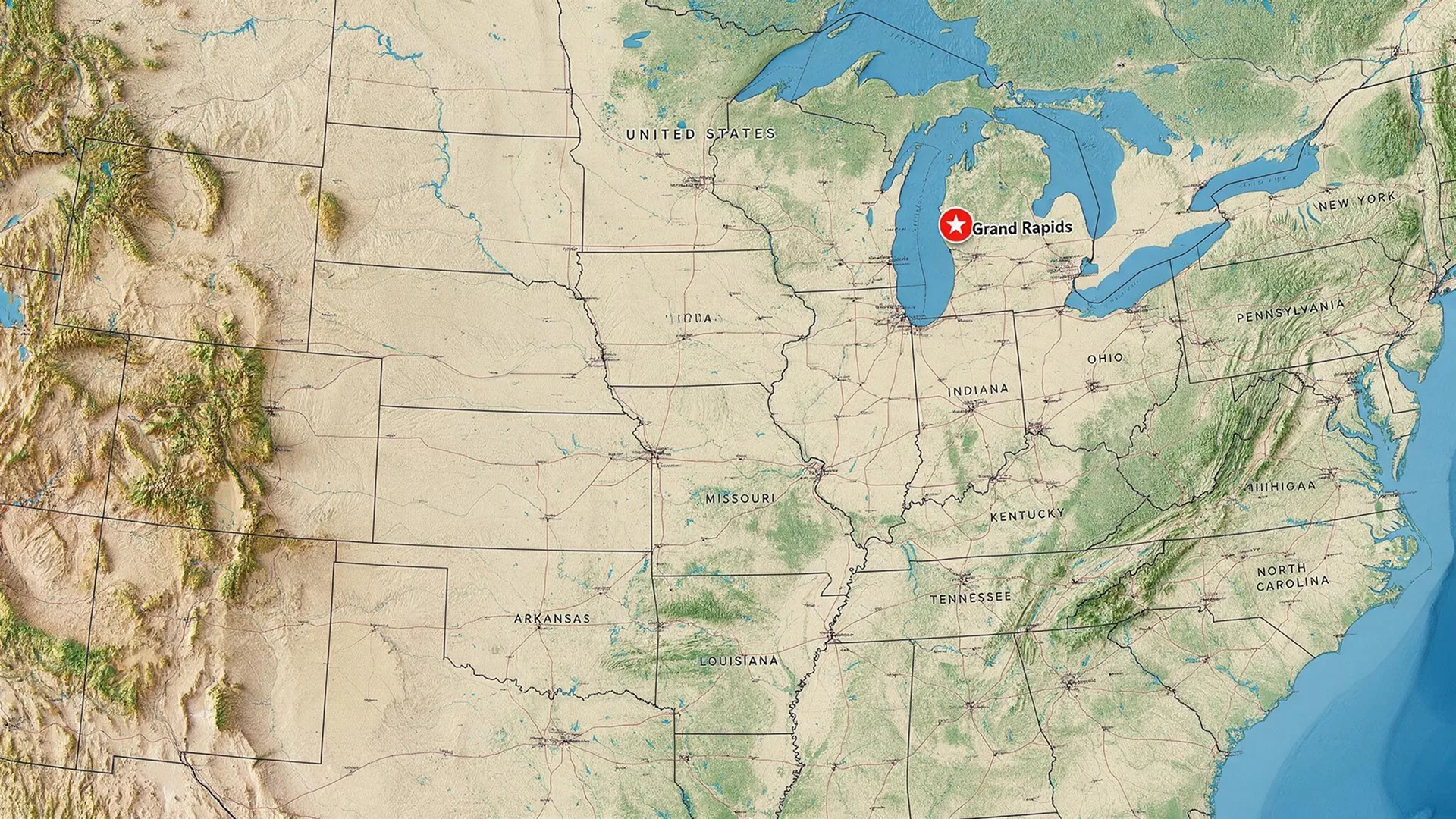
Grand Rapids sits at a natural crossroads for Midwest auto shipping. Interstate 196 connects the city westward to Lake Michigan's shoreline and links back southeast toward Detroit. US-131 runs north-south through the city's core, feeding I-96 heading toward Lansing and beyond. The highway infrastructure means the city sees steady carrier traffic year-round, which generally keeps prices competitive.
However, the enclosed carrier network is always thinner than the open-carrier pool, which can impact your shipment planning.
What Enclosed Transport Protects Against
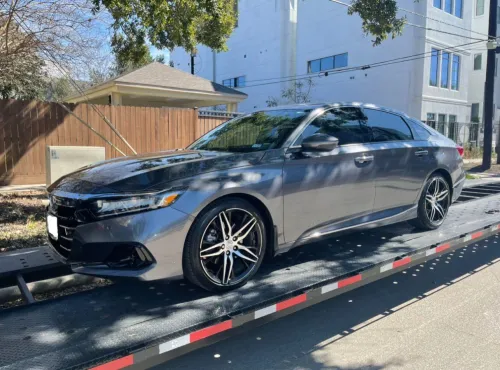
Using an enclosed auto transport in Grand Rapids eliminates most forms of transit exposure, including precipitation, hail, bird droppings, road spray, and flying gravel from other vehicles on the carrier.
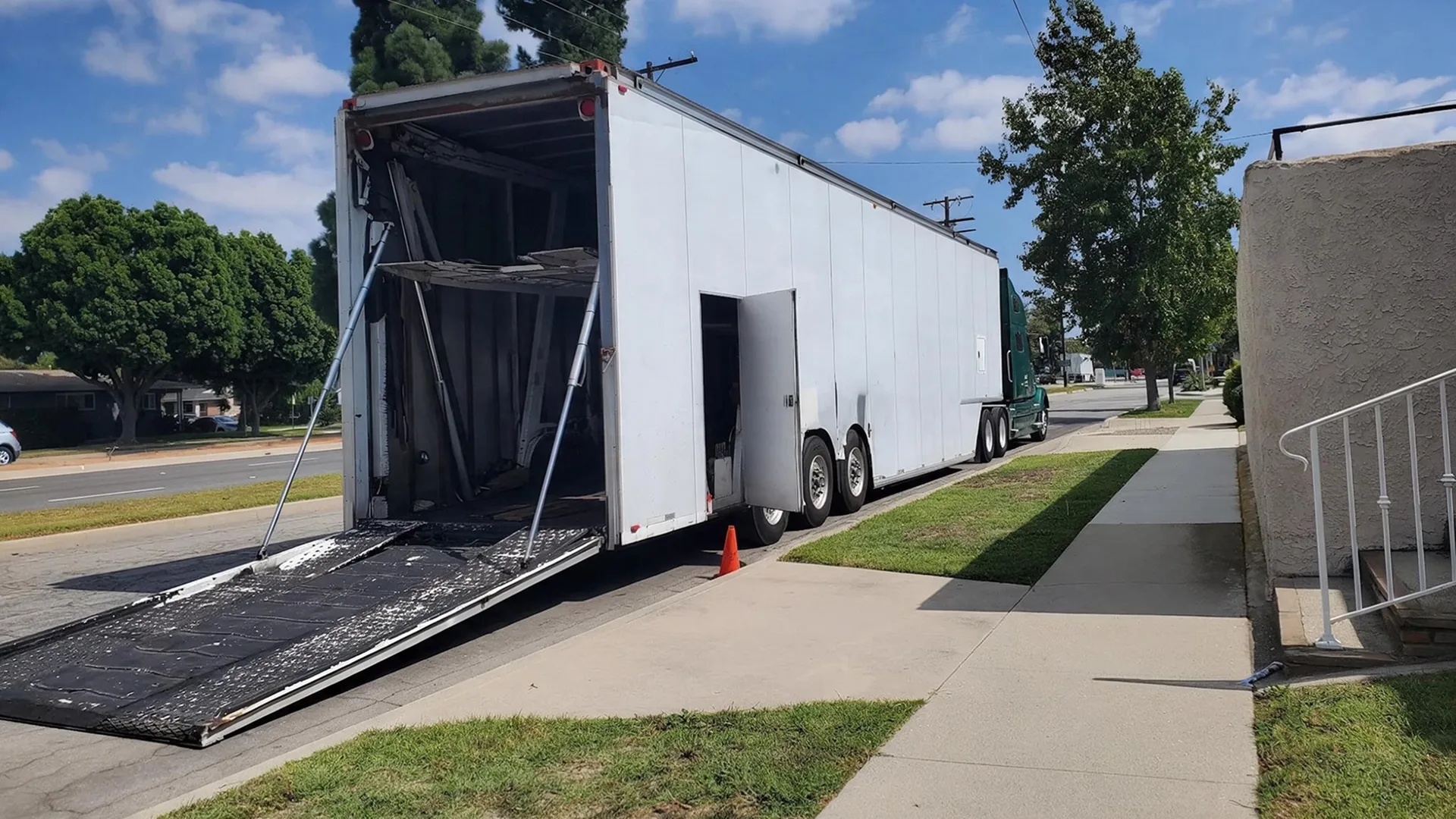
Soft-sided enclosed trailers use heavy canvas or vinyl to seal the load; hard-sided trailers add a rigid aluminum or composite shell that offers superior protection against physical impact. Most premium services to Grand Rapids use hard-sided equipment.
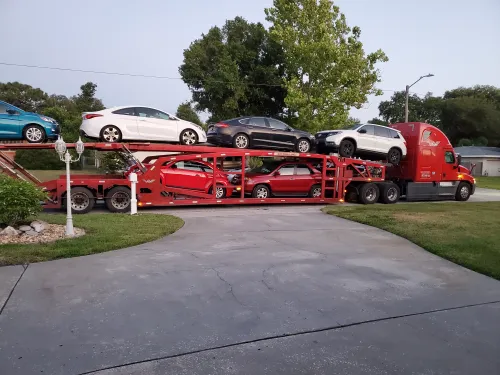
Because enclosed carriers hold fewer vehicles, typically two to six versus the eight to ten a standard open hauler, carriers charge more per slot to cover their costs. Expect enclosed transport to run 30 to 60% higher than open-carrier rates on any given route. That premium is easily justified for the right vehicle, especially when shipping to or from some locations.
Vehicle Transport to and from Grand Rapids
Auto owners should consider using vehicle transport Grand Rapids more so than many other cities, and for several reasons.
Weather
Grand Rapids averages 75 to 80 inches of snow annually, placing it solidly in Lake Michigan's lake-effect snow belt. Besides the potential for accidents, winter roads can often be slushy, with melting snow mixed with the salt or brine on Michigan roads, leading to vehicles on the open carriers becoming coated in road spray. A car shipping from Florida in February may start its trip in sunshine. Still, the final hundred miles into Grand Rapids can douse the undercarriage and lower panels in corrosive brine.
AAA issued a specific warning in early 2026 about hidden vehicle damage from Michigan road salt, noting that spray from treated roads penetrates wheel wells, brake components, and undercarriage coatings in ways that owners often don't detect until significant rust has set in.
For a classic, collectible, or meticulously maintained vehicle, that final-leg exposure alone makes enclosed transport worth considering even if it wouldn't warrant the premium from a southern destination.
Grand Rapid’s Car Collector Community
Fed by proximity to major Midwest auto shows and manufacturing heritage, there is a market of local owners who lean toward enclosed transport by default.
So, while an open carrier makes sense for a standard vehicle relocating to or from Grand Rapids, for classic cars and others the owner wants to preserve, Michigan’s winter or spring conditions tip the cost-benefit calculation meaningfully toward enclosed carrier use.
Shipping Under 500 Miles to Grand Rapids
Located on the western side of Michigan, Grand Rapids is close to major regional hubs and their freight and auto transport traffic:
Detroit (150 miles)
Chicago (160 miles)
Indianapolis (170 miles)
Cleveland (250 miles)
Because carriers must cover fuel and driver costs over a short run, and the time to load and unload vehicles accounts for a higher percentage of the total time on shorter routes, the per-mile rate is high. Expect to pay about $500 to $950 for an enclosed single-car transport traveling under 500 miles to Grand Rapids.
Availability can be tighter than on longer corridors. Enclosed carriers that service these regional lanes often run them as partial fills on a larger circuit so that dispatch timing can vary. If you're flexible on the pickup window by two to three days, you'll generally find competitive pricing for enclosed auto transport Grand Rapids without needing to pay a rush premium.
Also, regional moves of under 500 miles generally have faster delivery windows (often 24 to 72 hours after pickup).
Shipping 500 to 1,500 Miles to Grand Rapids
This middle tier covers the most common long-distance enclosed transport scenarios into Grand Rapids, including moves from:
Tennessee or Georgia (700 to 900 miles)
The Northeast (800–1,100 miles)
The Carolinas (900 to 1,000 miles)
Florida’s Gulf Coast (roughly 1,200 to 1,350 miles)
Texas (1,200–1,400 miles)
Each is a high-volume corridor in the U.S. auto transport market, and shippers benefit from stronger carrier density in both directions.
Pricing in this range typically runs $950 to $1,600 for enclosed service, though the sweet spot for most quotes comes in between $1,100 and $1,400. The corridor from Florida to Michigan is especially active with snowbirds shipping vehicles north in spring and south in fall, creating seasonal demand that can increase prices by 10 to 20%. Booking four to six weeks ahead during those windows will protect your pricing.
Transit times in this distance band typically run three to seven days from pickup to delivery, with most transfers landing on the shorter end. Grand Rapids' excellent highway access means final-mile delivery is rarely complicated; carriers can generally reach most neighborhoods and suburbs without special routing.
Shipping More Than 1,500 Miles to Grand Rapids
The longest tier, shipping from the Pacific Coast, the Mountain West, or the Pacific Northwest, involves the most logistical coordination and the highest cost. Distances include:
Phoenix (1,750 miles)
Los Angeles (2,100 miles)
Seattle (2,300 miles)
These hauls require the most careful carrier vetting, since your vehicle will spend five to ten days in transit. Enclosed transport for moves of 1,500 miles or more to Grand Rapids ranges from $1,500 to $2,800, with most cross-country quotes clustering between $1,700 and $2,300. West Coast–to–Midwest lanes see strong carrier activity, particularly on southern routing through I-40 or northern routing through I-90, both of which converge toward Grand Rapids with reasonable efficiency.
At this distance, insurance coverage becomes especially important. Confirm the carrier's cargo insurance limit before booking. Standard coverage for enclosed transport typically ranges from $100,000 to $500,000 per load, but specialty haulers of exotic and collector vehicles often carry higher limits.
If your vehicle's value approaches or exceeds the carrier's limit, supplemental insurance is worth arranging through your personal auto insurer or a specialty provider before the vehicle leaves your hands.
Booking Enclosed Auto Transport to Grand Rapids
Regardless of distance, a few principles hold across all three tiers for enclosed auto transport Grand Rapids.
Get at least three quotes from licensed, FMCSA-registered carriers or brokers
Verify that the transporter carries adequate cargo insurance and review their FMCSA safety rating
Conduct a thorough vehicle condition inspection before pickup, document everything with time-stamped images or video
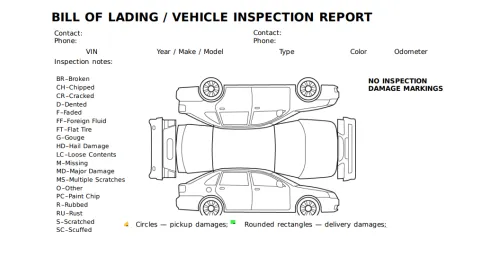
Obtain the signed Bill of Lading that accurately reflects the car's pre-transport condition
Grand Rapids is a highly serviced auto transport market, so you should find enclosed carrier availability without significant difficulty. The city's steady industrial economy and proximity to major Midwest corridors mean carriers pass through regularly, keeping your options open year-round.
For vehicles that have earned careful treatment, auto transport services Grand Rapids, MI, is the only shipment method worth booking.
Vehicle Transport and Grand Rapids
Enclosed auto transport in Grand Rapids can help protect your car from the elements and road debris when shipping it regionally or across the country. Door-to-door auto transport in Grand Rapids is a safe and convenient shipping method.
At Nexus Auto Transport, we're ready to help ship your car in or out of Grand Rapids. Since we've earned a reputation for putting our customers first, get in touch with us to learn more about auto transportation and get a free quote today!
Instant Quote: https://nexusautotransport.com/car-shipping-calculator/
Estimated Auto Transport Costs and Timelines to Grand Rapids
Distance Category | Estimated Transit Time | Open Transport Base Rate | Enclosed Transport Base Rate |
Short (< 500 Miles) | 1–3 days | $300 to $600 | $500 to $950 |
Middle (500 - 1,500 Miles) | 3–7 days | $600 to $1,100 | $950 to $1,600 |
Cross-Country (Over 1,500 Miles) | 5–10 days | $1,000 to $1,800 | $1,500 to $2,800 |
FAQS
Can I pack personal belongings in my vehicle during transport?
The car carrier's transport insurance generally does not cover personal belongings left in the vehicle. Most auto transporters require you to remove personal items from your vehicle for insurance purposes and to minimize weight.
How will I be updated on my car's location during the trip?
The top auto transport companies consistently update customers on the status of their vehicles through email, text, and their customer support centers. Generally, the complications and requirements of interstate shipping do not allow real-time tracking. For example, it is illegal for drivers to use their phones while their vehicles are moving.
Be sure to confirm with your car shipping company in advance how they will keep you informed of your car's status.
Am I required to pay the total shipping cost upfront?
No, though you can. Generally, you pay the broker's initial deposit with a credit card, with the remainder paid to the driver at delivery. Note, however, that drivers only accept guaranteed funds, such as cash, cashier's checks, certified checks, or money orders. Credit cards and personal checks are generally not accepted.
For customer convenience, brokers like Nexus Auto Transport allow customers to pay the entire transaction upfront by credit card, which customers value because they do not want the hassle of obtaining guaranteed funds.
What specific steps must I take to prepare my car for pickup?
Key steps to prepare your car for transport include:
Washing your car to make pre-existing damage more visible at inspection
Documenting pre-existing damage with photos
Removing personal items (most carriers prohibit or won't insure them)
Leaving the fuel tank at one-quarter full (enough to load/unload, while not adding extra weight)
Disabling toll tags and parking passes to avoid inadvertent charges
Retracting or removing antennas, spoilers, or similar items
Checking for fluid leaks (carriers can refuse leaking vehicles)
Ensuring the vehicle battery is charged
For a standard domestic shipment, you will also need:
Government-issued photo ID, such as a driver's license
Vehicle title/registration
Proof of insurance
Bill of Lading, which the carrier generates at pickup.
If someone else will sign on your behalf at pickup or delivery, carriers often require a notarized authorization letter.
Is there an out-of-pocket deductible if a damage claim is filed?
In most instances, your personal car insurance does not cover the vehicle while in transit, so your deductible becomes a non-issue, and you do not face a deductible when making a claim against the carrier’s cargo insurance.
Some personal policies for classic vehicles and supplemental insurance policies include deductibles, but otherwise you should not expect to pay a deductible when making a claim.
What is the cancellation policy if my relocation plans change?
Before the broker assigns a carrier, cancellations are normally penalty-free. After the carrier is assigned and before the vehicle pickup, canceling often carries a $200 to $500 price tag.
Brokers are more flexible with cancellations than when booking with a carrier directly.