
Moving across the country is exciting, but it also comes with a long checklist, housing, paperwork, packing, travel plans, and the stress of getting everything to the new location safely.
One of the biggest questions people face during a long-distance relocation is what to do with their vehicle. Driving it yourself may sound simple at first, but once you factor in time, wear and tear, hotels, fuel, and the risk of breakdowns, it’s often not the easiest option.
That’s where professional auto transport comes in. Cross-country shipping is designed to move your car safely from one state to another while saving you time and reducing stress during your move. Below is a complete breakdown of how the process works, what to expect at each stage, and how to make sure your shipment goes smoothly.
What Auto Transport Really Means During a Cross-Country Move
Auto transport is a service where a professional carrier picks up your vehicle and delivers it to your destination using a specialized truck and trailer system. It’s commonly used for cross-country relocations, job transfers, military moves, college transitions, seasonal relocations, and even online vehicle purchases.
When you book with a trusted auto transportation company like Nexus Auto Transport, the goal is to make the process straightforward: you schedule the shipment, prepare your vehicle, and the driver handles the long haul while you focus on the rest of your move.
Most cross-country shipments follow a similar structure, but the timing, pricing, and pickup method can vary depending on your location, season, and vehicle type.
Step-by-Step: How Cross-Country Auto Transport Works
Step 1: Get a Quote and Choose the Right Shipping Plan
The process begins with requesting a quote based on your route, vehicle, timeframe, and transport type. This is where you’ll decide what kind of service you need and how flexible you can be with scheduling.
Cross-country routes are some of the most common lanes in the industry, which usually means there are plenty of carrier options available. However, if you're moving to or from a rural area, you may need additional time for scheduling or may need to meet the driver in a nearby city for easier access.
This is also the stage where many customers realize that cross country car shipping is not priced the same way year-round. Availability, demand, and even weather patterns can shift the market dramatically.
Step 2: Schedule Pickup (Door-to-Door or Nearby Meeting Point)
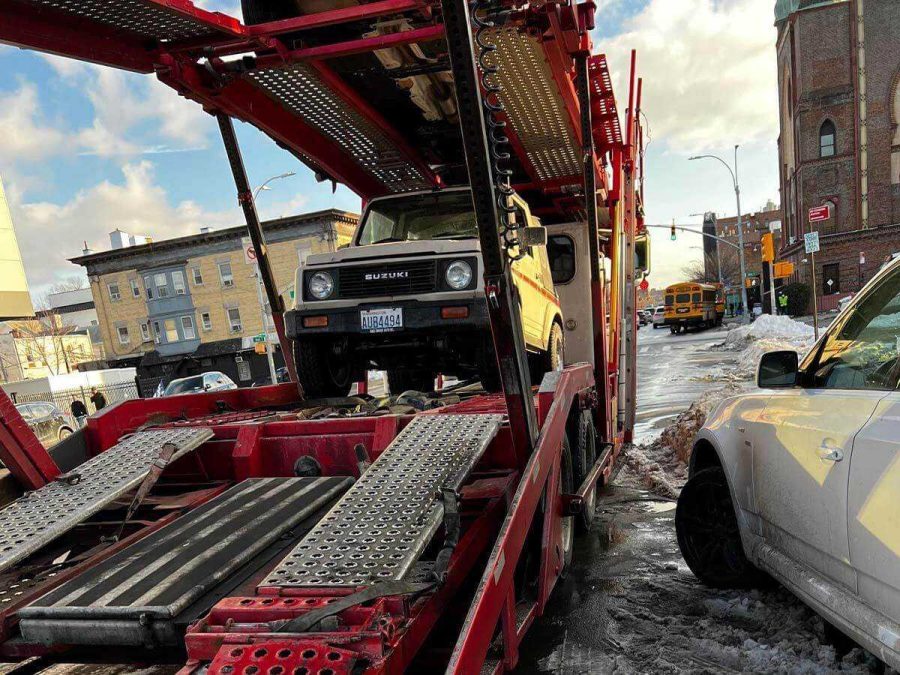
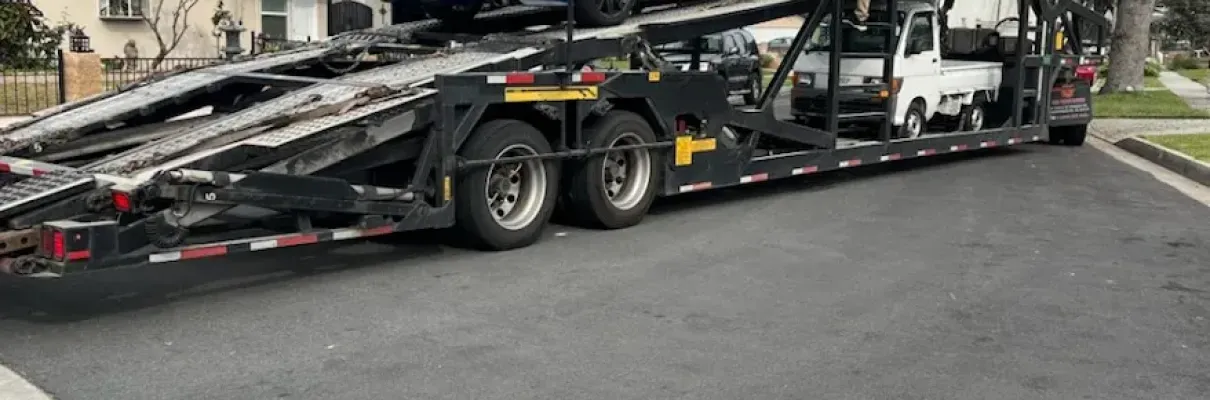
Once you book, your vehicle is scheduled for pickup. Most customers choose door-to-door transport because it’s the most convenient option. That said, some residential streets, apartment complexes, or downtown areas may not allow large carriers.
If that happens, the driver will coordinate with you to meet at a nearby open location such as a wide parking lot, shopping center, or public access road.
At this stage, people who are relocating often ask whether they can ship a car to another state while they fly ahead or drive a moving truck separately. The answer is yes, and this is actually one of the most common reasons people use professional transport.
Step 3: Vehicle Inspection and Bill of Lading
When the carrier arrives, they will inspect your vehicle and document its condition. This includes checking for existing scratches, dents, chips, or cosmetic wear. That inspection is recorded on a document called the Bill of Lading.
This document is important because it protects both you and the carrier. It confirms the vehicle’s condition at pickup and will be used again during delivery to verify everything matches.
It’s also a great idea to take a few photos of your car before pickup, especially if your vehicle is being shipped long-distance.
Step 4: Your Vehicle Goes In Transit
After inspection, the driver loads your car and begins transport. Depending on the distance, route, and number of stops, cross-country shipments typically take several days to just over a week.
During this phase, your vehicle is moved along established carrier routes that may include multiple pickups and deliveries. This is normal in the industry and is part of how carriers keep pricing competitive.
Many customers ask whether they can track a vehicle In transit, and while tracking capabilities vary by carrier, Nexus Auto Transport provides shipment updates and support so you always know where things stand and what the next step is.
Step 5: Delivery and Final Inspection
Once the vehicle arrives, the driver performs another inspection with you. You’ll compare the condition of the car against the Bill of Lading and confirm everything looks good.
If there are any changes in condition, they must be documented immediately at delivery. However, damage during transport is rare, especially when you book through a company that carefully vets carriers and prioritizes safe handling.
Once the inspection is complete, you’ll sign the final paperwork and your vehicle is officially delivered.
Choosing Between Open vs. Enclosed Transport
One of the most important decisions in cross-country auto transport is selecting the right carrier type. Both options are reliable, but they serve different needs depending on the vehicle and your priorities.
Open Transport: The Most Common Option
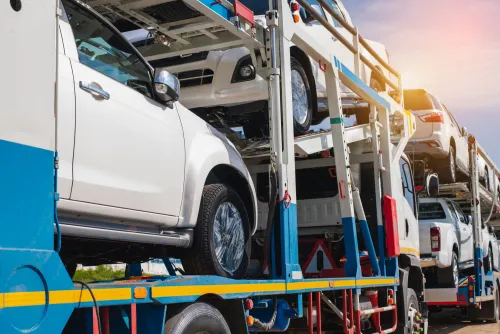
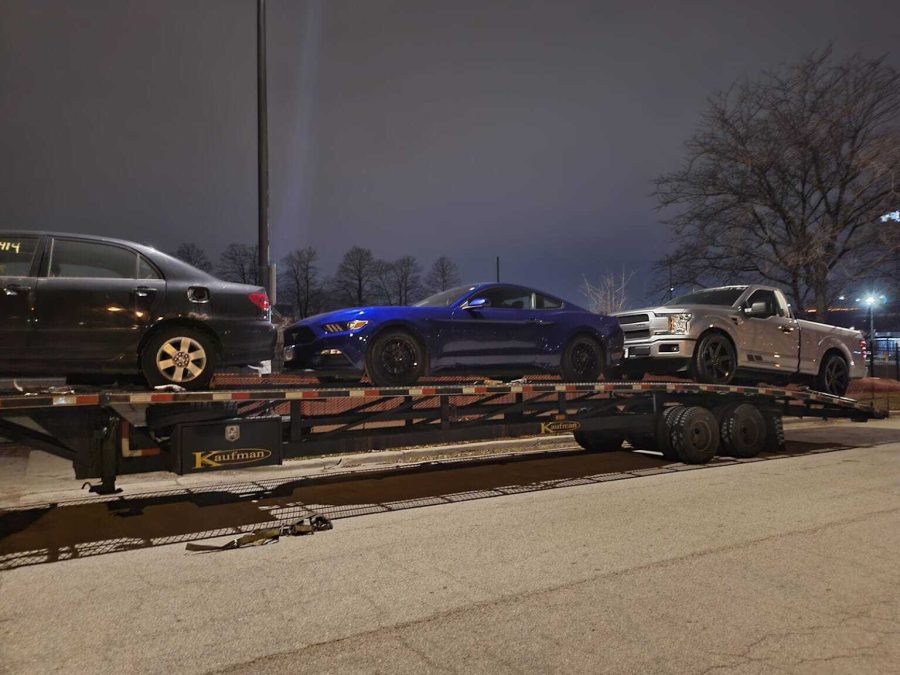
Open transport is the standard method used across the industry. Vehicles are shipped on an open trailer, similar to the ones you see delivering cars to dealerships.
For most customers, open auto transport services are the best balance of affordability and reliability. They’re widely available, generally faster to schedule, and ideal for standard sedans, SUVs, and everyday vehicles.
Enclosed Transport: Maximum Protection
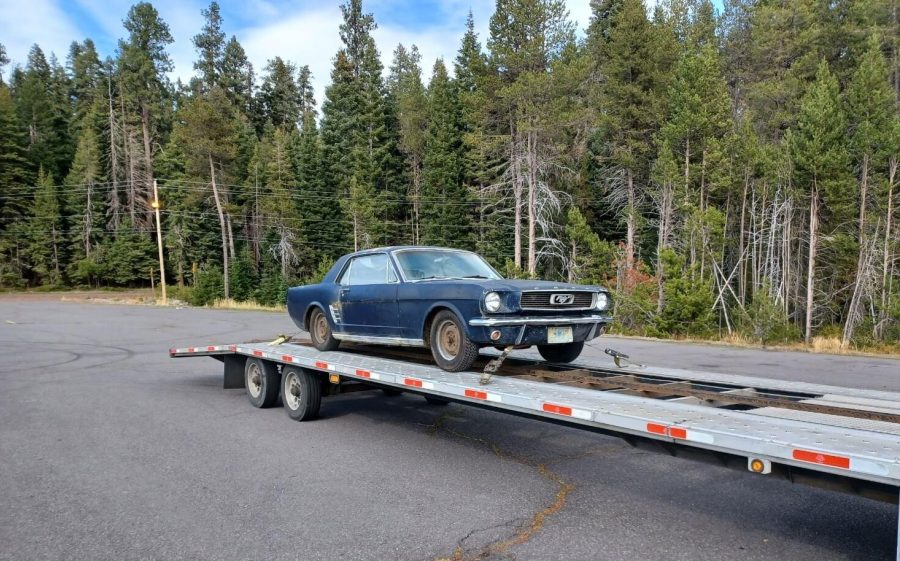
Enclosed transport uses a fully covered trailer, offering protection from road debris, weather, and dust. This option is typically recommended for high-value vehicles, rare models, collector cars, and luxury vehicles.
Many Nexus customers choose enclosed auto transport services when they’re moving a vehicle they want to protect as much as possible, especially across long distances where conditions can vary dramatically.
How Pricing Works for Cross-Country Car Shipping
Pricing for auto transport is based on supply, demand, distance, and logistics, not just mileage. Two people shipping similar vehicles the same distance can sometimes receive different quotes depending on timing, pickup location, and route availability.
Here are the biggest factors that influence your final price:
Distance and Route Popularity
Longer routes typically cost more overall, but less per mile. Highly traveled lanes (like major city-to-city routes) often have better pricing because carriers are already running those lanes regularly.
Vehicle Size and Weight
Larger vehicles take up more space and add weight, which affects fuel usage and capacity.
Pickup and Delivery Locations
Shipping between major cities is usually easier and cheaper. Remote or rural locations may require extra coordination.
Time of Year
Summer and early fall are the busiest seasons. Prices can rise due to demand.
Fuel Market Conditions
One of the most overlooked factors is that fuel prices affect auto transport more than most people realize. Carriers adjust rates based on diesel costs because fuel is one of their largest operating expenses, especially for long-distance routes.
Auto Transport vs. Driving Yourself: Which Is Better?
A common question during relocation planning is whether it’s better to ship your car or drive it.
Driving may seem cheaper at first, but it often adds hidden costs and stress. You have to consider:
Hotels and meals
Gas
Time off work
Mileage and wear
Tire damage and maintenance
Risk of breakdowns or accidents
If you’re already managing a move, professional shipping can remove one major burden from your plate. For many customers, it becomes the simplest way to control their overall moving cost without adding extra fatigue and risk.
Is Long-Distance Towing the Same as Auto Transport?
Not exactly. Towing is typically used for disabled vehicles, short emergency moves, or breakdown recovery. Auto transport is a planned shipping service designed for long-haul delivery.
That said, some people confuse shipping with long distance vehicle towing, especially when they’re relocating. The key difference is that auto transport is safer for the vehicle, far more cost-effective over long distances, and specifically designed for multi-state moves.
Tips to Make Your Cross-Country Shipment Smooth
A successful transport experience usually comes down to preparation and communication. Before pickup, it’s best to:
Clean the car so existing marks are visible
Remove personal items from inside the vehicle
Keep the gas tank around 1/4 full
Disable alarms and provide spare keys if needed
Confirm pickup access for large trucks
The more prepared you are, the faster and smoother the process will be.
Why Auto Transport Makes Cross-Country Moves Easier
A cross-country move is already a major life event. Auto transport takes one complicated part of that transition and turns it into a structured, manageable process. With the right provider, you’ll know what to expect from booking to delivery, and you’ll avoid unnecessary wear on your vehicle and yourself.
At Nexus Auto Transport, we specialize in making cross-country shipping clear, dependable, and stress-free, so you can focus on settling into your new home while your vehicle arrives safely behind the scenes.
FAQs About Cross-Country Auto Transport
How far in advance should I book my cross-country car shipment?
Ideally, you should book 1–2 weeks ahead of your move. During peak season, earlier is better. Booking in advance gives you more carrier options and can improve scheduling flexibility.
How long does cross-country auto transport take?
Most cross-country shipments take between 5 and 10 days once the vehicle is picked up. The exact timeline depends on the route, weather, traffic, and how many scheduled stops are on the carrier’s load.
Can I ship my car if I’m not going to be present at pickup or delivery?
Yes. You can assign someone else to release or receive the vehicle as long as they’re available for inspection and signing paperwork.
Is my vehicle insured during transport?
Yes. Professional carriers are required to carry cargo insurance, and Nexus Auto Transport works with carriers that meet proper licensing and insurance requirements.
Can I put personal items inside my vehicle during shipping?
Most carriers discourage it, and personal items are typically not covered by insurance. If you absolutely must leave something inside, it’s best to keep it minimal and discuss it in advance.
What happens if the truck can’t access my street?
This is common in neighborhoods with tight roads, low trees, or restrictions. The driver will coordinate a nearby meeting location, usually just a few minutes away.
Is open transport safe for a cross-country move?
Yes. Open transport is the industry standard and is used for the majority of vehicles shipped nationwide. For everyday cars, it’s reliable and cost-effective.
When should I choose enclosed transport?
Enclosed transport is recommended for luxury vehicles, classics, collector cars, and anything you want to protect from road exposure during long-distance shipping.