
The wholesale car business is a vital component of the American automotive market, despite being largely invisible to private car buyers. However, it is responsible for auctioning 7 to 8 million vehicles annually among manufacturers, fleet operators, insurance companies, rental firms, and dealers.
Understanding the wholesale market requires us to distinguish wholesale auctions from wholesale dealers. Both operate in the B2B lane, and while the public may not know what an auto wholesaler is, both play roles in how a car moves from one owner to the next.
What Is a Wholesale Vehicle and the Wholesale Car Market?
The wholesale car market involves the sale and purchase of vehicles by licensed industry participants, not private owners. It helps vehicles flow from one position in the system to another. For example, when consumers trade in a car at a dealership, the dealer often does not sell that car to another customer.
Often, trade-in vehicles have high mileage, are old, or do not fit the mix of makes and models the dealer can easily sell. Instead of letting the vehicle sit on the lot, the dealer puts it into the wholesale channel.
Likewise, vehicles coming off lease get returned to automakers and financial institutions, rental agencies retire vehicles in their fleet, and lenders reclaim repossessed cars. Those vehicles need new homes, and the wholesale pipeline is the method that distributes them to dealers across the country.
Car Wholesaling Auctions
Wholesale auctions are physical or digital venues where vehicles are sold to dealers. Access is restricted to those with dealer licenses, which keeps consumers from participating in the process. Prices at dealer-only auctions commonly run 20% or more below the retail price.
For physical wholesale auctions, potential buyers review and bid on vehicles in person as they progress along lanes like a car wash. The highest bidder at the close of each auction wins the car. Vehicles are assessed by condition, mileage, and history before they are offered for sale. Industry databases such as Kelley Blue Book and Edmunds help buyers value the vehicles.
Virtual auctions also involve competitive bidding during timed auctions, though some vehicles are sold using Buy It Now bids. Virtual auctions eliminate the need for dealer personnel to leave the store and travel to the auction site. They offer remote bidding in real time, condition reports with high-resolution images, and mobile apps so buyers can bid on vehicles from anywhere in the country.
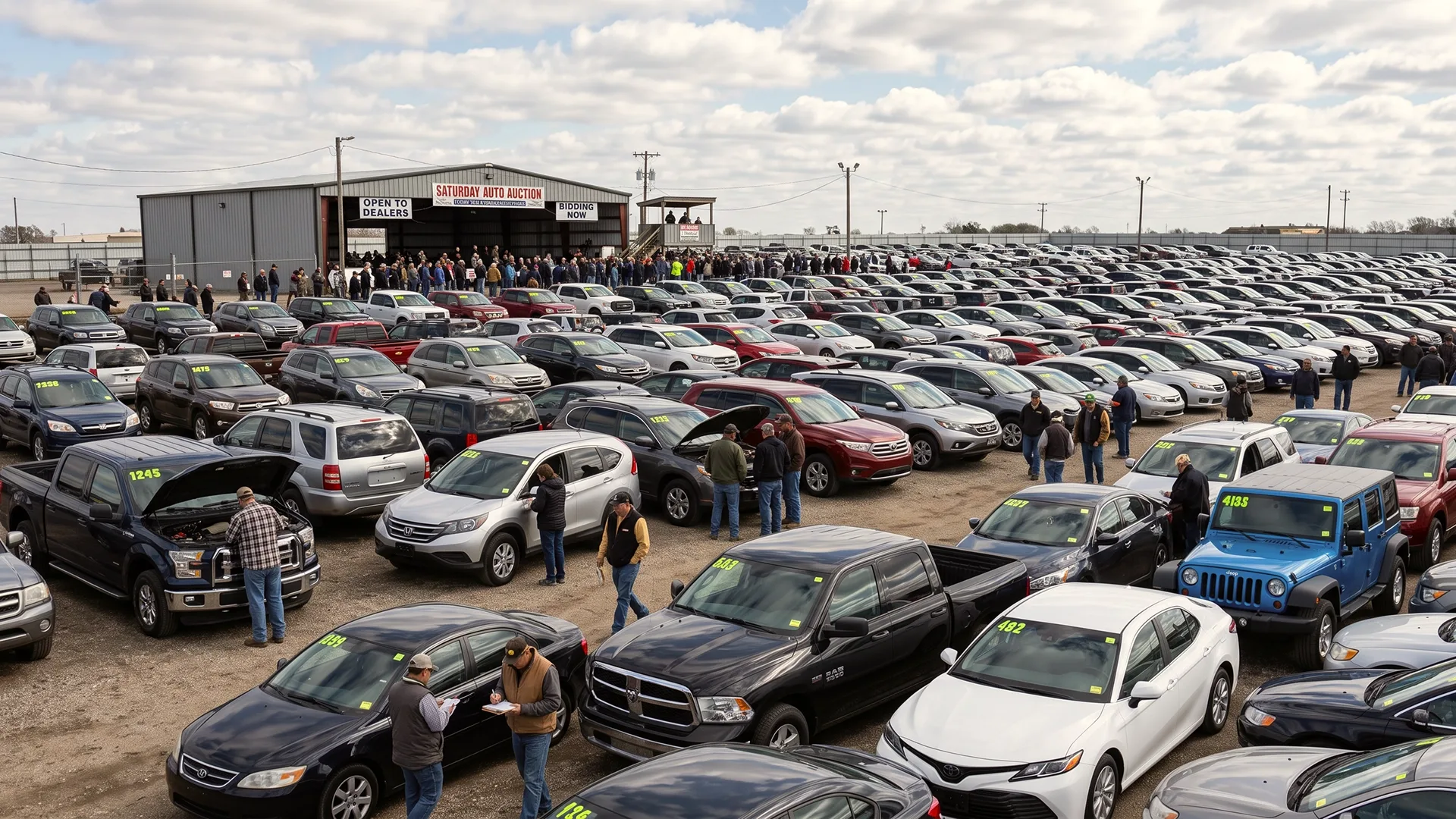
Top Car Wholesaling Auctions
Several platforms dominate niches within the wholesale auction landscape.
- Manheim is the industry leader, operating more than 100 locations across the United States and handling approximately 5 million vehicles per year. It offers both in-person lane sales and online bidding.
- ADESA has more than 75 locations across North America and specializes in dealer trade-ins and off-lease fleet vehicles. ADESA also bundles financing and transportation services, making it a full-service hub for dealers.
- OPENLANE is a top competitor through its digital-only auctions.
- Copart, with more than 200 locations worldwide, dominates the salvage and insurance-total segment. It works entirely online and offers detailed condition reports and images for vehicles that insurers totaled or declared a total loss. Buyers at Copart auctions tend to be rebuilders, dismantlers, and export buyers.
- IAA (Insurance Auto Auctions) has more than 170 U.S. locations and specializes in repossessed and insurance-claim vehicles.
For the collector and specialty vehicle segments, Mecum Auctions is the largest collector-car auction house in the world by volume. At the same time, Barrett-Jackson, which holds flagship events in Scottsdale, Palm Beach, and Las Vegas, handles rare, custom, and celebrity-owned vehicles, some drawing national television audiences.
What is an Auto Wholesale Dealer?
Wholesale dealers occupy a distinct role in the industry. Typically, they buy vehicles from auctions and sell them to other dealers, or other auctions. Often, wholesale dealers sell to independent used car dealers who cannot justify attending physical auctions themselves. Instead, used car dealers arrange with a wholesale dealer to buy several cars for them to put on their lot and resell. New car dealers sometimes sell cars to wholesale dealers rather than sending them to auction.
Regardless of where they acquire their cars, they often become a car wholesaler by specializing, gaining a deep understanding of certain brands or vehicle types, and monitoring which of their contacts needs vehicles within that niche.
A wholesale dealer's license generally does not require owning a physical lot. Also, the licensing process is less stringent and less costly than a retail dealer license. While wholesale auctions generate revenue through fees, entry charges, and ancillary services, wholesale dealers make money by buying vehicles at auction and quickly selling them to someone else at a profit. Under this model, wholesale dealers seldom take possession of the vehicles they buy.
Shipping Vehicles from Auction
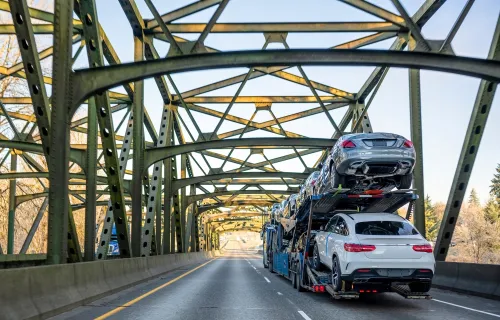
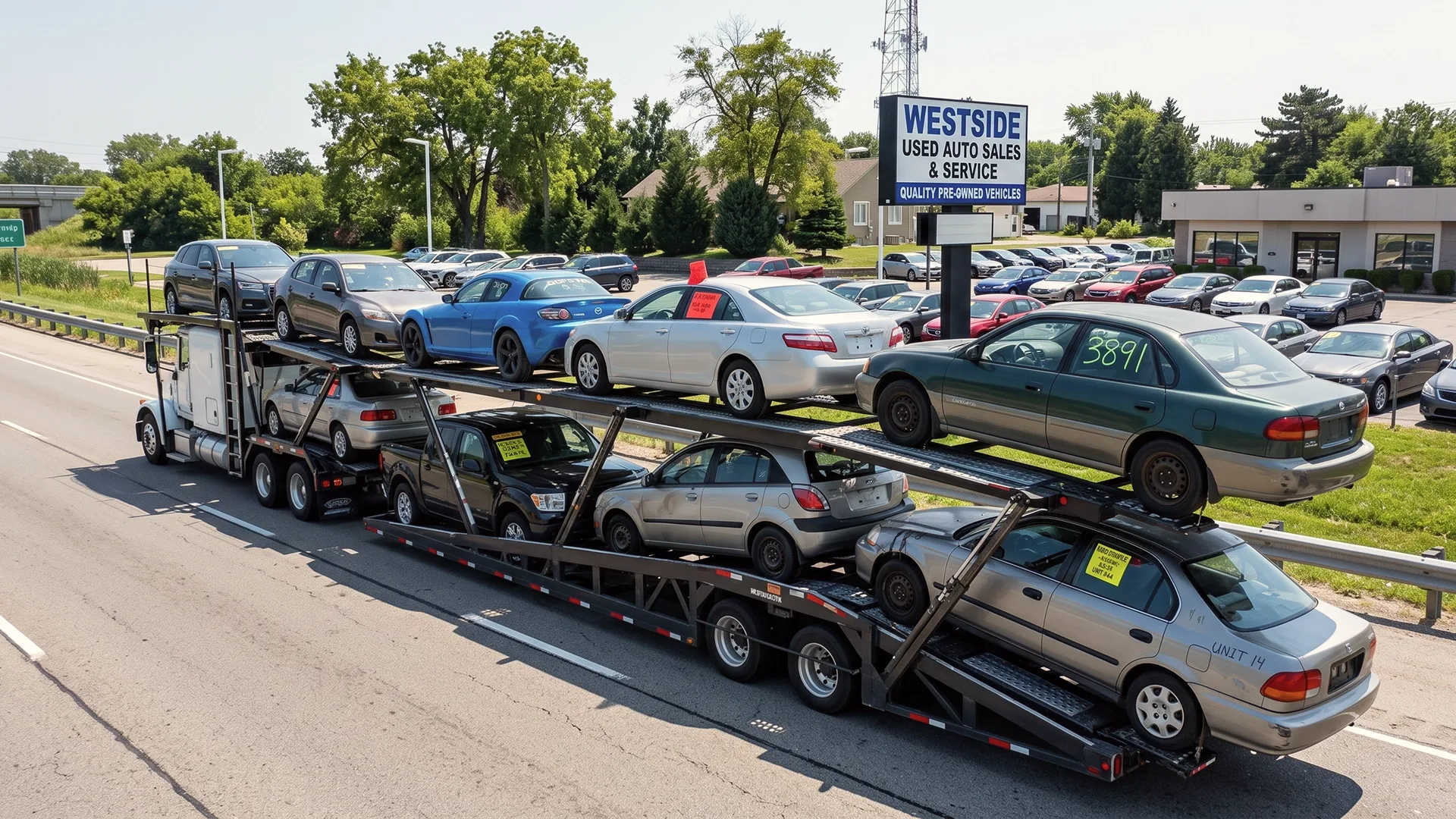
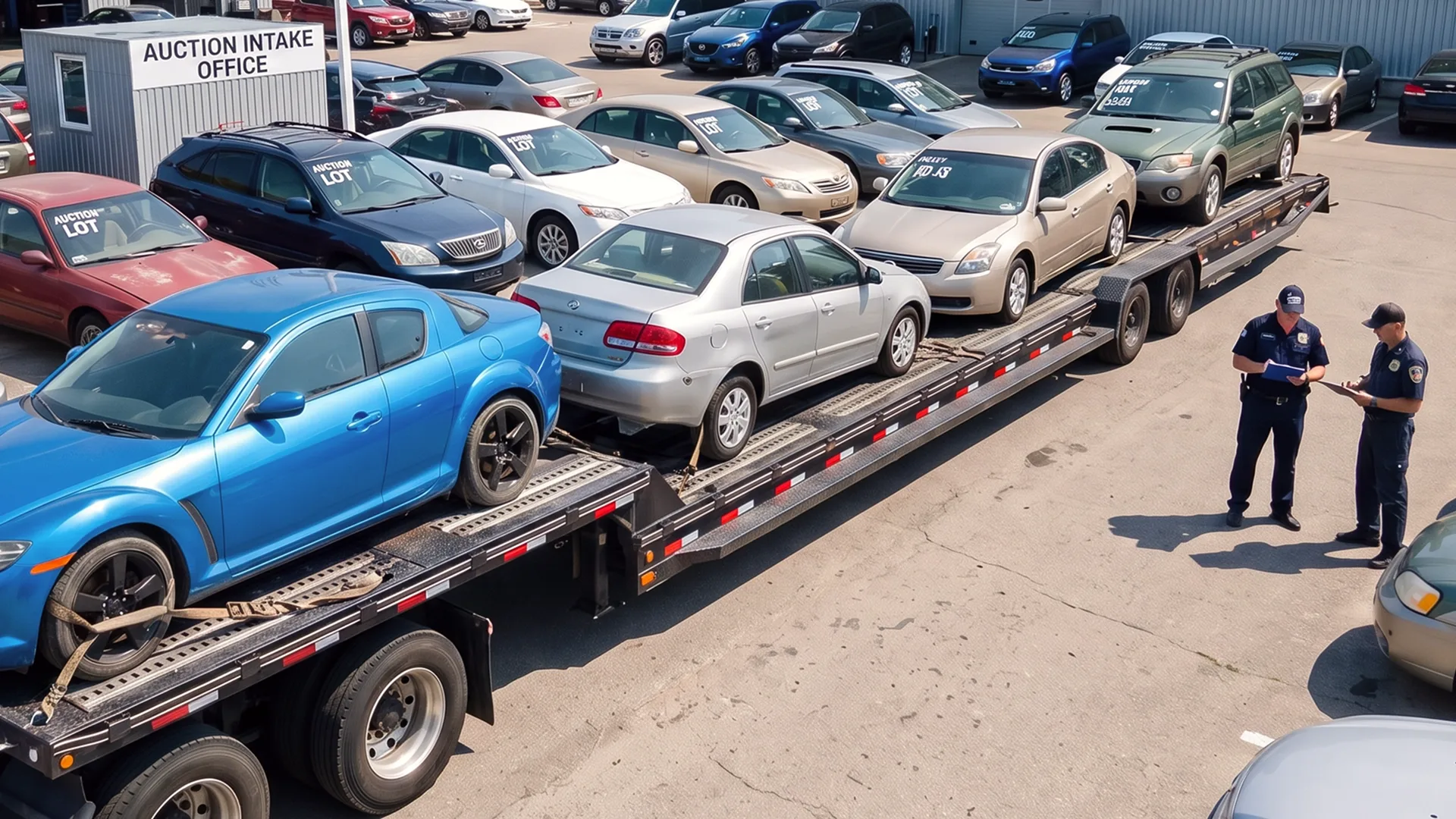
Regardless of who buys an auction vehicle, the vehicle needs to be shipped from the seller to the buyer. Although some auctions operate in-house auto transport services, most vehicles sold at auction move through automotive transport services chosen by the buyer.
The price to ship a vehicle from an auction to the end dealer depends on the:
- Vehicle size and weight
- Distance from origin to destination
- Use of open transport or enclosed transport
Since vehicles sold at auction are nearly all used vehicles, they are generally moved on an open carrier. Still, higher-end luxury vehicles, antiques, and vintage cars may warrant the protection offered by an enclosed carrier.
Why It Matters
The wholesale car business sets the floor price for the used-car market. The prices vehicles command at Manheim and ADESA drive the price dealers pay for your trade-in, and the price used cars sell for at retail.
As digital platforms expand access and transparency, the wholesale market may become more efficient, allowing for lower prices for used cars throughout the automotive market.
Help With Auto Transport
An auto wholesaler buys used or new vehicles from auctions and car dealerships. They then sell these vehicles to other auto dealerships for a profit. Working with an auto transport company can help you ship your cars to and from buyers and sellers conveniently and safely.
Whether you are a dealer or a consumer, Nexus Auto Transport can help you ship cars to or from your location. We are passionate about delivering quality and punctual service across the U.S.
Request a car shipping quote today! https://nexusautotransport.com/
Estimated Wholesale Auto Shipping Costs
Distance Range |
Open Carrier Estimate |
Enclosed Carrier Estimate |
Recommended Delivery Type |
|---|---|---|---|
Local (<500 Miles) |
$540 – $700 |
$850 – $1,050 |
Open. Enclosed rarely needed for local transfers |
Regional (500 to 2500 Miles) |
$700 – $1,800 |
$1,050 – $2,700 |
Open. Use enclosed for high-end vehicles |
Cross-Country (>2500 Miles) |
$1,050 – $3,000+ |
$1,700 – $4,500+ |
Open. Use enclosed for high-end vehicles |
FAQs
Does a wholesale car dealer need a commercial physical lot?
No. Wholesale car dealers generally do not have a physical lot. Their business works best by never taking physical possession of vehicles. Instead, they seek to sell them to pre-arranged buyers or to others within days of purchasing them.
Can I use an auto wholesaler license to buy vehicles for personal use?
Using an auto wholesales license to buy vehicles for personal use violates the spirit of the law, if not the letter. Wholesale dealers who consistently do not sell the cars they buy may be spotted and subject to punishment.
The issue of what is a wholesale vehicle can be murky, with wholesale dealers sometimes using vehicles in their inventory for personal use. Still, generally they sell them when they can make money on the sale.
Are there limits on the number of vehicles a wholesaler can sell annually?
No. There are no limits on the number of vehicles a wholesaler can sell. However, states often have laws limiting the number of cars a private individual can sell each year. As a private seller, selling a car you have personally used is not an issue, but buying and reselling vehicles you do not drive defines what is an auto wholesaler or wholesale dealer, putting you in the position of being an unlicensed participant in the wholesale industry.
How long does the wholesale licensing approval process take on average?
The timeline for obtaining a wholesale license and becoming a car wholesaler varies widely. Completing the training classes that cover how to wholesale cars within the state rules is often the fastest part of the process. Forming a business takes one week in many states, depending on your preparation and organization. After submitting your application to the state authorities, approval generally takes about one month.
Do transport companies perform vehicle inspections before wholesale shipping?
Yes. Standard practice is for the driver to visually inspect the vehicle before loading it on the truck. You, or your representative, also visually inspect the vehicle, noting any damages in the Bill of Lading. The vehicle goes through a similar inspection upon delivery, where additional damages are noted in the Bill of Lading.
How is liability handled if a wholesale vehicle is damaged during transit?
When vehicles are damaged in transit, the liability rests with the carrier, not the wholesaler or buyer. The carrier's cargo insurance applies unless you purchased additional coverage.
As always, the Bill of Lading is the primary document for detailing damage that occurs in transit, so you must inspect the vehicle before signing the Bill of Lading and initiate the claims process promptly.