

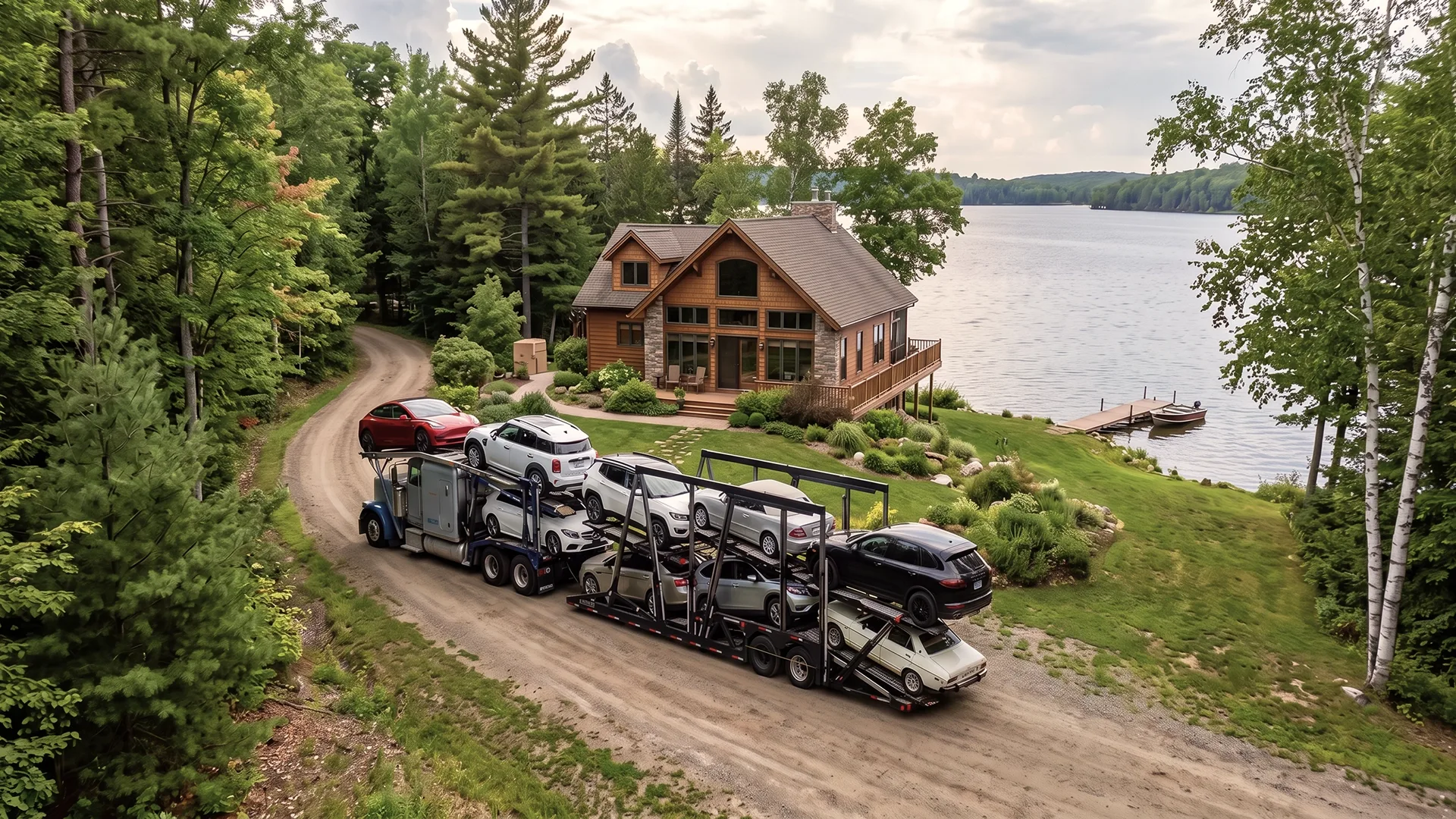
Owning a lakefront home is a lifelong dream for many who spent childhood summers in and on the water with friends and family. Others did not spend time at a lake house in childhood but find the idea of morning coffee on the dock, summer afternoons floating in the water, and evenings at the fire pit a powerful draw.
The desire for a lakefront home can be powerful, making it even more important to approach the process of finding your place in the sun using both your heart and your head. Finding, buying, and moving into a lakefront home takes a lot of work. It can lead to emotional decisions and stretch your budget, but the search needs to be conducted with your eyes wide open and your logical thinking cap on to ensure that moving to a second home is one of the most rewarding investments you can make.
Below is our guide on how to buy a lake house to help you on this journey, so let’s dive in.
Step 1: Define What "Lakefront" Really Means to You
The most important step in finding the right lakefront home should take place before you consider your first property. You need to think through the pros and cons of living on a lake and define what you are looking for by creating a lake house checklist that considers:
- Location: Distance and travel time matter. How close does your weekend home need to be to your weekday home?
- Lake: Do you want a quiet, no-wake fishing lake or a motorboating lake to water ski?
- Structure: Do you want a simple cottage or a second home? How many guests will you host?
- Amenities: What is your desired proximity to nearby towns, marinas, and HOA enhancements?
- Renting the Property: If you're planning to rent the property at times, research the state, county, and HOA short-term rental regulations.
Identifying your goals -and writing them down- should narrow where you look and what you look for, allowing you to find the property of your dreams more quickly. Of course, be prepared to change your mind during your search, but recognize when your goals shift and update your lake house checklist.
Step 2: Recognize the True Cost of Lakefront Living
Lakefront properties cost more than comparable inland homes — often 20% to 50% more, and they can be substantially more on premier lakes. However, the purchase price is only the start of the financial journey. Other dollars and cents (or sense) issues to consider include:
- Property taxes for lakefront homes tend to be high.
- Flood insurance is often required for properties in FEMA-designated flood zones.
- Homeowners insurance on lakefront properties can be hefty due to the risk of water damage, storm exposure, and dock-related liability.
- Docks, seawalls, wells, and septic systems don’t maintain themselves.
Ensure your budget accounts for these ongoing costs when matching it to the best places to buy a lake house.
Lakefront Home Cost Checklist
Expense |
What to Check Before Buying |
|---|---|
Purchase Price Premium | Compare similar inland and waterfront properties |
Property Taxes | Review current taxes and recent assessments |
Homeowners Insurance | Ask about water, storm, and liability coverage |
Flood Insurance | Check the property's FEMA flood zone |
Dock Maintenance | Inspect dock condition and permits |
Seawall/Shoreline | Inspect for erosion, cracks, and deterioration |
Well & Septic | Test both systems before closing |
HOA Fees | Review dues, assessments, and HOA rules |
Boat & Equipment Storage | Confirm on-property storage rules |
Access/Road Maintenance | Determine who maintains roads year-round |
Step 3: Work with a Real Estate Agent Who Handles Lakefront Properties
Lakefront properties are subject to regulations, easements, and local customs that many real estate agents never face, so find an agent who understands the legal issues unique to lakefront properties.
When interviewing agents, ask how many lakefront sales they’ve made in the last few years and whether they own a lakefront property. Ask them about the best places to buy a lake house.
Have agents review your written goals, suggest lakes that match, and explain why certain lakes match based on their knowledge of the best fishing spots, noise levels, and algae blooms.
Step 4: Buy the Lake, Not Just the Property
Be sure to “buy” the lake that matches your goals as much as the property. The real estate adage, location, location, location, applies especially to lakefront properties. A gorgeous house on the wrong lake for you will bring less happiness than a lesser house on a better-fitting lake.
- Natural or Man-Made? Is this a natural lake or a reservoir? Is it connected to other lakes? Who controls the lake’s water level, and how does it fluctuate?
- Regulations: What type and size of boats are allowed? Are there quiet hours?
- Water Quality: What is the source of the water? How often is the water tested? Contact the state DNR or similar agency for information about the lake’s health and presence of invasive species.
- HOA Restrictions: Does the lake have an HOA, and what are its rules?
- Talk to Locals: Spend time in the area. Eat at local restaurants and talk to the locals to get insight into the lake and your potential future neighbors.
Step 5: Negotiate with the Whole Picture in Mind
The pool of lakefront property buyers is smaller than for most residences, so that lakefront properties can sit on the market for some time. Owners often are emotionally attached to their properties, overvaluing them, and failing to recognize the need for maintenance or refreshing. Account for those short-term expenses when making your offer.
Also recognize that lakefront property prices tend to be discounted in the fall and winter, when summer seems far away.
Step 6: Lakefront Due Diligence
Now that you've found the perfect lakefront home and the seller has accepted your offer, your work is not yet complete. Before moving to a second home, your lakefront property needs to be inspected and investigated for issues beyond those of most homes, including:
- Shoreline and Dock Inspection: Hire an inspector who knows their way around lakefront properties and their problems: seawall cracks, rotting dock pilings, boat lift challenges
- Survey and Boundary Review: Lakefront boundaries involve riparian rights, the legal rights of landowners whose property borders a body of water, and these vary by state. Hire a surveyor who understands these rights to ensure the dock or other structures conform to your rights and obligations.
- Permit History: Ensure all structures on the property are properly permitted.
- Environmental and Septic Assessment: As needed, have the well and septic systems tested.
- Utilities: Lakefront properties often rely on propane tanks and well water. Confirm arrangements with the local propane supplier and ensure the well and pump are in working order.
Being thorough at this point is how to buy a lake house so you avoid costly surprises down the road.
Step 7: Plan the Move: Getting There Is Half the Challenge
Some lakefront properties have limited access, with roadbeds or bridges that cannot accommodate a large moving truck. While this issue should be considered before buying the property, the reality of access challenges now sets in.
Assess Road and Driveway Access Early
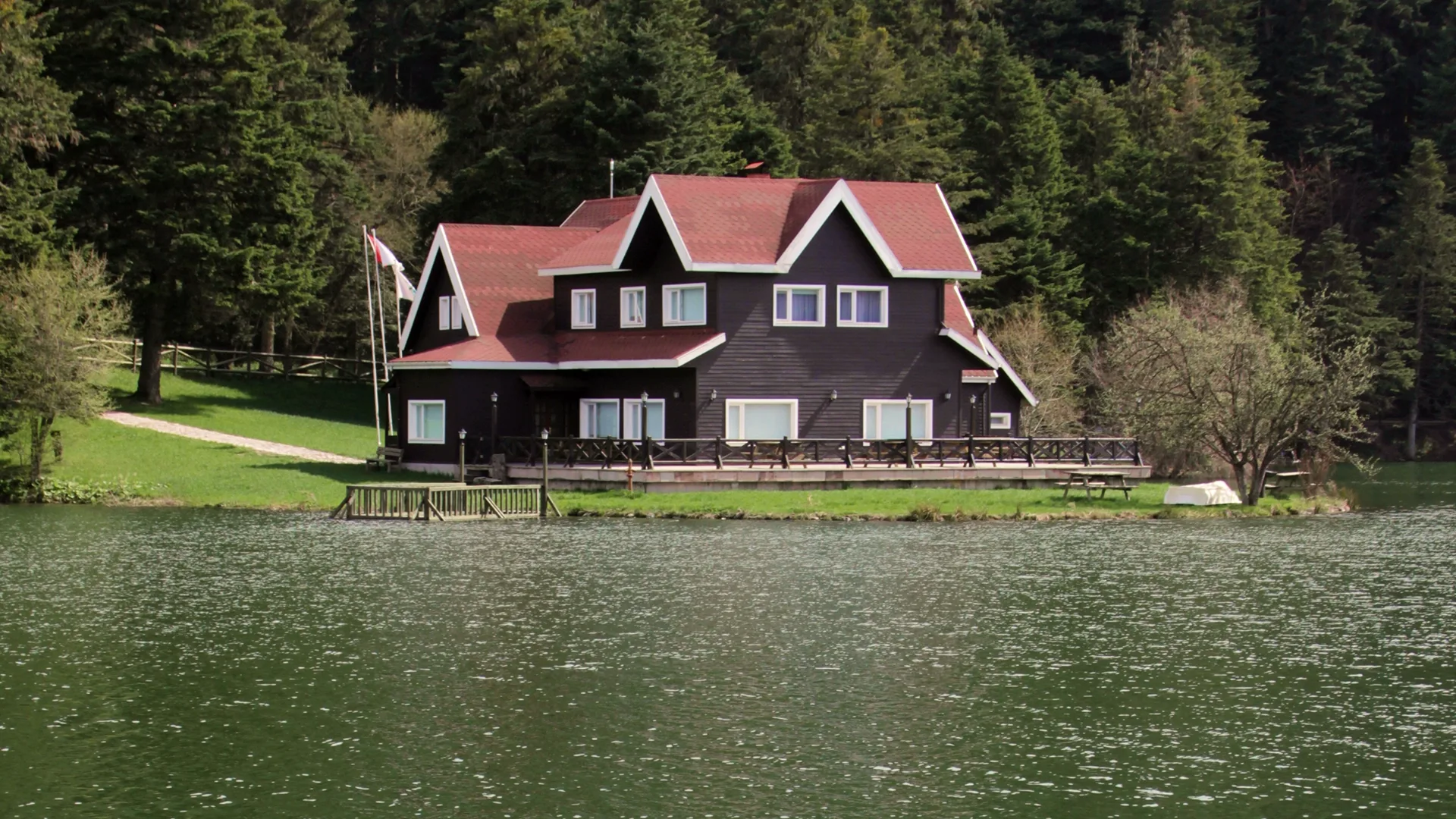
If your road or driveway can't accommodate a full-size moving truck, you may need to transfer your possessions to a smaller truck for the last stretch. Also, lakefront driveways are often designed for, or the tree growth now allows access only for passenger vehicles, not commercial transport. If these apply, budget for the additional time and labor.
If your property is in a northern lake region, determine whether the access road is privately or publicly maintained. If you plan to move in during the winter months, ensure the necessary snow-removal practices are in place. Similar issues can arise during spring thaws that bring muddy conditions.
Boat, Trailer, and Recreational Vehicle Storage
Consider where you will store your boat, trailer, jet skis, ATVs, and other recreational equipment in both the in-season and off-season. Check your zoning regulations and HOA rules around outdoor storage before the closing.
Shipping a Boat or Vehicle to a Lakefront Destination
Depending on the locations of your primary and lakefront homes, hiring a professional transportation service to move a boat or deciding how to ship your car when moving may be a consideration.
Professional transport is often a practical alternative to driving a boat or car hundreds of miles to a lake community. The choice between an open and an enclosed carrier will be a key decision, largely driven by the value of the vehicle being shipped.
When transporting a boat or vehicle to a lakefront property, tell the carrier about access conditions, as you may need to arrange a meeting location near your home to accept delivery.
The Bottom Line
Buying a lakefront home is a bigger, more complicated transaction than many buyers anticipate, though it can also be one of life's most rewarding purchases. The key to success for many lies in considering the pros and cons of living on a lake.
Start with clear intentions, a realistic budget, the right team of professionals, and a willingness to apply logic to an emotionally charged decision. Being disciplined about how you evaluate potential properties will help ensure the lakefront home of your dreams becomes a wonderful choice for years to come.
If your lakefront home purchase requires you to ship a boat or vehicle to your new home, use Nexus’ online cost calculator to obtain a quote and arrange for shipping.
FAQs
Do I need a special real estate agent to buy a lakefront home?
No. You can choose to work with any real estate agent, but you should look for an agent with a track record of selling lake properties in the area where you want to buy. They should be familiar with issues concerning riparian rights, dock permitting, easements, shoreline regulations, and HOA rules that many residential agents do not encounter.
A specialist will know the lakes with water quality issues, fishing and noise conditions, and can recommend local inspectors and attorneys who also understand waterfront nuances.
Does the home inspection happen before or after I make an offer?
Inspections occur after the seller accepts your offer. Assuming your offer includes an inspection contingency, you have 7 to 14 days to conduct inspections. If significant problems are found, you can negotiate repairs, bargain for a price reduction, or walk away from the contract while still recovering your earnest money deposit.
For lakefront homes, you can include contingency language covering specialized inspections of the dock, shoreline, well, septic tank, and similar property features.
What's the difference between owning the lakefront and having "lake access"?
True lakefront ownership, sometimes called fee-simple waterfront, means your property boundary extends to the water's edge. You own the shoreline. By contrast, deeded lake access means your property is set back from the lake, though you have a legal right to use a community dock or a common shoreline area. The experience and the value of the two can be quite different.
Are there environmental issues I should investigate before buying?
Yes. Environmental concerns are critical for lake properties, your enjoyment, and the property’s long-term value. What is the source of the lake water? Is it subject to agricultural runoff or other potential contaminants? Does the lake have invasive species?
This information is often available from your state DNR, so it is recommended that you check their historical information rather than relying on the seller’s word.
What should I know about getting a vehicle or moving truck to a lakefront property?
Road and driveway access is a logistical challenge when determining how to ship your car when moving, especially for lakefront home buyers. Waterfront properties often sit on narrow, winding, or unpaved roads designed for passenger vehicles, not wider and taller commercial vehicles.
Bridges that cannot handle a truck’s weight, low tree branches, and inadequate turnaround points can be a problem when moving your household goods or hiring a professional car transporter. For vehicles, the problem is generally solved by meeting the driver in a nearby town or parking lot and picking up the car there. When moving household goods, you may need to transfer your possessions to a smaller vehicle to access your property.