
If you’re planning to transport a vehicle, one of the first decisions to make is whether to use open or enclosed transport. Both options are safe and widely used, but they serve different needs.
At Nexus Auto Transport, we believe informed customers make better decisions, so we've prepared this guide to explain how open and enclosed shipping differ, outline when to choose each option, and help you determine which method is right for your situation.
What Is Enclosed Car Shipping?
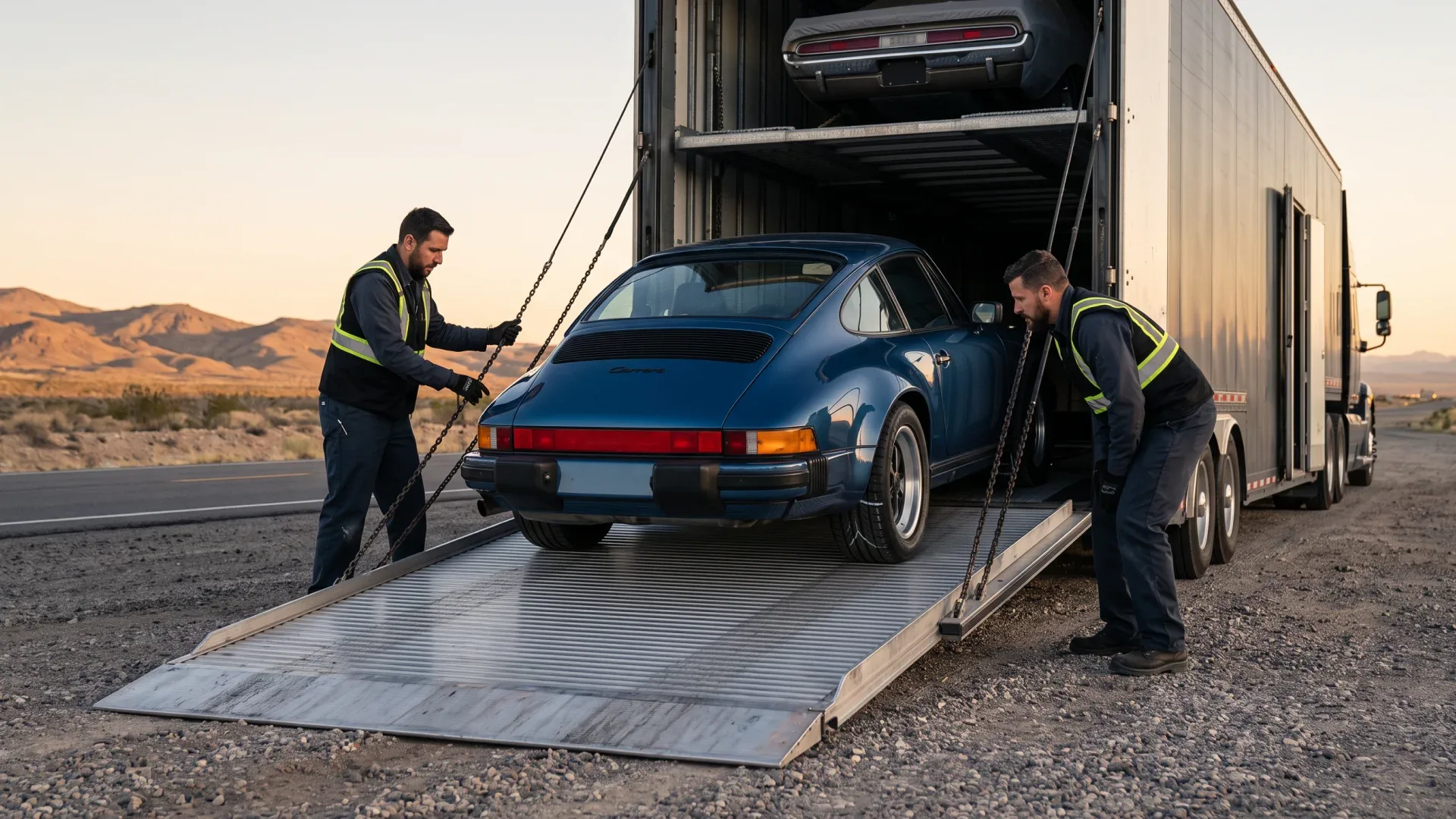
Enclosed car shipping is a vehicle transport method in which your car is transported inside an enclosed trailer, protecting it from weather, road debris, and vandals during transit. This option is most often used for:
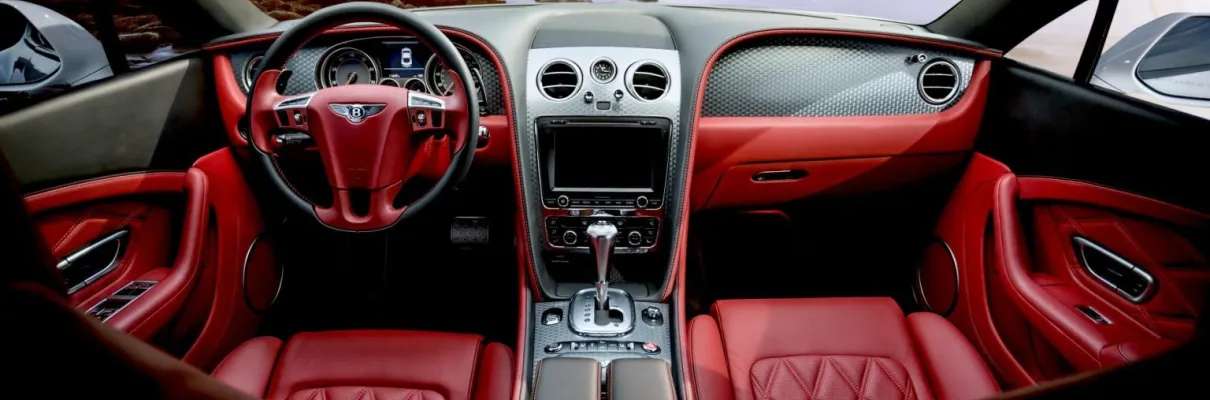
Luxury and exotic vehicles
Classic and antique cars
Custom or modified vehicles
High-value or collectible automobiles
Car carriers comprise only a small percentage of heavy-duty trailers on the road, and industry sources suggest that only 10% of those are enclosed carriers. While most cars don’t require enclosed carriers, there are fewer on the road and on each route, so they are less available, and scheduling is more challenging.
Is Enclosed Auto Transport Worth It?
For vehicles that require maximum protection, enclosed transport is the best choice. Many enclosed trailers carry one to five vehicles, reducing loading cycles and minimizing risk. If your vehicle is irreplaceable, highly valuable, or in pristine condition, the added cost is often justified by the peace of mind and protection it provides.
Pros and Cons of Enclosed Auto Transport
Among the key benefits of choosing enclosed auto shipping are:
Protection from rain, snow, sun, and road debris
Increased security and privacy
Experienced drivers trained in high-value vehicle handling
he disadvantages of enclosed auto transport include:
Higher cost compared to open transport
Fewer carriers available, which can impact scheduling
Overall, the primary benefits of choosing enclosed auto shipping come when vehicle condition matters more than the price.
What Is Open Auto Transport?
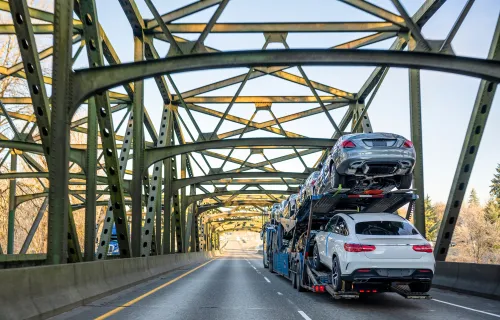
Open car shipping is the most common and cost-effective way to transport a vehicle. Car manufacturers and dealers used open-air trailers to ship new cars, and their data suggest that about 1% of new cars are damaged during transport, suggesting that open carriers are the best method for standard vehicles and are widely used nationwide.
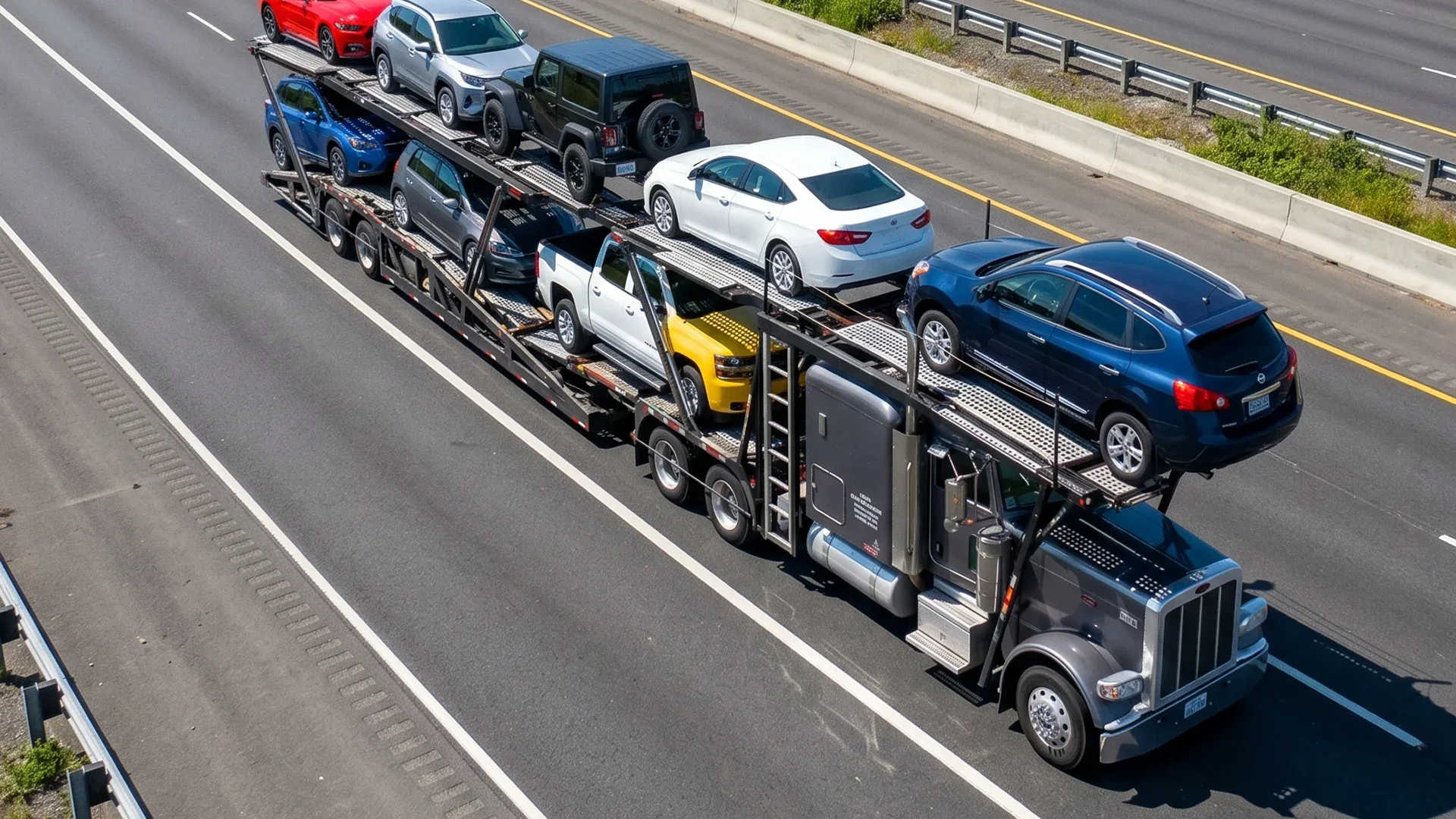
Is Open Auto Transport Safe?
Yes. While vehicles are exposed to the elements, serious damage is uncommon. Open transport has a long track record of reliability and is the preferred option for most customers who need to ship a car to another state without unnecessary expense.
Minor exposure to dust or weather is possible, but this is typically no different from normal driving conditions. That is a primary difference between open and enclosed car shipping.
Pros and Cons of Open Auto Transport
Among the key benefits of choosing open auto shipping are:
Most affordable shipping option
Widely available with faster pickup times
Ideal for daily drivers and standard vehicles
Flexible scheduling nationwide
The disadvantages of open auto transport include:
Exposure to weather and road conditions
Less privacy compared to enclosed transport
When to Choose Open Auto Transport
When considering open vs. enclosed auto transport, choose open transport if:
Your vehicle is a standard sedan, SUV, or truck
Budget is a primary concern
Potential exposure to the weather is acceptable
You want faster scheduling and flexibility
The open transport option is especially popular for cross-country car shipping due to its greater availability and affordability.
When to Choose Enclosed Auto Transport
When considering open vs enclosed car shipping, choose enclosed transport if:
Your vehicle is high-value or collectible
You want full protection from the elements
The car has custom paint or modifications
Maximum security and peace of mind matter most
This method is commonly selected by customers transporting rare or high-value vehicles.
Open vs. Enclosed Carrier Transport Decision Factors
Factor | Open Transport | Enclosed Transport | What It Means for You |
Weather exposure | Rain, snow, hail, duststorms | None | Prevents moisture and heavy weather intrusion |
Road debris risk | Gravel and other loose debris | None | Possible chips to window and paint scratches |
Cost impact | Lower price point | Can be 5% to 20% higher, depending on availability | You’ll pay a premium, but have more protection |
Availability | Easy to book due to the most common transport method | Depends on what carriers have the equipment and space | Open allows faster scheduling |
Delivery flexibility | High | Lower | Likely find an option more aligned with your desired timeframe |
Multi-vehicle shipping | Easy to book as most open trailers have 3-10 slots | Harder to book as most enclosed trailers have 1-4 slots | Open carries more cars |
Theft/vandalism risk | Your vehicle may be wrapped in plastic or not, exposing it to onlookers | Protected from view | Enclosed minimizes risk |
Routing and Open vs. Enclosed Carrier Choice
Another issue to consider when making the open-versus-enclosed carrier decision is the route your vehicle will travel. One aid in making the carrier decision is to consider whether you would drive the route length, given its potentially adverse weather conditions.
If you would not consider exposing your vehicle to those driving conditions, you should choose an enclosed carrier to transport it. Otherwise, choose an open carrier for its availability and affordability.
Open vs. Enclosed Carrier Transport Based on Route
Route | Open Transport Cost | Enclosed Transport Cost | Time Estimate | Recommended Option |
California → Texas | $900 to $1,200 | $1,300 to $1,800 | 3 to 6 days | Open; Enclosed for luxury (high volume luxury states) |
Florida → New York | $800 to $1,100 | $1,200 to $1,600 | 3 to 6 days | Open |
Illinois → California | $1,100 to $1,500 | $1,600 to $2,200 | 5 to 9 days | Open |
Arizona → Washington | $900 to $1,200 | $1,300 to $1,800 | 3 to 7 days | Open |
New Jersey → Florida | $800 to $1,100 | $1,200 to $1,600 | 3 to 6 days | Open |
Setting aside the specific routes in the table above, the following table shows whether an open or enclosed carrier is preferred based on the vehicle being shipped.
Open vs. Enclosed Carrier Comparison Table
Scenario | Recommended Option | Reason | Risk Level If Wrong Choice |
Daily driver, short distance | Open | Cheaper, easier scheduling | Minimal |
Cross-country relocation | Either | Depends on vehicle and risk tolerance | Minimal to moderate |
Luxury vehicle | Enclosed | Maximizes protection | Moderate |
Classic/collector car | Enclosed | Maximizes protection | High |
Harsh weather route | Either | Depends on vehicle | Moderate |
Budget move | Open | 30 to 60 % cheaper | Minimal |
Time-sensitive shipping | Open | High # of open carriers allows easier scheduling | Moderate |
Choosing the Right Auto Transport Company
No matter which option you select, working with a reputable auto transport company makes all the difference. Experienced carriers use professional loading techniques, proper securing systems, and fully insured transport to protect your vehicle from pickup to delivery.
Many customers rely on professional car shipping services when relocating, purchasing a car in another state, or buying a car online.
Final Thoughts
Understanding the difference between open and enclosed car shipping allows you to make a confident, informed decision that fits your needs. Since both open and enclosed transport are reliable ways to move your vehicle, the right choice depends on your priorities: cost, vehicle protection, and timing.
At Nexus Auto Transport, our goal is to provide honest guidance and dependable solutions, ensuring your vehicle arrives safely, on time, and without surprises.

FAQs
Is enclosed car shipping worth it for a standard daily driver?
Generally, there is no need to pay the higher price to ship your daily driver in an enclosed carrier. If your standard daily driver has great sentimental value or special equipment, then you should consider enclosed shipping, but then your car shouldn’t be considered a daily driver.
When does open auto transport become the wrong choice for a vehicle?
Open transport should not be considered for vehicles whose appearance is critical. Vehicles with unique paint jobs and high-value vehicles that owners want to keep in like-new condition should receive the added protection of an enclosed carrier.
Are pickup times usually faster with open-car transport than with enclosed shipping?
Industry sources suggest that enclosed car carriers make up only 10% of the fleet, so they are generally less available and fewer run on any given route. The situation means fewer enclosed carriers compete for each bid, which can increase the time needed to schedule a pickup.
How should I choose between open and enclosed shipping for a long-distance move?
The greater the shipping distance, the greater the likelihood that your vehicle will face adverse weather conditions and road debris. Nevertheless, most vehicles shipped over long distances on open carriers arrive undamaged. So, the distance should affect your decision only if your vehicle is borderline high value.
What matters more when choosing open vs enclosed auto transport: budget, vehicle value, or protection?
There is no single answer to this question. Just as one person's trash is another person's treasure, only you can assess your willingness to expose your vehicle to a higher risk of damage when an open carrier transports it. Each customer must decide whether they value a vehicle enough to justify paying the higher price to ship it in an enclosed carrier.