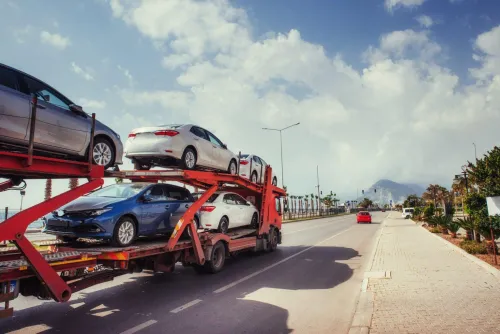

Most people shipping a car focus on price, pickup window, and whether the truck is open or enclosed. Then a driver shows up, circles the vehicle with a clipboard or a phone, and hands over a form to sign. The driver's walkaround is easy to treat as a formality, yet how auto transport companies handle vehicle inspections is the most revealing five minutes of the entire transaction. It provides the legal foundation for any future damage claim and is the clearest available signal of how the carrier runs its business.
The Inspection Is the Claim
In auto transport, the vehicle condition report is part of the Bill of Lading (BOL). Under the Carmack Amendment framework governing interstate motor carriage, a shipper establishes a claim by showing the carrier delivered the vehicle in worse condition than it was at pickup. The car-shipping inspection process at pickup establishes the baseline, and pre- and post-differences noted on the BOL are the primary evidence when making a claim.
Damage not noted at pickup is presumed to be pre-existing. Damage not noted at delivery, before you sign a clean receipt, is presumed not to have happened in transit. Federal regulation sets a low bar for what constitutes a valid written claim: you must identify the shipment, assert carrier’s liability, and demand a specific amount.
A damage report or a notation on a freight bill does not by itself satisfy the filing requirement. You still must prove the difference in the vehicle condition, and a vague inspection makes that nearly impossible. Being detailed on both inspections makes your claim closer to automatic.
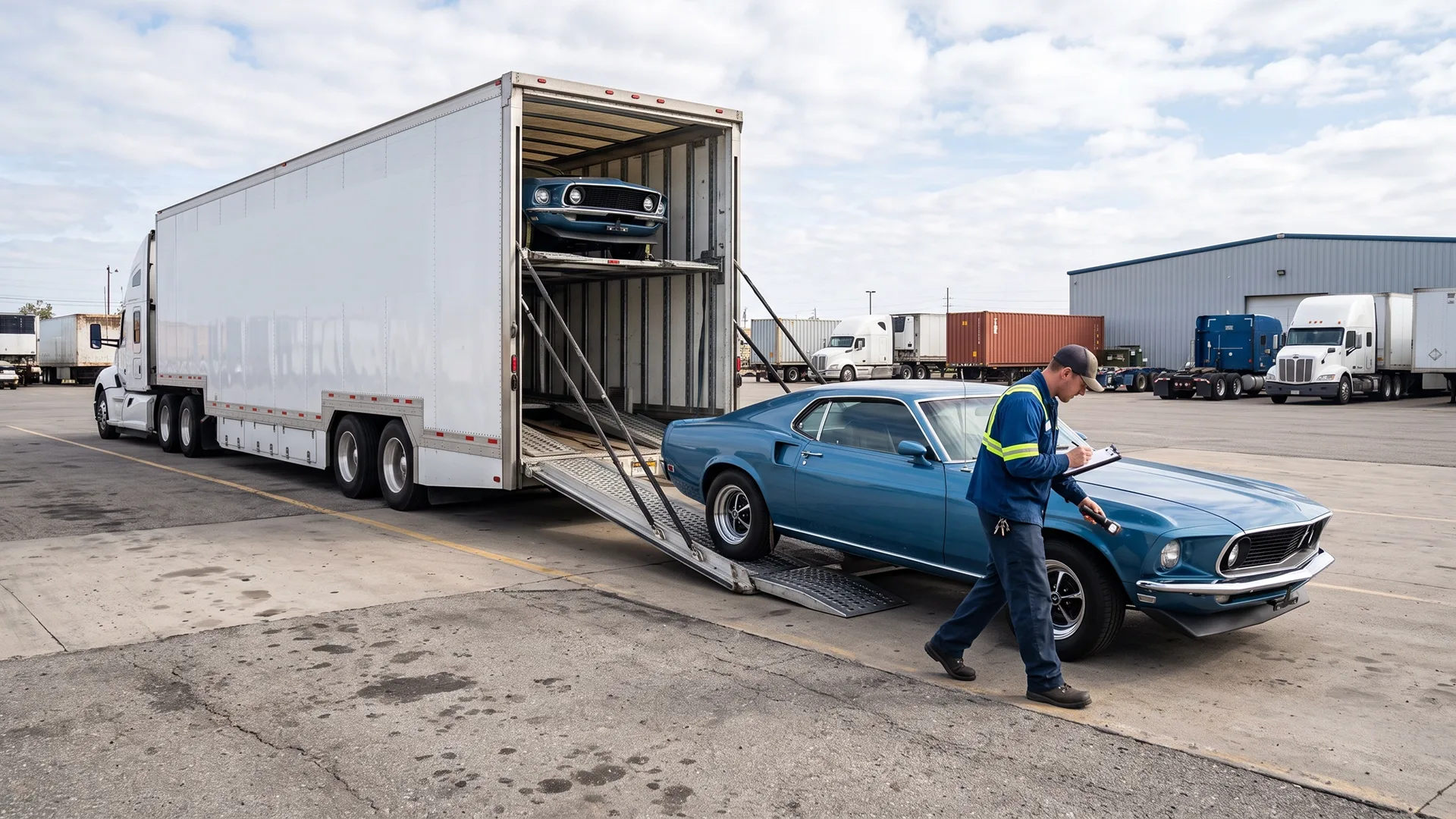
What Thoroughness Actually Looks Like
A thorough car shipping inspection process has multiple components, and you don't want to skip one because that component may be what gets damaged during the vehicle transfer. Here's a checklist for evaluating your driver's thoroughness.
Photographs from every angle
A competent driver shoots the full perimeter, all four corners, the roof, the wheels, the glass, and close-ups of every existing blemish. Expect them to take ten to twenty images.
Detailed damage language
When documenting damage, the driver or you should use detailed descriptions. "Deep scratch on driver's front quarter panel, approximately two inches long" provides the needed detail, while "Scratches, see vehicle images" does not.
Digital documentation with timestamps and geo-tags
Electronic BOL applications automatically record when and where each photo is taken, providing metadata that makes the record difficult to challenge later. A carrier still using carbon-copy paper forms should not be disqualified. It’s that electronic records are much stronger, and carriers that invest in them tend to expect to be held accountable.
Signatures from both ends, with authority verified
The driver should confirm that the person signing for the vehicle at pickup and delivery is authorized to do so.
Proactive identification of irregularities
Professional drivers identify fluid leaks, warning-light issues, missing floor mats, and operability concerns at pickup, not at delivery.
Why Inspection Quality Predicts Everything Else
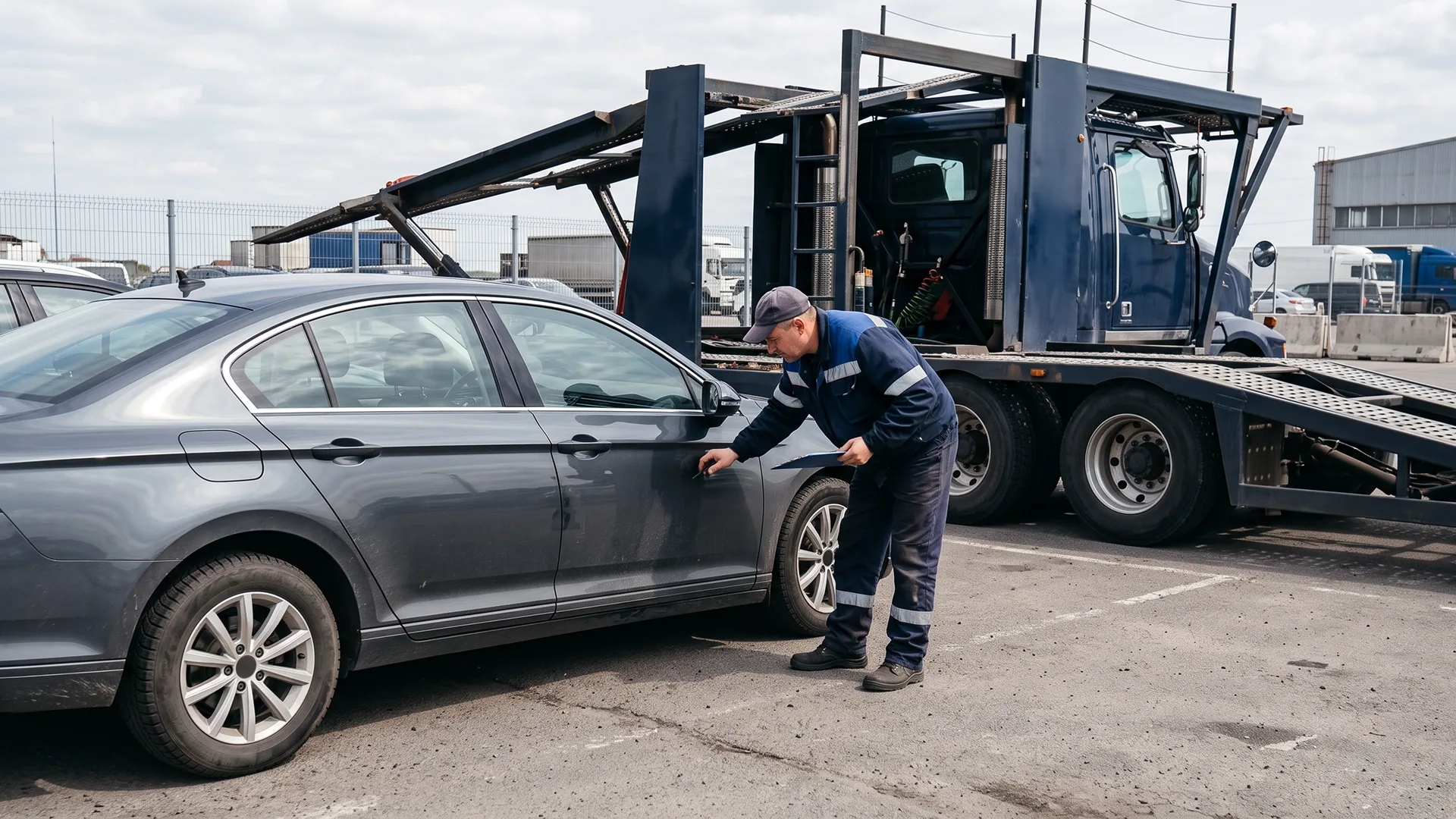
How auto transport companies handle vehicle inspections isn't a standalone virtue, since it reflects the carrier's operational discipline on the road, and you cannot monitor it directly.
Driver behavior reflects on the company they work for, since what gets measured gets managed. A driver who documents carefully is a driver whose company trains and audits them on proper vehicle transport condition reports. The same thinking spills over into their load securement, tie-down inspection, hours-of-service compliance, and how the company handles a claim when something goes wrong.
Carriers with high claims exposure and inadequate documentation tend to have high claims exposure precisely because of their inconsistency. Conversely, a carrier that has invested in electronic condition reporting has usually done so because its insurer, its broker partners, or its own loss history demanded it, and that sort of pressure produces better handling upstream of the paperwork.
The inverse is also a reliable signal. A driver who waves off the walkaround because it's dark, or who marks a vehicle as having no visible damage without doing a full walkaround, effectively tells you the company doesn't value accountability concerning vehicle transport condition reports.
We Help Get You Where You're Going
Nexus Auto Transport is a leading broker with a nationwide network of vetted carriers experienced in all aspects of vehicle transfers. We use carrier ratings on the national boards, our previous experience with carriers, and our carrier requirements to ensure we assign quality carriers on all shipments. Contact us for a quote and see how our 3-step process makes it easy for you from start to finish.
Use our car shipping calculator for a free quote: https://nexusautotransport.com/car-shipping-calculator/
Vehicle Inspection Checklist for Car Shipping
Inspection Stage |
What to Check |
What to Document |
|---|---|---|
Before Pickup |
|
|
At Pickup |
|
|
At Delivery |
|
|
After Delivery |
|
|
FAQs
Does the auto transport company inspect the vehicle's mechanical condition?
No. The carrier’s inspection is a cosmetic condition report, not a mechanical evaluation. The driver documents the condition of the paint, panels, glass, wheels, and interior, and whether the vehicle is operable. The driver does not check fluids, test the battery, or check anything under the hood, though they should flag active leaks, warning lights, and unusual smells.
Can someone else be present for the vehicle inspection instead of the owner?
Yes, and it's common. Carriers regularly release and receive vehicles to a designated representative. The requirement is authority, not ownership. The driver should confirm that whoever signs the Bill of Lading is authorized to do so on your behalf.
If you need a representative, set it up in advance. Provide the broker or carrier with the representative’s name and mobile number at booking, then confirm it in writing. Some carriers ask for a signed authorization letter, so provide one if requested.
What should you do if you disagree with the vehicle condition listed on the Bill of Lading?
Do not sign the BOL until it is corrected. Your signature is the carrier’s primary evidence of the condition you agreed to, and correcting the form takes two minutes while disputing it afterward can take months.
Write the correction directly on the form, in the damage-notation area, using specific language, and ask the driver to initial the addition.
Make sure the correction appears on every copy, not only yours. Then photograph the corrected form itself along with the area in question, so the paper record and the visual record match.
If the driver refuses to amend the form, write your objection in your own hand next to your signature, and be specific about what is missing. Then, photograph the vehicle and the document extensively, and call the broker or carrier dispatch immediately.
Should you wash your car before the transport inspection?
Yes. Washing your car is low-cost and helps protect against damage hidden by road film, dust, and pollen.
Wash the exterior and clean the glass within a day or two of pickup and photograph the vehicle clean and dry. A clean car also makes the driver’s job faster and more accurate, which benefits you. You do not need to detail the interior beyond removing personal items.