
Whether you're relocating, displaying a vehicle at a car show, purchasing a custom vehicle from another state or arranging custom car transport for a prized restoration to a new home, shipping a specialty vehicle requires more planning than transporting a standard passenger car.
From carefully restored classics to extensively modified muscle cars, these vehicles deserve more than routine transportation. Ride height, custom bodywork, aftermarket components, overall dimensions and vehicle value can all influence how a vehicle is loaded, the type of carrier recommended, and the level of protection appropriate during transit.
Shipping a modified or restored vehicle doesn't have to be complicated. Understanding your transportation plan helps you make informed decisions, reduce surprises and choose the right shipping method.
Every Specialty Vehicle Requires a Different Transportation Plan
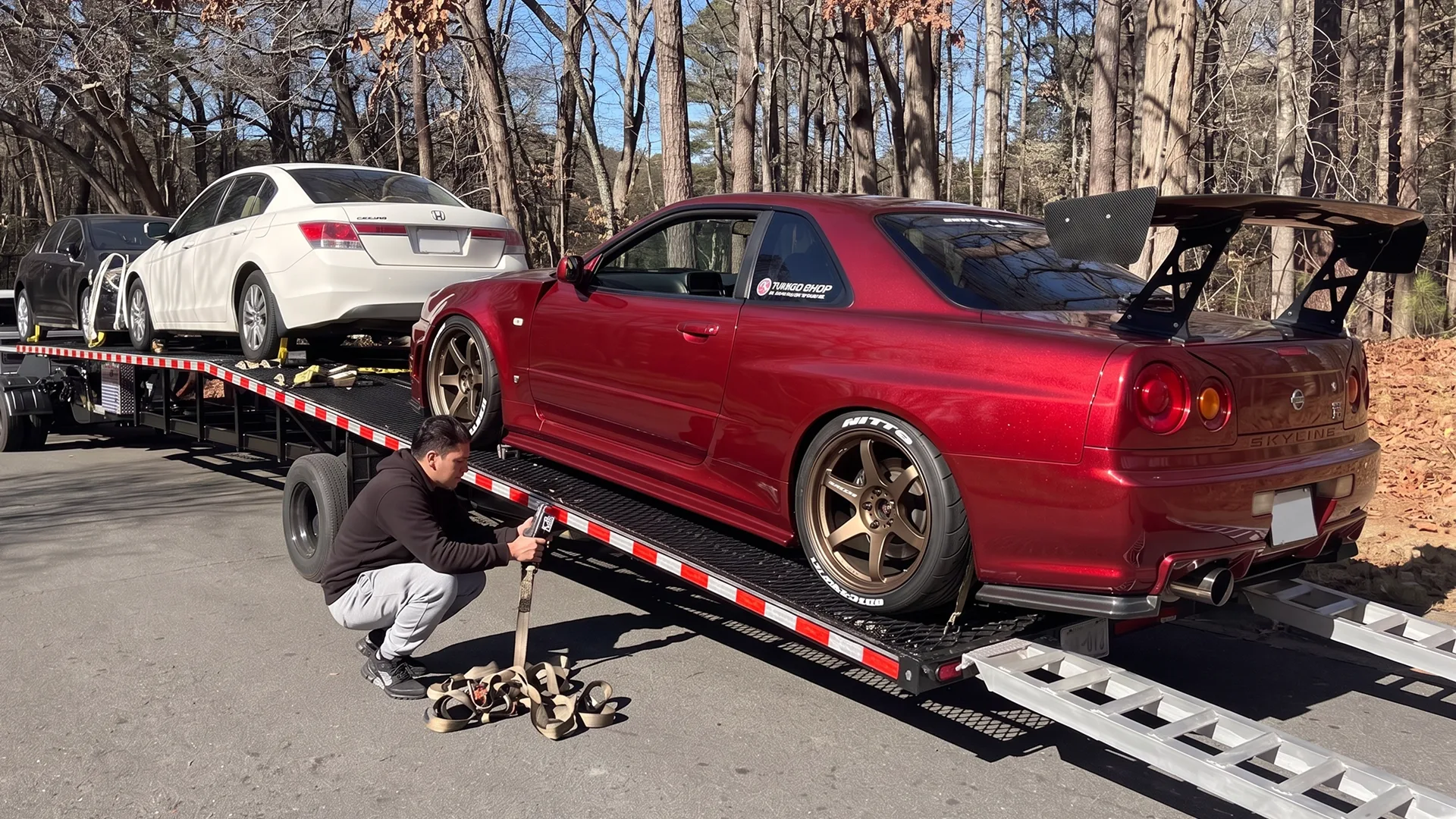
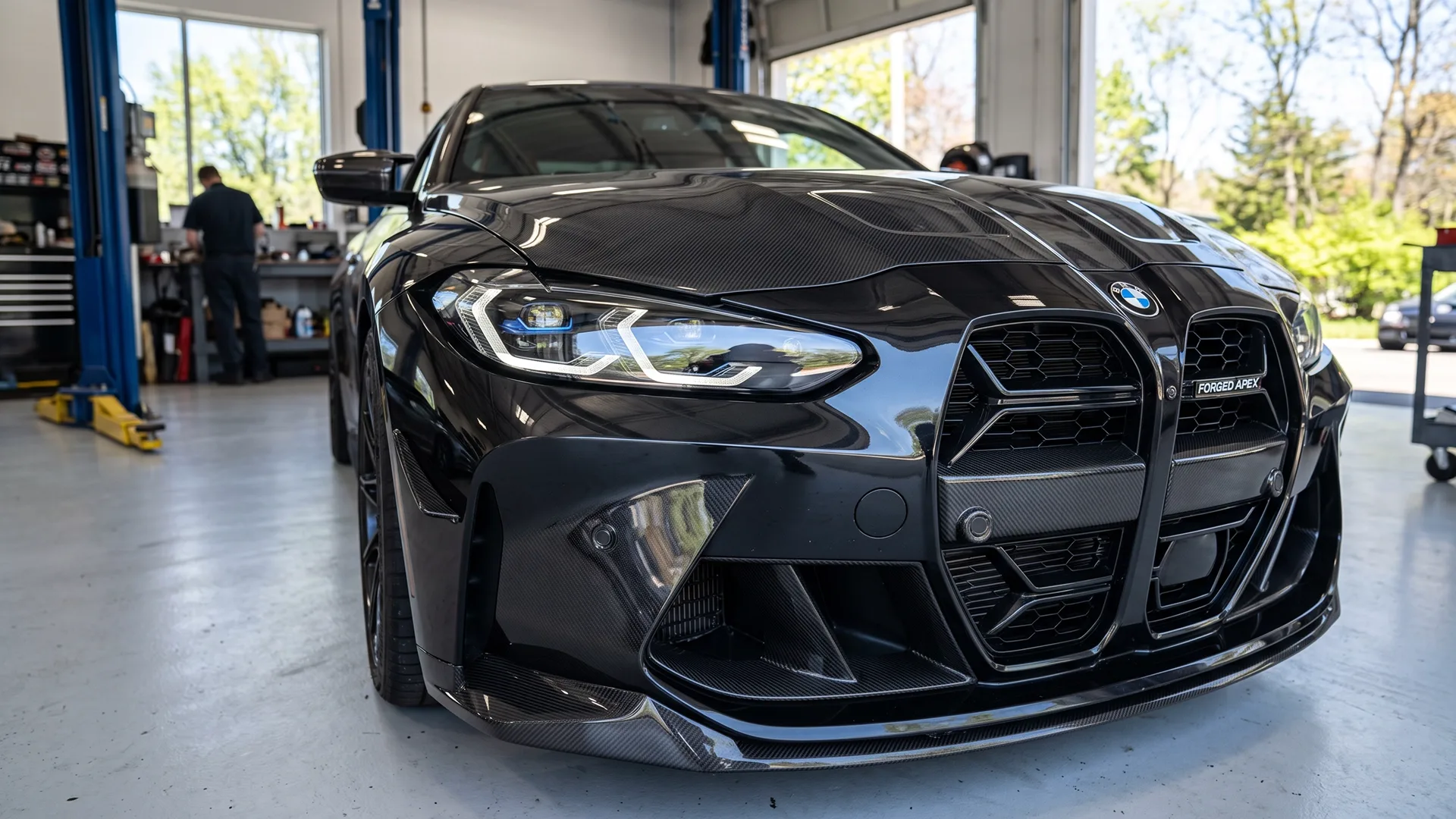
No two specialty vehicles are exactly alike. A lowered muscle car with a carbon fiber front splitter presents very different transportation challenges than a lifted pickup with oversized tires. A carefully restored classic like a 1957 Chevy Bel Air, meanwhile, may require an entirely different level of protection during enclosed transport for custom vehicles.
Before assigning a carrier, an experienced transport coordinator evaluates each vehicle's unique characteristics to determine the safest loading method, the most appropriate trailer and any special equipment that may be needed. Factors such as ride height, overall width, ground clearance, custom bodywork and whether the vehicle runs and steers all influence the transportation plan.
At Nexus Auto Transport, this evaluation occurs before your vehicle is matched with a carrier. Understanding the vehicle's characteristics up front helps ensure the carrier arrives with equipment appropriate for the job, rather than facing potential loading challenges on pickup day.
What Transport Coordinators Need to Know
Many owners assume they'll only need to provide the vehicle's year, make and model when requesting a quote. For modified and restored vehicles, that's only the beginning.
Providing accurate information helps your transport coordinator develop the right transportation plan and match your vehicle with an appropriately equipped carrier. Important details include:
- Suspension modifications, including lowered or lifted ride height
- Front splitters, side skirts or rear diffusers
- Oversized wheels and tires
- Wide-body kits or extended fender flares
- Roof racks or exterior accessories that change the vehicle's height or width
- Whether the vehicle starts, runs and steers
- Any unsecured components that should be transported separately
Photos from multiple angles can help identify loading concerns before the carrier arrives, reducing the likelihood of delays during pickup.
Choosing the Right Transport Method
Ground clearance, overall dimensions, custom bodywork and vehicle value all help determine whether open or enclosed transport is the better choice and whether specialized loading equipment may be needed.
Open Auto Transport
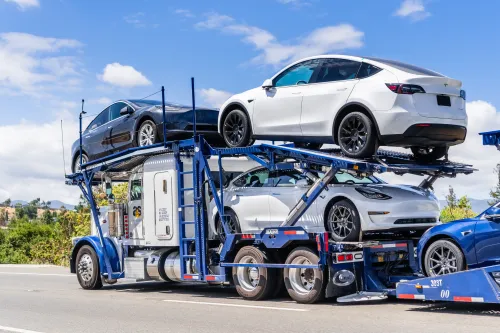
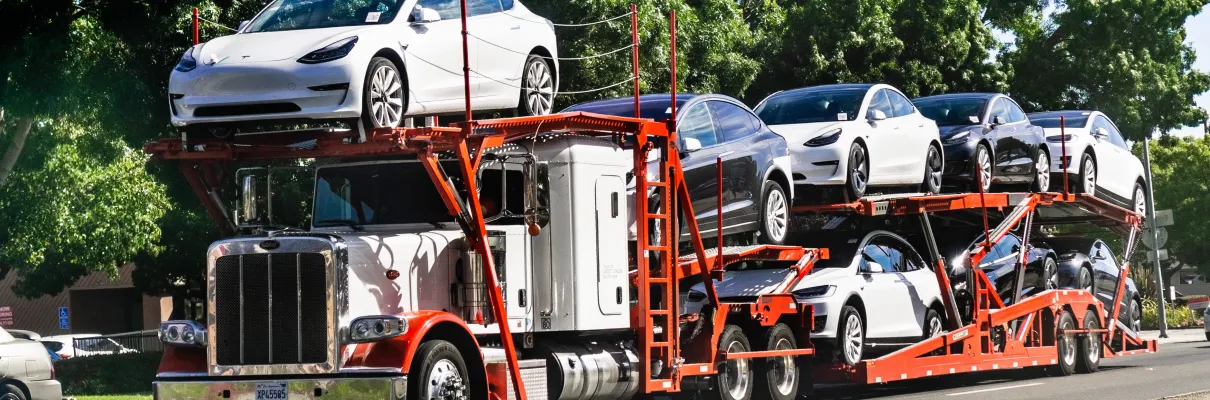
Open auto transport is the most common and cost-effective shipping method. Many modified and restored vehicles can be transported safely on an open carrier, particularly when they have sufficient ground clearance and don't require specialized loading procedures.
Open auto transport is often the right choice for many modified vehicles because it offers economical pricing, professional handling and the widest carrier availability, making scheduling easier on many routes.
Enclosed Auto Transport
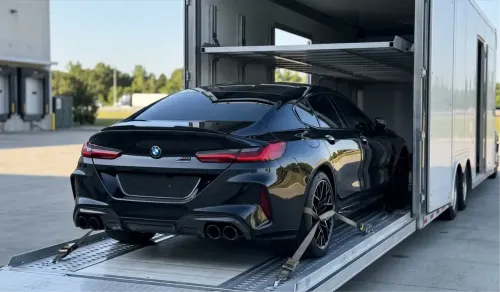
Enclosed transport for custom vehicles provides additional protection from weather, road debris and public visibility. It's often the preferred choice for restored classics, collector vehicles, exotic cars and specialty vehicles with custom paint, rare components or significant financial or sentimental value.
Enclosed auto transport carriers may also be better suited for vehicles with limited ground clearance or delicate aerodynamic components, helping reduce the risk of damage during loading and unloading.
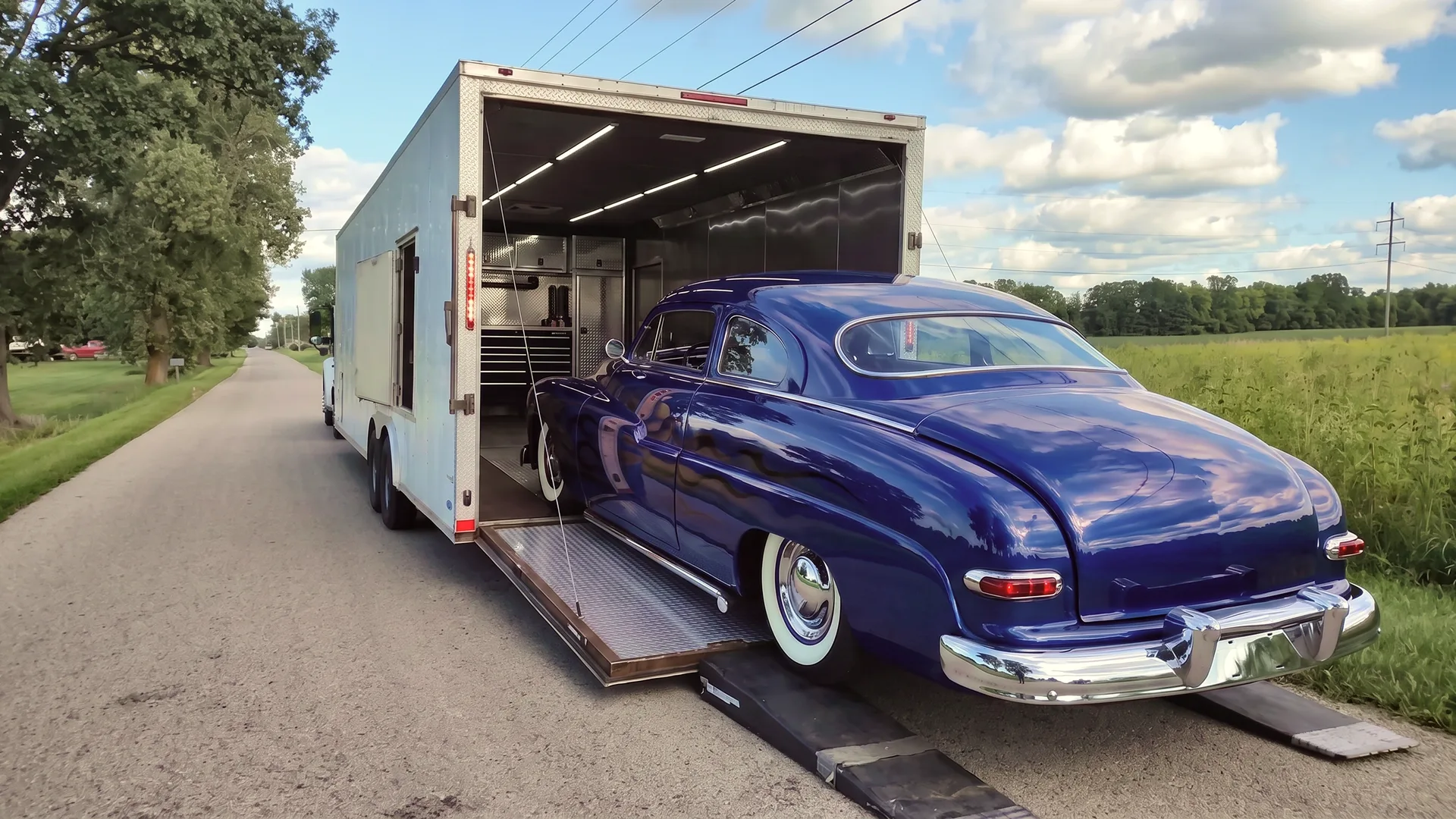
The right choice depends on your vehicle and priorities. If your vehicle features custom paint, rare aftermarket components, exceptionally low ground clearance or is a carefully restored classic, enclosed auto transport may provide additional protection and peace of mind.
Preparing Your Modified or Restored Vehicle for Shipping
Every vehicle should be inspected before transport, but modified and restored vehicles often benefit from a few additional preparation steps. Taking time to prepare your vehicle before pickup helps your transport coordinator develop the right transportation plan and reduces the likelihood of unexpected issues on shipping day.
1. Document the Vehicle's Condition
Before pickup modified car shipping, thoroughly photograph the vehicle from all sides, including close-up images of custom paint, wheels, bodywork and any aftermarket or restored components. These photos document your vehicle's condition before shipment and simplify inspections during pickup and delivery.
2. Share Special Operating Instructions
If the vehicle has air suspension, a battery disconnect device, a hidden kill switch or another non-standard operating procedure, let your transport coordinator know before pickup so they can adjust to the custom car transport situation. Sharing this information in advance helps the carrier load and unload the vehicle safely and efficiently.
3. Disclose Low Ground Clearance
Lowered vehicles, front splitters, side skirts and other low-profile modifications can affect how a vehicle is loaded onto a trailer. Letting your transport coordinator know about these features early allows enough time to assign a carrier with appropriate loading equipment, if necessary.
4. Secure or Remove Loose Accessories
If practical, remove loose exterior accessories or aftermarket components that could shift during transport. Items that cannot be removed should be identified before pickup so the carrier understands how they are attached and whether any additional precautions may be needed.
Understanding Insurance Coverage
Once you've selected the right transport method, take a few minutes to understand how your vehicle will be insured during transit. While reputable carriers maintain cargo insurance, it's important to understand what the policy covers and whether it adequately protects your vehicle. The Federal Motor Carrier Safety Administration (FMCSA) insurance requirements vary based on the type of carrier, type of car, and type of shipping. Asking ahead saves you a lot of hassle in the long run.
If your vehicle includes significant aftermarket upgrades or is a high-value restoration, ask whether additional documentation or supplemental coverage is appropriate before shipping.
Working With an Experienced Transport Partner
Choosing the right transport company is just as important as choosing the right shipping method. Look for a company that takes the time to understand your vehicle and recommends a shipping solution based on its unique requirements.
At Nexus Auto Transport, every shipment begins with a transportation plan. We evaluate your vehicle, recommend shipping options that fit your priorities and match it with the right carrier.
Ship Your Modified or Restored Vehicle with Confidence
Successful modified car shipping starts with understanding your vehicle's transportation needs and choosing a transport company that can accommodate them. By understanding your vehicle's unique requirements before pickup, you can make informed decisions, reduce surprises and help ensure a smooth shipping experience.
Whether you're shipping a modified vehicle or a carefully restored classic, Nexus Auto Transport will help you choose the right shipping solution for your vehicle, schedule and priorities.
Ready to get started? Request an Instant Quote to begin planning your shipment.
Open vs. Enclosed Auto Transport for Specialty Vehicles
Comparison Factor |
Open Carrier |
Enclosed Carrier |
|---|---|---|
Cost Efficiency |
Lower shipping cost |
Higher shipping cost |
Weather and Road Debris Protection |
Exposed to weather and normal road conditions |
Protected inside a truck to reduce the chance of damage from weather and road debris |
Low Ground Clearance Accommodation |
Depends on carrier equipment |
Often better suited for low-clearance vehicles |
Maximum Privacy and Security |
Vehicle remains visible or wrapped in plastic during transport |
Vehicle remains enclosed inside a truck or trailer throughout transit |
Recommended Vehicle Type |
Mildly modified vehicles and many restored vehicles |
High-value restorations, collector vehicles and extensively modified vehicles |
Frequently Asked Questions
How do I document the value of my aftermarket parts for shipping?
Photographs, receipts, invoices or professional appraisals can help document significant aftermarket upgrades or restoration work. If your vehicle includes high-value components, ask whether additional documentation or insurance considerations apply before shipping.
Can you ship a modified vehicle that doesn't run or steer?
Yes. Many carriers can transport inoperable vehicles using specialized loading equipment such as winches. Be sure to disclose the vehicle's operating condition when requesting a quote so the appropriate carrier can be assigned.
What happens if a custom component is damaged during transport?
Inspect your vehicle carefully during delivery and note any new damage on the Bill of Lading before signing. Photograph the affected area and notify the transport company promptly so the claims process can begin.
How far in advance should I schedule shipping for a modified or restored vehicle?
Booking as early as possible generally provides the greatest flexibility, particularly if your vehicle requires enclosed transport or specialized loading equipment. If you're shipping to a car show, auction or another time-sensitive event, mention your desired delivery date when requesting a quote.
Can I leave spare parts or accessories inside my vehicle during transport?
Carrier policies for custom car transport vary regarding personal items and spare parts. Before loading additional wheels, accessories or removable components, ask your transport coordinator what is permitted and whether those items should be shipped separately.
Let's Build the Right Transportation Plan for Your Vehicle
No two specialty vehicles are exactly alike. That's why every shipment begins with understanding your vehicle's unique characteristics, your schedule and your priorities.
Whether you're shipping a modified vehicle or a carefully restored classic, Nexus Auto Transport can help you confidently choose the right carrier and transportation method.