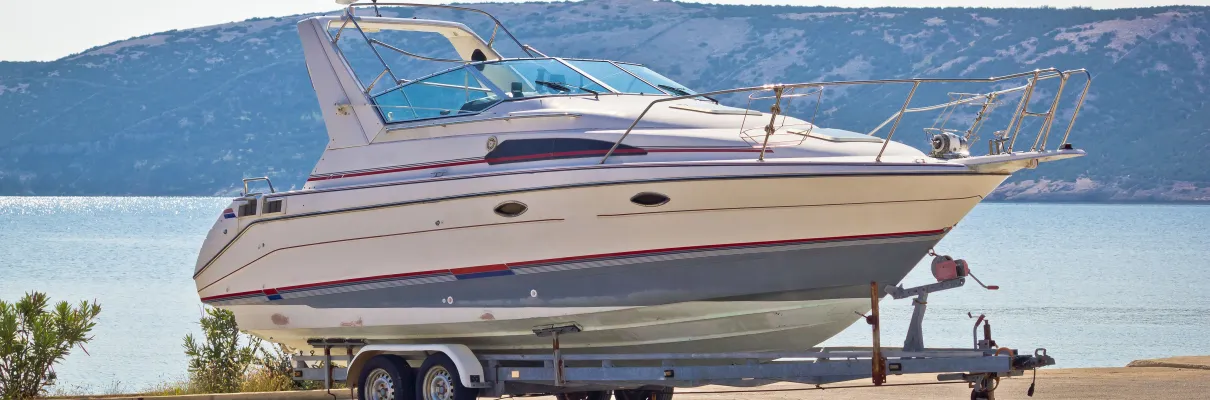

Whether you're relocating to a new home, purchasing a boat from another state or moving your vessel to a different marina, understanding boat transport cost helps you budget accurately and avoid surprises.
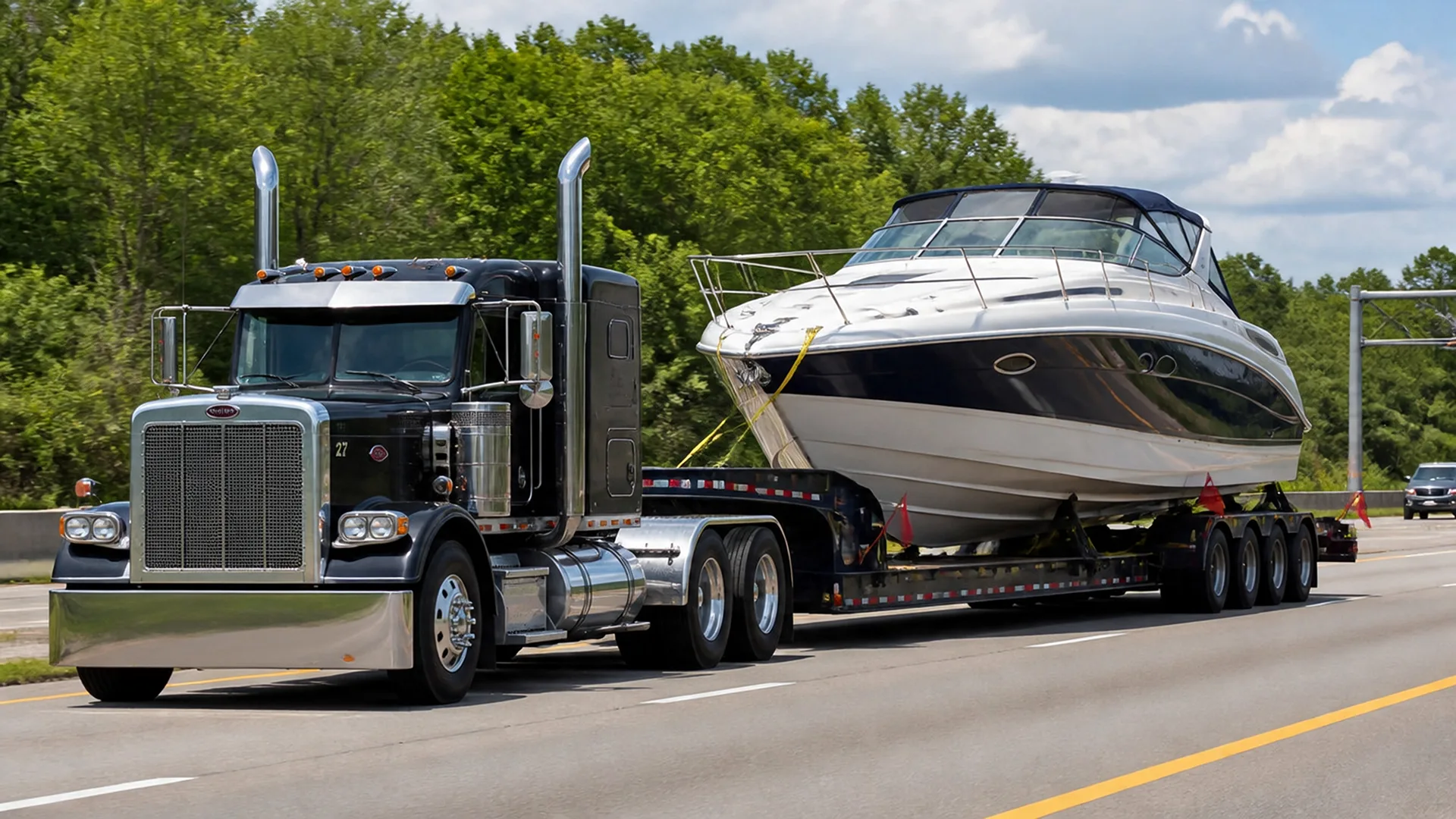
Unlike towing a small fishing boat across town, long-distance boat shipping often requires specialized trailers, experienced transporters, route planning and, in some cases, oversized load permits. The final price depends on much more than mileage.
This guide explains the factors that influence boat transport prices, provides realistic pricing ranges by boat size, walks through the transportation process from pickup through delivery and highlights industry best practices that help protect both you and your vessel.
What Determines The Boat Transport Cost?
Every shipment is unique, but most professional transport companies calculate pricing using several key factors.
The largest factor is naturally the size of your boat. Length, beam width, height and overall weight all affect the type of trailer required, routing restrictions and permit requirements.
Additional pricing factors include:
- Pickup and delivery locations
- Total transportation distance
- Seasonal demand
- Fuel costs
- Oversized permits
- Escort vehicles (when required)
- Marina loading and unloading fees
- Whether the boat is transported on its own trailer or a commercial trailer
For example, moving a 19-foot bowrider 300 miles is dramatically different from hauling a 42-foot cruiser across several states.
Estimated Boat Transport Prices by Vessel Size
Boat Category and Length |
Local Transport Rate per Mile |
Interstate Transport Rate per Mile |
Standard Transport Method |
|---|---|---|---|
Small Watercraft up to 15 Feet |
$2.00-$3.25 |
$1.50-$2.25 |
Trailer or flatbed |
Standard Powerboats 16 to 25 Feet |
$2.50-$4.00 |
$1.75-$2.75 |
Commercial trailer |
Mid-Size Cruisers 26 to 35 Feet |
$3.50-$5.50 |
$2.25-$3.50 |
Specialized hydraulic trailer |
Large Yachts 36 to 45 Feet |
Custom Quote |
Custom Quote |
Heavy-haul equipment |
Oversized Wide Beam Vessels |
Custom Quote plus permits |
Custom Quote plus permits |
Heavy-haul with permits and escorts |
These figures represent typical market ranges. Actual boat transportation costs vary depending on the route, seasonal demand and permitting requirements.
You can calculate estimated costs before requesting a formal quote.
Why the Cost of Transporting a Boat Can Vary So Much
Many people are surprised that two similarly sized boats can receive significantly different quotes. A few examples explain why.
A center-console with a removable T-top is easier to transport than a cruiser with a fixed radar arch.
A boat located near major interstate highways generally costs less to move than one stored at a remote marina.
Even weather plays a role. Spring and early summer typically bring the highest demand as owners prepare for boating season. Scheduling transportation during less busy periods may reduce the overall cost of boat transport.
Professional transporters also evaluate whether temporary disassembly is required. Removing antennas, outriggers, radar domes or canvas enclosures may reduce overall height and eliminate costly routing restrictions.
Preparing Your Boat Before Pickup
Proper preparation protects your investment and helps avoid delays.
Industry guidance published by the National Marine Manufacturers Association (NMMA) recommends verifying documentation, confirming equipment is suitable for the load and ensuring transportation paperwork is completed before shipment begins. Those recommendations apply equally well to professional boat shipping.
Before pickup:
- Remove personal belongings.
- Empty holding and water tanks if requested.
- Reduce fuel to the minimum recommended by your transporter.
- Disconnect batteries if instructed.
- Secure or remove loose equipment.
- Close and lock all hatches.
- Photograph every side of the boat.
- Document existing scratches, chips and cosmetic damage.
Many owners also choose to have larger vessels professionally inspected before transport to establish their pre-shipment condition.
Choosing the Right Boat Transport Company
Price matters, but it shouldn't be the only consideration.
A reputable transporter should willingly explain its experience, insurance coverage and transportation process.
The NMMA also recommends verifying that carriers maintain proper operating authority, qualified drivers and appropriate insurance before accepting a shipment. Those recommendations provide an excellent checklist regardless of whether you're transporting a boat or another high-value vehicle.
Before hiring a transporter:
- Read independent customer reviews.
- Verify insurance coverage.
- Ask about experience with your type of vessel.
- Confirm oversized permit requirements.
- Understand who is responsible for marina fees.
- Review the transportation agreement carefully.
For additional guidance, check out how to transport a boat from Sailing-blog.
What Happens on Pickup Day?
Once your pickup appointment has been scheduled, the driver will inspect your boat with you before loading begins.
The inspection serves two important purposes:
- It documents the condition of the vessel before transport.
- It confirms that the boat has been properly prepared for shipment.
Both parties should carefully examine the hull, gelcoat, propellers, outdrive, windshield, electronics and any accessories that remain on board. Existing cosmetic damage should be documented before loading.
Professional transport companies also verify measurements, overall height and any special handling requirements before departure.
The Transportation Process
After the inspection, your boat is carefully loaded onto the appropriate trailer or transport equipment.
Throughout the trip, professional carriers monitor weather, road restrictions and permit requirements to keep the shipment on schedule while protecting your investment.
If you're shipping an oversized vessel, the route may differ from standard highway travel. Bridges, overhead clearances and weight restrictions all influence the path your transporter follows.
During transport, many companies can provide status updates so you know approximately when your boat will arrive.
Boat Delivery
Upon arrival, the driver will position the trailer as close as safely possible to your delivery location and deliver the vessel.
Before accepting delivery:
- Inspect the entire hull.
- Examine the bow, stern and keel.
- Check the windshield and electronics.
- Look for any new scratches or dents.
- Compare the boat against the pickup inspection.
- Review photographs taken before shipment.
If any new damage is discovered, document it immediately before signing the delivery paperwork.
Taking a few extra minutes during delivery can make resolving any issues much easier should they arise.
Insurance and Liability
Professional transporters carry cargo and liability insurance, but coverage limits and deductibles vary.
Before booking your shipment, ask:
- What cargo insurance is included?
- What is the coverage limit?
- Are there exclusions?
- Is additional coverage available?
Industry best practices also recommend confirming that the carrier maintains appropriate insurance before the shipment begins and understanding who is responsible should a claim occur.
Don't assume every transporter offers identical protection simply because they advertise that they're insured.
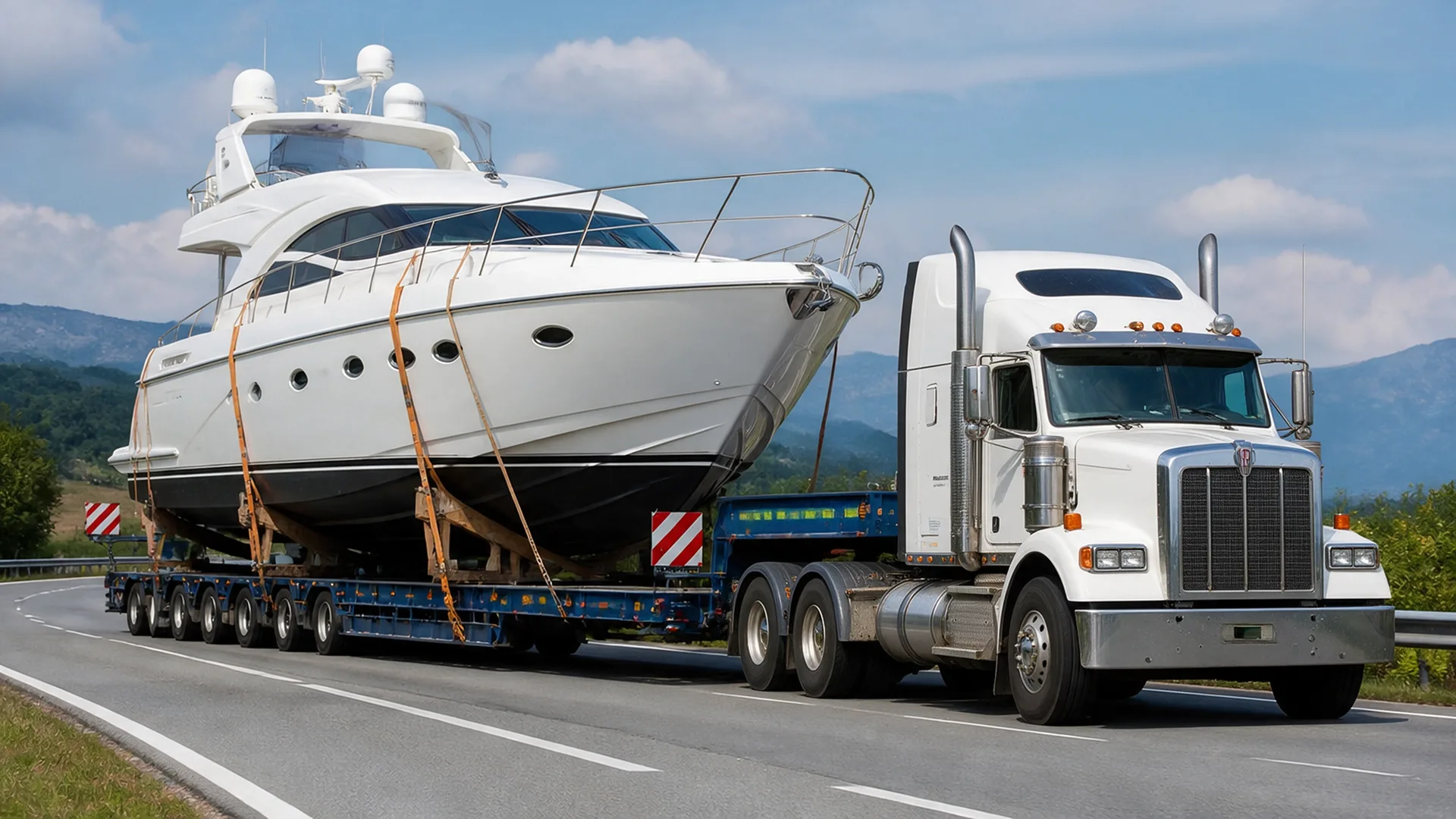
Oversized Boats Require Additional Planning
Boats exceeding legal highway dimensions require additional coordination.
Depending on width, height and route, your shipment may require:
- Oversized-load permits
- Escort vehicles
- Restricted travel hours
- Alternate routing
- Temporary removal of towers or radar equipment
These additional requirements contribute significantly to the overall cost of transporting a boat.
An experienced transporter will identify these issues during the quoting process rather than after pickup has been scheduled.
Common Mistakes That Increase Boat Transportation Costs
Many avoidable issues can increase the final invoice.
Some of the most common include:
- Providing incorrect dimensions.
- Forgetting removable accessories when measuring height.
- Waiting until peak boating season to schedule transport.
- Leaving excessive fuel onboard.
- Failing to prepare the marina for pickup.
- Assuming permits or lift fees are included.
Accurate information from the beginning allows your transporter to provide a more reliable quote and avoid unexpected delays.
Frequently Asked Questions
Are permits and escort vehicles for oversized boats included in the final quote?
Usually, reputable transport companies identify required permits during the quoting process. However, not every quote automatically includes permit fees or escort vehicles. Always ask what charges are included before booking.
Can the vessel be transported on its own custom trailer instead of a commercial flatbed?
Often, yes. The transporter will inspect the trailer to ensure it is roadworthy and appropriate for the trip. Some larger boats, however, require specialized commercial transport equipment regardless of whether a trailer is available.
Who is directly responsible for paying marina lift and rigging fees during loading?
Responsibility varies by contract. Some transport quotes include these expenses, while others require the customer to pay the marina directly. Clarify these costs before scheduling pickup.
Are unexpected toll charges and weigh station fees factored into the initial estimate?
Professional estimates generally account for anticipated transportation expenses. If unusual routing becomes necessary because of weather, road closures or permit changes, additional costs may occasionally apply. Ask your transporter how these situations are handled.
What is the strict cancellation policy if severe weather prevents the scheduled pickup?
Policies differ between companies. Most professional transporters understand that weather can affect safety and scheduling. Review the cancellation and rescheduling terms before placing your order.
Ready to Move Your Boat?
Whether you're relocating across the state or across the country, understanding boat transport cost helps you compare quotes, prepare your vessel properly and avoid unexpected expenses.
Working with an experienced transporter, providing accurate measurements and preparing your boat before pickup can make the entire process smoother from start to finish.
If you're ready to discuss your shipment or receive a personalized quote, contact us now.