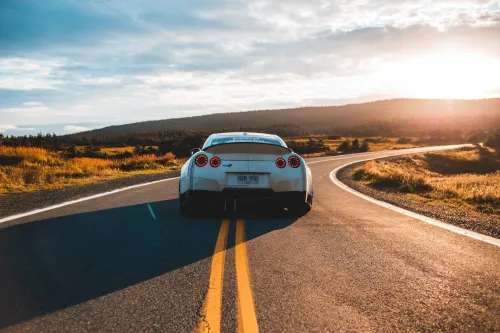

Online car shopping gives buyers a much wider field to choose from. Instead of being limited to nearby dealer inventory, you can search across the country for a specific model, color, trim level or price and often handle much of the purchase remotely.
The downside is that you may be buying a car you haven't driven or inspected in person. When comparing buying cars online vs dealership offers, the practical choice comes down to what matters more to you. Is having more vehicles to choose from or being able to see and drive the car before you commit more important?
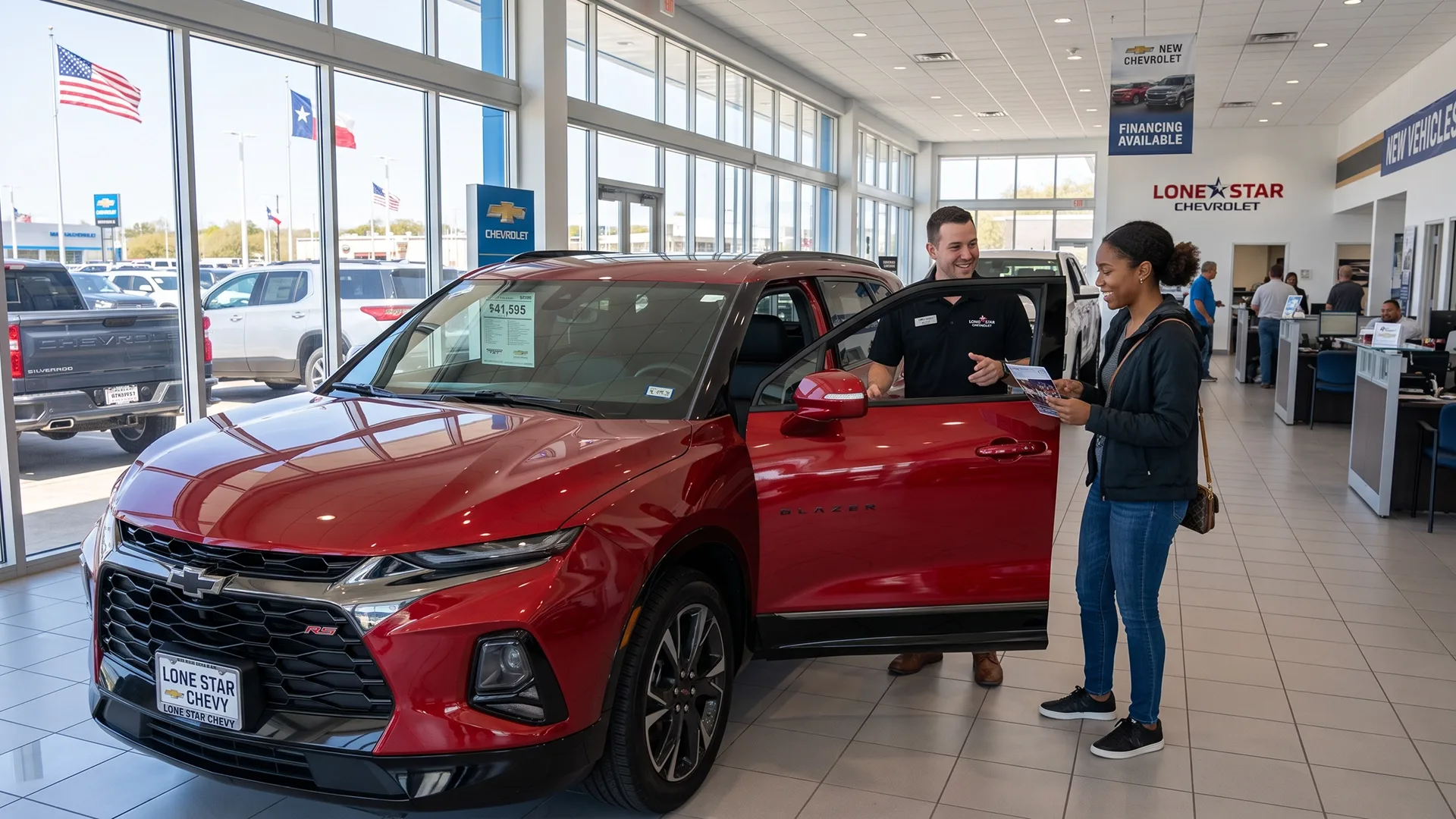
Buying a Car Online vs. at a Dealership
Here's how the two approaches compare in the areas that matter most to buyers.
Comparison Factor |
Buying Online |
Buying at a Dealership |
|---|---|---|
Vehicle Selection |
Nationwide search can provide far more choices |
Primarily limited to local inventory and dealer trades |
Ability to Inspect the Car |
May require an independent third-party inspection |
You can inspect the vehicle yourself before buying |
Test Drive |
Usually unavailable for a distant vehicle |
Usually available before purchase |
Price Comparison |
Easy to compare many listings quickly |
Requires comparing individual dealers and offers |
Negotiation |
Varies by seller and platform |
Often possible directly with the dealer |
Purchase Convenience |
Much of the transaction may be completed remotely |
Usually requires time at the dealership |
Paperwork |
Often handled electronically |
Usually completed with the dealer |
Vehicle Delivery |
Shipping or another pickup arrangement may be required |
Local buyers can usually drive the vehicle home |

Why to Buy a Car Online?
Selection is the strongest argument for online shopping, particularly if you know exactly what you want.
A local search may turn up several examples of a common late-model sedan or crossover. Start looking for a specific trim level, an uncommon option package, an enthusiast car or an older vehicle in exceptional condition and the equation changes. Expanding your search to another state or across the country can dramatically improve your chances of finding the right car.
Online shopping also makes price comparison easier. You can quickly see what comparable vehicles are advertised for in different markets rather than visiting several dealerships individually.
Convenience matters too. Research, price comparisons, financing arrangements and much of the paperwork can often be handled from home. If the right vehicle is hundreds or thousands of miles away, a buyer can arrange to ship a car to another state rather than traveling to retrieve it.
Those advantages explain much of the appeal behind the pros and cons of buying a car online, but they don't eliminate the risks of buying something you haven't personally seen.
How to Reduce the Risk of Buying a Car Remotely
Treat a remote purchase differently from buying a car you can inspect yourself. Photos and a clean-looking listing are starting points, not proof of condition.
For a used vehicle, ask the seller for the vehicle identification number (VIN) before committing to the purchase. Review the vehicle's history and check for title problems, reported damage and other warning signs.
The Federal Trade Commission's used-car buying guidance recommends getting a vehicle history report and having a used car inspected by an independent mechanic, even when a dealer describes it as certified.
A history report isn't a substitute for an inspection. It can contain valuable information about a car's past without revealing a current mechanical problem, poorly completed repair or worn component.
For a vehicle you can't inspect personally:
- Arrange a pre-purchase inspection with an independent mechanic or inspection service you choose.
- Ask for detailed photos or live video of the actual vehicle, including any flaws or damage.
- Confirm that the VIN on the paperwork matches the vehicle you're buying.
- Review the vehicle history and title information.
- Check the VIN for open recalls using the National Highway Traffic Safety Administration recall lookup.
- Get the purchase price, fees, warranty terms, return policy and other promises in writing before sending payment.
If a seller won't cooperate with reasonable requests for an independent inspection or documentation, consider another car.
Check the Seller as Carefully as the Car
Evaluating the vehicle is only half of a remote purchase. You also need confidence that you're dealing with a legitimate seller.
With a dealership, verify the business independently rather than relying solely on information in the listing. Look at reviews from multiple sources and pay particular attention to repeated complaints involving vehicle condition, titles, unexpected fees or delivery.
Private-party purchases deserve additional caution. Confirm the seller's identity and make sure the name on the vehicle title and other documentation makes sense for the transaction. Be especially wary of pressure to send money quickly or use an unusual payment method.
The FTC advises online shoppers to investigate sellers, review return and shipping policies and keep records of purchase communications. It also warns against sellers who insist on difficult-to-recover payment methods such as gift cards, cryptocurrency or certain money transfers.
What Does Buying at a Dealership Still Do Better?
A physical dealership has one advantage the internet can't duplicate: you can experience the actual vehicle before you own it.
A test drive may reveal things that specifications, photographs and history reports won't. You can assess seating comfort, visibility, noise, steering, braking and whether you simply like driving the car. With a used vehicle, you can also inspect its cosmetic condition yourself before arranging an independent mechanical inspection.
Negotiating face-to-face may appeal to some buyers, although it isn't automatically a guarantee of a lower price. Likewise, buying online doesn't automatically mean you'll pay less. Compare the complete cost of the transaction rather than assuming either sales method has an inherent price advantage.
A local dealership can also be simpler when you need a vehicle immediately. Once financing, insurance and paperwork are complete, you can often take the car home rather than waiting for delivery.
Look at the Out-the-Door Price, Not Just the Listing
Whether you're considering buying car online vs dealership, compare what you'll actually pay.
Ask for an itemized out-the-door price that identifies the vehicle price and additional charges. Depending on the transaction, those can include sales tax, title and registration charges, documentation fees, dealer-installed accessories, service contracts and delivery or transportation.
The FTC specifically recommends getting the out-the-door price in writing when shopping for a used vehicle from a dealer. This makes it easier to identify unexpected add-ons and compare competing offers.
For an out-of-state purchase, include the cost of getting the car home in your comparison. A distant vehicle can still be the better buy, but a $1,000 difference in advertised price doesn't necessarily save you $1,000 after transportation and other costs are included.
Getting an Online Purchase Home
Once you've bought a distant vehicle, you have another decision to make: travel to get it or have it transported.
Flying to the seller and driving home can make sense for a relatively short distance or when the road trip itself appeals to you. For a long-distance purchase, professional transport avoids adding hundreds or thousands of miles to a car you just bought, along with the fuel, lodging and travel time required to retrieve it.
Nexus works with online car sellers and dealerships to coordinate vehicle pickup after a sale. That can be particularly useful when you're not physically present to manage the handoff yourself.
For most vehicles, open auto transport is the practical choice. A collector, exotic or especially valuable vehicle may justify enclosed auto transport for additional protection from weather and road debris.
With door-to-door car shipping, the carrier can collect the vehicle from the seller or dealer and deliver it as close as safely possible to your chosen destination. This allows the purchase and transportation to function as parts of the same remote transaction rather than requiring a separate trip to retrieve the car.
FAQs
Can I return a car bought online if problems are discovered after delivery?
Don't assume you can. Return and cancellation rights depend on the seller's written policy, your contract and applicable state law. Before buying remotely, read the return policy carefully and get any promises about returns, warranties or vehicle condition in writing.
What additional fees can come up when buying a car online or from a dealership?
Possible costs include documentation fees, taxes, title and registration charges, dealer-installed accessories, service contracts and transportation or delivery charges. Financing also affects the total amount you'll pay. Ask for an itemized out-the-door price before agreeing to the purchase so you can compare offers on the same basis.
How do title and registration work when buying a car from another state?
Requirements depend on your home state and the details of the sale. A dealership may handle some title, tax and registration paperwork for an out-of-state buyer, while another transaction may require you to complete those steps with your state's motor vehicle agency. Before paying for the vehicle, confirm who will process the title, where sales tax will be collected, what documents you'll receive and whether you'll need a temporary permit before the vehicle can legally be driven.
Who is responsible if the vehicle is damaged during delivery after an online purchase?
That depends on when the damage occurred and who arranged and performed the transportation. Document the vehicle's condition before it leaves the seller and inspect it again when it arrives.
Which Way Should You Buy a Car? Online or Dealership?
Buying locally makes sense when inspecting and test-driving the exact vehicle before committing is important to you, or when you need the car immediately. Buying online becomes much more compelling when finding the right vehicle matters more than finding one nearby.
For a remote used-car purchase, don't let convenience replace careful scrutiny. Verify the seller, check the vehicle's history, arrange an independent inspection and understand the complete purchase price before sending any money.
And if the best car turns out to be several states away, distance doesn't have to take it off your shopping list. Nexus Auto Transport can coordinate pickup from a dealer or seller and delivery to your destination. Get an Instant Quote to see how transportation will affect the total cost of your purchase.