

Relocating to a new home involves countless moving parts, and managing more than one vehicle can add another layer of complexity. Professional car relocation companies can transport your vehicle while you focus on the rest of your move.
People use vehicle relocation services for interstate moves, military transfers, seasonal relocations, college moves, extended work assignments and online vehicle purchases. This guide explains how the process works, helps you choose the right transport option, avoid unnecessary costs and prepare your vehicle for a smooth delivery.
What Is a Car Relocation Service?

It transports your vehicle from one location to another using an open or enclosed auto carrier. Most customers arrange the shipment through a licensed transportation broker, who matches it with a qualified independent carrier operating on your route. The carrier transports the vehicle, while the broker coordinates the shipment and serves as your primary point of contact.
A vehicle relocation service can make sense when you:
- Are moving to another state.
- Need to transport more vehicles than your family can drive.
- Are relocating for work or military service.
- Spend part of the year in another state.
- Purchased a vehicle from a distant seller.
- Want to avoid adding unnecessary mileage to your vehicle.
For many families, shipping a vehicle reduces travel time, fuel costs, hotel expenses and the stress of coordinating multiple drivers during an already demanding time.
How Vehicle Relocation Services Work
Although every shipment is unique, most follow the same basic process.
1. Request a Quote
The first step is providing information about your shipment, including:
- Pickup and delivery ZIP codes
- Vehicle year, make and model
- Whether the vehicle runs
- Preferred pickup window
- Open or enclosed transport
- Modifications affecting ride height or ground clearance
Accurate information produces a more accurate quote and helps match your shipment to the right carrier for your needs. The easiest way to get started is by using the Nexus Auto Transport car shipping calculator, which estimates your shipping cost based on your vehicle, route, and preferred transport method.
2. Choose Open or Enclosed Transport
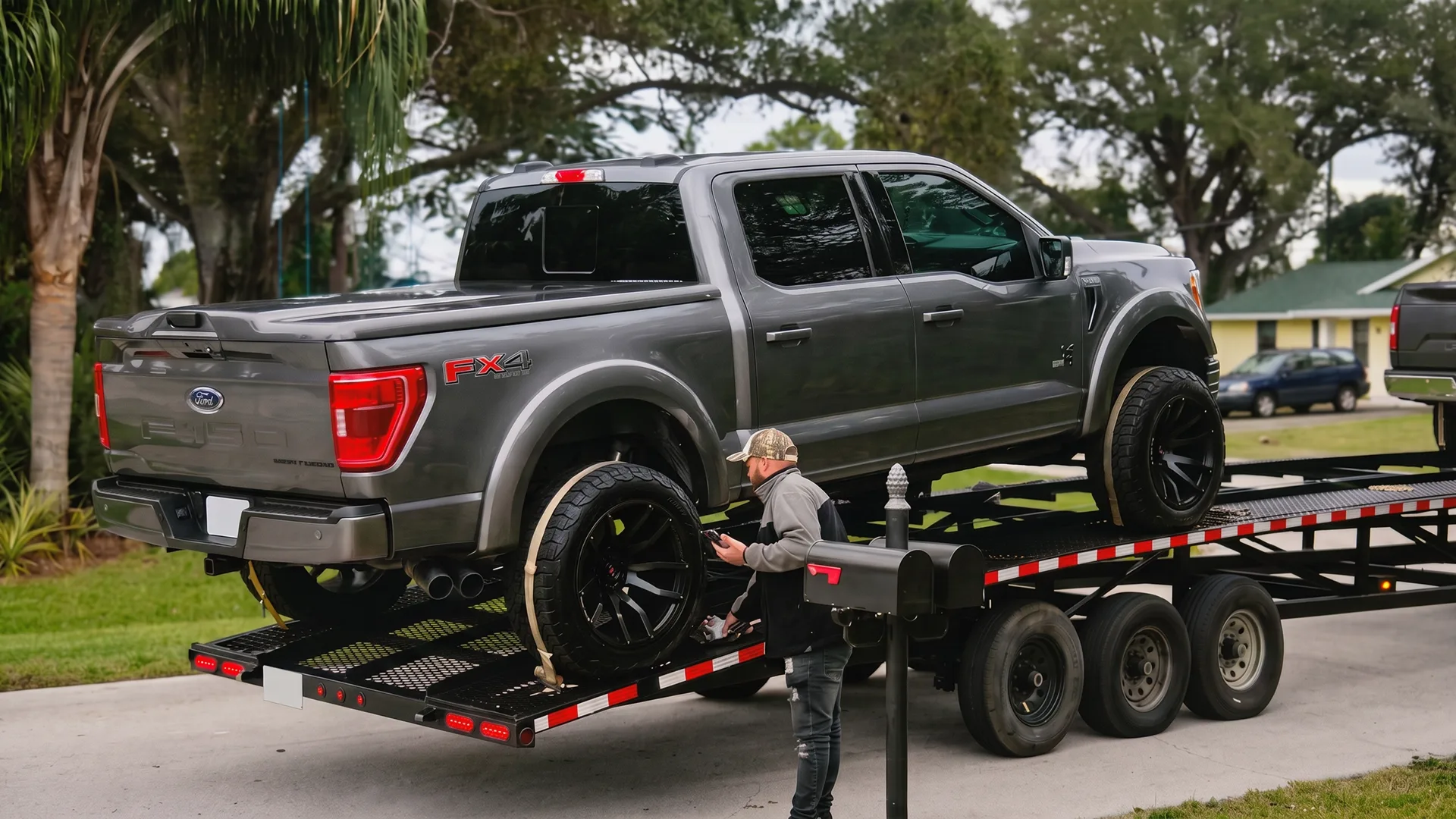
Customers can choose between open and enclosed transport.
Open transport is the most common option. These multi-vehicle carriers move thousands of vehicles daily and offer the best balance of availability and value.
Enclosed transport is often selected for collector cars, luxury vehicles and heavily modified vehicles, where owners may prefer a fully enclosed trailer based on the vehicle's value or uniqueness and decide the additional cost of enclosed auto transport is worthwhile.
Open vs. Enclosed Auto Transport Comparison
Evaluation Criteria |
Open Transport |
Enclosed Transport |
|---|---|---|
Relative Price Level |
Lower overall cost |
Higher due to specialized equipment |
Protection from Weather |
Exposed to normal weather |
Protected inside an enclosed trailer |
Risk of Road Debris |
Some exposure |
Significantly reduced exposure |
Ideal Vehicle Type |
Daily drivers, SUVs, pickups, family vehicles |
Luxury, classic, exotic, restored and modified vehicles |
Carrier Availability Wait Time |
More widely available |
Fewer carriers may increase scheduling time |
Preparing Your Vehicle for Pickup
A little preparation helps prevent delays and makes the inspection process smoother.
Before the carrier arrives:
- Wash the vehicle so existing damage is easy to identify.
- Photograph the exterior from multiple angles.
- Remove personal belongings and valuables.
- Secure loose accessories.
- Disable the alarm.
- Leave about one-quarter tank of fuel.
- Tell the driver about mechanical issues or fluid leaks.
- Have a working set of keys available.
At pickup, you and the driver will complete a vehicle inspection and document its condition on the Bill of Lading. Review the inspection carefully before signing and keep a copy for delivery.
What Affects the Cost of Car Relocation?
There is no standard price for vehicle relocation services because every shipment is different. Rates are based on how easily a carrier can match your vehicle to an available route. The biggest pricing factors include:
Distance and Route
Longer trips generally cost more overall, although the cost per mile often decreases on cross-country routes. Shipping between major metropolitan areas is typically easier than transporting a vehicle to or from a rural location.
Vehicle Size and Condition
Larger vehicles take up more trailer space and add weight, which can increase shipping costs. If your vehicle does not start, steer, or brake, the carrier may need specialized loading equipment, which can result in a higher rate.
Transport Type
Open transport is usually the most affordable option because more carriers offer it. Enclosed transport costs more due to lower trailer capacity and greater protection.
Season and Scheduling
Demand fluctuates throughout the year. Summer moves, snowbird migration, and severe winter weather can all affect pricing and carrier availability. Flexible pickup dates often provide more scheduling options and may reduce costs.
Choosing the Right Car Relocation Service
The lowest quote isn't always the best value. A realistic estimate, backed by clear communication, is often a better indicator of quality car relocation services than an unusually low price.
Before booking, consider these questions:
- Is the company registered with the Federal Motor Carrier Safety Administration (FMCSA)?
- Does the quote clearly explain what is included?
- Will the shipment be handled through a broker or directly by a carrier?
- What cargo insurance does the assigned carrier provide?
- How will schedule updates be communicated?
A reputable provider should explain the process, answer your questions directly, and set realistic expectations rather than promising impossible pickup or delivery times.
Plan Ahead for a Smoother Move
Treat vehicle relocation as part of your overall moving plan rather than a last-minute task. If you're auto relocating, schedule your shipment early, decide who will release and receive the vehicle, and confirm that both pickup and delivery locations can accommodate a large transport truck. If not, the driver may arrange a nearby meeting point.
Don't leave medication, important documents, electronics or valuables in the vehicle. Most carriers prohibit personal belongings, and cargo insurance generally doesn't cover them.
Finally, build a few days of flexibility into your schedule. Allowing extra time between your move and your vehicle's arrival can reduce stress if weather or traffic delays the shipment.

Relocate Your Vehicle with Nexus Auto Transport
Whether you're moving across the state or across the country, choosing the right vehicle relocation broker begins with understanding your options. Planning ahead and relocating your vehicle with an experienced transportation partner can simplify your move and reduce unnecessary wear on your car.
Nexus Auto Transport coordinates shipments through a nationwide network of independent carriers, helping customers compare open and enclosed transport, schedule convenient pickup windows, and receive updates throughout the transportation process.
Ready to begin? Use the online car shipping calculator to request a personalized estimate or contact the Nexus team to discuss your transportation needs.
Frequently Asked Questions
Can I pack personal belongings or luggage inside my car during transit?
Most carriers require vehicles to be empty. Some may allow a small amount of personal property with prior approval, but it typically isn't covered by cargo insurance. Never leave valuables, medication, legal documents or electronics in the vehicle.
How far in advance should I schedule the pickup to guarantee my preferred dates?
While no company can guarantee standard pickup dates, booking one to two weeks in advance usually offers the best selection of carriers. During peak moving seasons or for enclosed transport, scheduling even earlier is recommended.
What happens if the transport is delayed due to extreme weather or road closures?
Safety comes first. Weather, road closures and traffic can delay pickup or delivery, so shipping dates are provided as windows rather than exact appointments. Your carrier will provide updated arrival estimates as conditions change.
Can I designate a representative to sign the condition report if I am unavailable during delivery?
Yes. You may authorize another adult to inspect the vehicle, sign the delivery paperwork and accept the keys. That person should compare the vehicle's condition with the original inspection report before signing.
Is the initial booking deposit fully refundable if my moving plans change?
Refund eligibility depends on when you cancel. Under Nexus Auto Transport's current policy, cancellations made before a carrier is assigned are generally eligible for a refund, less the applicable cancellation fee. Once a carrier is assigned, the deposit is nonrefundable. Review the current cancellation policy before booking, as terms may change.
Relocate Your Vehicle with Nexus Auto Transport
Moving is stressful enough without adding a long-distance drive to your to-do list. Nexus Auto Transport helps simplify vehicle relocation by matching your shipment with the right carrier and transport option, so you can focus on the rest of your move.
Whether you're shipping a family sedan, an SUV, a classic car, or a modified vehicle, planning ahead and choosing an experienced transportation partner can help make your relocation more predictable from pickup through delivery.
Ready to get started? Use the Nexus Auto Transport car shipping calculator for a personalized quote, or contact our shipping experts to discuss your relocation and find the transportation option that best fits your schedule and budget.