A cross-country move is exciting, but it can also put serious pressure on your budget. Between moving trucks, fuel, hotels, security deposits and utility hookups, expenses add up quickly.
The good news is that saving money doesn't always mean doing everything yourself. In many cases, the cheapest way to move across the country is the option that reduces unexpected expenses, protects your belongings and helps you avoid costly mistakes.
Whether you're buying your first home, relocating for work or moving to a new state for a fresh start, these 20 practical strategies can help you keep your move affordable without sacrificing peace of mind.

Start by Comparing Every Moving Option
Customer question: Which moving method is actually the least expensive?
The answer depends on how much you're moving, how far you're traveling and how much time you have. The lowest advertised price isn't always the lowest overall cost.
Relocation Method |
Upfront Cost Level |
Travel Time |
Hidden Expenses to Expect |
|---|---|---|---|
Driving Your Own Vehicle |
Low |
Several days |
Fuel, hotels, meals, maintenance, tire wear, depreciation |
Renting a Moving Truck |
Moderate |
Several days |
Fuel, insurance, tolls, equipment rental, parking |
Utilizing Shipping Containers |
Moderate |
Flexible |
Storage fees, loading labor, delivery windows |
Hiring Full-Service Professional Movers |
High |
Fast |
Packing services, valuation coverage, specialty item fees |
Shipping Your Vehicle with Nexus Auto Transport |
Moderate |
Vehicle travels separately |
Carrier availability, timing preferences |
Before deciding, compare the total cost, not just the initial quote.

20 Ways to Save Money on a Cross-Country Move
1. Declutter Before You Pack
Every box costs money to move. Sell, donate or recycle anything you no longer use. Fewer belongings mean lower moving costs, less packing material and fewer hours loading and unloading.
2. Create a Detailed Moving Budget
List every expected expense before spending a dollar.
Include:
- Moving services
- Fuel
- Hotels
- Meals
- Utility deposits
- Storage
- Packing supplies
- Emergency expenses
A written budget helps prevent small purchases from becoming expensive surprises.
3. Move During the Off-Season
Summer is the busiest and most expensive moving season. If possible, schedule your move during fall, winter or early spring. You'll often find lower rates and greater scheduling flexibility.
4. Book Early
Waiting until the last minute usually limits your choices. Booking several weeks in advance often results in better pricing and allows you to choose dates that fit your schedule instead of paying premium rates.
5. Compare Multiple Quotes
Never accept the first estimate. Request quotes from several reputable companies so you can compare pricing, included services and cancellation policies.
6. Pack Yourself
Professional packing is convenient, but it adds to the overall cost. If your schedule allows, packing your own belongings can save hundreds or even thousands of dollars.
7. Find Free Moving Boxes
Before purchasing boxes, check:
- Grocery stores
- Liquor stores
- Office supply stores
- Facebook Marketplace
- Local community groups
Many businesses recycle sturdy boxes every week.
8. Use Household Items as Packing Material
Instead of buying extra packing supplies, wrap fragile items with:
- Towels
- Blankets
- Bedding
- Sweatshirts
- Linens
You'll protect your belongings while reducing packing costs.
9. Ask Friends and Family for Help
A few helping hands can eliminate the need to hire loading labor. Providing lunch and refreshments is usually much less expensive than paying an hourly moving crew.
10. Keep an Accurate Inventory
Create a detailed inventory before moving. Knowing exactly what you're transporting helps you stay organized, reduces the chance of lost items and makes unpacking much easier.
11. Understand the Hidden Cost of Driving
Driving yourself may appear to be the cheapest cross-country move, but don't forget to include:
- Fuel
- Hotel stays
- Meals
- Tolls
- Oil changes
- Tire wear
- Additional maintenance
- Vehicle depreciation
These expenses can quickly narrow the price difference between driving and professional vehicle transport. Something as simple as AAA’s fuel cost estimator for trips can help make the decision between DIY and auto transport.
12. Consider Shipping Your Vehicle
Many people assume driving is automatically cheaper. However, once you factor in several days on the road, lodging, fuel and added wear on your vehicle, professional auto transport can become surprisingly competitive. Shipping your car also allows you to fly to your new home or focus on driving a moving truck instead of coordinating multiple vehicles.
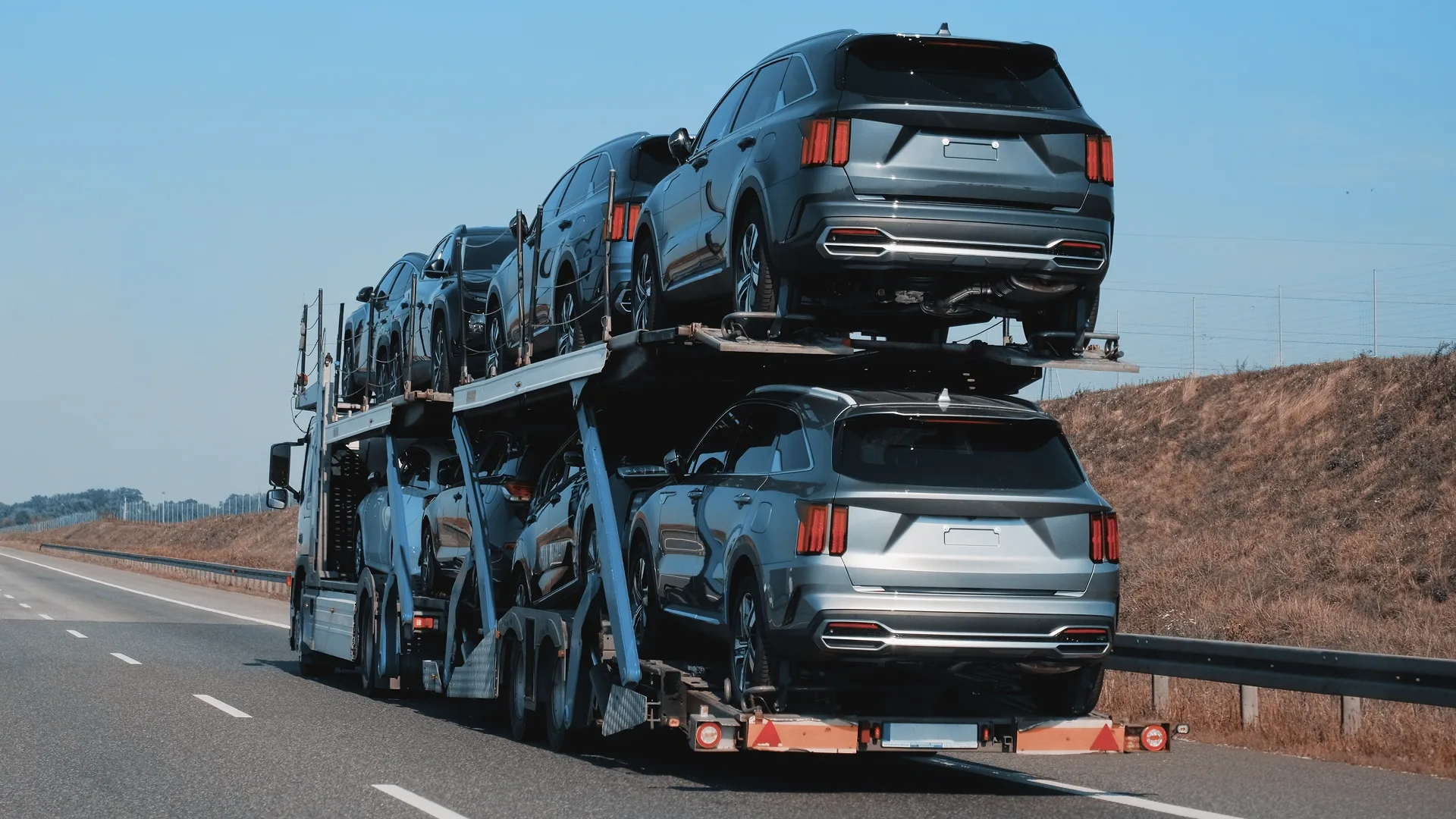
If you're already planning a long-distance relocation, learn more about moving across the country to see how vehicle shipping can simplify your overall move.
13. Choose the Right Moving Service
Not every move requires full-service movers.
Depending on your situation, you may save money with:
- A rental truck
- Portable moving containers
- Freight shipping
- Hybrid moving services
Select the option that matches your budget and workload instead of paying for services you don't need.
14. Ask About Discounts
Many companies offer discounts for:
- Military members
- Seniors
- Students
- AAA members
- Early reservations
It never hurts to ask.
15. Avoid Paying for Unnecessary Storage
Try to coordinate your move-out and move-in dates as closely as possible. Every extra week in storage adds another expense to your relocation budget.
16. Read Every Estimate Carefully
The cheapest quote isn't always the best value.
Pay attention to:
- Insurance coverage
- Fuel surcharges
- Stair fees
- Long carry charges
- Delivery windows
- Cancellation policies
Knowing what's included helps prevent unexpected charges later.
17. Protect Valuable Items
Replacing damaged belongings is far more expensive than properly protecting them.
If you're transporting valuable furniture, artwork or electronics, consider moving insurance for additional financial protection. That will help with future unexpected expenses when you want to move cheap across country.
18. Schedule Utilities Carefully
Avoid paying for overlapping utility service at both homes. Arrange for electricity, internet, and water to be activated shortly before arrival, and promptly disconnect service at your previous residence.
19. Use a Moving Cost Calculator
Every relocation is different. How to move cross country on a budget is easier with our moving cost estimator. It helps you understand your expected expenses before committing to a moving plan.
20. Work With Reputable Companies
The lowest price isn't always the lowest total cost.
Reliable companies communicate clearly, provide transparent pricing and help avoid expensive delays or unexpected problems during your move.
Reading a company's review page is one of the easiest ways to determine whether previous customers had positive experiences.
Why Booking Through an Auto Transport Broker Can Save You Money
Many people request quotes from individual carriers one at a time. An experienced auto transport broker compares multiple qualified carriers for you, helping you secure competitive pricing and match your shipment with available capacity. That often saves both time and money compared with contacting carriers individually.
Frequently Asked Questions
How do I calculate the hidden expenses of driving my own vehicle during a long-distance move?
Add together fuel, hotel stays, meals, tolls, parking, oil changes and estimated vehicle depreciation. Comparing those costs against an auto transport quote provides a more accurate picture of your total relocation expenses.
Is it cheaper to ship a vehicle than to drive it cross-country when factoring in lodging and food?
It can be. For long-distance moves, the combined cost of hotels, meals, fuel and vehicle wear can sometimes approach or exceed the cost of professional vehicle shipping, particularly for larger vehicles or multi-day trips.
What is the most budget-friendly month of the year to schedule a long-distance relocation?
Late fall, winter and early spring typically offer lower demand than the peak summer when you want to move cheap across country. Greater availability can translate into lower prices and more flexible scheduling.
How can I verify if a corporate relocation package covers car transport services?
Ask your employer's human resources department or relocation coordinator for a written summary of covered benefits. Some relocation packages include vehicle shipping, while others reimburse transportation expenses up to a specified limit.
Estimate Your Moving Costs Before You Commit
The cheapest way to move across country isn't always the option with the lowest advertised price. The most affordable move is the one that accounts for every expense, avoids unnecessary costs and fits your schedule.
Whether you're transporting an entire household or simply need to move your vehicle, planning ahead can make a significant difference.
Start by using our estimate moving costs calculator to build a realistic relocation budget before making any decisions.
Have questions about vehicle shipping or your upcoming move? Contact us and our team will be happy to help you plan a smoother, more affordable relocation.