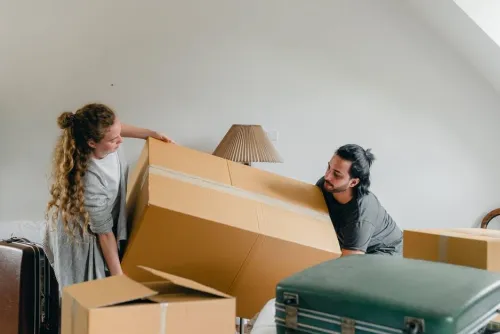

When you’re trying to coordinate moving to a new home, apartment, condo, or vacation rental, things can quickly get stressful. There are many moving parts. Everything from what box to label so it ends up in the right space at your new location to make sure the family dishes don’t break in transit is crucial.
It’s easy to underestimate how much work goes into moving from one home to another. If you don’t have the right supplies on hand before, during, and after transit, you can easily waste time and put your treasured items at risk.
To help alleviate that stress, here is a quick list of the essential moving supplies you’ll want to secure. There are also some things you don’t need to waste your money on. When you combine this list with auto shipping from Nexus Auto Transport, you save time and effort while getting peace of mind that your goods are well protected as you start a new adventure in a new home.
Why the Right Moving Supplies List Save You Money
The moving services industry earns well over $21.3 billion annually. That’s revenue from college students leaving home, snowbirds heading south, families relocating for better housing, professionals starting new jobs, and even military members retiring or changing stations.
When you’re buying moving supplies, it can feel like a “stacked” expense. The problem is that without the right materials, you can end up with a broken TV, cracked mirrors, or damaged furniture, all of which can cost much more to replace, especially if they’re antique or heirloom pieces.
Taking the time to plan a few weeks ahead and pick up the proper supplies makes the move more efficient. Something as simple as uniform-sized boxes, securely taped and labeled, makes stacking, loading, and unloading later easier. Organized packing, along with the right documentation and photos, also helps you file an insurance claim should something go wrong.
You want to save as much money as possible to set up your new home. That will help you set aside a little bit for reliable door-to-door car shipping with Nexus Auto Transport for any secondary family vehicles, boats, or ATVs.
Top Steps for Your Easy-to-Follow Moving Supplies Checklist
Step 1: Estimate What You'll Actually Need
Long before you start eyeing all the coffee cups in your kitchen, you need to think about the size of your move. Most of the supplies fall into categories of how many bedrooms you are moving from and to. For example, a 1- to 3-bedroom home may only need a small mixture of small, medium, large, and wardrobe boxes.
How Many Moving Supplies You Need Based on Home Size
Home Size |
Boxes Needed |
Tape Rolls |
Specialty Supplies |
Estimated Cost |
|---|---|---|---|---|
Studio/1 Bed |
20–35 boxes |
2 rolls |
1 wardrobe box, mattress bag, 2 furniture blankets, bubble wrap, labels |
$75–$150 |
2 Bedroom |
40–60 boxes |
3–4 rolls |
2 wardrobe boxes, mattress bags, 4–6 furniture blankets, hand truck rental, bubble wrap |
$150–$275 |
3 Bedroom |
60–80 boxes |
4–6 rolls |
2–3 wardrobe boxes, furniture covers, 6–8 moving blankets, furniture sliders, mattress bags |
$250–$400 |
4+ Bedroom |
80–120+ boxes |
6–8 rolls |
Multiple wardrobe boxes, appliance covers, 8–12 moving blankets, dollies, sliders, extensive protective wrapping |
$400–$700+ |
Try to resist buying only larger boxes because you think they’re more efficient. You want a good variety based on your items. Plus, you don’t want to lift something too heavy or have it be “tippy” in the truck.
Your box moving packing essentials should include:
- Small Boxes: Books, tools, kitchen items, canned goods, small electronics, etc.
- Medium Boxes: Pots/pans, small appliances, toys, office supplies, pantry items, etc.
- Large Boxes: Bedding, clothing, lampshades, oversized books, sports gear, etc.
Wardrobe boxes are great only as long as you have professional clothing, a lot of dresses, or heavy winter gear. Anything you don’t want to keep folded for the number of days it will be moved and stored.

Step 2: Gather the Essential Packing Supplies
Moving Boxes:
Heavy-duty corrugated moving boxes are better than something you pick up from the local grocery store, but you can balance the cost savings based on your own needs. Don’t be afraid to ask friends if they have any extras. It’s amazing how many people have moving boxes in barns, attics, and garages. Just don’t overfill them so it's impossible to lift them on your own.
Heavy-Duty Packing Tape:
Never go with cheap packing tape on your moving materials list. It will peel, especially in hot or humid conditions. Heavy-duty packing tape that is at least 2” wide is your best bet. You’ll want that on both the top and bottom seams of every moving box. Things like masking tape, painter's tape, electrical tape, and duct tape aren’t designed for this use, so try to avoid them in your list of moving packing essentials.
Packing Paper vs. Bubble Wrap:
You’ll want both packing paper and bubble wrap. Packing paper is better for kitchenware items like plates, glasses, bowls, and decorative trinkets you’ve collected over the years. Bubble wrap should be reserved for electronics, computer gear, pictures, lamps, and artwork.
You can also double up by wrapping especially fragile collectibles in paper and then in bubble wrap. Newspaper isn’t as good as the ink can easily transfer to glass, ceramics, artwork, and certain fabrics.
Labels and Permanent Markers:
When you begin to pack up your home, you’ll quickly notice extra items you don’t need. Moving is a great way to declutter, but it also requires organization so you can identify boxes when you arrive at a new home.
Always write on labels for your boxes. Include the destination room, general contents, whether it’s heavy, and whether there are fragile items inside. If you can spring for color-coded labels (red for bedroom, blue for bathroom, etc.), that also helps.
Utility Knife, Scissors, and Tape Gun:
Just as a carpenter needs a hammer, a family getting ready to move across the country needs a utility knife with replacement blades, strong scissors that can be tightened, and an efficient tape gun. The tape gun will save you the most time when you’re dealing with 20 or more boxes.
Protective Covers:
Moving is dirty. Even the best moving truck rental has some debris and grime inside. Invest in mattress bags, sofa covers, contractor bags, and reusable moving bags for a little extra protection. That will keep out dirt, moisture, and tears. Bigger contractor bags are great for all those soft goods, stuffed animals, and coats you don’t know where else to pack.
Step 3: Gather the Supplies That Make Moving Day Easier
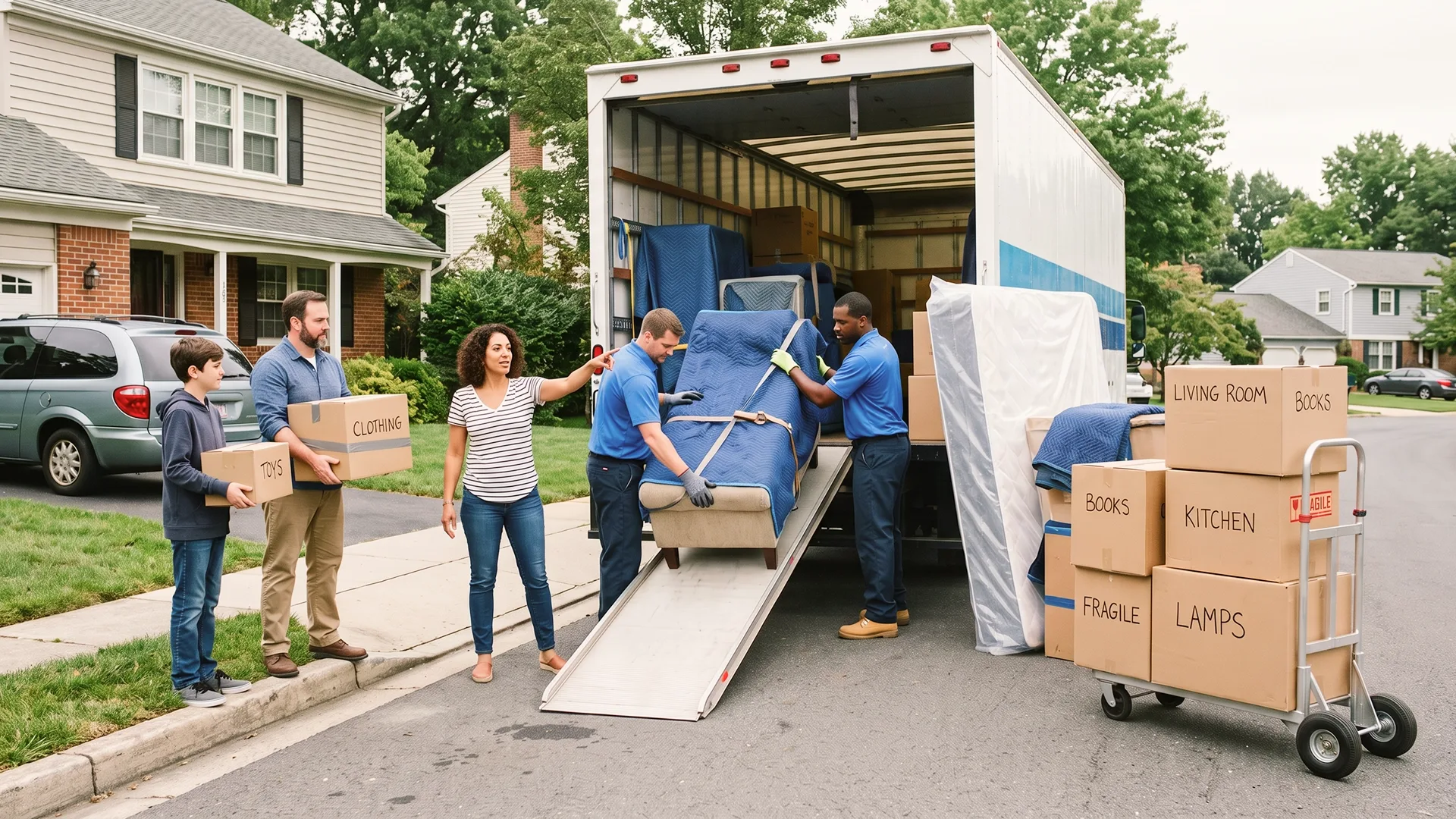
The average US home has anywhere from 1,900 to 2,300 square feet. That’s typically a 3-4 bedroom property. For that reason, you’re going to have bigger items like furniture, garage supplies, workout gear, and gardening/backyard objects. You’ll want extra protection to separate these things from the boxes. That requires:
- Moving Blankets: Great for padding between dressers, desks, headboards, and dining tables.
- Furniture Sliders: Make heavier furniture feel lighter as you’re not dragging it across floors.
- Hand Truck/Dolly: Essential to reducing the number of trips to the moving truck and to help with appliances or heavy storage containers.
- Basic Tools: A kit with a Phillips and flathead screwdriver, adjustable wrench, Allen keys, pliers, hammer, and measuring tape.
- Plastic Bags: Store screws and small furniture parts inside and label them.
- Work Gloves: Helps avoid scraped knuckles, splinters, and pinched fingers.
Outside of boxes and gear, what moving supplies do I need for other concerns? You may also want cleaning supplies on hand. Moving your family is a great opportunity to clean out old furniture that’s been sitting in one area for a long time. Try to keep a first-aid kit nearby, just in case cleaning those older pieces leads to a splinter or a small cut.
One thing that almost everyone overlooks when moving and preparing a car for auto shipping is trash bags. The amount of trash you’ll pull out of your home and car’s trunk would amaze even the tidiest resident.
Step 4: What You Don't Need to Buy
Moving costs money. You can save a lot by avoiding the items overmarketed to families or individuals in the same situation. You don’t need specialty dish boxes or excessive bubble wrap for items that are perfectly fine.
Don’t buy oversized moving boxes that won’t fit in a truck or premium moving kits with unnecessary accessories you’ll never use. Try to stick to a budget built around durable boxes, quality tape, protective padding, truck rental, and car shipping. You can also store all these items at your new place if you, a family member, or a friend moves in the next few years.
Step 5: Packing Mistakes That Cost People Time and Money
As you pack up your home, use your moving supplies checklist to efficiently put items into a truck or mobile storage unit. Never overpack boxes so they’re too heavy. It’s much smarter to host a pizza party with a salad and soda so your neighbors, friends, and family are incentivized to help you load a truck.
You also should avoid mixing items in boxes. That will take way too much time when you arrive and make things confusing. A good trick is to reserve one or two boxes with “Open First” clearly labeled. That’s where you’ll keep phone chargers, medication, toiletries, basic cookware, pet supplies, or important documents. They should be loaded last so they are the most accessible on the truck.
Simple mistakes like not disconnecting cables or sealing liquid containers should be easy enough to avoid. The biggest error is waiting too long to pack. Start several weeks ahead of time. Even packing two boxes each night goes a long way toward reducing stress on the “big day” of your move. Don’t forget to remove any personal items from your car before auto shipping.
Moving Supplies List by Stage
Stage |
Key Supplies |
Why They Matter |
|---|---|---|
Before Packing |
Moving boxes, permanent markers, labels, packing tape, inventory checklist |
Helps you organize the move and estimate supplies accurately |
During Packing |
Packing paper, bubble wrap, tape gun, utility knife, scissors, contractor bags |
Protects belongings, speeds up packing, and keeps boxes securely sealed |
Handling Fragile Items |
Bubble wrap, packing paper, moving blankets, mattress bags, "Fragile" labels |
Reduces the risk of broken dishes, electronics, and other valuable possessions |
Moving Day |
Furniture sliders, hand truck or dolly, work gloves, tool kit, cleaning supplies, first-aid kit |
Makes lifting safer, prevents property damage, and speeds loading and unloading |
After Move |
Box cutter, cleaning supplies, trash bags, labeled "Open First" boxes, storage bins |
Makes unpacking faster, simplifies cleanup, and helps you settle |
Long-Distance Moves Often Include More Than Household Goods
Hiring Nexus Auto Transport for shipping your second family vehicle, boat, ATV, or other transportation is another item on your moving supplies checklist. Everything is coordinated for you, ensuring your vehicle is matched to professional, vetted carriers who can handle everything from an oversized family SUV to an inoperable parts car you’ve been toying with for years.
With nationwide shipping and delivery options ranging from open to expedited to enclosed auto delivery, Nexus offers real-time updates and clear pricing so you can better budget your move.
Learn more with our complete guide to auto shipping so you can plan as much as possible and reduce your moving stress.
Good Preparation Makes Every Move Easier
Successful moves aren’t made by having tons of supplies you can buy. It’s completed with the right tools. Strong boxes, quality packing materials, proper labeling, and car shipping all ensure you can load, unload, and move on to the next stage of your life’s adventure without feeling overwhelmed.
Take the time to prepare. A small investment in the right combination of boxes may be all it takes to make your next move even more worry-free.
FAQs
How do I estimate how many moving supplies I’ll need for my home size?
Think about the number of rooms, not square footage. A one-bedroom home may only need 15-20 boxes. Add two or more bedrooms, and you may want 25-45 boxes.
What moving supplies are most often forgotten until the last minute?
Labeling and packing tape are among the things people forget most. There’s also a lack of moving blankets, which are crucial for furniture safety.
When should I start buying moving supplies before my move date?
Shoot for 3-4 weeks ahead of your move. That’s about the same time you’ll want to book car shipping so you get the best pricing and timeframe availability from carriers.
What moving supplies do I need for fragile or high-value items specifically?
Your moving materials list for fragile items should include packing paper first, then bubble wrap second. You can put these into boxes so they’re snug and fit well, reducing breakage or “rubbing” during transit.