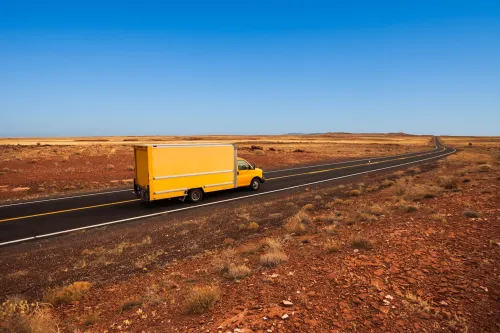
Interstate movers price shipments primarily by weight and distance, and the average household ships a lot. Most moves are roughly 3,500 pounds for a one-bedroom home, 5,000 for a two-bedroom home, and 10,000 or more for a three-bedroom home.
So, decluttering isn't simply about tidiness. It's the biggest lever people have over how much a move costs. It also makes unpacking more bearable.
The following guide offers suggestions for how to get rid of clutter and save money, which you can use for other purposes, including, potentially, shipping a vehicle to your new home.

Start Earlier Than You Think Necessary
Give yourself six to eight weeks to declutter your home and storage units. Decluttering rarely works when it happens the final week because every hard decision turns into "just box it."
- Work in 60- to 90-minute sessions in one zone at a time. For example, declutter a closet, not the entire bedroom.
- Physically remove whatever you've culled after each session.
- Sort everything into four destinations: keep, donate/sell, toss, and undecided.
The undecided box is the pressure valve that keeps the process moving; anything in the undecided box a week before the truck arrives defaults to donate.
Smart Decluttering Tips and Rules of Thumb
Below are some rules to apply when sorting items into the four categories:
- The 12-month rule. If you haven't used it in the last year, you likely won't again. Sentimental items and emergency gear are exceptions.
- The cost-to-move test. Compare the cost to move the item versus buying it new. Cheap, heavy, and replaceable is the worst combination. Don't move items like particleboard furniture, old textbooks, canned goods, half-full paint cans, and five-year-old cleaning supplies.
- The 20/20 rule. If you can replace it for less than $20 in under 20 minutes, let it go.
- The duplicate rule. How many spatulas, hammers, phone chargers, and black cardigans do you need? Keep the best one or two; eliminate the rest.
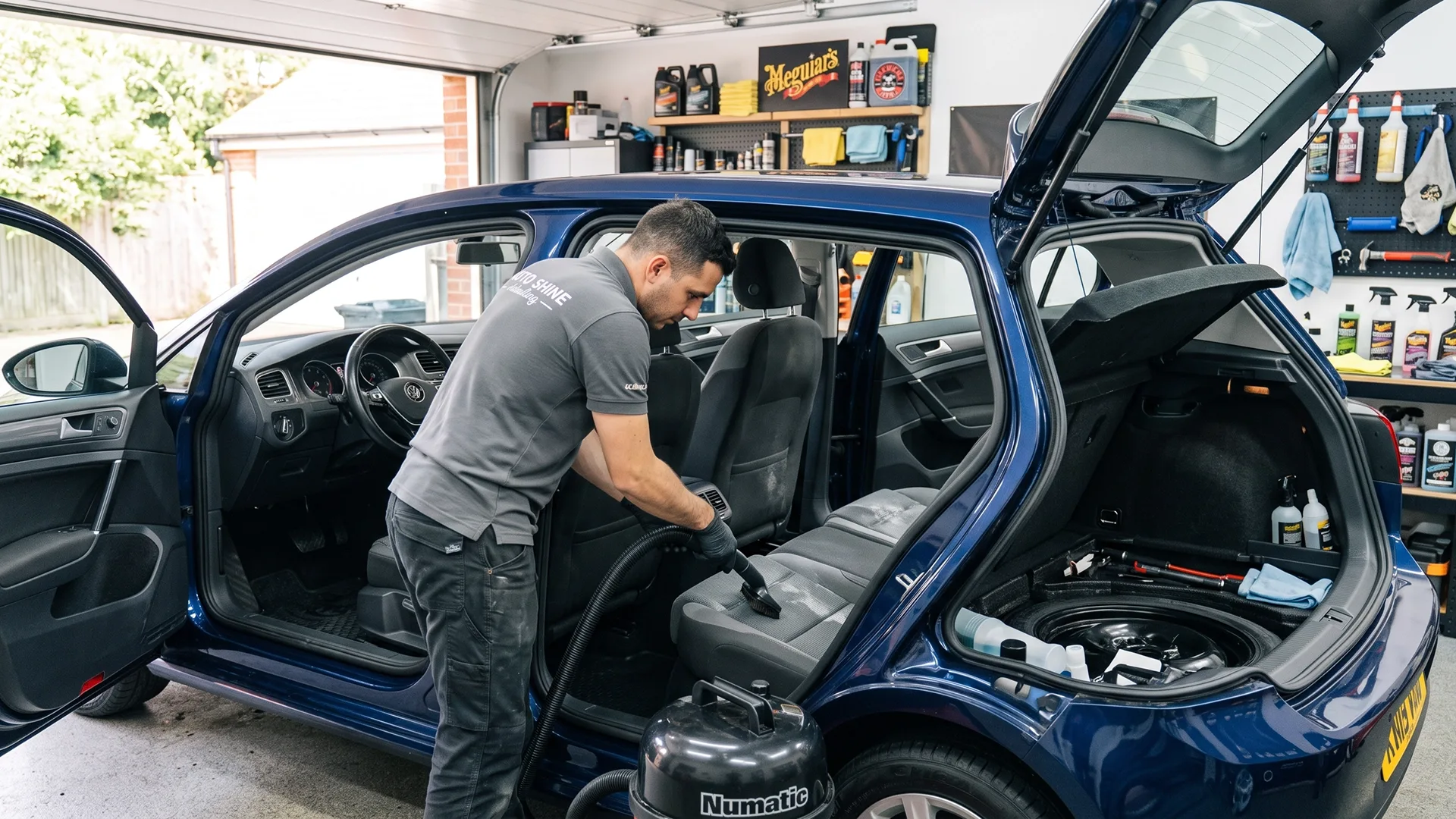
How to Get Rid of Clutter: Toss, Donate, or Sell
When to Toss
The things to toss when moving include items that are broken, stained, expired, or unsafe, including:
- Old mattresses
- Cracked plastic storage bins
- Expired medications and food
- Old paint and chemicals
- Out-of-date and nonfunctioning electronics
The IRS allows deductions only for clothing and household goods in "good used condition or better."
When to Donate
Large, low-value-per-pound items. Habitat for Humanity ReStore takes furniture, appliances, building materials, and housewares. Many local affiliates offer free pickup, which can help you get rid of old furniture.
Goodwill and similar thrift operations:
- Take clothing, small housewares, and books
- Refuse mattresses, CRT televisions, recalled cribs and car seats, and hazardous materials
Get an itemized receipt every time. Donations over $250 require written acknowledgment, and non-cash gifts totaling more than $500 require Form 8283.
When to Sell
Only sell items likely to be worth your time, such as:
- Furniture in good condition
- Tools
- Exercise equipment
- Brand-name clothing
Give yourself a hard deadline. Anything unsold one week before your move date gets donated, not repacked.
Room by Room
Thinking about the things to toss when moving can be aided with decluttering recommendations for specific rooms in your house. For example:
- Kitchen. The densest, heaviest room in the house. Purge duplicate cookware, chipped dishes, and single-purpose gadgets. Reduce grocery shopping at least one month before the move and donate unopened, unexpired shelf-stable food to a local pantry. Liquids in glass and perishable items don't travel well.
- Closets and bedrooms. If you haven't worn it in the last year, get rid of it. Shoes and coats are heavy and bulky. Get rid of extras. Old mattresses are rarely worth moving.
- Bathrooms. Nearly everything here is liquid, heavy, and cheap to replace. Toss expired medications at a drug take-back site. Toss old cosmetics and half-used toiletries. Keep a small "first night" or travel kit.
- Garage, basement, attic. These areas are where decluttering pays off. Schedule a household hazardous waste drop-off now, not shortly before the move, and eliminate those items.
- Home office. Shred outdated documents (keep tax records seven years), digitize what you can, and recycle dead electronics through a certified e-waste program.
How to Get Rid of Clutter
Every item you don't pack is an item you don't pay to move, unwrap, or find a home for in your new house. Less clutter means lower moving costs, and you can use those savings for other things, like shipping a car to your new home.
Vehicle transport is our core business. As a leading broker, Nexus Auto Transport has a nationwide network of vetted carriers experienced in all aspects of vehicle transfers. Contact us for a quote and see how our 3-step process makes it easy for you from start to finish.
Use our moving cost calculator: https://nexusautotransport.com/moving-cost-calculator/
Vehicle Decluttering and Prep Checklist for Shipping
Preparation Step | Action Required | Prohibited Items |
|---|---|---|
Trunk Organization | Confirm the personal-items allowance in writing with your broker or carrier before pickup; the 100 lbs. limit is an industry tolerance, not a legal right and none is insured. | Firearms and ammunition Flammables and aerosols Explosives, fireworks, oxidizers, corrosives, pool and automotive chemicals Alcohol, tobacco, and controlled substances Perishable food, open liquids, live plants or animals |
Cabin Clearing | Empty the glove box, center console, door and seat-back pockets, sun visors, and space under seats Remove toll transponders (E-ZPass and similar), parking permits, and garage-door remotes Remove child safety seats, dash cams, aftermarket electronics Retract or remove roof racks, bike and ski carriers, cargo boxes, and antennas; fold in the mirrors. Disable the alarm, and hand over one working key | Items on seats, floorboards, or above the window line Pets or living things Any items blocking driver visibility, seat travel, or pedal access Loose cargo anywhere in the passenger compartment |
Weight Verification | Drain the fuel tank to one-quarter full or less Disclose the vehicle’s true curb weight and modifications at booking Reconfirm the loaded weight with the driver at pickup and be prepared to remove items on the spot | Exceeding the carrier’s declared personal-item allowance Any load that pushes gross or per-axle weight past federal DOT limits Roof-mounted or exterior cargo of any kind |
FAQs
Can I leave decluttered items in my vehicle trunk during transport?
Auto transport carriers hold FMCSA authority to haul motor vehicles, not household goods, so belongings in the trunk are unlicensed freight. Carriers often tolerate 100 pounds in the trunk, below the window line and out of sight. Still, that's a courtesy, not a right, and three things follow from it:
- The driver can veto it at the curb
- Nothing in the vehicle is insured
- Some routes ban items in the truck outright
Trunk space is for a suitcase or two you're fine with losing, which you should have eliminated during decluttering.
What hazardous household items are strictly prohibited from being shipped by auto carriers?
The Department of Transportation and the Federal Motor Carrier Safety Administration set federal rules, but individual carriers may be more restrictive. Check with your mover in advance for specifics.
Items prohibited at the federal level include:
- Hazardous/Flammable Materials: gasoline, propane tanks, lighter fluid, paint, motor oil, transmission fluid, ammonia, pool chemicals, fertilizers, pressurized fire extinguishers, nail polish remover, and aerosol cans
- Explosives & Weapons: ammunition, gunpowder, fireworks. Some carriers will move unloaded firearms; others will not.
- Perishables: open or refrigerated food, plants (some states have agricultural restrictions as well), frozen food.
- Pets and plants
How does reducing my overall household weight lower auto shipping rates?
It doesn't. Your auto transport is priced per vehicle: route and mileage, carrier type (open vs. enclosed), seasonality, and the car's own size and weight. Donating a sofa doesn't move that number.