
Moving across town usually costs less than a long-distance relocation, but that doesn't mean it's inexpensive. Between truck rentals, packing supplies, deposits and taking time off work, even a short move can strain your budget.
The good news is that there are plenty of cheap ways to move without making your move harder than it needs to be.
The key is knowing where you can safely save money and where spending a little more may actually reduce your overall costs. Whether you're buying your first home, moving into a larger house, or relocating to a nearby apartment, planning ahead can help you avoid unnecessary expenses and enjoy a smoother move.
How Can I Keep the Cost of a Local Move Under Control?
The cheapest way to move locally starts long before your moving date. Many of the biggest moving expenses happen because people wait until the last minute. Popular moving companies book up quickly, truck rental prices increase during busy periods, and rushed decisions often lead to unnecessary purchases. Begin planning your move at least six to eight weeks in advance.
A simple checklist should include:
Choosing your preferred moving date
Comparing estimates from several professional movers
Decluttering your home
Gathering packing supplies
Reserving a moving truck if needed
Scheduling utility transfers
Updating your address
Planning transportation for every vehicle in your household
If you're moving with multiple vehicles, deciding how each one will reach your new home should be part of your original plan rather than an afterthought.
What Is the Most Affordable Way to Move?
There isn't one answer that works for everyone. The most affordable way to move depends on the size of your household, how much help you have available and how much of the work you're willing to do yourself.
Local Moving Methods Comparison
Method | Average Cost | Effort Level | Main Risk |
|---|---|---|---|
DIY Personal Vehicle | Lowest | Very High | Multiple trips and limited cargo space |
Truck Rental | Moderate | High | Fuel costs, labor and possible equipment shortages |
Professional Local Movers | Higher upfront | Low | Higher initial price but fewer logistical challenges |
Sometimes the least expensive option on paper isn't the lowest-cost option overall. For example, hiring movers for a few hours may cost less than renting a truck, buying equipment and spending an entire weekend moving heavy furniture yourself.
1. Declutter Before You Pack
One of the easiest and cheapest ways to move is simply to move less.
Go room by room and decide what you no longer need. Sell usable furniture, donate clothing and household goods or recycle items that have reached the end of their life.
Reducing the number of boxes can lower moving costs, reduce labor time and may even eliminate the need for a storage unit.
As an added bonus, you'll start life in your new home with less clutter.
2. Compare Quotes from Multiple Movers
Don't assume every moving company charges the same rates.
Request estimates from several companies and compare:
Hourly rates
Minimum charges
Travel fees
Insurance options
Equipment provided
Online reviews
Choosing the lowest estimate isn't always the best value if important services are excluded.
3. Move During Off-Peak Times
If your schedule is flexible, avoid moving:
Weekends
End-of-month dates
Summer weekends
Moving companies often have greater availability during weekdays, which may translate into lower prices.
Ask whether discounts are available for mid-week or mid-month moves.
4. Pack Your Own Boxes
Professional packing services can be worthwhile for fragile or valuable belongings, but packing everyday household items yourself can significantly reduce moving expenses. It’s one of the cheapest way to move short distances.
Start several weeks before your move instead of trying to pack everything during the final weekend.
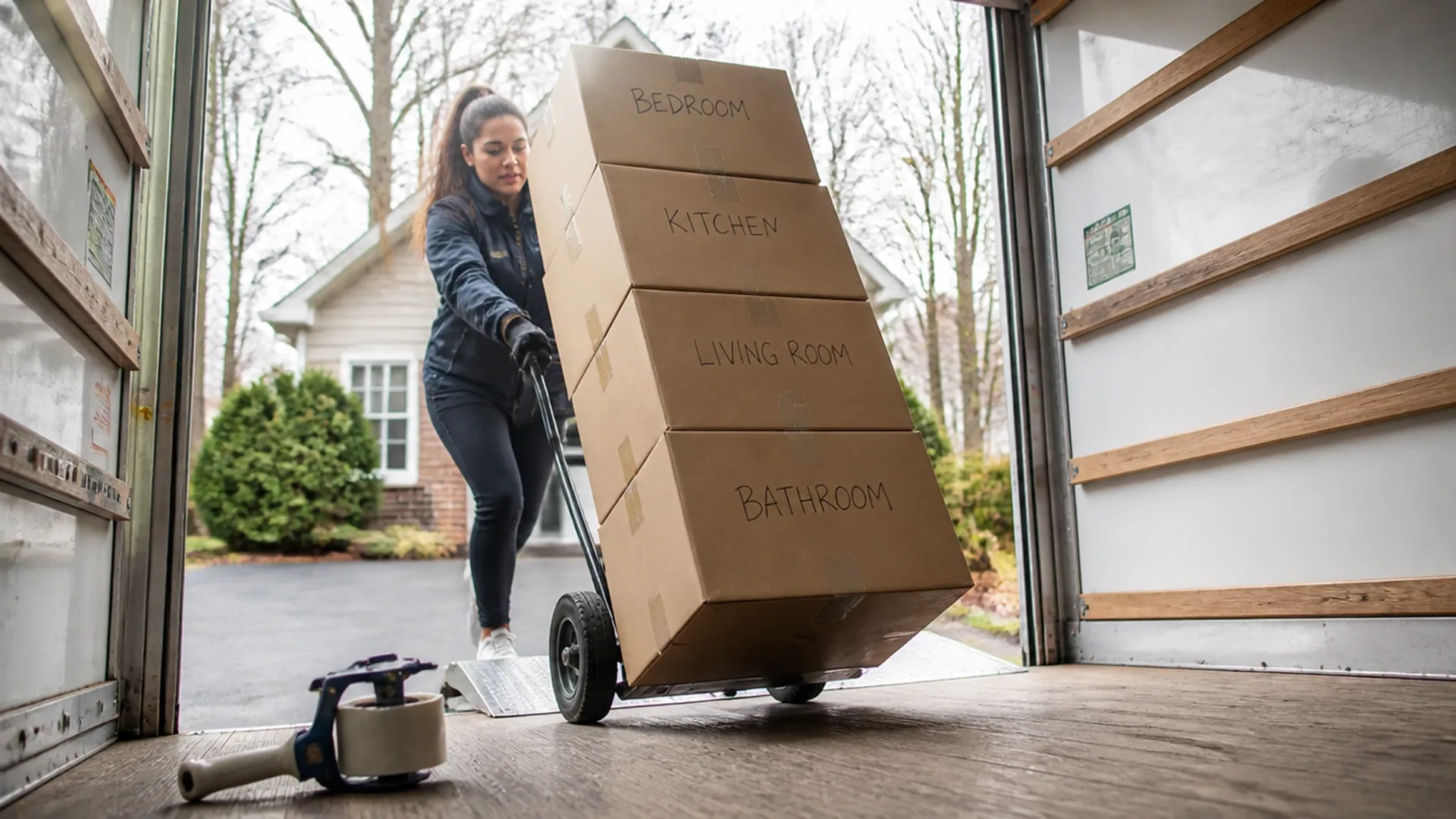
Clearly labeling every box also saves time during unloading and unpacking.
5. Find Free Packing Supplies
Moving boxes don't always have to come from a home improvement store. Many local businesses are happy to give away clean boxes after deliveries. You can also ask friends, neighbors and community social media groups for gently used moving supplies. Towels, blankets and clothing can often replace bubble wrap for durable household items.
6. Rent the Right Truck Size
A truck that's too small may require multiple trips.
A truck that's too large means paying for space you don't need.
When reserving a rental vehicle, provide an accurate description of your home so the rental company can recommend the appropriate size.
Choosing the first time correctly can save both money and frustration.
7. Hire Labor Without Full-Service Moving
Some homeowners rent their own truck but hire professional movers to load and unload it. This approach allows you to avoid the physical strain of lifting heavy furniture while still keeping overall moving costs lower than a full-service move. It can be an excellent compromise for local relocations.
8. Move Smaller Items Yourself
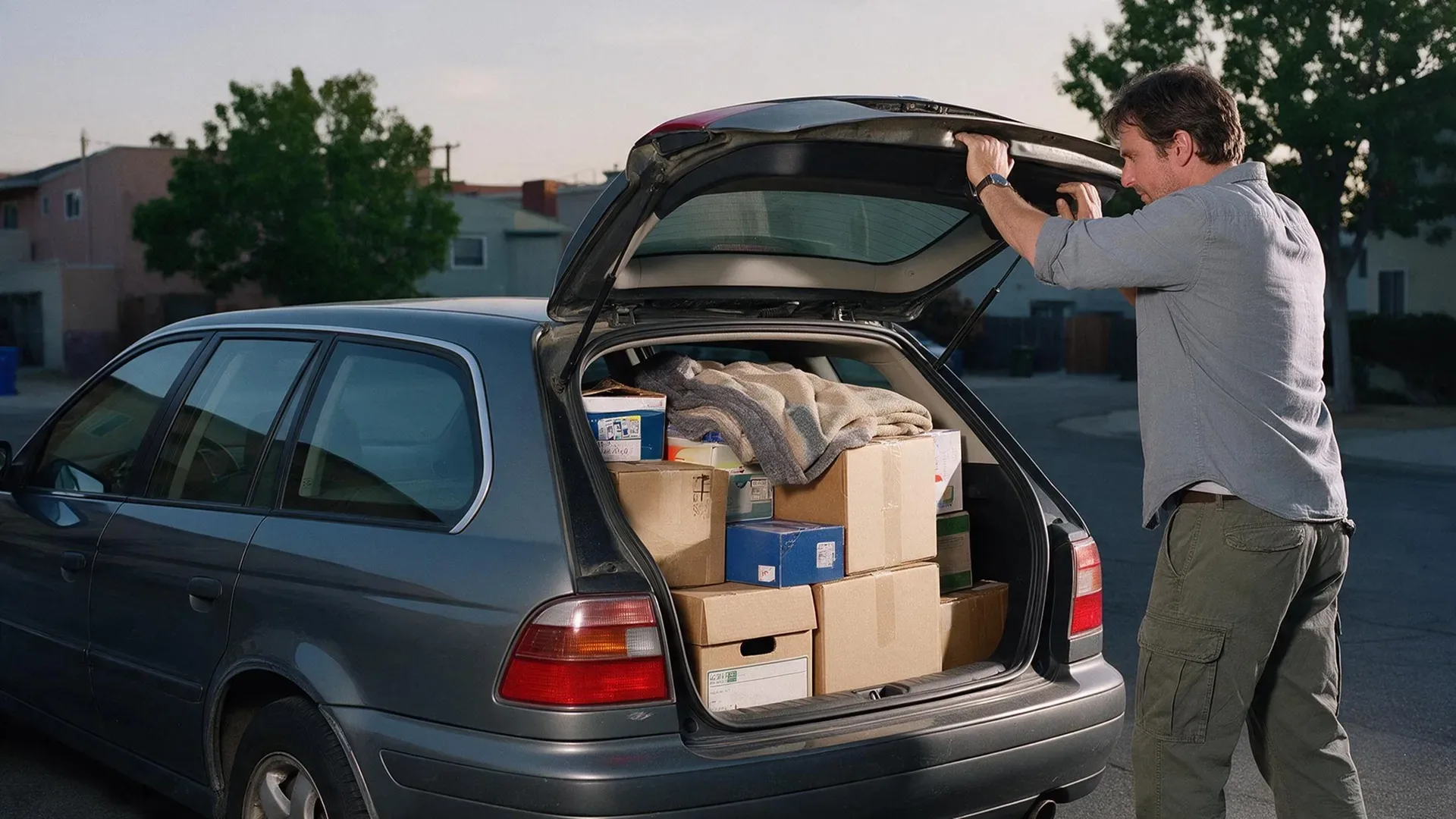
One advantage of the best way to move locally is flexibility. If you have access to both homes before moving day, transport smaller boxes, decorations and personal belongings in your own vehicle over several trips. That leaves only furniture and large appliances for the movers, reducing the amount of labor required.
9. Understand Your Insurance Coverage
Before hiring any moving company, ask exactly what protection is included. Basic liability coverage may not fully cover the cost of replacing expensive belongings if they are damaged. Review your options for moving insurance so you understand what protection is available before moving day arrives. Knowing your coverage in advance provides peace of mind if something unexpected happens.
10. Coordinate Your Entire Moving Timeline
Moving isn't just about transporting boxes.
You're also coordinating:
Landlords
Realtors
Utility companies
Family schedules
Movers
Vehicle transportation
Keeping all of these moving parts on a single timeline reduces the risk of missed appointments and costly delays. For many families, better organization is just as valuable as finding a lower moving quote.
11. Consider Shipping an Extra Vehicle
Many local moves involve more than one vehicle. While driving every vehicle yourself may seem like the obvious choice, it isn't always the easiest. If one family member is driving a moving truck while another is managing children or pets, coordinating multiple vehicles can quickly become stressful.
Professional vehicle transport can simplify the move by allowing one person to focus on the household move while another drives the primary family vehicle. Even on relatively short moves, removing one logistical challenge can make moving day significantly easier.
12. Budget for Hidden Moving Expenses
The best way to move locally is to plan for costs people often forget.
These may include:
Fuel
Packing supplies
Cleaning products
Utility connection fees
Meals during moving day
Temporary storage
Replacement household items
Possible deductions from your security deposit
Building a small cushion into your budget helps prevent unexpected expenses from disrupting your plans.
Why Professional Movers Can Save Money
Hiring professional movers may seem more expensive initially, but experienced professionals often complete the work much faster than friends and family. They also bring equipment designed to move heavy furniture safely, reducing the risk of injury or damaged belongings.
Likewise, if your move involves multiple vehicles, professional vehicle shipping can reduce coordination challenges and allow everyone involved to focus on settling into the new home instead of juggling transportation logistics. A smart move isn't always the cheapest upfront. It's the one that delivers the greatest value while reducing stress.
Estimate Your Total Moving Costs Before You Book
Before making any reservations, estimate your complete moving budget rather than focusing only on hourly moving rates. The cheapest way to move short distance may just mean budgeting ahead of time. Include truck rental, packing supplies, fuel, insurance, temporary storage and transportation for every vehicle you'll be moving.
When you estimate moving costs, you see the full picture, making it easier to compare your options and avoid unexpected expenses.
Whether you're transporting an entire household or simply need to move your vehicle, planning ahead can make a significant difference.
Have questions about vehicle shipping or your upcoming move? Contact us and our team will be happy to help you plan a smoother, more affordable relocation.
Frequently Asked Questions
What is the cheapest day of the week to schedule a local move?
If your schedule is flexible, Tuesday through Thursday are often the least expensive days to move. Moving companies typically have lower demand during the middle of the week than on weekends, which can translate into lower hourly rates and better scheduling flexibility. Booking several weeks in advance can also increase your chances of getting your preferred moving date.
Do local moving companies charge by the hour or a flat rate?
Most local moving companies charge by the hour because local moves are generally completed in a single day. However, some companies offer flat-rate pricing for straightforward moves or smaller homes. Before booking, ask whether the estimate includes travel time, fuel, equipment and any minimum-hour requirements so you can accurately compare quotes.
When does shipping a second vehicle make sense during a short-distance move?
Shipping a second vehicle can be a practical option when you're already coordinating a moving truck, children, pets or multiple family members. Instead of arranging several drivers, one person can focus on the household move while another drives the primary family vehicle. Professional auto transport can also reduce fatigue and simplify scheduling if your pick-up and move-in dates don't line up perfectly.
How do I verify if a cheap local moving company is properly insured?
Ask the moving company for proof of licensing and insurance before signing a contract. Request a written explanation of the valuation coverage included with your move and any optional protection that may be available. Reading recent customer reviews and confirming that the company provides clear, written estimates can also help you avoid unexpected surprises.
Make Your Local Move Simpler and More Affordable
Saving money on a local move doesn't have to mean doing everything yourself. The cheapest moving method is often the one that balances cost, convenience and the amount of work you're comfortable handling.
By planning ahead, comparing estimates, decluttering before you pack and choosing the right services for your situation, you can keep your move on budget while avoiding unnecessary stress.
If your move includes more than one vehicle, don't overlook professional auto transport. Driving one vehicle while shipping another can simplify moving day and give you one less logistical challenge to manage.
Ready to plan your move?
Use our Estimate Moving Cost tool to better understand your moving expenses, then contact Nexus Auto Transport if you'd like help coordinating vehicle transportation for your relocation. Our team is happy to answer your questions and help you create a moving plan that fits both your schedule and your budget.