
The cost to ship a car from California to Massachusetts will usually land somewhere around $900 to $1,400 for an everyday vehicle on an open carrier, based on current Nexus pricing for trips longer than 2,500 miles. Enclosed transport averages closer to $1,830 for long-distance shipments and can run higher for a large vehicle or one that needs specialized handling.
This is a true coast-to-coast haul. Nexus lists the average driving distance between California and Massachusetts at about 3,070 miles, with approximately 10 to 12 days in transit after pickup. Your actual mileage changes with the cities involved. Los Angeles to Boston isn't the same trip as Sacramento to Northampton or San Diego to Barnstable.
Weather, carrier availability, the size of your vehicle and how far the pickup or delivery address sits from a major freight corridor can all move the final price. Still, having a realistic range before asking for a quote makes the planning process much easier.
Estimated California to Massachusetts Car Shipping Rates
Nexus's 2026 pricing data puts the average open-carrier cost for a trip longer than 2,500 miles at $1,350 and the average enclosed-carrier cost at $1,830. Its vehicle-specific data also shows how a larger vehicle changes the open-transport price.
The figures below are planning estimates rather than guaranteed route quotes.
Vehicle Class |
Open Carrier Price |
Enclosed Carrier Price |
Estimated Transit Duration |
|---|---|---|---|
Standard sedan |
About $925-$1,350 |
Around $1,830 |
Roughly 10-12 days |
Compact SUV |
About $1,025-$1,400 |
$1,830 or more |
Usually 10-12 days |
Full-size pickup |
About $1,275-$1,500 |
Expect more than the sedan rate because of size |
Allow roughly 10-12 days |
Classic or exotic vehicle |
Price depends on vehicle dimensions |
Around $1,830 and up; enclosed is commonly the better fit |
About 10-12 days, depending on enclosed-carrier availability |
Why the range instead of one number? A carrier may have no trouble fitting a midsize sedan into an existing load while a long-bed pickup takes considerably more trailer space. An inoperable vehicle can also require a winch or other loading equipment.
The endpoints matter too. A pickup from a major California market and delivery near Boston may fit an existing carrier route much better than a trip beginning or ending well away from the interstate system.
If your destination is in Massachusetts, the actual ZIP codes and vehicle details are more useful than a statewide average.
How Long Does California-to-Massachusetts Car Shipping Take?
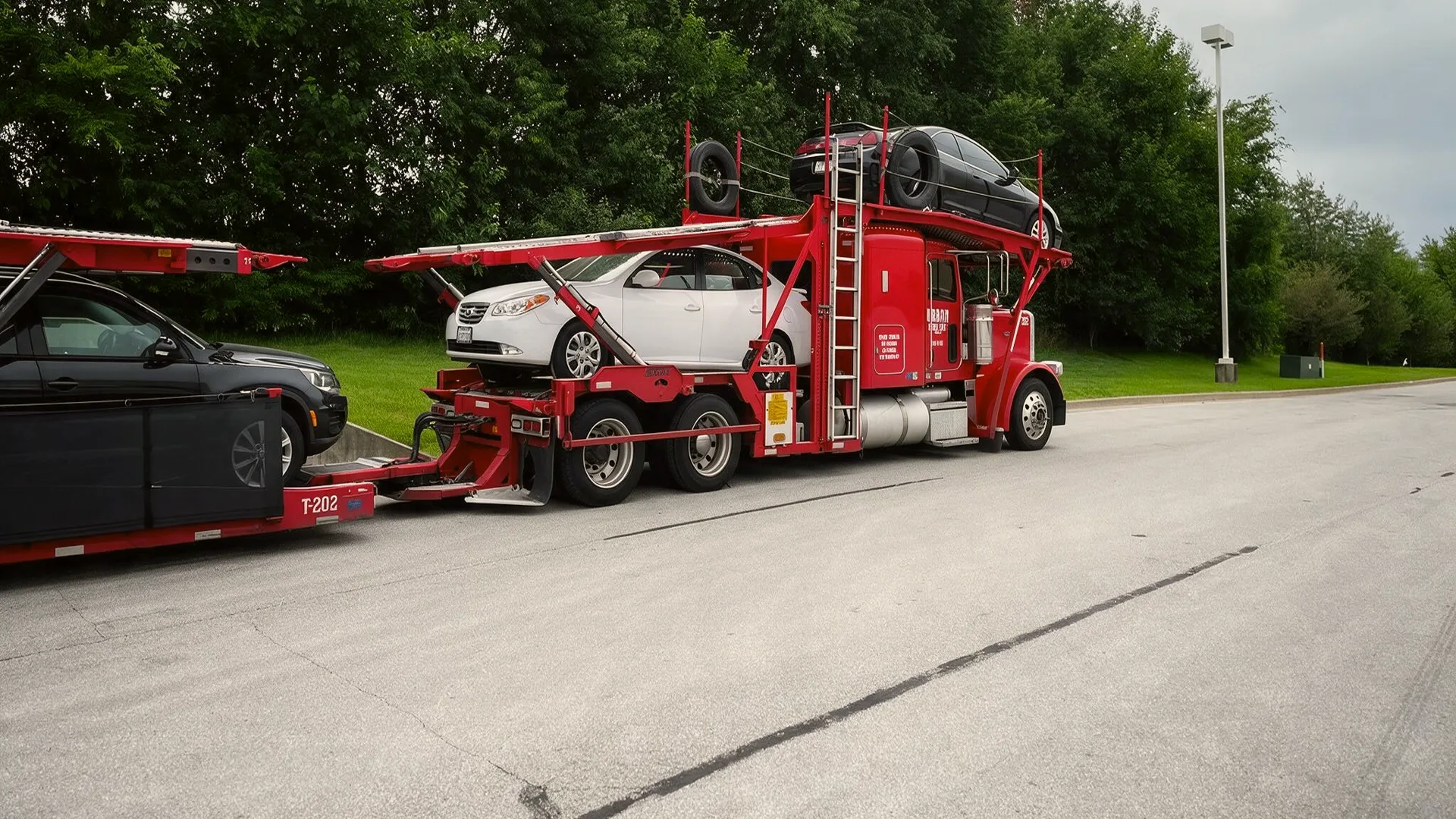
Nexus currently estimates 10 to 12 days in transit to ship a car from California to Massachusetts for this route, starting when the vehicle is picked up. Traffic, weather, required driver rest periods and stops for other vehicles can all affect the schedule.
Carriers also don't always follow the shortest passenger-car route. They have to consider truck-accessible roads, operating costs and the other vehicles on the trailer.
That helps explain why shipping car from California to Boston may move a little differently than a delivery to a smaller Massachusetts community. Boston sits near major interstate corridors, while a destination farther from the carrier's route may add time near the end of the trip.
The instant car shipping quote calculator uses your actual origin, destination, vehicle and timing rather than treating every California-to-Massachusetts shipment the same way.
Which Highways Do Car Carriers Use Between California and Massachusetts?
There isn't one mandatory route across the country. The carrier's starting point and current road conditions determine much of the trip.
Interstate 80 is an obvious option for many Northern California departures. It crosses the Sierra Nevada, continues through Nevada and Utah and provides connections across the northern half of the country. A Southern California carrier may instead work north toward I-80 or use another eastbound corridor like I-10 before connecting with I-40 and then the route that best fits its other deliveries.
Interstate 90 becomes particularly useful at the Massachusetts end. The highway continues across the state as the Massachusetts Turnpike, serving western Massachusetts, Worcester and the Boston area.
Those corridors matter because carriers generally prefer routes where they can combine several vehicle moves efficiently. A rural pickup or delivery isn't a problem, but it may require additional miles away from the truck's main path.
Customers starting on the West Coast can also review Nexus's California car shipping service information before arranging the move.
Winter Weather Can Add Time to the Route
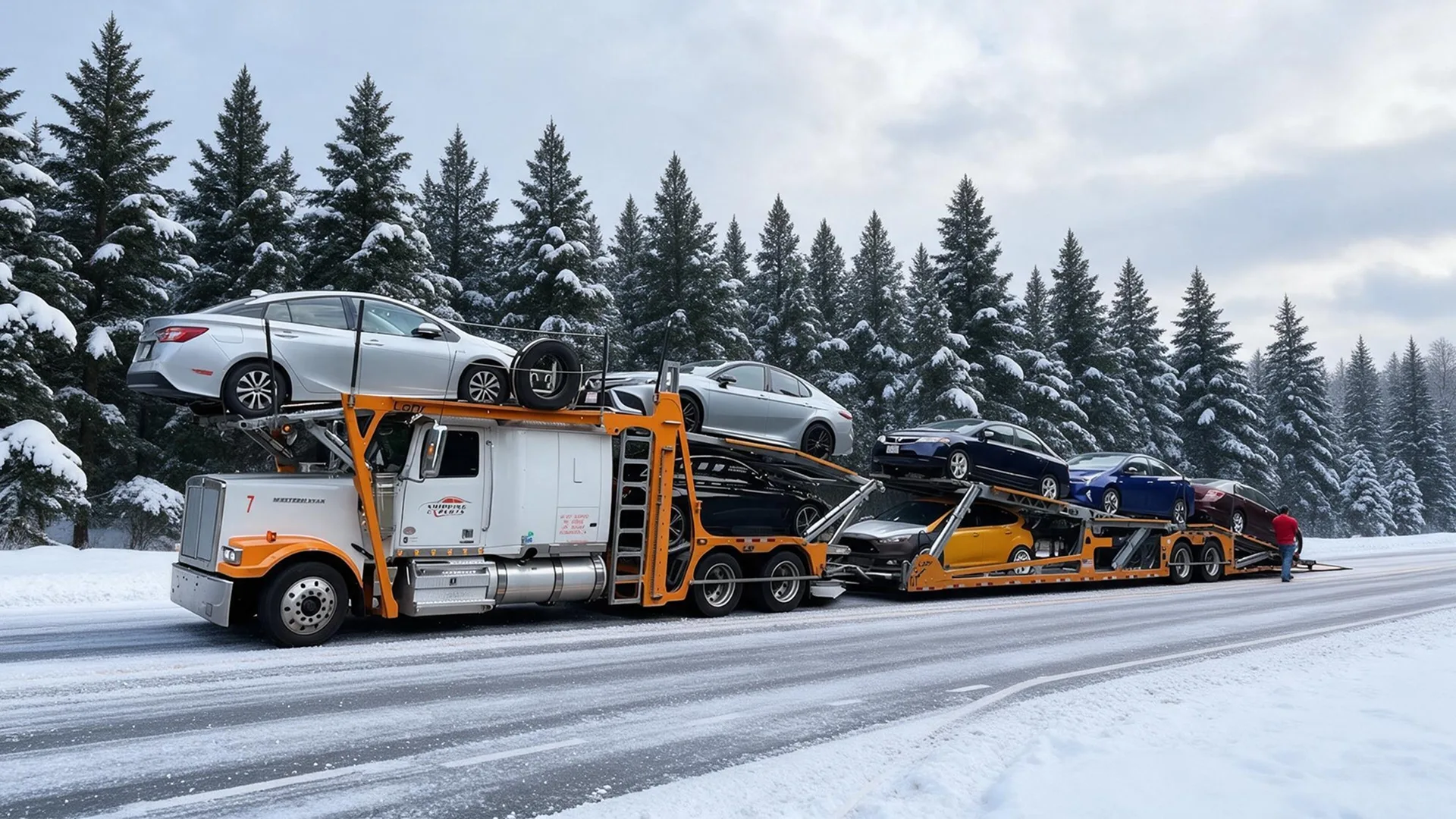
Winter weather can slow a California-to-Massachusetts shipment at several points along the route. In the Sierra Nevada, Caltrans chain controls can affect I-80 over Donner Pass, and heavy trucks may be stopped for screening or held until conditions improve.
The Caltrans truck chain requirements explain the rules that apply to commercial vehicles in these conditions.
Snow and ice can also affect the Midwest and Northeast later in the trip. If conditions deteriorate, a carrier may need to slow down or stop temporarily rather than risk the vehicle and load.
That makes some scheduling flexibility worthwhile when California to Massachusetts car transport takes place during winter.
The state's winter weather driving guidance provides a useful picture of the conditions a carrier can encounter near the Massachusetts end of the trip.
Open or Enclosed Transport?
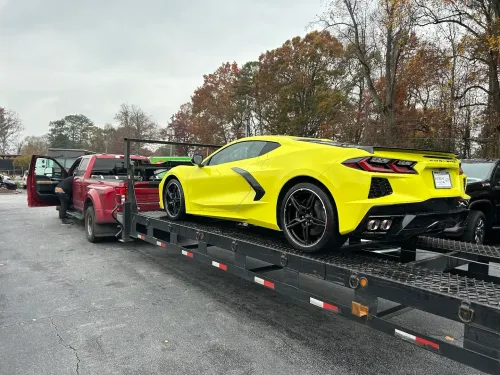
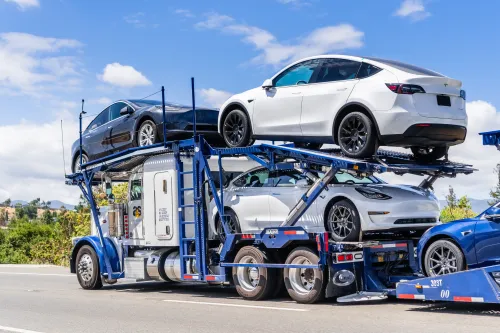
Open transport is the normal starting point for an everyday sedan, crossover, SUV or pickup. It's the familiar two-level trailer commonly seen carrying new cars on the interstate.
The main advantage is availability. More open carriers operate throughout the country, which usually means easier scheduling and a lower price.
Enclosed transport puts the vehicle inside a covered trailer. It costs more, but the car isn't exposed to rain, snow or normal road debris during the trip. That's a much easier premium to justify for a restored classic, exotic car or another vehicle where cosmetic condition is particularly important.
Distance alone isn't a reason to choose enclosed shipping. A daily-driven three-year-old crossover doesn't suddenly need a covered trailer because the destination is 3,000 miles away.
Choose the carrier type based on the vehicle you're shipping and how much additional protection is worth to you.
What Can Change the Final Shipping Price?
The distance between California and Massachusetts is only the first part of the calculation.
Several other factors can move the quote:
- Vehicle size. A pickup or large SUV takes up more trailer space and adds more weight than a compact sedan.
- Open or enclosed service. Fewer vehicles fit on enclosed trailers, so they are usually more expensive.
- Pickup and delivery location. Major metropolitan areas generally have more carrier traffic than remote locations.
- Vehicle condition. A non-running car may need a carrier equipped with a winch or other loading equipment.
- Timing. A flexible pickup window gives Nexus more carrier options than an urgent request with little notice.
- Season and weather. Snow, ice, holiday schedules and shifting carrier demand can affect both pricing and timing.
The biggest money-saving decision for most customers is simply choosing open transport when the vehicle doesn't need enclosed protection.
It also helps to provide accurate information from the start. If the vehicle has a lift kit, oversize tires or other modifications that change its dimensions, those details should be included when the shipment is priced.
Nexus Auto Transport can then match the shipment with an appropriate third-party carrier rather than discovering a size or equipment problem at pickup.
What Nexus Adds to a Cross-Country Shipment
Nexus arranges shipments with independent motor carriers, so carrier selection matters on a cross-country move. Equipment, insurance, operating history and route experience all factor into the match.
Once a carrier is assigned, customers receive the carrier's information and shipment updates as they become available. Nexus also provides tracking for active orders.
That added visibility is especially useful when you ship a car from California to Massachusetts and the vehicle may be in transit for 10 to 12 days.
FAQs
How do seasonal snowstorms in the Rocky Mountains affect the transit timeline from California to Massachusetts?
Mountain snow can slow a carrier, trigger chain controls or temporarily close a highway. The exact route varies, so every shipment won't encounter the same mountain passes. During winter, allow some flexibility in the 10- to 12-day transit estimate rather than planning around an exact delivery day.
Is it possible to pack personal items in the vehicle during this cross-country trip?
Personal belongings should generally be removed unless the assigned carrier approves them. Items inside the vehicle add weight, may result in additional charges and may not be covered by the carrier's cargo insurance. Ask before packing anything in the car.
What specific insurance coverage is provided during interstate transport?
The independent motor carrier actually transporting the vehicle carries insurance, but limits and policy terms vary. Review the assigned carrier's coverage before pickup, particularly for a high-value vehicle. Your personal auto insurer can also tell you whether your own policy provides any protection while the car is in transit.
How do terminal pickup options compare to door-to-door service for this specific route?
Door-to-door transport brings the carrier as close as safely and legally possible to the pickup and delivery addresses. Terminal service adds another location where the car must be dropped off or collected and may involve temporary storage. For most coast-to-coast customers, door-to-door service avoids those additional handoffs.
Get a California-to-Massachusetts Shipping Price
For most everyday vehicles, open transport is the logical place to start. Enclosed shipping becomes worthwhile when the car's value, rarity or condition justifies the additional protection.
Plan on roughly 10 to 12 days in transit after pickup, with some extra flexibility during severe winter weather. Then use your actual vehicle, ZIP codes and preferred pickup date to replace the statewide averages with a route-specific price.
Get an Instant Quote when you're ready to price the trip.