

Shipping a car across the country doesn't have to be complicated. Knowing what to expect and planning ahead can make the process considerably easier.
If this is your first time arranging cross-country car shipping, start with these 11 common mistakes and, more importantly, the practical steps you can take to avoid them.
1. Choosing a Quote That's Too Good to Be True
A very low quote isn't much of a bargain if the price changes later or no qualified driver is willing to transport your car for that amount.
Compare several quotes and look at what's included rather than automatically choosing the lowest number. Make sure you've provided accurate pickup and delivery ZIP codes, vehicle information, operating condition and preferred dates. If one estimate is dramatically below the others, ask why.
The Federal Motor Carrier Safety Administration (FMCSA) also recommends verifying interstate auto transport brokers and carriers before doing business with them. You can use the FMCSA automobile transporter consumer advisory to learn what credentials to check.
2. Skipping the Vehicle Inspection
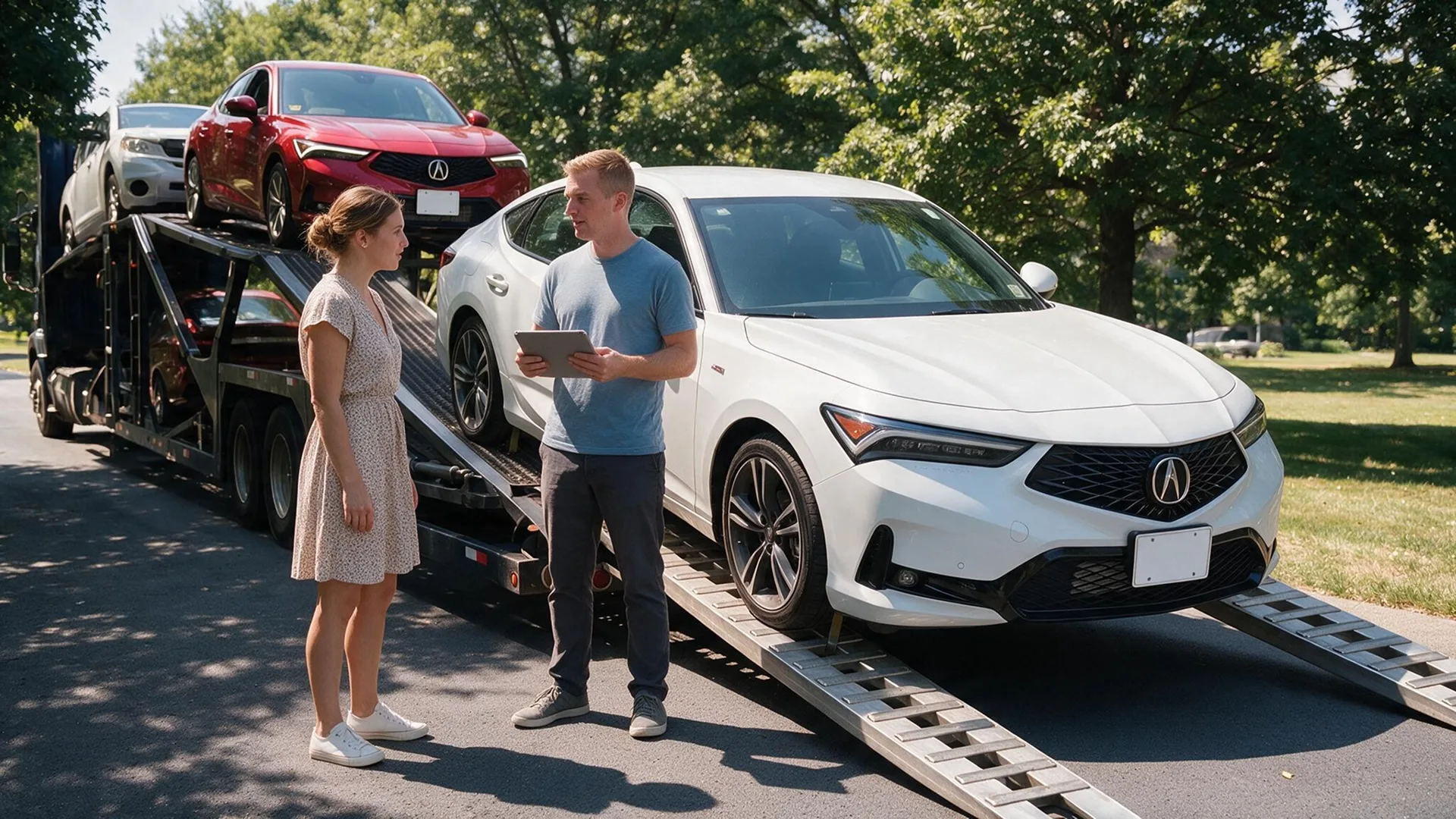
Documenting your car before pickup gives you a clear record of its condition before transportation. Don't rely on memory or take three quick pictures as the driver is waiting.
Before pickup:
- Wash the exterior so scratches, chips and dents are visible.
- Photograph all four sides of the vehicle in good light.
- Take closer photos of the bumpers, wheels, windshield and any existing damage.
- Make sure the photos are sharp and retain their original date and time information.
- Walk around the car with the driver during the pickup inspection.
- Make sure existing damage is recorded on the Bill of Lading, the document that records the vehicle's condition and accompanies the shipment.
- Keep your photos and a copy of the signed Bill of Lading until the shipment is complete.
- Leave about a quarter of a tank in fuel or 20% to 40% in an EV’s battery charge.
Repeat the inspection at delivery before signing the final paperwork. If you find new damage, document it immediately and make sure it's noted on the Bill of Lading.
3. Being Difficult to Reach
The driver may need to confirm where a large transport truck can safely stop, update an estimated arrival time or arrange a nearby meeting point. A missed call can turn a minor scheduling adjustment into a bigger problem.
Give your auto transport company a phone number you actually answer and check your messages as pickup and delivery approach. If someone else will release or receive the vehicle, make sure the company has that person's contact information as well.
Also remember that pickup and delivery times are estimates. Traffic, weather, road closures and mechanical problems can affect the progress of a truck carrying vehicles across several states.
4. Failing to Verify the Company
One of the more serious car transport mistakes is handing over money or a vehicle without checking who you're dealing with.
Interstate auto transport brokers and carriers are required to register with FMCSA. The agency recommends checking a company's registration and warns consumers to be suspicious when a website doesn't clearly identify whether the business is a broker or carrier.
Verify the company's identity and registration, read recent customer reviews and look closely at the terms you're agreeing to. Don't let a low price or an aggressive promise substitute for basic homework.
5. Using Your Car as a Moving Van
It's tempting to fill the trunk and back seat when the car is already going to your destination. Don't assume that's allowed.
Nexus recommends removing personal belongings unless you've made arrangements with the carrier beforehand. Extra belongings add weight, can create loading problems and may not be covered by the carrier's cargo insurance if they're lost or damaged.
Keep valuables, medications, important documents, electronics and irreplaceable items with you. If you have a special circumstance, discuss it before booking rather than when the driver arrives.
6. Waiting Until the Last Minute to Book
One of the more common mistakes to avoid in car shipping is waiting until a day or two before you need the vehicle moved to book help. That can reduce your options.
For most shipments, giving the transport company roughly one to two weeks of lead time provides more flexibility. Busy seasonal routes, remote locations and tight schedules often require additional time.
Your first available pickup date also isn't necessarily the date the vehicle will be collected. Think of it as the first day the car is ready to go and build some flexibility into your travel plans.
7. Choosing the Wrong Type of Transport
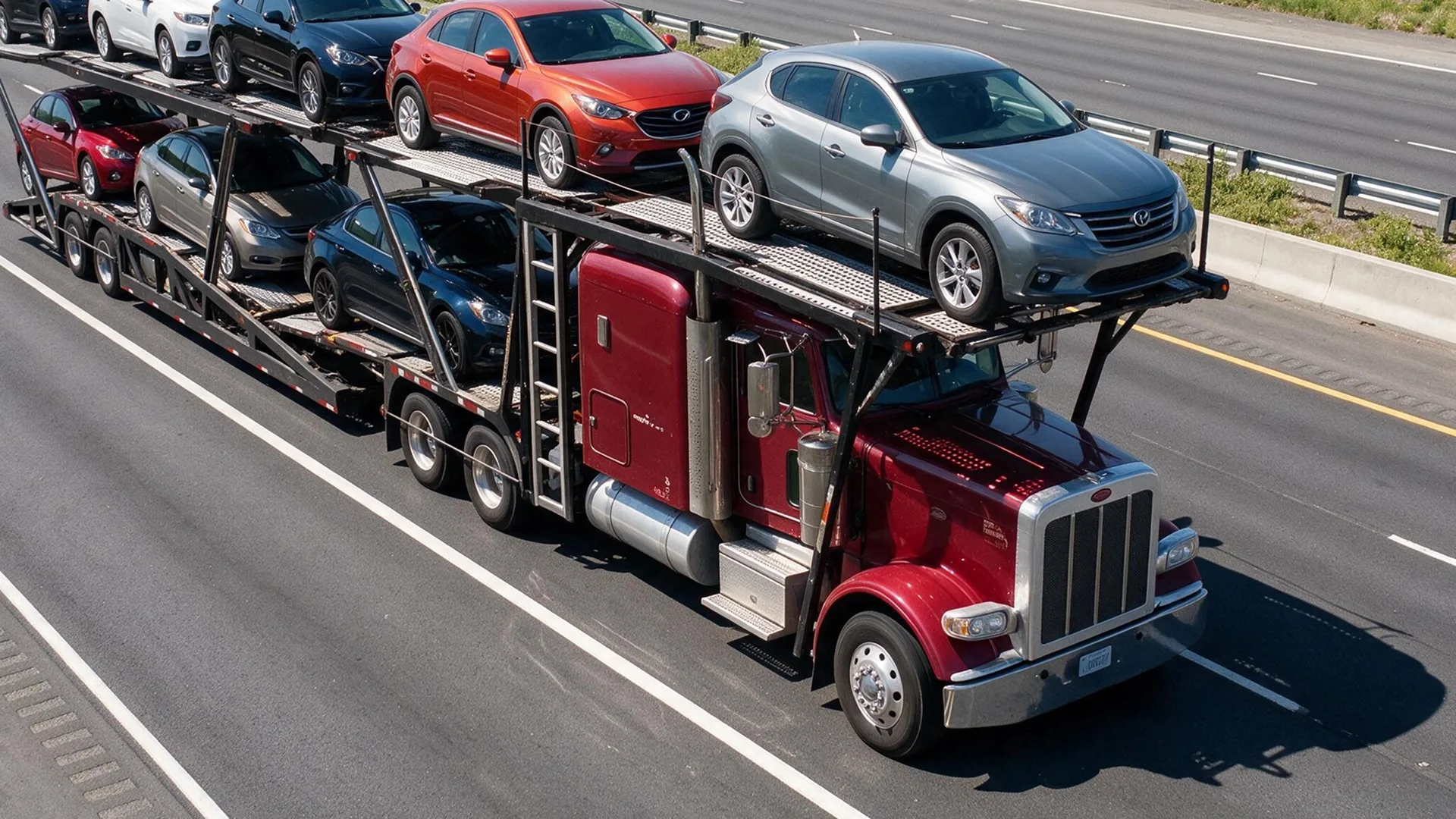
Most everyday cars travel on an open car carrier. It's generally the economical choice and is widely available.
An enclosed transport trailer adds protection from weather and road debris. That additional protection can make sense for a collector car, exotic, high-value luxury vehicle or a freshly restored vehicle where cosmetic condition is especially important.
Open versus Enclosed Auto Transport Comparison
Transport Method |
Average Cost Level |
Weather Protection |
Best For |
|---|---|---|---|
Open Car Hauling |
Lower |
Vehicle is exposed to weather and normal road environment |
Most daily drivers, SUVs and pickups |
Enclosed Car Hauling |
Higher |
Vehicle travels inside an enclosed trailer |
Classic, exotic, luxury, restored and other high-value vehicles |
Paying more for enclosed shipping doesn't automatically make it the right choice. Match the transport method to the car.
8. Assuming the Truck Can Reach Any Address
Door-to-door transport doesn't mean a multi-car transporter can literally stop in every driveway.
Narrow residential streets, low tree branches, weight restrictions, tight turns and local rules can prevent a large truck from reaching the requested address. When that happens, you and the driver may need to meet at a nearby parking lot or another safe, accessible location.
Consider truck access at both ends of the trip before pickup day. This is particularly important if you're staying in an apartment complex, gated community or dense urban neighborhood.
9. Relying on a Generic Cost Estimate
A nationwide average won't tell you what your particular shipment should cost. Distance matters, but so do vehicle size, whether the car runs, open versus enclosed service, seasonal demand and the pickup and delivery locations.
Nexus' car shipping cost calculator uses information about your actual shipment to produce an estimate. Enter the vehicle and route information accurately. A modified pickup, oversized SUV or non-running vehicle shouldn't be entered as an ordinary sedan just to see a lower number.
A realistic estimate at the beginning helps prevent price surprises later.
10. Showing Up Without the Information or Documents You Need
Document requirements vary with the shipment, so ask what you'll need before pickup rather than assuming every move works the same way.
For a typical shipment:
- Have identification available.
- Confirm the vehicle and contact information on your order.
- Have the keys ready for the driver.
- Make sure any special vehicle condition, such as a non-running car, was disclosed in advance.
- Review the Bill of Lading and vehicle-condition report at pickup.
- Keep a copy of the signed pickup paperwork.
- Have an authorized adult available if you can't be present yourself.
- At delivery, inspect the vehicle before signing the final condition report.
Port, military and other specialized deliveries can require additional identification, authorization or documentation. Confirm those requirements before the car leaves rather than discovering a missing document at the destination.
11. Depending on Verbal Promises
If a price, service or special arrangement matters, get it in writing.
Review the written order before booking and make sure it reflects the vehicle, route, transport type and other services you've requested. Ask questions about anything you don't understand.
The same rule applies if circumstances change. If you alter the pickup location, dates, vehicle condition or transport method, get the revised information documented. Written details give everyone the same reference point and eliminate many of the issues when transporting cars that begin with a simple misunderstanding.
FAQs
What should I do if the transport driver refuses to note pre-existing damage on the Bill of Lading?
Don't sign a condition report you believe is inaccurate. Show the driver the damage, ask that it be recorded and take clear photographs of the disputed area. If you still can't resolve the issue, contact your transport company before releasing the vehicle. The pickup Bill of Lading establishes an important record of the car's condition before transport.
Does standard auto carrier insurance cover personal belongings left inside the vehicle?
Don't assume it does. A carrier's cargo insurance is intended primarily to cover the vehicle, and personal property left inside may not be covered. Nexus recommends removing personal belongings unless they have been discussed and approved beforehand. If a carrier permits certain items, ask about weight limits and insurance coverage before packing them.
How do vehicle shipping requirements change when delivering to a port or military base?
Ports and military facilities may have identification, access and documentation requirements that don't apply to an ordinary residential delivery. If the vehicle is continuing overseas, additional rules can apply as well. U.S. Customs and Border Protection, for example, requires export documentation for used self-propelled vehicles to be submitted to the port in advance of export.
Military moves can have their own procedures. Military OneSource's PCS moving guidance directs service members to their transportation office and vehicle processing resources for current requirements. Confirm the specific facility's requirements before scheduling the shipment.
Avoid Problems Before Your Car Is on the Truck
Most shipping problems are easier to prevent than fix afterward. Give yourself enough time, choose the right transport service, document your vehicle carefully and make sure you understand the agreement before handing over the keys.
Nexus Auto Transport can help you work through those decisions and coordinate the shipment from pickup through delivery. When you're ready to see what your route may cost, get an Instant Quote using your actual vehicle, locations and preferred shipping date.