Finding the right vehicle is exciting, especially when you discover exactly what you want hundreds or even thousands of miles from home. Whether that vehicle is sitting on a dealership lot or parked in someone's driveway, buying out of state opens up far more choices than limiting yourself to local listings.
But it also raises an important question: Should you buy from a dealership or private seller?
There isn't a single right answer. Some buyers value the convenience, financing and protections that dealerships often provide. Others are willing to do a little more research to save money by purchasing directly from a private owner or exploring online car auctions for hard-to-find vehicles and competitive prices.
Understanding the differences can help you make the right decision for your budget, comfort level and long-term plans. Once you've found the vehicle you want, you can decide whether to drive it home or arrange professional transportation.
Dealership vs. Private Seller: Which Is Better?
When comparing a car dealer vs private seller, it's helpful to think beyond the purchase price.
A dealership typically offers more convenience and consumer protections, while a private seller often offers a lower purchase price. The better choice depends on your priorities.
If you're looking for financing, warranties and someone to handle most of the paperwork, a dealership may be the better fit.
If you're comfortable researching a vehicle's history, arranging inspections and completing the paperwork yourself, buying through selling car private party vs dealer could save you money.
Neither option is automatically better. The goal is choosing the one that fits your experience level and buying priorities.
Dealer vs. Private Seller Comparison
Buying Criteria |
Dealership Purchase |
Private Party Sale |
|---|---|---|
Average Purchase Price |
Typically higher because dealerships include overhead, inspections and preparation |
Often lower because there are fewer business expenses involved |
Financing Options |
Financing is usually available through the dealership or partner lenders |
Buyers generally arrange financing independently or pay cash |
Paperwork and DMV |
Most dealerships handle title paperwork, temporary registration and tax collection |
Buyer and seller typically complete title transfer and registration themselves |
Legal Protections and Warranty |
May include warranties, certified pre-owned programs and state consumer protections |
Usually sold as-is with limited legal protections after the sale |
Advantages of Buying from a Dealership
For many buyers, purchasing from a dealership provides confidence throughout the buying process.
Financing Is Easier
One of the biggest advantages of buying from a dealer is access to financing.
Rather than securing a loan before shopping, buyers can often compare financing options through the dealership. This can simplify the purchase, especially if you're buying an out-of-state vehicle and want everything finalized before arranging transportation.
More Consumer Protections
Many dealerships inspect used vehicles before offering them for sale.
Some also sell certified pre-owned vehicles that have passed manufacturer inspection requirements and may include limited warranty coverage or roadside assistance.
While every dealership differs, buyers often appreciate having additional protections if unexpected problems arise shortly after purchase.
Paperwork Is Usually Simpler
Buying across state lines can involve title transfers, taxes, temporary registrations and other paperwork.
Many dealerships guide buyers through these requirements, reducing the likelihood of missing an important document or deadline.
Advantages of Buying from a Private Seller

Buying directly from an owner requires more effort, but it can also offer significant advantages. If you're beginning your search, many of the best websites for selling a car online also connect buyers with private sellers, making it easier to compare vehicles available both locally and nationwide.
Lower Purchase Prices
One reason many shoppers choose a private dealer alternative is simple: price.
Private sellers generally don't have dealership overhead, advertising costs or vehicle preparation expenses built into the asking price. That often creates more room for negotiation.
If your budget is limited, purchasing directly from the owner may allow you to afford a newer model or a vehicle with additional features.
More Direct Knowledge of the Vehicle
Private owners often know the vehicle's history better than anyone else.
They may be able to explain:
- How the vehicle was used
- Where it was serviced
- Why they're selling it
- Any repairs or maintenance they've completed
- Small issues that don't appear on a vehicle history report
That firsthand knowledge can help you evaluate whether the vehicle has been well cared for.
Common Misconceptions About Buying from Dealers and Private Sellers

It's easy to assume one option is always safer or always cheaper, but reality is more nuanced.
Myth: Dealerships Always Charge Too Much
While dealership prices are often higher, buyers may receive additional value through inspections, financing, warranty options and assistance with paperwork.
When comparing prices, consider the entire ownership experience rather than focusing only on the purchase price.
Myth: Private Sellers Can't Be Trusted
Most private sellers are simply people replacing or selling a personal vehicle. That doesn't mean you should skip due diligence, but it also doesn't mean every private sale is risky.
Request maintenance records, review the vehicle history report and arrange an independent pre-purchase inspection whenever possible.
Financing Options: Dealer vs. Private Seller
Financing is often one of the biggest deciding factors when buyers choose whether to buy from a dealership or private seller.
Dealerships frequently work with multiple lenders and can help buyers compare loan options.
Private sellers generally cannot provide financing. If you're purchasing from an individual, you'll usually need to:
- Obtain financing from your bank or credit union before making an offer.
- Arrange payment using a secure method approved by both parties.
- Complete the title transfer once payment has been received.
Getting pre-approved before shopping can also strengthen your negotiating position because the seller knows you're ready to complete the purchase.
Understanding Title, Registration and DMV Paperwork
Buying out of state adds another layer of paperwork regardless of who sells the vehicle.
With dealership purchases, much of the paperwork is often handled for you.
With private-party purchases, buyers usually need to:
- Verify the title is clear.
- Complete the bill of sale.
- Obtain any required temporary permits.
- Register the vehicle in their home state.
- Pay applicable taxes and registration fees.
Because requirements vary by state, it's worth reviewing your state's DMV requirements before completing the purchase.
Once You've Found the Right Vehicle, How Do You Get It Home?
Many buyers focus entirely on finding the right vehicle without thinking about how they'll actually get it home.
Driving the vehicle yourself may seem like the simplest solution, but it isn't always the best one.
Long-distance drives add mileage, expose the vehicle to road debris and weather, require hotels and fuel and consume valuable time.
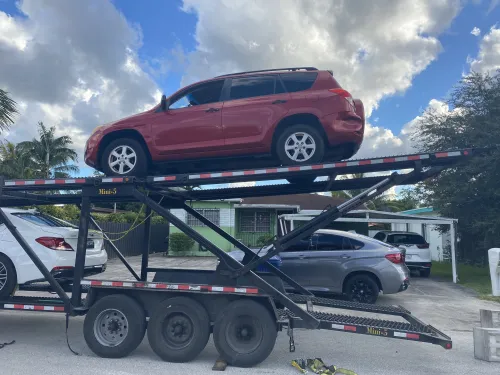
Professional auto transport can eliminate those concerns, particularly if you've purchased a specialty vehicle, classic car or low-mileage example you want to keep in excellent condition.
Open transport is the most common and economical option for everyday vehicles, while enclosed transport provides additional protection for high-value, luxury or collector vehicles.
An experienced transport coordinator can also work directly with either the dealership or private seller to schedule pickup, helping simplify the final step of your purchase.
Why Using a Transport Broker Can Simplify the Process
Whether you're buying from a dealership or a private seller, arranging transportation doesn't have to mean contacting dozens of carriers yourself.
An experienced auto transport broker helps match your shipment with a licensed carrier that fits your schedule, pickup location and vehicle requirements. Instead of managing multiple phone calls and availability yourself, you have a single point of contact throughout the shipping process.
When you ship a car to another state, it makes coordinating pickup with the seller significantly easier and provides greater flexibility if schedules change.
Frequently Asked Questions
Does the Lemon Law protect me when buying from a private seller?
Generally, no. Most state Lemon Laws apply to new vehicles and, in some cases, certain used vehicles purchased from licensed dealerships. Private-party sales are typically sold as-is unless state law says otherwise. Before purchasing, review your state's consumer protection laws and consider having the vehicle professionally inspected.
How do I securely pay a private seller located in another state?
Use secure payment methods such as a cashier's check, bank wire or escrow service when appropriate. Avoid sending deposits through unsecured payment apps unless you know and trust the seller. Verify the title and vehicle identification number before transferring funds.
Who handles the title transfer and registration during an interstate dealership purchase?
In many cases, the dealership prepares much of the required paperwork and helps coordinate title transfer, taxes and temporary registration. Requirements vary by state, so confirm exactly what the dealership will handle before completing the purchase.
Take the Next Step with Confidence
Whether you choose a dealership or a private seller, the best purchase is the one that matches your budget, comfort level and long-term goals.
Take time to compare prices, review the vehicle's history, understand the paperwork and plan how you'll get the vehicle home before completing the sale.
If the perfect vehicle is located hundreds of miles away, professional auto transport can make the final step much easier. Nexus Auto Transport coordinates shipments nationwide, helping buyers move vehicles from dealerships and private sellers safely and efficiently.
Booking transportation before you finalize the purchase can also help you coordinate pickup with the seller, avoid unnecessary mileage on your new vehicle and better plan your overall buying budget. Whether you're purchasing from a dealership or a private owner, knowing your transportation options ahead of time can make the entire process less stressful.
You can also use the car shipping calculator to estimate transportation costs before you buy, making it easier to compare your total purchase budget and move forward with confidence.