Shipping a car is important for a family relocation, a snowbird vacation, a college student, a military obligation, or whenever you find a sweet deal on a vehicle online. It’s not always a good idea to DIY the situation and drive across the country when you’re moving.
The trouble is when you’re new to auto shipping. It’s pretty easy for some common car myths to creep into your mind and build assumptions for how cross-country car shipping actually works.
Before you agree to any auto transport contract, read through these auto myths. You don’t want to miss out on a better price or more reliable carrier just because something you read on Reddit or social media has confused the situation.
Myth #1: The Cheapest Car Shipping Quote Is the Best Deal
Cost is a big auto myth about car shipping. It makes sense. Uncovering a deal that saves you money immediately appeals to most customers. While the lowest offer may seem like the knee-jerk reaction, it may be “too good to be true.”
Carriers who offer open or enclosed auto shipping have to account for fluctuating fuel prices, route popularity, the weight and size of your vehicles, available trailer space, and other market conditions. In one recent month alone, gas prices fell 0.93%, but were up over 51% from the year prior.
The point is that unusually low offers often happen because a broker or carrier wants a deposit. When it actually comes to agreeing to a pickup date, they may pull out because the price doesn’t cover the actual costs. It’s better to look for 3-4 quotes that reflect the current market, then go with a team like Nexus Auto Transport that offers delivery updates, clear policies, and reliable communication.
Myth #2: Brokers Just Make Car Shipping More Expensive
It is true brokers collect a fee as part of their business. It’s no different than a travel agent who organizes a trip to Brazil or a wedding planner hiring vendors and arranging music for the big day.
Brokers are worth the expense because they coordinate what you don’t have the time or patience to manage. The trick is finding a broker with a reliable, massive network of professional drivers who have been vetted for FMCSA and USDOT assurances, insurance coverage for your vehicle, and offer the specific equipment for a luxury car, EV, or other unique car.
Auto myths like this get in the way of having door-to-door nationwide auto delivery managed on your behalf so you can sit back and focus on moving your family, setting up utilities in a new apartment, or meeting your job’s relocation requirements.
Myth #3: Enclosed Shipping Is Always Better Than Open Transport
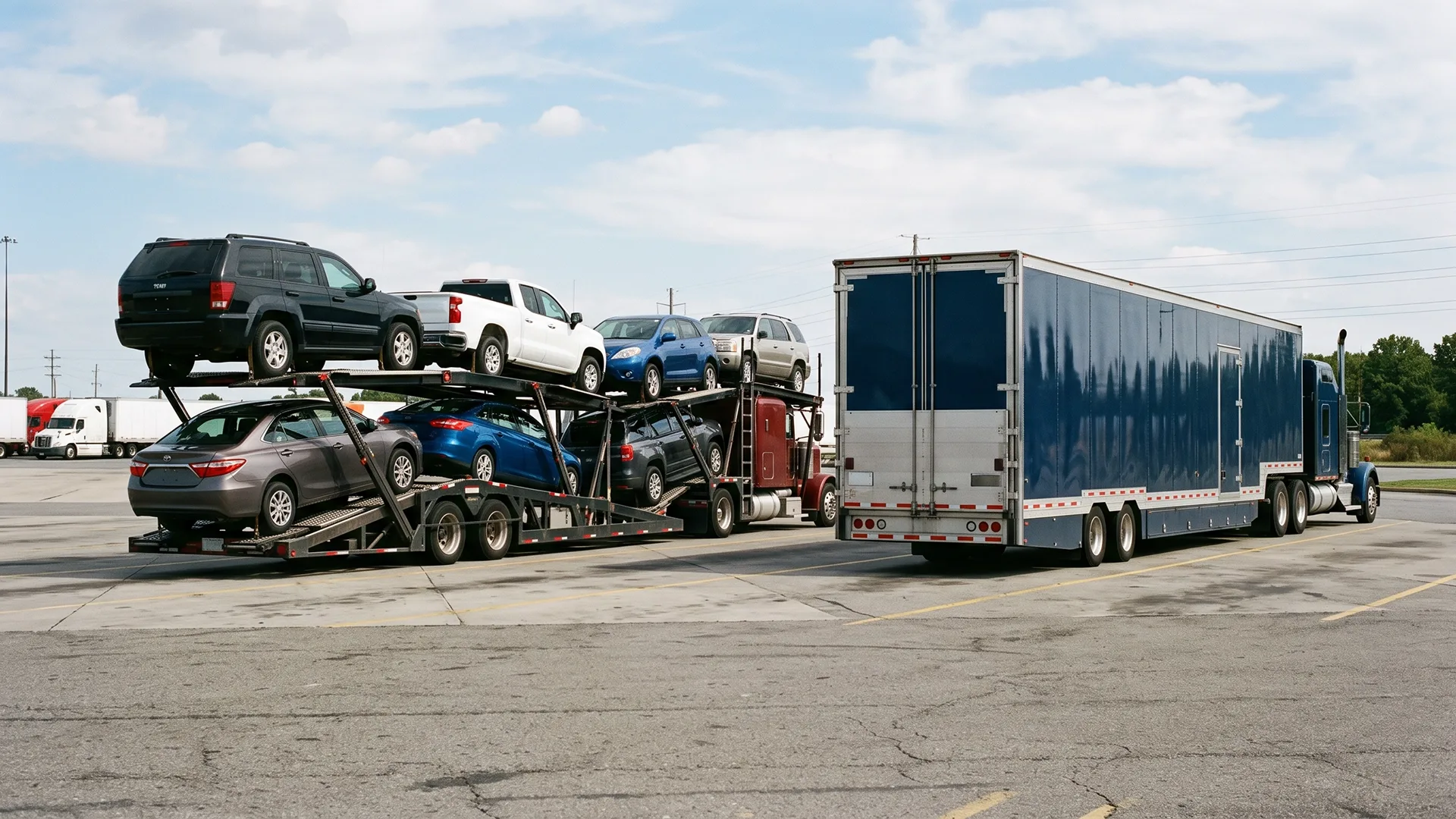
Open and enclosed auto shipping have a lot of car myths around them. Open delivery is the more popular option. It is slightly less expensive because more carriers offer this service, making it easier to book with more open spaces. What you give up is protection.
With enclosed auto delivery, you get more protection from common road hazards like rocks or dirt debris, sudden weather changes, and unwanted attention from looky-loos. You’ll pay a little more and need to book earlier to secure a good delivery window, but it’s often well worth the expense.
The auto myths around these delivery options are really based on your needs. If you ship a lot of luxury or high-value vehicles, then yes, you should go with enclosed delivery. If you have standard cars for a family relocation, new job, or after a used car purchase, it often makes more sense to select open delivery.
Car Shipping Options Compared
Shipping Option |
Cost Level |
Protection Level |
Availability |
Best For |
|---|---|---|---|---|
Open Auto Transport |
$ |
Standard |
High |
Daily drivers, family vehicles, most used cars |
Enclosed Auto Transport |
$$$ |
Highest |
Moderate |
Luxury, classic, exotic, collectible vehicles |
Expedited Auto Transport |
$$$ |
Depends on carrier |
Moderate |
Tight pickup windows, relocations, urgent purchases |
Driving Yourself |
Varies |
N/A |
Immediate |
Shorter trips where time and mileage aren't major concerns |
Myth #4: Your Pickup and Delivery Dates Are Guaranteed
This is a car myth about auto shipping that needs to be busted. There is no way to 100% guarantee a delivery date. Too many factors can influence your specific vehicle’s arrival, such as:
- Heavy traffic on popular routes due to events, seasonal changes, and time of day.
- Different seasons in the year have weather that closes, slows, or obstructs certain routes.
- Pickup or delivery locations that are inaccessible by most carrier trucks.
- Multiple dropoffs during a single route that can slow the final delivery date.
- Dealing with occasional mechanical issues.
- Adjusting delivery to align with federal driver hours of service requirements.
You can get around these auto myths about car transport by using Nexus. Having a large network of drivers helps fill in those gaps if there are weather, mechanical, or traffic issues, but your delivery date is more of a window. Go in with that mindset, and you’ll have a better experience.
Myth #5: Shipping a Car Always Costs More Than Driving
DIYing your car transport can be more expensive than auto shipping. If you’re only picking up a new purchase that’s 150 to 200 miles away, it’s probably cheaper to have a friend drive you so you can drive the car home.
It becomes more cost-efficient when auto shipping saves you time and the hassle of coordinating food, hotels, fuel, maintenance, and other expenses while on the road for you and your passengers.
Think about driving from New York to LA. You have to consider the costs of:
- Hotels
- Meals
- Tolls
- Several days away from work
- Thousands of additional vehicle miles
- Tire and brake wear
- Depreciation
- Potential maintenance
It’s an auto myth that car shipping is automatically cheaper or more expensive. You have to consider all the costs and compare that to your unique situation.
Myth #6: Car Shipping Quotes Are Based Mostly on Distance
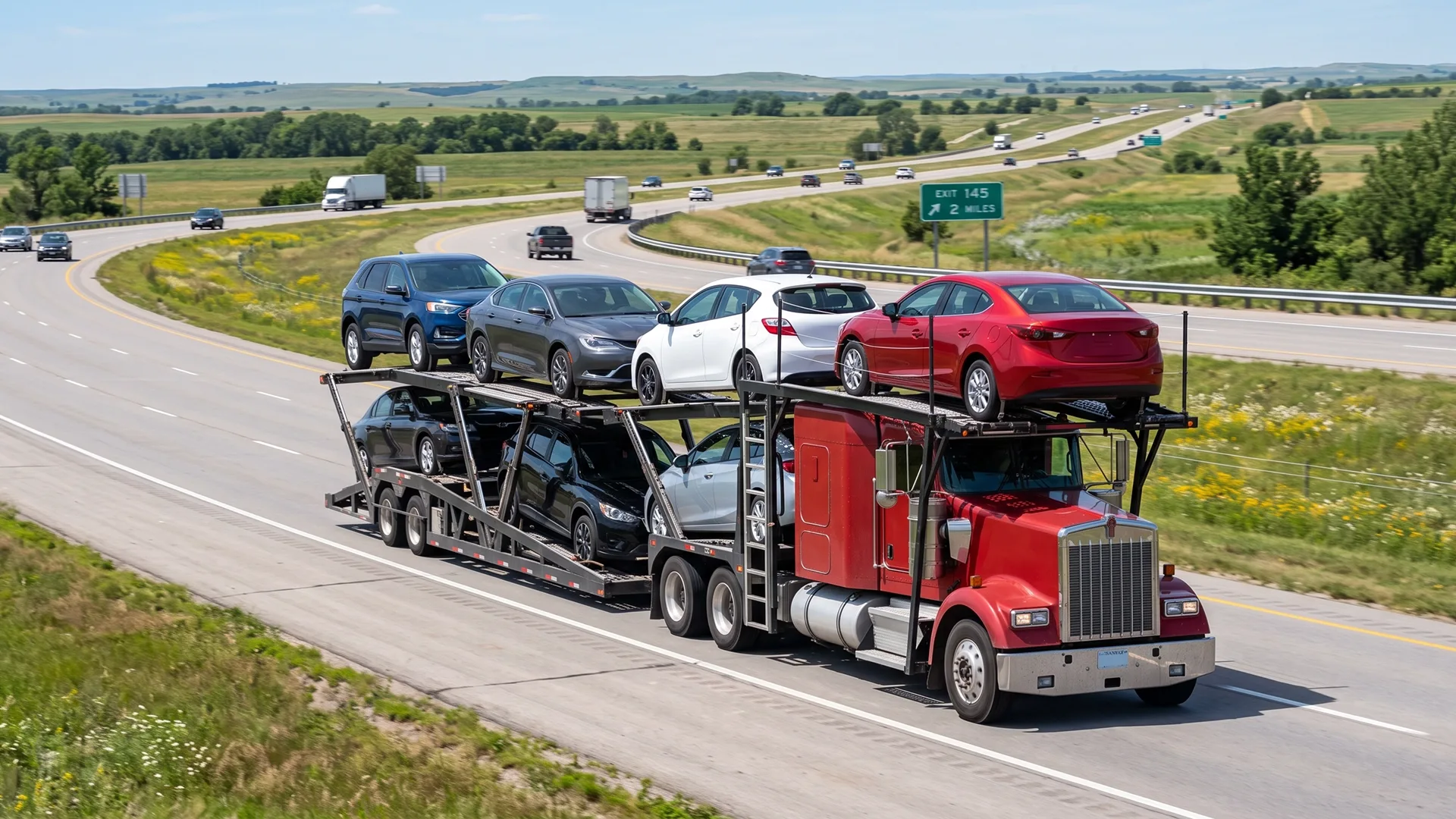
Getting an instant car shipping quote from Nexus Auto Transport takes in more than simply the distance between your pickup and dropoff location. The price of shipping a Ford F-350 is going to be a lot different from that of a Mazda Miata over the same 1,000-mile route.
What impacts the final quote you get has more to do with:
- Open, enclosed, or expedited shipping
- The vehicle’s operating vs. inoperable condition
- Pickup and delivery accessibility
- Seasonal demand
- Fuel prices
- Carrier availability
- Route popularity
- Size, weight, and modifications of your car
In many cases, the cost per mile for auto delivery may be cheaper for a longer distance because the situation is more optimized.
Myth #7: Auto Transport Insurance Covers Absolutely Everything
Nexus always vets drivers to ensure they have enough cargo insurance to cover auto shipping. That being said, different carriers may not have the full amount of insurance for a high-end Lamborghini.
You want to double-check insurance coverage before agreeing to anything. You should also call your personal car insurance provider in case there is supplemental coverage you can purchase for the delivery.
In all these situations, you likely won't get coverage for personal items in the car or for situations beyond the carrier's control. That’s why it’s so important to have these conversations first with a delivery specialist from Nexus and to get a Bill of Lading from the carrier before and after shipping so you have a complete record of pre-existing vehicle condition and any damage during transit.
Know the Facts Before You Ship
Auto myths about car shipping exist for a reason. Sometimes a single customer has a bad experience and gets so frustrated they write endless reviews and comments online. Other times people who are completely new to auto transport make up assumptions without actually having any experience.
Either way, you want to bust your personal car myths about your upcoming pickup and delivery by reaching out to Nexus Auto Transport. Get your questions answered and you’ll have more peace of mind that your vehicle, shipping dates, and insurance coverage are all clearly understood before your car goes anywhere.
FAQs
How far in advance should I book car shipping?
A good way to avoid many car myths about auto shipping is to book at least 2 to 3 weeks before your goal pickup date. That will help you get the best timing and pricing for your situation.
Can I ship a car if I am not available for pickup or delivery?
Yes. You can assign an adult to be your pickup person, but you should communicate that with the carrier and with Nexus beforehand.
Can dealerships and online sellers release a vehicle directly to an auto carrier?
Yes. Nexus Auto Transport frequently works with dealer-to-dealer and dealer-to-private buyer deliveries. Private sales, auction houses, port authorities, and more are all in our wheelhouse.
What happens if my car doesn't run when the carrier arrives?
An inoperable vehicle can still be shipped, but you always want to include that information in your quote. Nexus works with plenty of professional carriers that have the equipment and expertise to manage inoperable vehicles.