
You've sold the car. Now it has to reach the buyer without turning delivery into an expensive second transaction. When the buyer lives several states away, professional transport is often more practical than arranging a long-distance drive.
If you're trying to ship a sold car, price matters, but so do payment, pickup access, accurate vehicle details and a reliable delivery contact. Sorting those out before booking can prevent missed pickups and last-minute changes that erase the savings.
Decide Who Is Arranging and Paying for Shipping
Either the seller or buyer can arrange transportation. Decide who can approve the pickup date, make changes and speak for the shipment. Put that in the sale agreement when possible, along with who pays the shipping charge.
Vehicle payment is separate from transport. A truck arriving at your house is not proof the buyer has paid. Unless your sale terms say otherwise, do not release the car until the agreed payment has cleared.
If the sale is complete, give the transport company reliable phone numbers for the people at pickup and delivery. One person should have authority to make shipment decisions so a schedule change does not produce conflicting instructions.
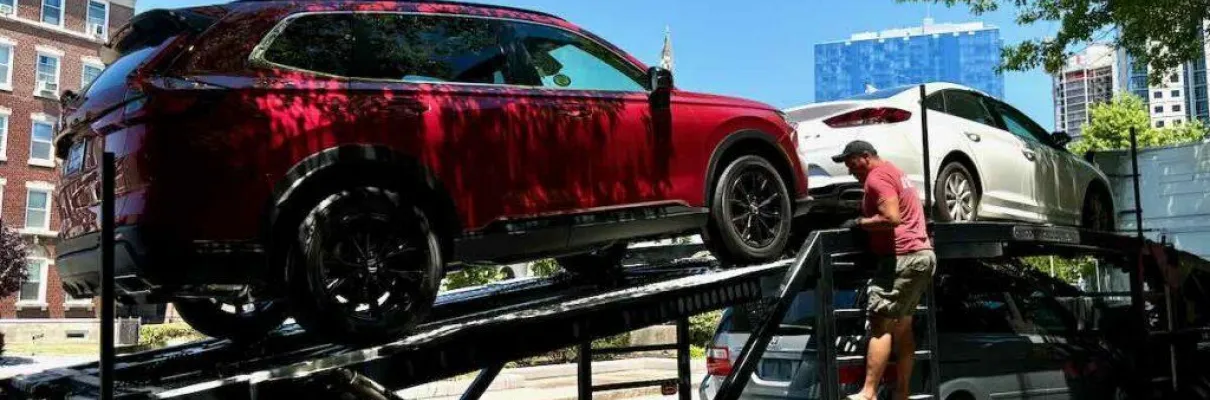
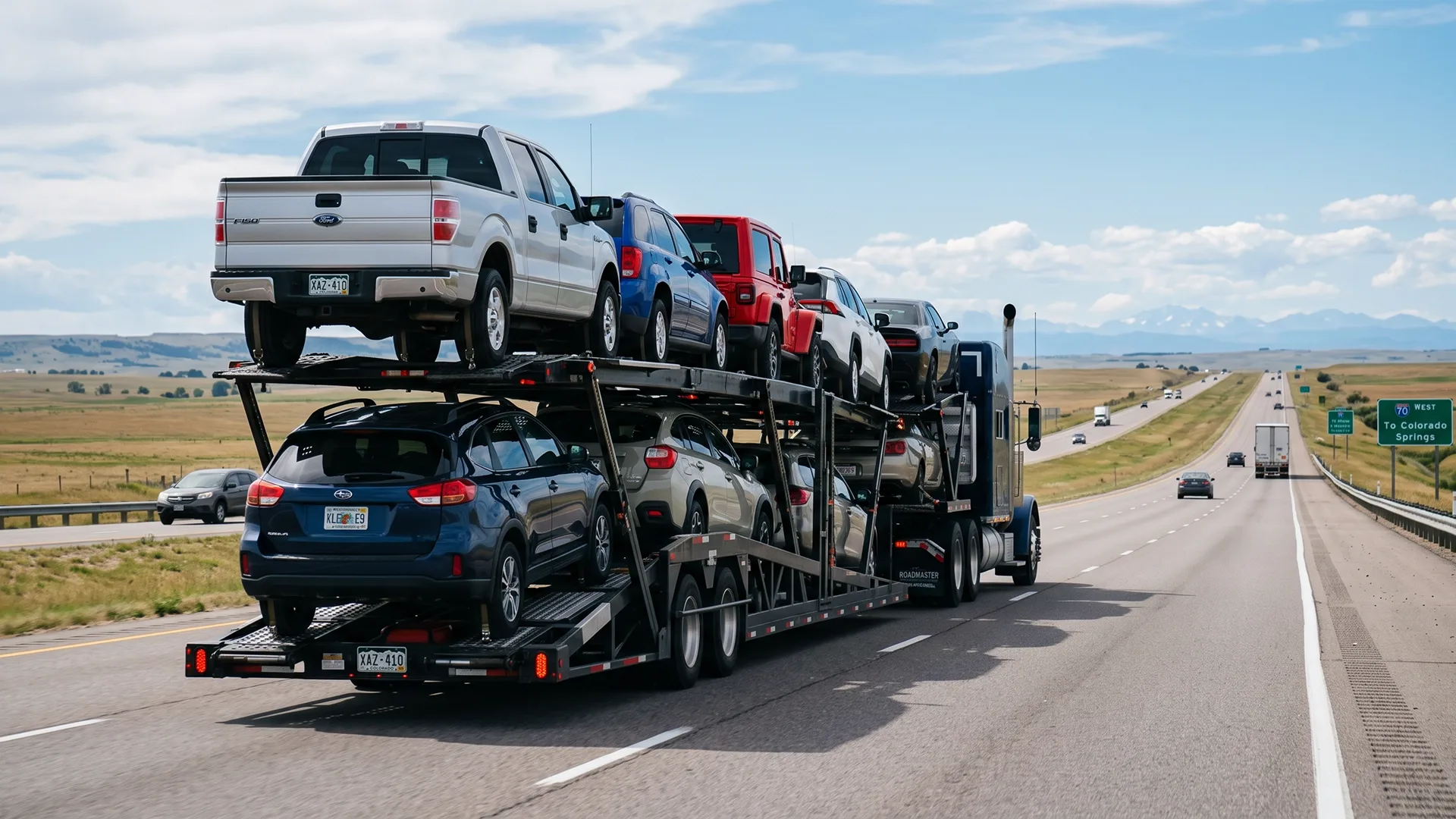
For most ordinary used cars, choosing between open or enclosed transport methods is the main equipment decision. Open transport is generally cheaper because one trailer carries several vehicles. Enclosed service costs more but may be worthwhile when cosmetic condition is a major part of the car’s value.
Get the Handoff Details Right Before You Book
A seller figuring out how to arrange shipping for sold car delivery needs a few specific facts:
- the vehicle
- pickup and delivery locations
- earliest release date
- car running condition
- any modification that affects size or ground clearance
The pickup contact should be an adult with the keys and authority to release the car. If the buyer cannot meet the driver, line up another adult before delivery rather than trying to solve it after the truck arrives.
Large multi-car carriers need room to operate. Narrow streets, low branches, tight turns or truck restrictions may make the exact address impractical. In that case, use a nearby safe meeting point with enough room for the truck.
Before turning over the keys, know whether the company you hired is arranging the shipment or physically hauling the car. The Federal Motor Carrier Safety Administration automobile transporter advisory explains the difference between brokers and carriers and how to check interstate registration. That tells you more than a polished website or unusually low quote.
Protect the Car and Document Its Condition
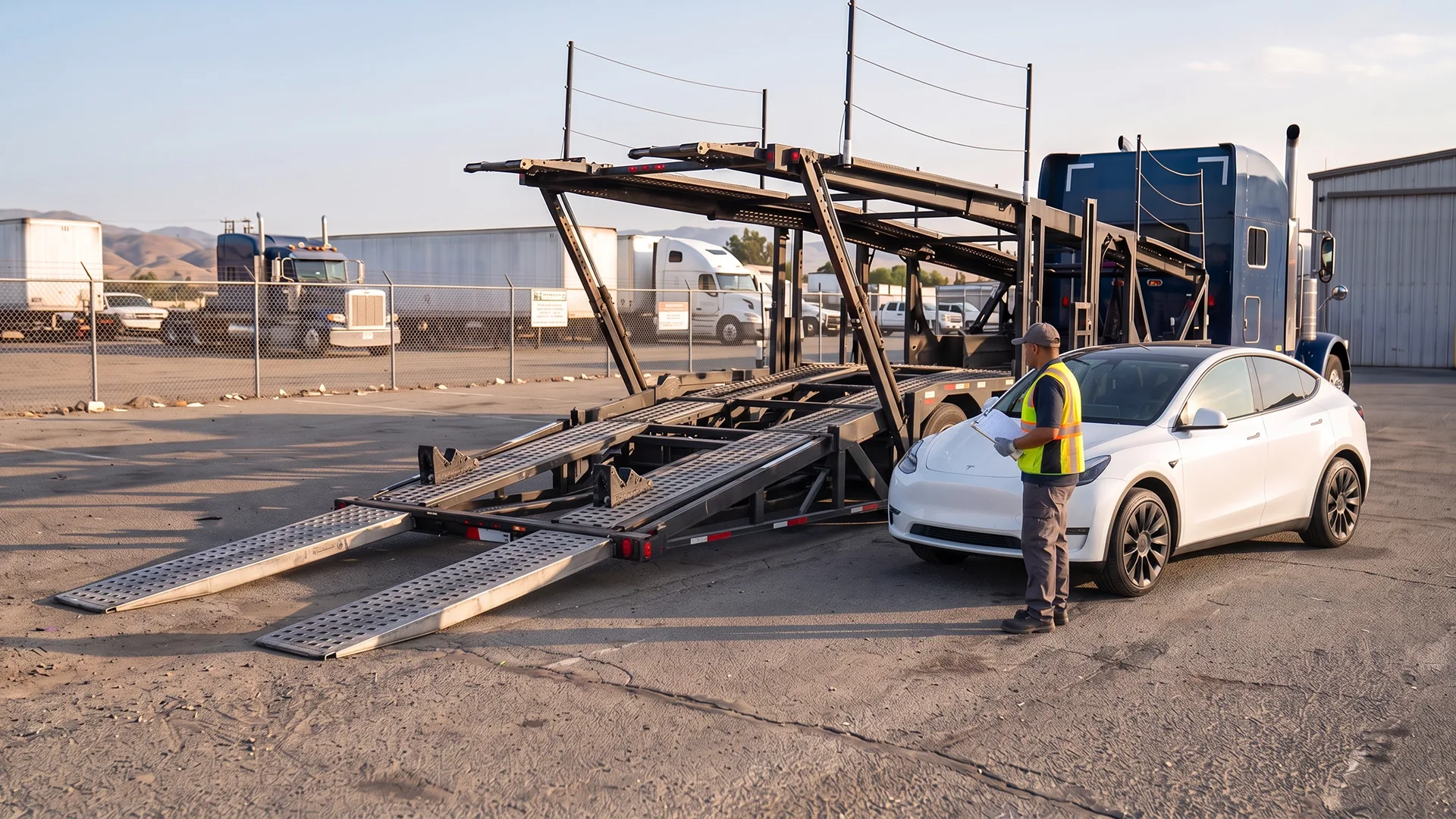
Take clear photos before the car leaves, including all four sides, the wheels, the glass and any existing damage. The goal is simply to document its condition at handoff.
The driver will inspect the vehicle at pickup and record its condition on the Bill of Lading, the shipment document used through delivery. Review it before signing and keep your photos until the buyer has inspected the car.
A large insurance figure on a website does not tell you what is covered or excluded. Ask what coverage applies while the car is in the carrier’s possession and how a damage claim would be handled.
Do not confuse general liability insurance with coverage for the vehicle itself. You should know which carrier is hauling the car and what applies to that shipment.
Make Pickup Easy Without Overcomplicating It
A private seller usually does not need to drive the car to a terminal to chase a small savings. Pickup near the seller and delivery near the buyer reduce extra handoffs.
Before pickup, remove personal property, have the keys ready and tell the transport company about any starting, steering, brake or loading problems. A reasonably clean car is also easier to inspect.
Modern cars can retain navigation history, contacts, paired phones, garage-door codes and app access. Clear that information and disconnect accounts you do not want the new owner using.
The Federal Trade Commission guidance on clearing personal data from a car is worth reviewing before the handoff. A factory reset may not cancel subscriptions or disconnect manufacturer apps, so handle those separately.
Sold Car Shipping Handoff Checklist
Shipping Step |
Seller Responsibility |
Buyer Responsibility |
What to Confirm |
|---|---|---|---|
Payment Confirmation |
Complete agreed payment before release |
Pay under the sale terms |
Seller is ready to release the car |
Pickup Address and Contact |
Provide location, keys and pickup contact |
Share pickup timing issue. |
Address, phone, access and date are correct |
Vehicle Condition Documentation |
Photograph existing condition |
Keep photos for comparison |
Pickup record is retained |
Carrier Pickup |
Review vehicle and paperwork |
Stay reachable |
Correct car goes to assigned carrier |
Bill of Lading |
Review pickup report before signing |
Review delivery copy |
Damage is recorded accurately |
Delivery Contact |
Give buyer contact information |
Be available or appoint an adult |
Driver knows the delivery contact |
Final Vehicle Inspection |
Keep pickup photos and paperwork |
Inspect before signing |
New damage is noted before signing |
The bill of lading (which has the condition report) travels with the vehicle. Keep the sale agreement and payment records with your transaction paperwork.
If the buyer cannot meet the carrier, appoint another adult and give that person the driver’s contact information before delivery. The seller should also remain reachable until pickup is complete in case the meeting point or arrival time changes.
Reducing unnecessary handoffs can matter more than squeezing out a small price difference, especially when neither side ships vehicles regularly.
For many private sales, door-to-door shipping does exactly that. The carrier gets as close to each address as it can safely and legally operate, then uses a nearby meeting point if the street cannot accommodate the truck.
Avoid Cheap Quotes That Create Expensive Problems
Pricing changes with route, vehicle size, equipment needs and truck availability. Flexibility on pickup can help, but the price still has to fit the actual shipment.
If one quote is far below the others, ask what it assumes. A price based on the wrong vehicle condition, size or pickup dates is not a bargain once those details are corrected.
Know who is finding the truck. A carrier operates the equipment. A broker arranges the shipment with an independent carrier. The distinction matters when you check registration, insurance and who will arrive for the car.
Using a car shipping broker can simplify the search for a truck. The important point is knowing who is arranging the move, who is hauling the car and what happens if the schedule or price changes before pickup.
Get a Shipment-Specific Price Once the Sale Details Are Set
If you need help with shipping a sold car, wait until you have enough information for a meaningful quote. Know both ZIP codes, the year, make and model, running condition and the first day the car can actually be released.
Whether the buyer is one state away or across the country, the goal is the lowest realistic cost for the right car, route, equipment and timing, not simply the smallest number on a screen.
The practical answer to how do I arrange shipping or pickup for a sold car is straightforward: settle payment, decide who controls the shipment, line up both contacts, document the car and then price the actual move.
FAQs
What information should I get from the buyer before booking vehicle transport?
Get the buyer's full name, delivery address, mobile number and timing restrictions. If someone else will receive the car, get that adult's name and phone number too.
What should I do if the buyer cannot be present to receive the vehicle at delivery?
The buyer can appoint another adult to meet the driver, inspect the car and sign the delivery paperwork. Give the transport company that person's contact information in advance.
Can I release the vehicle to the carrier before the buyer has completed payment?
Usually, no. The sale and transport are separate transactions. Unless your agreement says otherwise, complete the agreed payment before authorizing pickup.
Can the carrier pick up a sold vehicle from a location other than my home?
Yes. A workplace, storage facility, dealership, repair shop or other suitable location can work if the carrier can safely access it and an authorized adult has the keys.
Ship the Car Without Giving Back the Profit
Once the sale is complete, affordable transport is mostly about avoiding preventable complications. For a standard used car, open transport, accurate details and a reasonable pickup date usually control cost without adding unnecessary risk. If the car needs special protection or loading, budget for it.
Once pickup and delivery details are settled, price the shipment that actually needs to happen. Use the Nexus Instant Quote tool to see what your sold-car shipment will cost.