

The law does not prohibit leaving personal belongings inside a shipped vehicle, but most carriers strictly regulate the practice or ban it altogether.
That distinction matters. Car shipping with personal items may be permitted, but approval depends on the carrier moving your vehicle, the amount and weight of the property and where it is stored. Before booking car shipping services, tell the transport coordinator exactly what you plan to leave in the car.
Can You Put Stuff in Your Car When Shipping?
If you are asking, "Can you put stuff in your car when shipping?" the practical answer is usually yes, in limited amounts and only with prior approval. Federal law does not impose a general prohibition on belongings in a transported car. However, an auto carrier is contracted and insured to move the vehicle, not to act as a household goods mover.
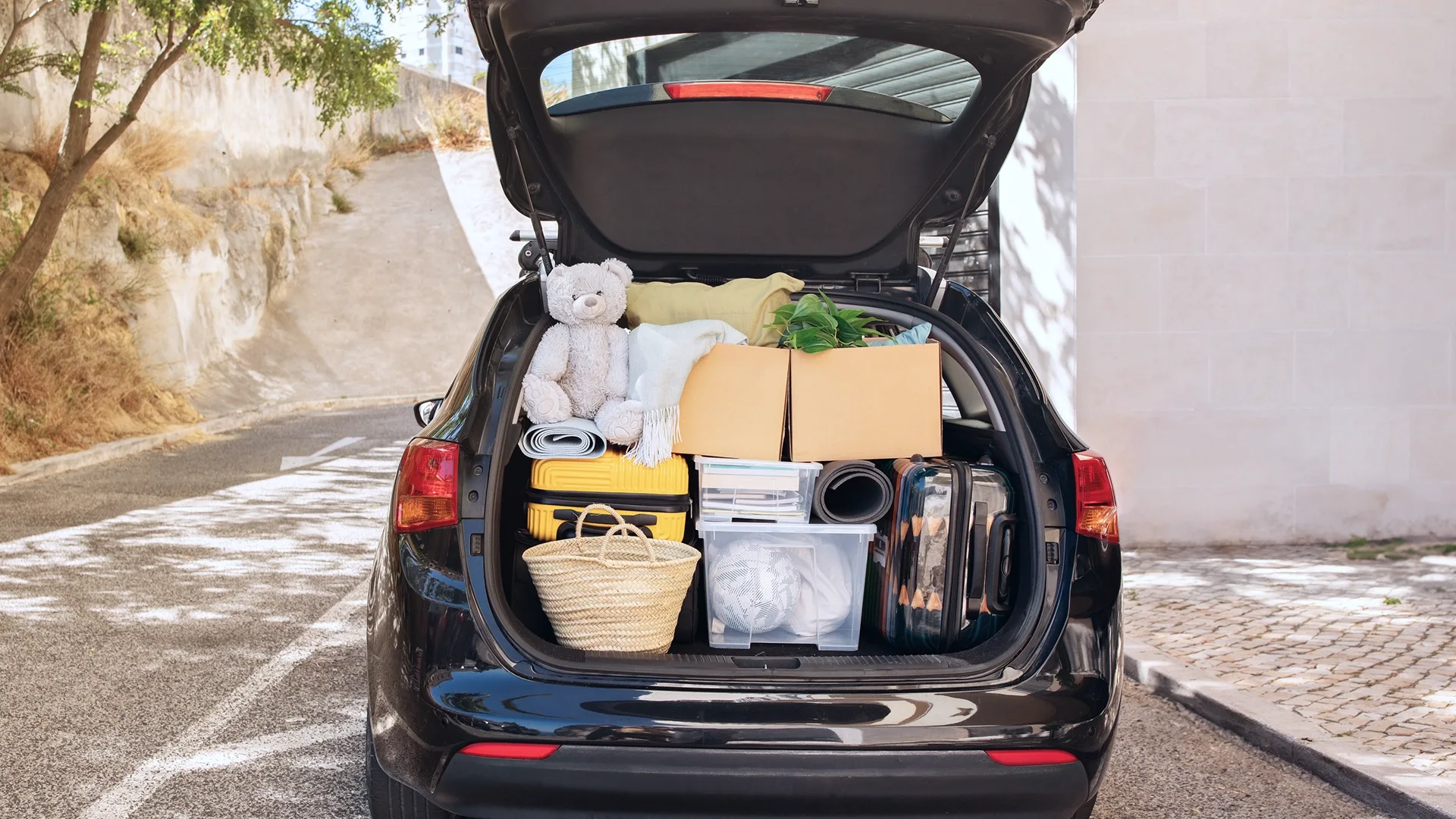
Shipping car with stuff inside can vary. Some carriers allow about 100 pounds of personal property in the trunk or cargo area. Others allow less, charge an additional fee or require the vehicle to be completely empty. Because brokers work with many independent auto transport companies, the policy quoted during an initial inquiry may not apply until a specific carrier accepts the shipment. Get the final rule in writing before pickup.
Why Do Carriers Have Different Personal Item Policies?
Carrier policies reflect the equipment, route, insurance terms and remaining trailer capacity for a particular load. A nine-car hauler may have little weight flexibility once all vehicles are assigned. An enclosed trailer carrying two collector cars may have more room, but its operator may still refuse personal property because the cargo policy excludes it.
This is why can you put stuff in car when shipping does not have one universal companywide answer. The broker can explain common limits, but the assigned carrier makes the final operating decision. Seasonal demand and route also matter. During snowbird season or on a heavily booked cross-country route, trailers are often loaded close to their planned capacity, so drivers may enforce weight limits more strictly.
Why Do Carriers Restrict Personal Items?
Trailer weight
Commercial transport trucks must remain within legal axle and gross vehicle weight limits. Extra property in several vehicles can add hundreds of pounds to a load. If the truck is overweight, the carrier may receive a fine, be required to redistribute the load or remove weight before continuing.
Insurance and liability
Motor carrier cargo insurance generally covers the vehicle, not suitcases, boxes or household goods left inside it. If an item is broken, lost or stolen, the carrier may have no obligation to reimburse you.
Theft exposure
Items visible through the windows can attract attention when an open carrier stops for fuel, meals or an overnight break. Keeping approved belongings in the trunk or below the window line reduces visibility but does not eliminate the risk.
Safe loading
The driver must enter, steer and sometimes reposition the vehicle during loading. Boxes cannot block the seat, pedals, mirrors or windows. Loose objects can also shift during braking and damage the interior.
What Can You Usually Pack and What Should Stay Home?
For shipping a car with stuff inside, think in terms of a few low-value essentials, not a second moving container. Even approved property should be packed in closed boxes or bags, secured against movement and kept out of sight.
Often Allowed With Approval | Do Not Leave in the Vehicle |
A small suitcase or a few sealed boxes | Cash, jewelry or collectibles |
Blankets, clothing and soft goods | Prescription medication |
An installed child safety seat | Firearms, ammunition or weapons |
Basic emergency equipment | Flammable, corrosive or hazardous materials |
Low value household items | Electronics, legal documents or heirlooms |
How Does the Vehicle Inspection Work With Belongings Inside?
At pickup, the driver records the vehicle condition on the Bill of Lading. You and the driver should be able to see the exterior panels, glass and wheels clearly. Property inside the vehicle should not cover existing interior damage that you may want documented, block the windows or prevent access to the driver controls.
Take dated photos of the exterior, interior and approved packed items before loading. The Bill of Lading documents the vehicle condition, not an inventory of your belongings. Do not assume that writing “boxes in trunk” on the form creates insurance coverage for their contents.
Personal Items in Shipped Cars: Open vs. Enclosed Carriers
Open and enclosed transport differ in exposure, but neither method guarantees protection for personal property. Choose the carrier type based primarily on the protection your vehicle requires.
Transport Method | Visibility to Public | Weather Protection | Overall Security Level |
Open Auto Transport | Higher | Limited | Standard vehicle security, greater visibility of belongings |
Enclosed Auto Transport | Lower | Full trailer enclosure | Higher privacy and vehicle protection, but belongings still may be uninsured |
What Happens If You Pack Too Much?
The driver may require you to remove excess property before loading. If you cannot do that immediately, pickup may be delayed or the shipment may need to be reassigned. A carrier may also charge for approved extra weight, although paying a surcharge does not automatically add insurance coverage.
Do not wait until the truck arrives to disclose that the trunk or rear cargo area is packed. The transport quote is based partly on the vehicle type and expected weight. A last-minute change can affect the driver's load plan and every other vehicle on the trailer.
When Is a Moving Company the Better Choice?
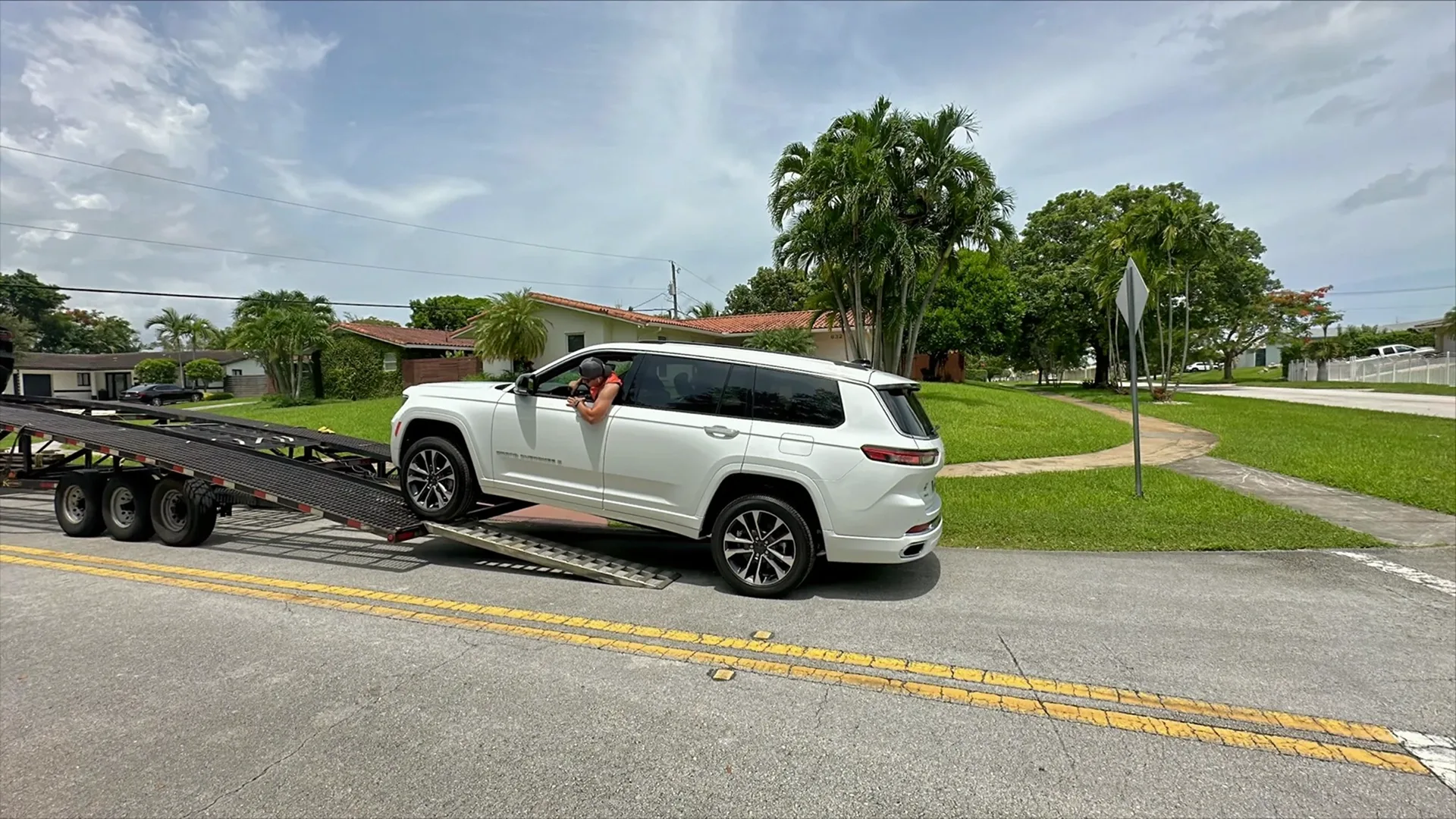
A vehicle transporter is not a substitute for a mover, parcel service or portable storage container. Shipping car and belongings together may make sense for a few low-value essentials that fit within the carrier's policy. It does not make sense for furniture, appliances, a full household move or anything you cannot afford to lose.
Separating the two jobs is usually safer. Let the auto carrier handle the vehicle and use a moving service for household property. That approach also makes insurance responsibility clearer if something is damaged.
Best Practices for Car Transport With Personal Items
Tell the broker what you plan on shipping a car with items inside before a carrier is assigned.
Confirm the carrier's weight limit, storage location and possible fee in writing.
Keep all approved property in the trunk or below the bottom of the windows.
Remove valuables, prohibited materials and anything needed during transit.
Secure every box or bag so it cannot shift while the truck is moving.
Photograph the vehicle and the packed area before pickup.
Use the U.S. DOT carrier lookup to confirm that the carrier is registered.
Have a backup plan in case the assigned driver requires items to be removed.
Questions to Ask Before Booking
Before arranging car transport with personal items, ask these questions:
How many pounds of personal property may remain in the vehicle?
Must the items be in the trunk or can they be placed in the rear cargo area?
Is there an added charge?
Are personal items excluded from the carrier's insurance?
What happens if the assigned driver applies a stricter policy at pickup?
Clear answers let you compare carriers beyond price and reduce the chance of an unpleasant surprise on shipping day.
FAQs
What happens to my items if the transport truck is delayed or involved in an accident?
A delay does not create additional coverage for personal property. If the truck is involved in an accident, the carrier's insurance may cover qualifying damage to the vehicle, but belongings inside are usually excluded. Contact your homeowners or renters insurance provider before shipping to learn whether your policy provides any coverage.
Does adding personal belongings affect the final delivery timeline of my vehicle?
It's usually not allowed once the vehicle is loaded. The greater risk is a pickup delay if the driver finds more weight than disclosed, prohibited materials, or items that block safe access. Resolving those issues may require unloading property or rescheduling the vehicle.
Can I ship items secured in a rooftop cargo box or exterior rack?
Usually only with specific carrier approval, and many carriers will refuse them. Rooftop boxes and exterior racks add height, change clearance requirements and can be damaged by wind or road debris. Remove them unless the assigned carrier confirms otherwise in writing.
Are there universally prohibited items that cannot be placed inside the vehicle under any circumstances?
Policies differ, but expect carriers to prohibit firearms, ammunition, illegal substances, explosives, fuel containers, corrosive chemicals and other hazardous materials. You should also remove cash, medication, electronics and irreplaceable documents even when they are not expressly prohibited.
How do highway weigh stations handle transport trucks if my loaded car exceeds the estimated weight?
Weigh stations evaluate the truck's legal gross and axle weights, not the contents of one vehicle in isolation. If the transporter is overweight, enforcement may require the driver to redistribute or remove weight and may issue a citation. That can delay the entire load, which is why carriers ask customers to disclose personal property before pickup.
Plan Your Vehicle Shipment Without Pickup Surprises
If you're considering car shipping with personal items, a small amount of approved property may travel with your vehicle, but the safest plan is to confirm the rules before the carrier is assigned. Tell Nexus what you need to move, ask about the personal item limit and keep valuable or irreplaceable belongings with you.
You can get a quote from us to review your transport options, or request an Instant Quote when you are ready to plan the shipment.