
The time needed to charge an EV comes up in nearly every conversation about the vehicles. We live in a world in which people have grown accustomed to refueling vehicles with internal combustion engines (ICE), which sets the expectation that it should take 5 to 10 minutes for a vehicle’s fuel reservoir to go from empty to full.
EVs have historically taken, and continue to take, longer than that, so the question is how fast an electric car can charge and when the issue matters. Concerns about the extra time needed to recharge an EV are referred to as range anxiety, which mostly comes into play when traveling a distance that approaches the EV’s range when fully charged.
So, let’s look at how long it takes to charge an EV under the three charging levels available today, called Level 1, Level 2, and Level 3, though you can think of them as slow, medium, and fast. We’ll also
look at how the charging time might influence decisions about driving long distances, such as across the country.
Level 1 (Slow)
Level 1 charging uses a standard 120-volt household outlet, the same outlet that accepts the two-pronged plug on your lamp or laptop. Since Level 1 uses the standard outlet, the only special equipment needed is the cord that came with the EV. You’ll find 120-volt outlets nearly everywhere, and their accessibility is the biggest advantage. The downside is that Level 1 chargers are slow.
Level 1 chargers:
- Deliver 1.4 to 1.9 kilowatts of power
- Provide 3 to 5 miles of driving range per hour of charging
- A mid-size EV with a 60 to 80 kWh battery takes 20 to 40 hours to go from empty to fully charged
Level 1 is best suited for plug-in hybrids with smaller batteries, who rely on the battery for limited miles, especially people with short commutes who can charge the EV overnight.
Level 2 (Medium)
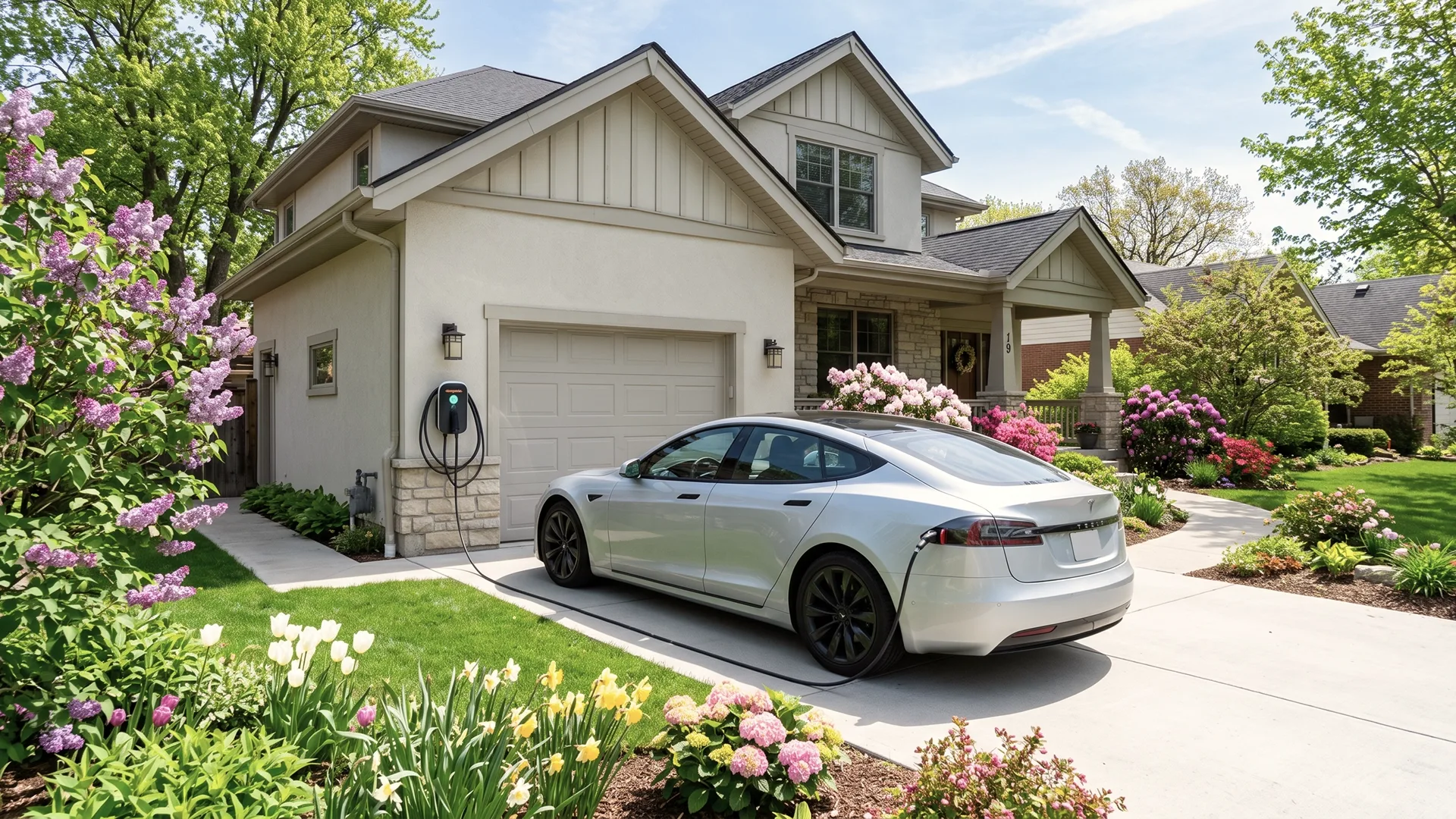
Most drivers with fully electric EVs rely on Level 2 chargers. Level 2 chargers run on 208 to 240 volts and use the same type of circuit as a clothes dryer or electric range. They:
- Deliver 3.3 and 19.2 kilowatts of power, depending on the equipment
- Add 15 to 40 miles of driving range per hour
- Allow an electric vehicle charging time from near zero to full in 4 to 8 hours
When installed at home, Level 2 chargers are wall-mounted and require a dedicated circuit. Installation runs from $300 to $1,000 depending on your home's current electrical setup and local labor rates. Federal tax credits and utility rebates can offset a portion of that cost. Once installed, the per-kWh cost is the same as your residential electricity rate.
Level 2 chargers are great anywhere you spend extended periods of time, like your home, your workplace, hotels, and some retail locations, some of which offer discounted rates or free charging for employees or customers.
Level 3 (Fast)
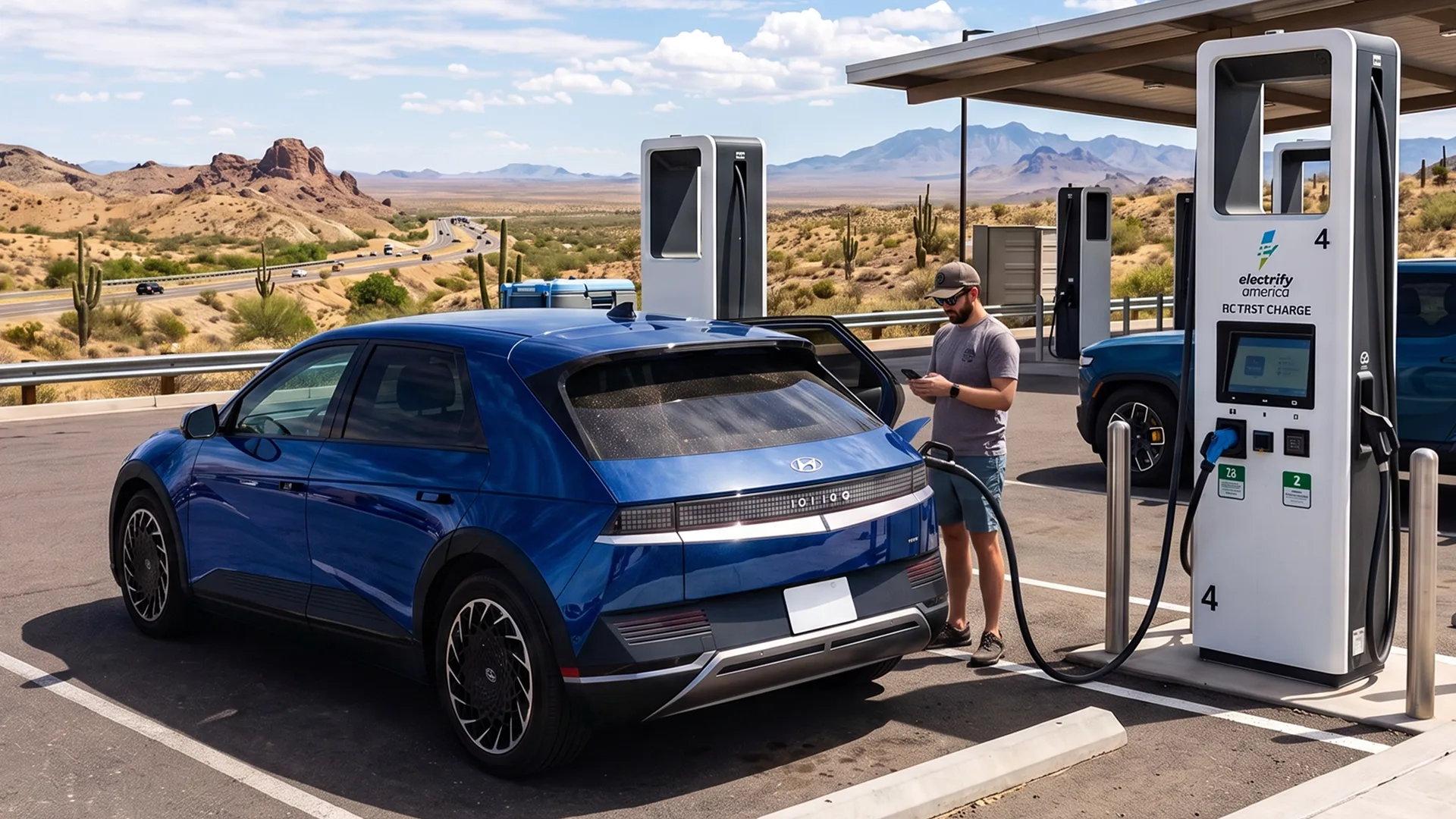
Level 3, also called DC fast charging (DCFC), pushes high-voltage direct current straight to the battery, offering the fastest electric vehicle charging time. Depending on the charging station and your vehicle:
- Output ranges from 50 kilowatts to 350 kilowatts, while most production EVs accept between 100 and 250 kW.
- An EV at a 150-kW charger recovers 100 to 200 miles of range in 20 to 30 minutes.
Level 3 charging stations take substantial infrastructure to put in place, draw a lot of power, and require paying out of pocket to use them. Still, with limited exceptions, the cost per mile when using Level 3 charging is less than the cost of gas or diesel.
Access to Level 3 chargers that quickly recharge your car makes long-distance EV travel practical, though it is not for everyone, since it takes longer than filling up at a gas station. You also need to understand that Level 3 chargers can quickly take your battery from 0 to 80 percent, but the nature of battery chemistry results in a slower charging rate from 80 to 100. As a result, most drivers charging up while on the road stop charging at 80 percent, hit the road again, knowing they will need to refuel again in 2 to 3 hours.
Since Level 3 charging adds 100 to 200 miles of range in 20 to 30 minutes, EV road warriors learn to pair these stops with a lunch, a book chapter, or a short walk. For example, on a recent 570-mile trip through the Midwest in an EV. We paired our charging events with quick stops for a donut and coffee, lunch, a pit stop at a Wally’s mega gas station, and a random apartment complex equipped with a fast charger. We waited to reach the 80 percent level at three of the four stops, but we expected it going in, so it was relatively painless, and we were not in a rush.
How Charging Time Affects the Cross-Country Drive vs. Transport Decision
Level 3 chargers make it possible to travel cross-country in an EV. Fast charging stations are in place, especially along well-traveled corridors, with the Department of Energy’s latest count showing about 75,000 nationwide. Given the number of charging stations, the issue is not whether you can find charging stations along the route; it is whether you are willing to stop every 100 to 200 miles spent on electric car charging station time.
The drive from Chicago to Los Angeles is roughly 2,000 miles. In an ICE vehicle, you can make it in two or three days of hard driving with a handful of five-to-ten-minute fuel stops. How fast can an electric car charge? An EV requires 8 to 12 Level 3 charging stops depending on your vehicle's range and how you manage the battery, and each stop takes 20 to 30 or more minutes, which is longer than filling a tank of gas.
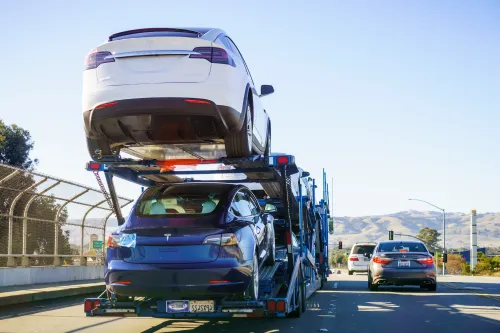
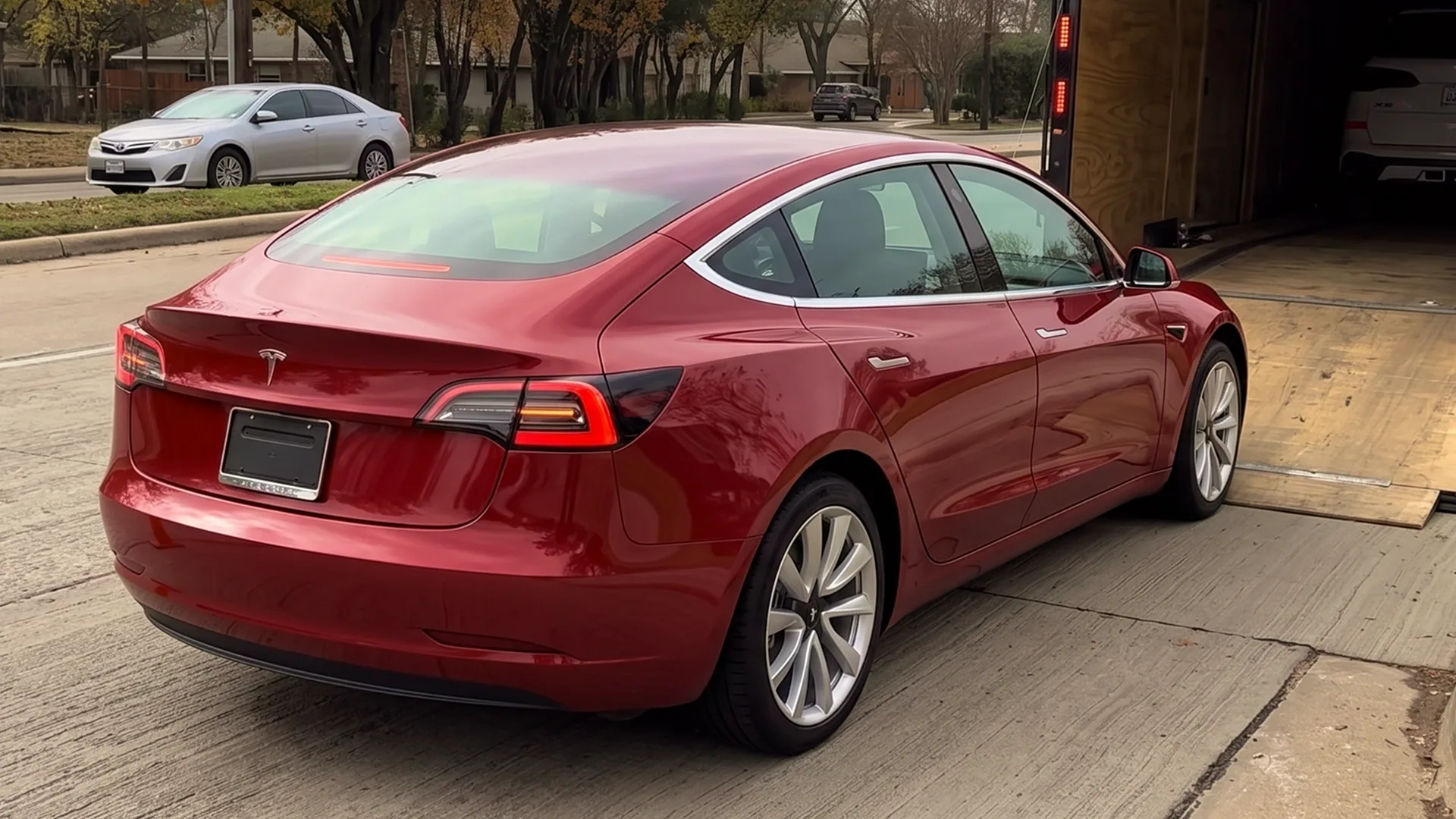
Those stops add hours of non-driving time to the trip compared to a gas car, which is manageable if a relaxed road trip fits your schedule. Still, not every cross-country trip is appropriate for a leisurely drive, which is when shipping your vehicle is the preferred option. Among those who ship rather than drive EVs are:
- Families relocating for work who are also moving their belongings
- Those who buy vehicles remotely
- Snowbirds
- People who don’t want to put 2,000 or more miles on their vehicle
Open-carrier auto transport typically costs $850 to $1,500 for a coast-to-coast haul and takes five to ten days. Enclosed transport for a luxury or collector EV runs $1,200 to $2,500. In comparison, you would likely pay $350 to $400 in Level 3 charging fees on that 2,000-mile trip, plus lodging, food, and other expenses. So, the issue often comes down to the value of your time and your need for a long-distance driving adventure.
Cross-Country Car Shipping
If you need to move your EV to another state or across the country, consider Nexus Auto Transport. We’ll provide high-quality, timely shipment of your vehicle and will stay in touch with you throughout your car’s journey. Feel free to contact us if you have questions or want a fast, accurate quote.
Instant quote: https://nexusautotransport.com/car-shipping-calculator/
Electric Vehicle Charging Speed Comparison
Charging Level |
Charger Type |
Range Added Per Hour |
Average Charge Time |
Best Use Case |
|---|---|---|---|---|
Level One Standard |
120-volt connection |
3 to 5 miles |
20 to 40 hours |
Plug-in hybrid home use |
Level Two Home Public |
220-volt connection |
15 to 40 |
4 to 8 hours |
Home use |
Level Three DC Fast |
Commercial grade, 50 to 350 kilowatts |
100 to 300+ in 30 minutes |
20 to 30 minutes |
Commercial charging station |
FAQs
Does shipping an electric vehicle affect its battery health?
A car sitting still on a trailer does nothing that accelerates degradation. EV batteries are built to handle vibration whether they are being driven or hauled. The only issue of note is extremely hot or cold weather, which can sap a battery over time. However, by ensuring the battery is 50 percent charged at pickup, it should withstand a lengthy trip through difficult weather.
How does extreme cold weather impact electric car charging times?
For reasons related to battery chemistry, the battery management system throttles the charging process in extreme cold weather. Level 1 and 2 A batteries at 20°F might charge 20 to 30% more slowly than the same battery at 70°F.
When it comes to how fast an electric car can charge, Level 3 charging suffers more adverse effects. In cold weather than Levels 1 and 2. Below 32°F, many EVs accept only 30–50% of their rated peak charging speed until the battery warms up. Below 10°F, the fast-charging session slows further, so a 25-minute session in summer can take 45 to 60 minutes in deep winter for the same amount of energy added.
What are the safety risks of frequent DC fast charging on road trips?
Frequent and repeated fast charging can lead to lithium plating when the battery gets hotter over the course of a long day, though a properly functioning battery management system and an undamaged battery dramatically lessen the potential for problems.
Be sure to have your battery inspected after any accident, and drive for at least 20 to 30 minutes after a fast-charging session before using another Level 3 charger.