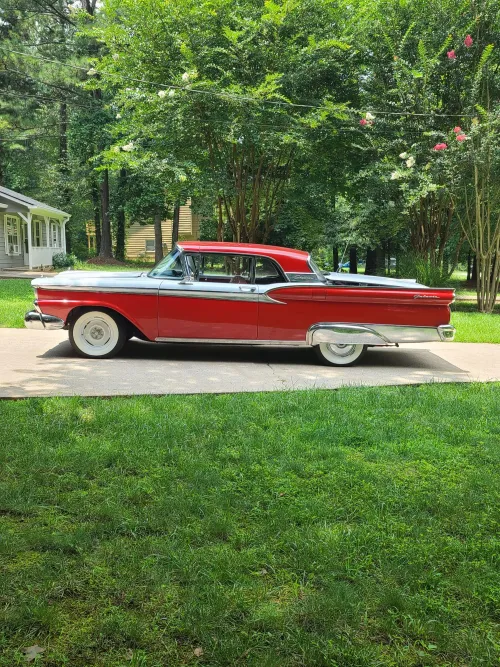
Car enthusiasts rarely modify a vehicle with the next owner in mind. Coilovers, all-terrain tires or a better stereo are installed because they make the car better for you.
But do mods add value to a car when it's time to sell? Sometimes. The right upgrades can increase modified car value, while highly personal or poorly executed mods can shrink the buyer pool.
Do Mods Add Value to a Car?
There's no dollar-for-dollar relationship between modification costs and resale value. Spending $4,000 on wheels, suspension and exhaust doesn't automatically add $4,000 to the car's value.
What matters is whether buyers want those modifications. Period-correct upgrades on a collectible car or a quality lift and off-road tires on a 4x4 may add appeal, while highly personalized mods can shrink the buyer pool.
Before modifying primarily for resale, consider the other factors that affect your car's value the most. Condition, mileage, maintenance history and market demand often matter more than aftermarket parts.
Which Car Modifications Can Increase Value?
The safest upgrades tend to improve the car without radically changing its character. Quality and documentation matter as much as the modification itself.
- High-quality custom wheels and performance tires: A tasteful wheel upgrade with properly sized, brand-name tires can improve appearance without fundamentally changing the vehicle. On trucks and SUVs, appropriate all-terrain tires may appeal to buyers looking for off-road capability.
- Useful technology upgrades: A professionally installed infotainment system, backup camera or modern connectivity can make an older vehicle easier to live with.
- Well-executed suspension upgrades: Quality coilovers, sway bars or other suspension components may appeal to enthusiasts when they're properly selected and installed. Parts from unknown brands, extreme ride heights or a harsh setup can have the opposite effect.
- Reversible performance upgrades: Enthusiasts may pay more for recognized aftermarket components when the installation is clean, and the original parts are included with the sale.
- Professional restoration or cosmetic improvements: Correcting worn upholstery, deteriorated trim, or neglected paint can sometimes do more for resale than adding more performance upgrades.
Keep receipts for quality parts and professional installation. Service records help a buyer understand what was done and by whom instead of forcing them to guess.
If resale is already on your mind, consider the entire vehicle rather than modifications alone. There are often less expensive ways to boost your car’s worth before listing it.

Does Modifying a Car Decrease Value?
It certainly can. Does modifying a car decrease value in every case? No, but modifications become risky for resale when they reduce reliability, compromise legal compliance or appeal to a very narrow group of buyers.
The modifications most likely to hurt resale include:
- Extreme suspension changes: Very low ride heights, excessive negative camber or poorly engineered lift kits can raise concerns about tire wear, alignment, driveline geometry and everyday usability.
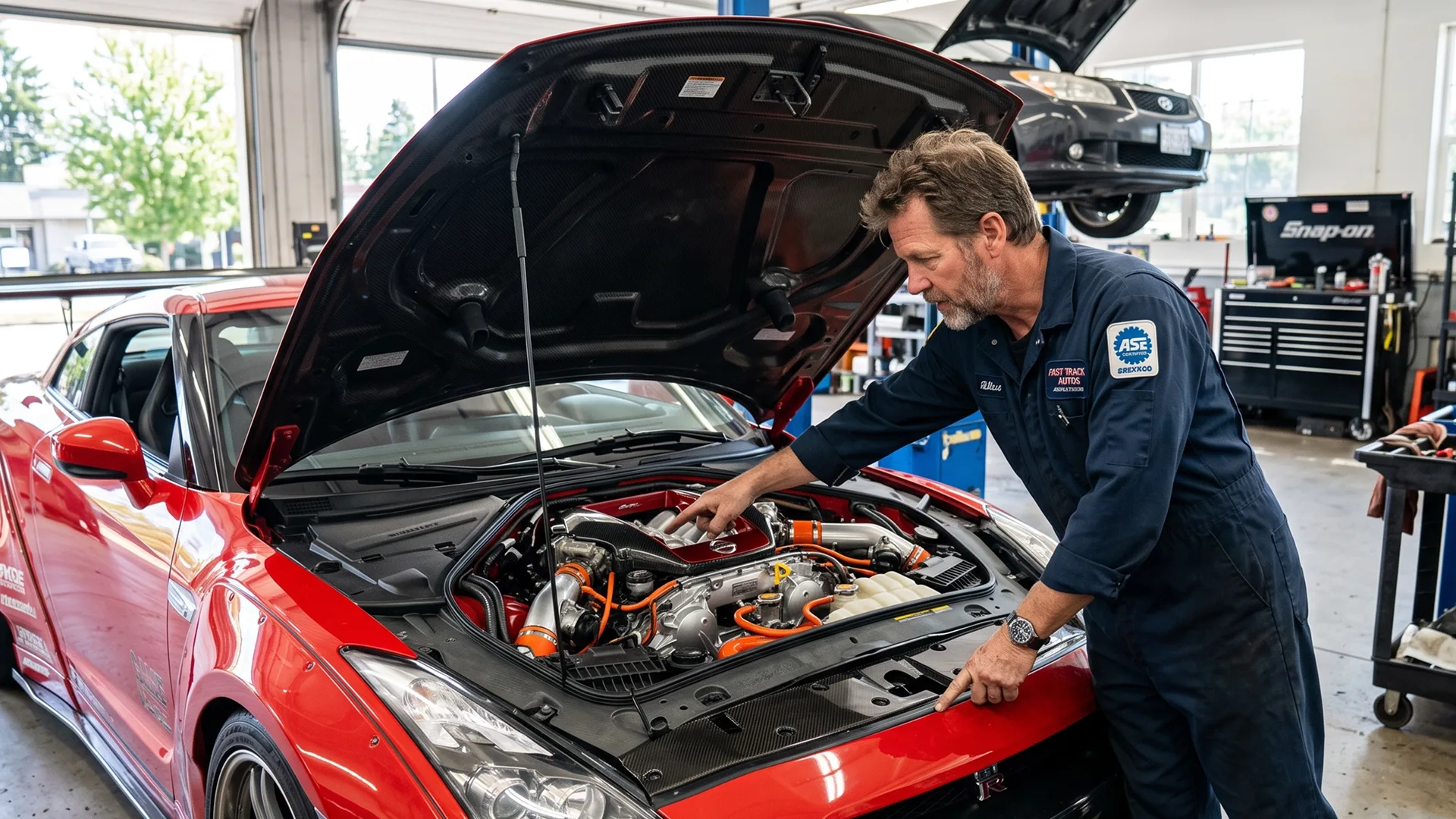
- ECU tunes and aggressive engine mods: Big power gains can make buyers wonder how hard the car has been driven and how much extra stress the engine, transmission and driveline have seen.
- Emissions-system alterations: Removing or defeating catalytic converters or other required emissions equipment creates problems far beyond resale value.
- Permanent body modifications: Cutting fenders for wide-body kits or fender flares, drilling panels or making other difficult-to-reverse changes can substantially narrow the buyer pool.
- Highly personalized cosmetic work: Unusual paint colors, wraps, oversized wings and custom interiors may be exactly what you wanted but not what the next owner wants.
- Poor electrical modifications: Amateur stereo, lighting, or accessory wiring can be a red flag. Buyers may see questionable wiring and immediately wonder what other work was done incorrectly.
Federal rules deserve particular attention when modifications involve emissions equipment. The U.S. Environmental Protection Agency (EPA) prohibits tampering with required emissions controls and the manufacture, sale or installation of aftermarket defeat devices. The EPA's vehicle and engine tampering policy provides more detail on federal requirements.
A modification that creates an emissions or inspection problem isn't likely to look like an upgrade to a prospective buyer.
How Much Is Your Modified Car Actually Worth?
Start with the value of the underlying vehicle, not the amount you've invested in modifications.
A car value calculator can establish a baseline based on the vehicle itself. Then compare similar modified and unmodified examples for sale in your market.
Be realistic about what aftermarket parts are worth once installed. Some modifications may justify a higher asking price to the right enthusiast, but buyers rarely reimburse sellers for the full retail cost of aftermarket parts and labor.
Mileage remains important regardless of what's been modified. Understanding how mileage affects your car’s value gives you another reference point when establishing an asking price.
Stock vs. Modified Car Resale Value
Modification Type |
Likely Effect on Resale |
Why |
|---|---|---|
Quality wheels and properly sized tires |
Neutral to positive |
Can improve appearance without substantially changing usability |
Professional infotainment upgrade |
Neutral to positive |
Adds useful modern features to an older vehicle |
Quality coilovers or suspension upgrade |
Depends on buyer |
Enthusiasts may value the improvement while mainstream buyers may prefer stock |
Moderate, documented performance upgrades |
Depends on vehicle |
Can attract enthusiasts but may raise reliability concerns |
Extreme lowering or oversized lift kit |
Often negative |
Reduces mainstream appeal and may affect drivability |
Emissions defeat or delete modifications |
Negative |
Can create legal, inspection and resale problems |
Permanent body alterations |
Often negative |
Expensive to reverse and highly dependent on buyer taste |
Amateur wiring or poorly installed accessories |
Negative |
Raises concerns about workmanship and future electrical problems |
The table highlights the central problem with valuing modified cars: the more specialized the modification becomes, the more dependent its value is on finding the right buyer.
Think About Safety and Compliance Before Modifying
Resale isn't the only consideration. Some modifications can also affect safety or legal compliance.
The National Highway Traffic Safety Administration (NHTSA) regulates federal motor vehicle safety standards. Its guidance on aftermarket vehicle modifications explains federal restrictions involving required safety equipment.
State laws also vary on suspension height, lighting, tint, exhaust, emissions equipment and tire coverage. Check the rules before making major changes, especially if you may eventually sell the vehicle out of state.
Should You Return a Modified Car to Stock Before Selling?
Sometimes returning a vehicle to stock makes financial sense, especially if you kept the original parts. Selling aftermarket wheels, coilovers or exhaust components separately may bring more money while making the stock vehicle attractive to a larger pool of buyers.
But don't automatically remove upgrades buyers value. Some are worth leaving in place.
Ask three questions:
- Will the modification make the car harder to sell?
- Can the original equipment be reinstalled economically?
- Is the aftermarket part worth more sold separately than it adds to the vehicle?
Also think about presentation. Maintenance records, receipts, spare keys and original components can reassure a buyer that the car was thoughtfully modified rather than simply altered. Use a car selling checklist to make sure the rest of the vehicle is ready before you advertise it.
How to Transport a Modified Vehicle
A modified vehicle may require special loading equipment. Tell the transport company about suspension, tire and dimensional changes before a carrier is assigned.
Lowered cars may need low-angle ramps or a lift gate, while lifted or wide-body vehicles can create clearance issues. Enclosed auto transport may be appropriate for vehicles requiring additional clearance or protection.
Provide Nexus with the vehicle's ground clearance, height, width and operating condition when requesting transport.
Modified Vehicle Shipping Considerations
Modification |
Transport Consideration |
Possible Cost Effect |
What to Provide Before Booking |
|---|---|---|---|
Lowered suspension |
Reduced ramp and underbody clearance can require low-angle loading or a lift gate. |
May increase if special loading equipment or an enclosed carrier is needed. |
Exact ground clearance and photos of the front splitter, side skirts or other low bodywork. |
Lift kit or oversized tires |
Added height, weight and tire size can affect trailer fit and load planning. |
May increase because the vehicle occupies more space or adds weight. |
Overall height, tire size and any heavy accessories such as bumpers, racks or winches. |
Wide-body conversion |
Extra width can limit carrier positions and tie-down access. |
May increase if fewer carriers can accommodate the vehicle safely. |
Overall width and clear photos showing fender, wheel and body-kit clearance. |
Custom aero or fragile exterior parts |
Splitters, spoilers and other low or delicate pieces can be vulnerable during loading. |
Depends on the equipment and protection required. |
List the parts that need extra care and identify anything loose or removable before pickup. |
Modified Cars Can Be Harder to Sell Outside the Enthusiast Market
The buyer who wants your exact build may live three states away. That's particularly true for modified sports cars, classic muscle cars, specialty trucks and other enthusiast vehicles.
A local buyer may see a lowered suspension or heavily modified engine as a liability, while the right enthusiast may consider those upgrades a reason to buy.
Good documentation helps. Provide clear photos, receipts, installation records and a modification list, and disclose anything that could affect emissions, registration or drivability.
Protect the Value You've Built into Your Car
Modification value comes down to execution and audience. Quality upgrades that suit the vehicle can make it more appealing, while extreme, poorly installed or legally questionable changes can make buyers walk away.
Before selling, establish the car's baseline value, gather documentation and decide whether any aftermarket parts would be worth more removed and sold separately. If the buyer isn't local, make the vehicle's dimensions and modifications part of the transportation conversation from the beginning.
Ready to put a number on your car before deciding what stays and what goes? Calculate Now to get started.
FAQs About Modified Vehicle Transport
How Does Modified Vehicle Shipping Affect the Overall Transport Cost?
Modifications can increase the shipping price when they change the vehicle's size, weight or ground clearance, or require special loading equipment. A lifted truck, very low car or widebody kit may take up more trailer space or need a carrier that can handle its dimensions safely. Give Nexus accurate height, width, ground-clearance and operating-condition details when requesting a quote so those needs can be priced before pickup.
Do I Need to Remove Aftermarket Modifications Before Shipping My Car?
Usually not. Permanently installed modifications can generally stay on the vehicle, but loose or easily removable accessories should be secured or removed if they could be damaged or come loose in transit. A very low car may need additional clearance for loading, and fragile splitters, spoilers or other bodywork should be disclosed before a carrier is assigned. Do not start removing major modifications just for transport unless the carrier says a particular part creates a loading or clearance problem.
Will Car Transport Insurance Cover My Custom Aftermarket Parts?
Do not assume every aftermarket part is automatically covered for its full replacement value. Cargo insurance limits and exclusions vary by carrier, and expensive custom equipment can raise the vehicle's value beyond ordinary coverage limits. Before pickup, tell Nexus about high-value modifications and ask what the assigned carrier's policy covers. Photograph the vehicle and its custom parts, and check with your own auto insurer if you need additional protection for costly upgrades.