Buying a car from another state can be a great way to find the perfect deal or a rare model not available locally. However, buying an out-of-state car comes with potential risks, including scams that can cost you thousands. Whether you're buying a used car out of state or planning to buy a car online, it's important to take smart precautions to protect your investment.
A major concern when buying cars in certain states is their less rigorous vehicle title laws and practices, that allows bad actors to hide information about collisions or flood damage in a car's history. Vehicles with certain types of damage should not be on the road, will require additional repairs, or are worth far less than you paid.
If you have asked yourself, “How do I avoid getting scammed when buying a car in a different state?”, then this guide is for you. We’ll cover how to safely buy a car across state borders, verify sellers, avoid common scams, and handle car shipping securely.
1. Research the Seller and Verify Legitimacy
Research the seller thoroughly and do not exchange any money until you are satisfied that they are legitimate.
Private sellers: Ask for the seller's full name, address, and a copy of the driver's license. Verify that they own the vehicle by checking the name on the title.
Dealerships: Look up their business license, check reviews on Google and the Better Business Bureau (BBB), and verify their business address.
If a deal seems too good to be true, it probably is. Fraudsters often list cars at below-market prices to lure in quick buyers.
2. Request a Vehicle History Report
Always obtain a vehicle history report from trusted sources like CARFAX and NMVTIS (National Motor Vehicle Title Information System). Their reports show important details such as:
Previous accidents
Flood damage
Title issues or salvage history
Odometer rollbacks
State registration records
If the seller refuses to share the VIN (Vehicle Identification Number) or delays sending the report, that's a red flag.
3. Avoid Wire Transfers and Gift Cards
There is no safe way to wire money to out-of-state independent car dealers, so you want to avoid sending your payment by wire transfer, gift card, or money order. To avoid being scammed, use secure payment options such as:
Escrow services (like Escrow.com or CarGurus Pay)
Certified checks from your bank
Dealership financing options
These services may be more expensive, but they act like an insurance policy by providing traceability of the money as it changes hands. Escrow services are particularly effective for buying a car you have not seen in person.

4. Inspect the Car or Hire a Third-Party Inspection
If you cannot visit the seller to inspect the vehicle in person or are not mechanically inclined, you can arrange a pre-purchase inspection. Many companies provide independent inspectors who will visit the seller, assess the car's condition, and send you a detailed report with photos or videos.
Taking this step protects you from buying a vehicle that doesn't match the listing or hides major mechanical issues.
5. Understand State Laws and Taxes
States vary widely in their rules for car sales, vehicle titling, emissions standards, and taxes. Make sure you understand:
Temporary registration and transit permits
Emission compliance requirements
Sales tax obligations in your home state and the state where you buy the car
If you're unfamiliar, contact your state's DMV or visit their website for accurate guidance on buying a used car out of state.
6. Use Trusted Car Shipping Services
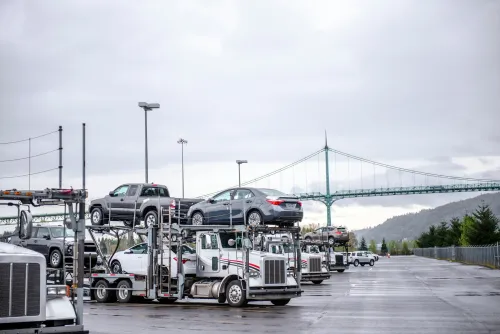
Once you've purchased the car, you'll need to get it home. Choosing the right transporter for shipping a car to another state is crucial. Look for a licensed, insured, and well-reviewed car shipping company.
Avoid anyone who asks for full payment upfront or lacks a valid MC (Motor Carrier) number. A legitimate company will provide a written contract, a Bill of Lading, and a realistic delivery timeline.
Which States Have Higher Car Buying Scam Risk?
State Type | Risk Level | Why It Matters | Example States |
Lenient title laws | High | Lenient title laws make it easier to hide problems with the car’s history | Louisiana, Oklahoma, Alabama, Mississippi, New Jersey, Pennsylvania |
Strict inspection states | Low | Strict vehicle inspection standards help ensure the car you buy has few faults | Pennsylvania, New Jersey, New York, California |
Flood-prone states | High | Flood-damaged cars can have hidden electrical and mechanical problems, plus rust issues | Florida, Texas, and others with recent severe weather |
High auction activity | High | Cars purchased in high auction activity states are sold across the country | Florida, Texas, and California combine for 30 percent of the country’s sales volume |
7. Watch for Common Car-Buying Scams
Here are a few common red flags to watch for:
Sellers who refuse to talk on the phone and want to communicate only via email or text
Sellers who will not disclose where and how they acquired the vehicle
Requests for deposits before allowing a vehicle inspection
Cars listed in one state but registered in another
If you notice any of these warning signs, consider walking away or proceeding with caution.
8. Weigh the Pros and Cons Before You Commit
Before committing to a purchase, be sure you understand the pros and cons of buying a car out of state. You might find better prices and unique models, but you'll also face challenges such as additional paperwork, shipping costs, and potential fraud. Careful research helps ensure a smooth and safe transaction.

FAQs About Buying a Car Across State Lines
Is it safe to buy a car from another state online?
Yes, but you should follow precautions, verify the seller and vehicle history, have the car inspected, and use secure payment methods. A key to learning how to safely buy a car out of state is to avoid sellers who pressure you or skip key details.
Are there specific states to avoid when buying a car across state lines?
Mississippi, Florida, New Jersey, California, and Tennessee are among the most expensive states to buy a vehicle when you consider documentation fees, sales tax, and other fees. CarEdge suggests buying cars in Alaska, Montana, Oregon, Delaware, and New Hampshire to avoid high fees.
Which states are commonly linked to title washing scams?
Certain Southern and Mid-Atlantic states are often cited as home to title washers because they have less rigorous vehicle title laws. These include Louisiana, Oklahoma, Alabama, Mississippi, New Jersey, and Pennsylvania.
How can I check if a car was transferred between states to hide damage?
Vehicle history report providers such as CARFAX and NMVTIS (National Motor Vehicle Title Information System) shine here, as they provide substantial information about a vehicle's history, the states in which it has been registered, and its accident or damage history. Cars that crossed multiple state lines in a short period of time are a warning sign of potential title washing.
You can also check for duplicate listings and search for vehicle photos on Google Images to ensure they aren't stolen from another ad.
Should I avoid buying cars from private sellers in certain states?
You can buy a car that's perfect for you in any state. As mentioned above, some state laws make it easier for the unscrupulous to trick the system and you. Weather conditions in Florida, Texas, and other states subject to flooding also provide more opportunities for dishonest operators.
Final Thoughts
Hopefully, this article has answered the question, “How do I avoid getting scammed when buying a car in a different state?” Buying a car across state lines can provide more choices and better deals, especially if you have unique requirements, but it also requires extra caution. Do your homework, verify every detail, and rely on trusted services when buying a car online. Be sure to use a well-regarded car shipping company with a range of services to transport your vehicle to its new home. With smart planning, you can find your dream vehicle without falling victim to scams.