Before you put a “for sale” sign on your family sedan, you want to know how to price it to get the most money. That starts with first getting a good grip on the car’s value. When you have a base price, you can then learn how to increase car resale value so you put more cash in your pocket.
The problem is that too many sellers get stuck on whether the car has certain accessories or if the tires are in good condition. These are great selling points, but they overlook many of the details you need to put in your listing. Things like mileage, car history, condition, and market demand have a greater impact on car valuation than anything else.
You need to know what is car valuation and how you can tweak things here and there to increase it enough to cover costs.
Why Car Valuation Matters More Than Most Drivers Realize
When you overlook the car market value of your vehicle, you’re leaving money on the table. On the list of big purchases a family will make, getting a new car is somewhere after a wedding and before putting a down payment on a house. To maximize how much you’ll have available for your purchase, you need to sell any current cars for as much as possible.
Getting a solid grip on what is car valuation helps you avoid low-ball trade-in offers from local dealers, negotiate better with buyers looking to save money, sell your car in the right season, and make a well-informed decision on when to repair or replace your current vehicle. Not to mention, you’ll be better positioned to negotiate with loans or insurance companies when you understand the car’s value.
Most cars lose about 20% to 30% of their value in the first year. After 5 years, that number jumps to about half. You want proactive ownership with property documentation for repairs, maintenance, and recalls to get the most value from your vehicle.
What Is Car Valuation?
The car valuation, or “car market value,” of your vehicle is its current worth as determined by buyers and trade-in offers. That final number can be affected by many factors, such as the trim package on an SUV, the accident history of the van you used in college, or regional demand for your AWD truck.
There are typically four types of car valuations you’ll come across:
Trade-In Value: What a dealership is willing to put toward another car you want to purchase. It is fast, but often the lowest-paying valuation.
Private Sale Value: The general amount you can expect your car to sell for when someone from Facebook Marketplace or across town wants to buy your car.
Retail Value: What a local dealership would likely list your car for sale after they’ve done some cleaning and reconditioning.
Insurance Value: What an insurance company will give you when the car is a total loss from an accident or something like too much hail damage.
What these valuations should highlight is that there is no single number. Every car you sell will have a different number, so you’ll need to do some research before you get started.
The Biggest Factors That Affect Your Car’s Market Value
Make, Model, Year, and Trim
The first thing any potential buyer is going to look at is the car's make, the model it falls under, and whether there are any special trim packages. How to check car valuation begins with those basic factors and the year the car was originally manufactured.
Mileage Still Matters More Than Most Drivers Think
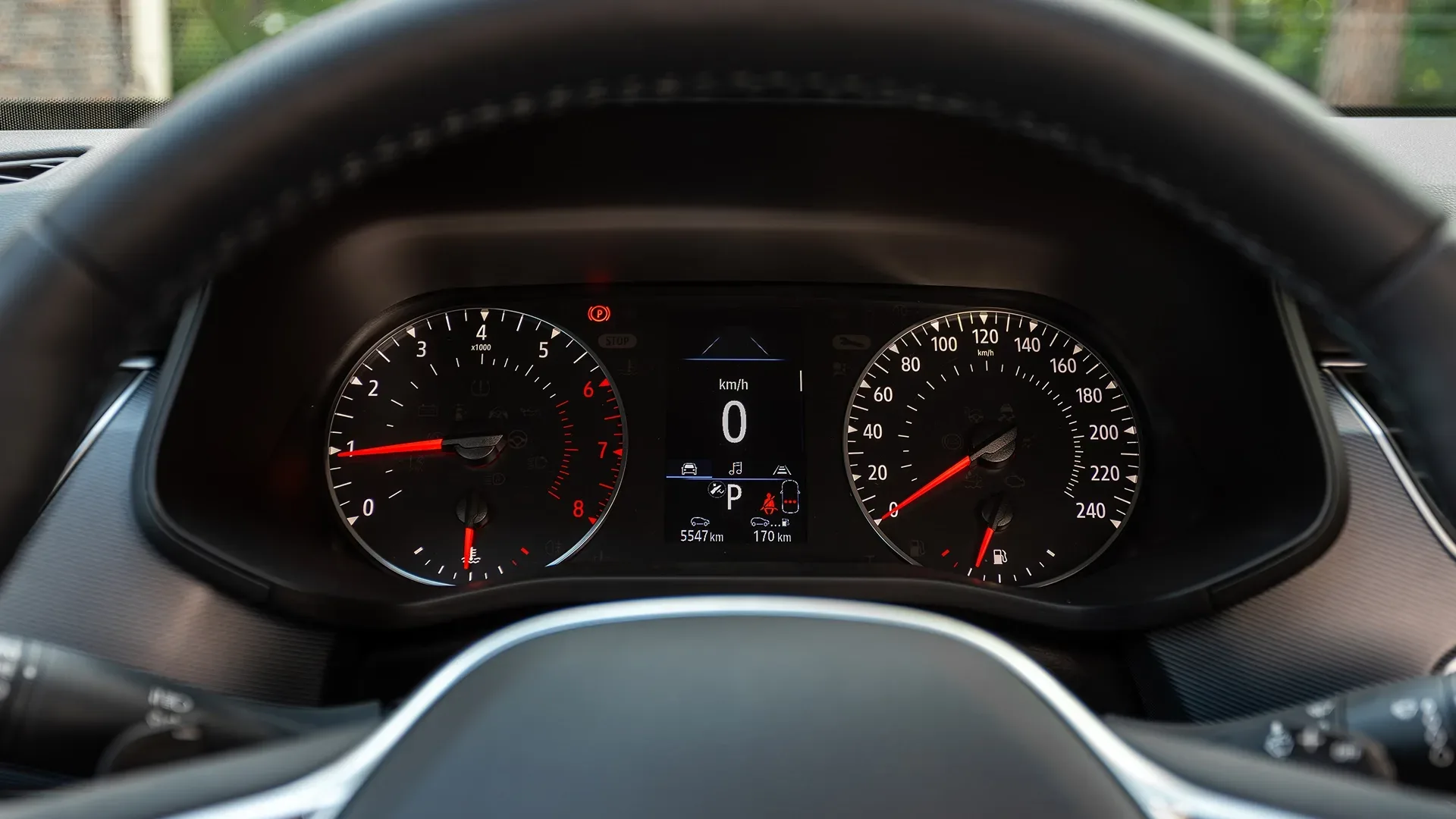
Mileage is the next logical consideration for what is car valuation. The average American drives about 37 miles per day or roughly 13,662 miles a year. Buyers want lower mileage because they associate it with better vehicle condition.
How you drive those miles also matters. If you have a 5-year-old SUV with 45,000 miles that was all driven on the highway, you’re probably in a better valuation position than the same make, model, and year, but with 50,000 miles and only 2 years old. That minor difference can mean thousands in your blue book asking price.
Vehicle Condition Changes Everything
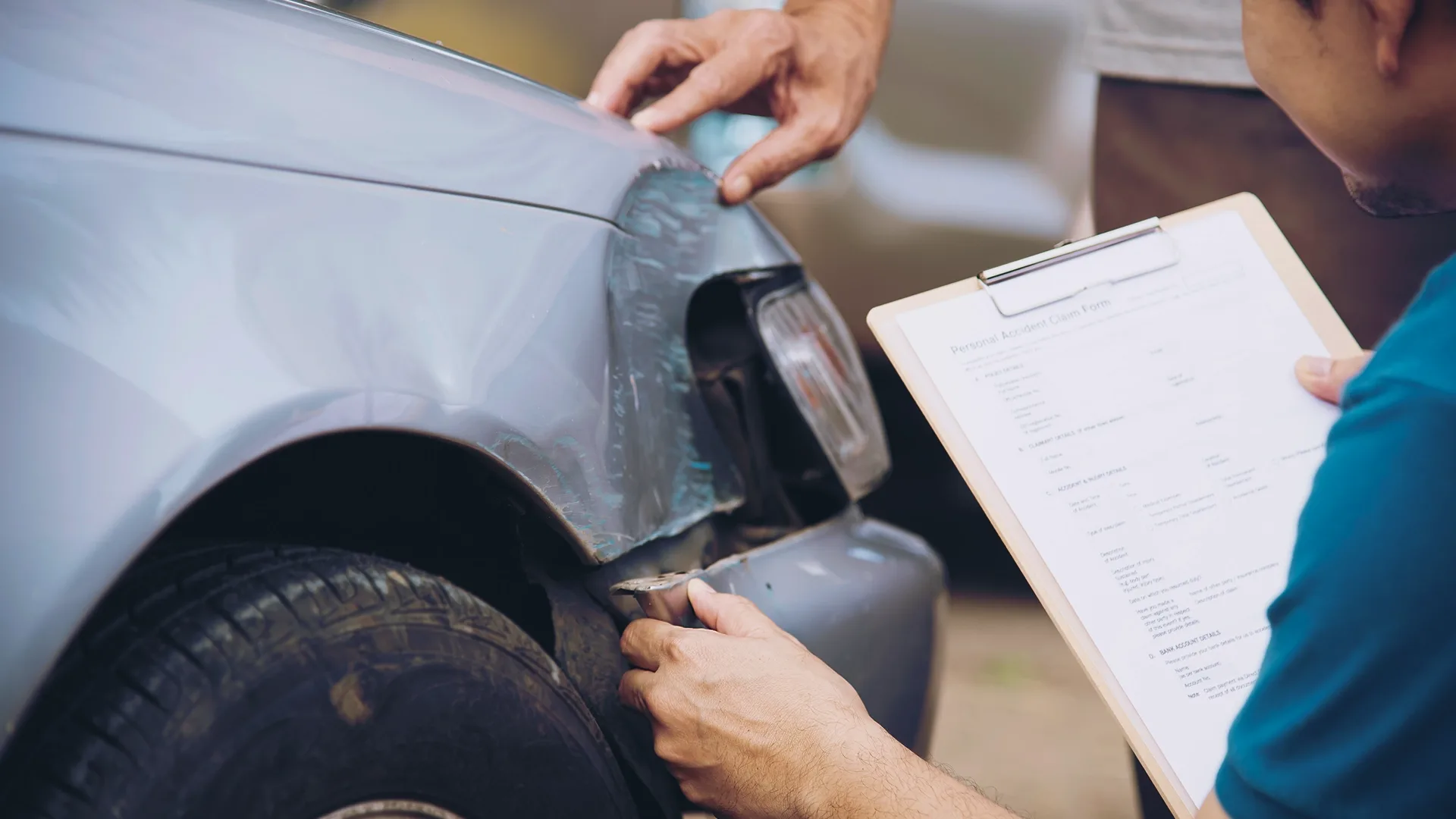
A small scratch on the bumper will not likely change the car market value that much. Bigger dents, rust, cracked windshields, torn upholstery, worn tires, and any warning lights will. Even something as simple as lingering smoke on the interior or stains from an overactive pet husky can impact your final car’s resale value.
Service History Builds Buyer Trust
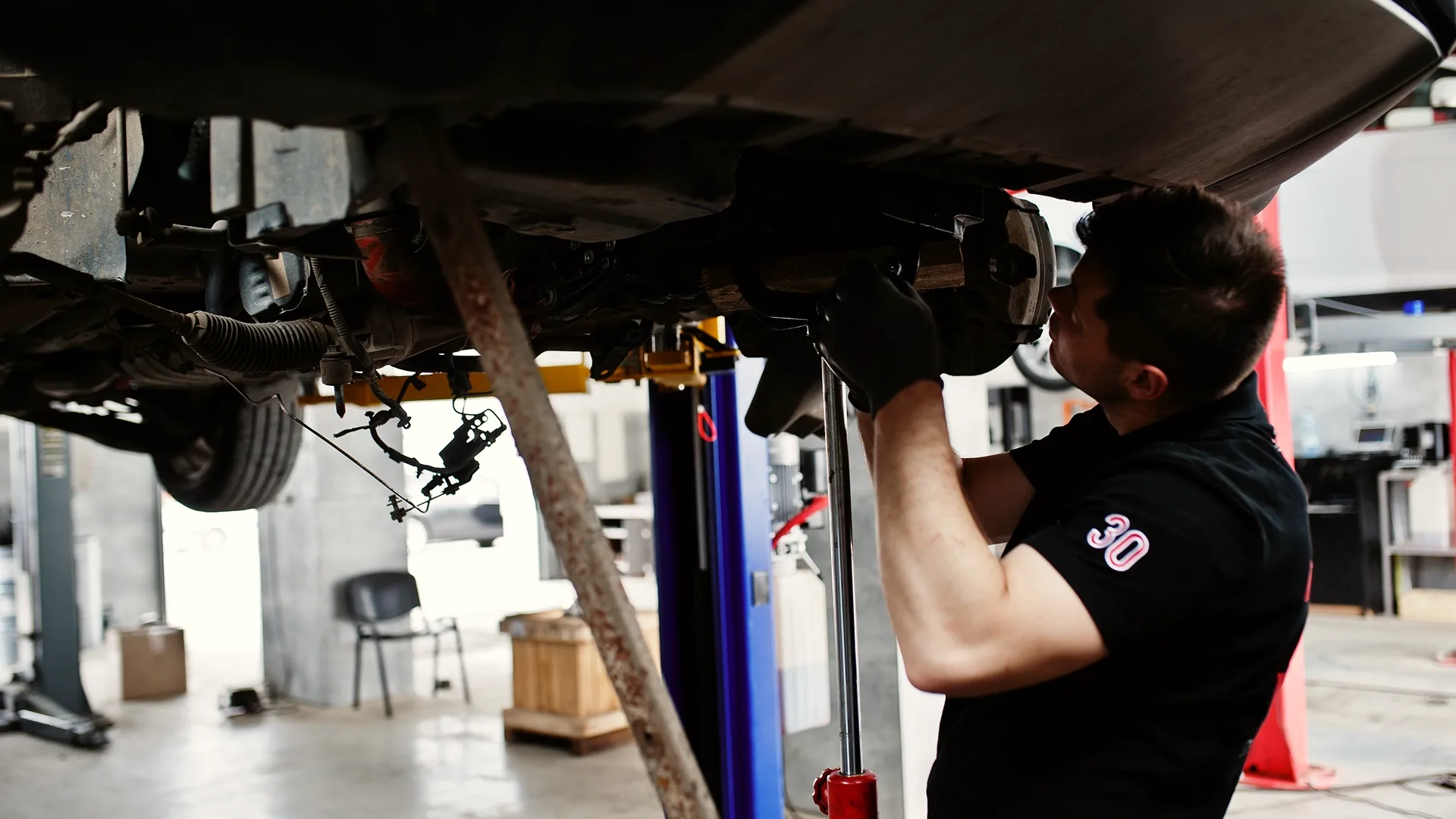
How to increase car resale value is easier when you have documents confirming any vehicle accident or repair history. When a buyer can see that you’ve cared for the car by getting routine oil changes, brake service, tire rotations, and battery replacements, they’ll be faster to make a deal.
Geography Impacts Demand
You could have the best-condition Mazda Miata hybrid, but if the buyer is in northern Michigan with rough winters and no EV charging stations, don’t expect a high asking price. Regional trends impact the car market value. Heavy-duty trucks tend to be worth more in rural areas, just like fuel-efficient hybrids are better in big cities.
Having a reliable network of professional carriers through Nexus Auto Transport is one way sellers can look beyond their local area to reach more buyers in more attractive regions.
Timing Can Raise or Lower Resale Prices
Finally, the time of year you list your car will affect its value. Sports cars and convertibles tend to do better as the weather warms in late spring and summertime. SUVs and AWD vehicles perform better in the fall and winter.
You want to time the sale of your vehicle to when the most “hot leads” will engage with your listing.
Cost vs. Value Selling Method Comparison Data
Factor | Dealership Trade-In | Private Sale | Instant Online Offer |
|---|---|---|---|
Avg. Financial Return | Lowest overall return, but fast | Highest potential selling price | Moderate return |
Est. Time Required | Fastest option, often same day | Longest process due to negotiations | Usually completed within 24–72 hours |
Effort & Paperwork | Minimal paperwork handled by dealer | Highest effort with listings, meetings, title transfer, and negotiations | Moderate effort with online forms and inspection scheduling |
Tax Savings | Possible sales tax reduction on trade-in value in many states | No trade-in tax advantage | Usually no tax advantage unless tied to dealership purchase |
How to Check Car Valuation Accurately
The good news is you can learn how to check car valuation pretty easily using several online tools. Start with platforms like Kelley Blue Book or Edmunds to get the trade-in, private-party, and retail values of your vehicle. These platforms have both used-car and new-car valuations to consider.
Next, look at online marketplaces like AutoTrader, CarGurus, or eBay Motors. That will give you insight into regional sales and current buyer demand for specific vehicle types. You can visit your local dealer to get a trade-in valuation. Most of the time, this will be free. Just remember, it will be a low-ball offer so the dealer can make money by “flipping” your vehicle.
If you’re selling a specialty vehicle like a motorcycle, boat, antique, luxury, or collector's car, stick to auction sites. Using a platform like Barrett-Jackson helps you better price hard-to-find vehicles that often command much higher selling prices.
How to Increase Car Resale Value Before Selling
As you learn how to increase car resale value, remember to consider the local market where you’re listing your vehicle. Whenever possible, partner with Nexus to expand your potential customer audience so you can squeeze every dime out of your sale. Some other tips include:
Provide a solid history on car maintenance, including oil changes, brakes, fluids, tires, batteries, and state-required inspections. Having receipts proves you cared for the vehicle’s condition.
Fix any minor cosmetic problems before taking photos and videos and listing your vehicle online.
Balance your customizations with buyer demand. They may love backup cameras on an older car or new tires for an SUV, but not aggressive marketing wraps and loud exhaust systems.
Get your car detailed. A $250 detailing and removing all personal items can easily increase your selling price by thousands of dollars, especially if you also do a quick paint job.
Offer car history verification through a CarFax report you provide in your listing.
Highlight any seasonal or region-specific benefits, such as fuel economy, family-safety features, and infotainment systems for tech-savvy buyers.
Choose the time of year to sell that maximizes the value of your vehicle (summer for sports car, winter for truck, fall for SUV, spring for sedans, etc.)
You also want to limit any unwanted mileage. That is where partnering with Nexus Auto Transport's clear pricing and nationwide shipping support really helps. When buyers visit your listing, they see links to Nexus for efficient delivery of that car, instead of driving it thousands of miles back to their homes.
Working with Nexus is a great way to finish a sale, then ship a luxury vehicle in enclosed transport for better ROI protection, or get coast-to-coast solutions for a family who doesn’t have the time off work to fly out and drive the car back. It’s an extra feature that makes your listing stand out and reduces unwanted wear and tear on a recent purchase.
Add a link to our car shipping calculator to your listing so potential buyers can see how delivery timelines and pricing align with their route.
Your Vehicle’s Value Is Not Random
The car market value of your vehicle is not a random number pulled out of the ether. It is based on many factors, all relevant to buyer demand, time of year, make, model, condition, mileage, and more.
Do your best to maximize that value so you have more money for a future vacation, to cover bills, or for a down payment on a much-needed upgrade. Knowing that value gives you more power to make a great sale, negotiate a price, and get the most for your family’s assets.
FAQs
How often should I check my car's valuation?
Try to check your car’s value every year. Even if you’re not selling it anytime soon, it helps you negotiate insurance rates and file your state's annual taxes.
Can modifications affect my car's valuation?
Absolutely they can, but it goes both ways. Something like a premium set of roof racks can help increase your SUV's value. Adding custom modifications that reduce its safety rating will likely lower the value.
Is car valuation the same everywhere in the U.S.?
No. Different regions have different needs. A northern state like Alaska places a higher value on AWD/4WD vehicles than a place like Southern California or Texas.
Do electric vehicles depreciate differently?
Yes. EVs tend to lose their value faster than traditional gas cars because of the car's battery age and range efficiency.
Why is my trade-in offer lower than the online valuation?
A dealer will always offer a lower trade-in value for a car than a private seller would because they want to make as much profit as possible on the deal.
Does a fully repaired accident still lower my car's value?
This factor is a little trickier. As long as you have receipts and can verify OEM parts in the accident repair, it may not lower the value. It really depends on the buyer.