Before handing over your keys, find out who you're actually hiring, what the price includes and what happens if something goes wrong.
That's especially important with auto transport because the company arranging your shipment may be a broker rather than the company whose truck eventually carries your vehicle. Both have legitimate roles, but you should know which one you're dealing with.
If you're wondering how to hire a car transporter, these seven questions will tell you considerably more than a five-star review or a low initial price.
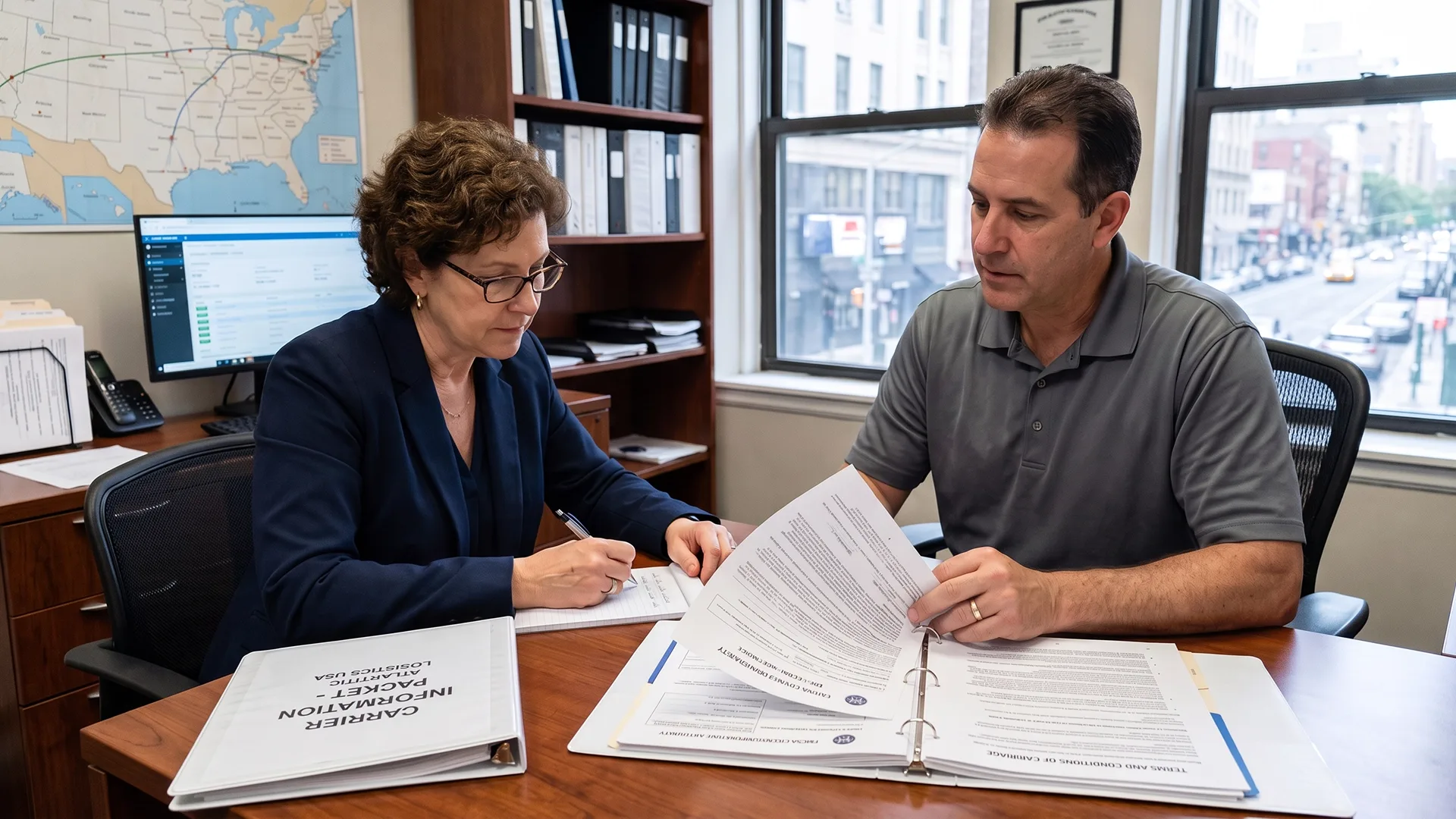
1. How to Verify a Car Transport Company's License and DOT Number
Start with the Federal Motor Carrier Safety Administration (FMCSA) with what to ask vehicle shipping company. Interstate auto transport brokers and carriers must be registered with the agency.
Ask the company for its legal business name and registration information, then look it up yourself.
- Check the FMCSA database. The FMCSA Licensing & Insurance Carrier Search lets you search by USDOT number, docket number or company name.
- Confirm that the name matches. A legitimate number belonging to a different company tells you nothing about the business you're considering.
- Look at operating authority. Make sure the company has authority appropriate for the service it says it provides.
- Know whether it's a broker or carrier. A broker arranges transportation, while a motor carrier physically transports the vehicle.
FMCSA recommends checking registration rather than relying solely on information displayed on a company's own website.
Do this before giving a deposit or signing an agreement. It takes only a few minutes and can eliminate some questionable car transportation companies before price even enters the discussion.
2. Is the Quote Complete, and What Could Change the Price?
A quote is useful only if you know what went into it. Give each company the same information: pickup and delivery ZIP codes, vehicle year and model, whether the car runs and your preferred dates. If one quote is dramatically below the others, ask why.
Distance matters, but it isn't the only factor. Vehicle size, route, season, open versus enclosed transport and an inoperable vehicle can all affect the price. A modified truck that takes up more trailer space, for example, may cost more to move than a compact sedan over the same route.
Nexus lets customers obtain car shipping quotes online without an obligation to book. Comparing quotes on the same route gives you a much better reference point than simply choosing whichever number happens to be lowest.
Ask whether the quoted amount includes all expected charges and under what circumstances the price could change.
Understanding the costs to ship a car before booking makes later surprises less likely.
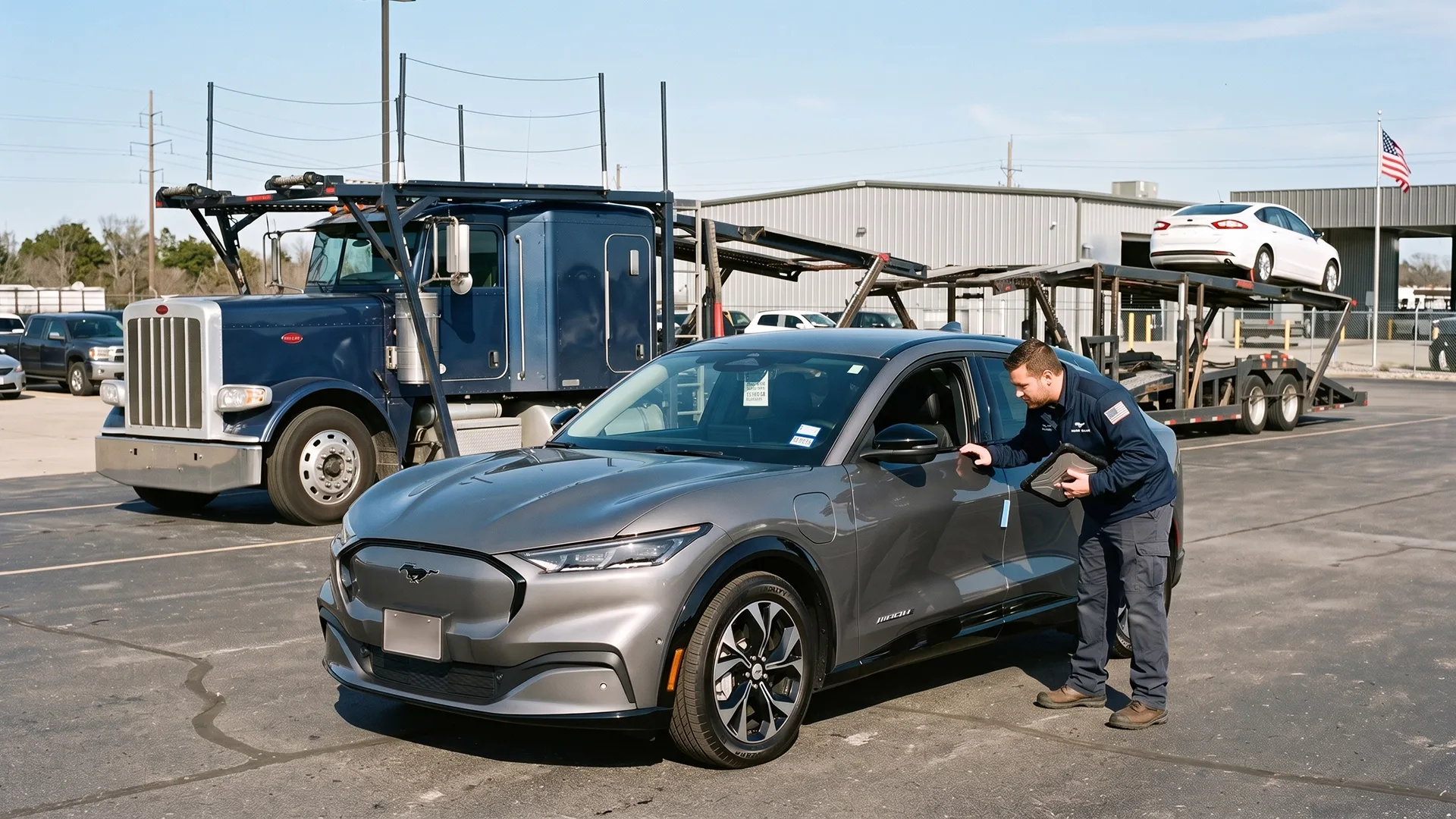
3. What Pickup and Delivery Timeframes Should I Expect?
Be cautious when a company promises an exact cross-country delivery time without qualification. You want flexibility when hiring a car transporter.
Carriers deal with traffic, weather, road closures, mechanical trouble and other conditions that can change an arrival estimate. Nexus treats pickup and delivery timeframes as estimates rather than guarantees.
Ask for a realistic pickup window and estimated transit time for your route. If you're coordinating the shipment with movers, flights or a home closing, build some breathing room into the schedule.
This matters even more on cross-country moves. A one-day change can be inconvenient if you've already flown to the destination and expect the car to be waiting outside your new home.
Also ask how you'll hear about changes. Nexus customers receive shipment and ETA updates from their shipping coordinator during transit.
Red Flags vs Green Flags When Choosing a Car Shipper
Service Criteria | Red Flags to Avoid | Green Flags to Look For |
|---|---|---|
Registration and Licensing | Won't provide registration information or company identity is unclear | Verifiable FMCSA registration and clear broker/carrier status |
Pricing Transparency | Extremely low quote with vague terms | Written price information and clear explanation of possible changes |
Insurance Coverage | Can't explain coverage or provide policy information | Will discuss coverage, limits and claims procedure |
Timeframes and Delivery | Guarantees an unrealistic exact arrival | Provides realistic windows and explains possible delays |
4. Should I Choose Open or Enclosed Transport?
Ask what type of trailer will carry your vehicle and why that option makes sense for your car.
Open transport is the standard choice for most everyday vehicles. Your car travels on an open trailer similar to those used to deliver new vehicles to dealerships. It is exposed to weather and normal road debris, but it generally costs less than enclosed service.
Enclosed transport puts the vehicle inside a covered trailer. It is usually considered for classics, exotics, high-value cars or vehicles whose paint and exterior condition justify the additional cost.
A company should be able to explain the tradeoff without automatically steering every customer toward the more expensive option.
That's one of the useful conversations to have when hiring an auto transportation company.
5. What Does Auto Transport Insurance Cover During Transit?
Don't stop after asking, "Is my car insured?" Ask what the carrier's policy covers, what it excludes and what its carrier insurance limit is.
Before pickup:
- Request current insurance information. Confirm the policy applies to the carrier that will actually transport your vehicle.
- Ask about the cargo coverage limit. Find out whether exclusions or deductibles could affect a claim involving your car.
- Document the vehicle. Take clear photos of every side, including existing scratches, dents or wheel damage.
- Read the Bill of Lading. The Bill of Lading records the vehicle's condition at pickup and delivery and becomes an important document if damage is disputed.
FMCSA describes a bill of lading as both a receipt and transportation contract, so read it before signing.
Do not assume your personal auto policy and the carrier's cargo coverage work the same way. If you're shipping a particularly valuable vehicle, contact your own insurer before pickup and ask how your coverage applies during transport.
6. How Will You Communicate with Me Once My Car Is on the Road?
This question becomes important a day or two after pickup, when you're in another state and wondering whether the delivery estimate has changed.
Find out whom you contact, when you'll receive updates and whether you'll also receive the carrier driver's contact information. Nexus customers receive shipment and ETA updates from their shipping coordinator during transit.
That is more useful than a vague promise that someone will "keep you posted." Ask how the company handles a weather delay or a change in the expected delivery day.
If you're still comparing providers, learning everything you need to know about car moving services can help you distinguish normal transport uncertainty from poor communication.
7. What Happens if My Vehicle Arrives with Damage?
Ask this before the car is loaded, not after you discover a fresh scrape at delivery.
The condition inspection and Bill of Lading are central to the process. Nexus states that the carrier conducts pickup and delivery inspections and that new damage should be listed on the Bill of Lading before the customer signs it.
At delivery:
- Inspect the car before signing. Walk around it while the carrier is still there.
- Compare it with your pickup photos. Look at the body, wheels, glass and other areas you documented.
- Write new damage on the Bill of Lading. Don't rely solely on a verbal conversation with the driver.
- Take photos immediately. If the car arrives after dark, use a flashlight and photograph anything questionable.
- Ask how to begin a claim. You should already know whom to contact and what documents will be required.
A reputable company should be able to explain that process before you book.
FAQs
How can I verify if a car transport broker is legally operating under FMCSA guidelines?
Use the FMCSA's official databases to check the company's identity and interstate operating authority. Both interstate auto transport brokers and carriers must be registered. Search using the company's MC or USDOT information rather than relying only on a number displayed on its website.
What specific damage is typically excluded from a standard carrier insurance policy?
Exclusions depend on the carrier's actual policy, so ask for the coverage terms. Personal property inside the vehicle, preexisting damage and damage not caused by the carrier may be treated differently from physical damage that occurs while the vehicle is being transported. Ask about exclusions, deductibles and the cargo insurance limit before pickup.
What happens to my transport rate if the carrier experiences unexpected road delays?
A traffic jam, storm or road closure after pickup does not automatically mean your agreed transport price changes. If a company says an unexpected transit delay will create an additional charge, ask where that charge is authorized in your agreement before accepting it.
What steps should I take if I discover transport damage after signing the Bill of Lading?
Contact the transport company and carrier promptly and provide photos, pickup documentation and the signed Bill of Lading. A claim can be harder to establish if damage wasn't recorded during the delivery inspection, which is why you should inspect the car carefully before signing whenever possible.
Ask the Questions Before You Hand Over the Keys
The most useful answer to what to ask vehicle shipping company representatives is not a complicated checklist. Find out who they are, what you'll pay, how your car is protected and whom you'll hear from while it's moving.
A few direct questions before booking can tell you far more than a polished website.
When you're ready to compare the price for your route, get an Instant Quote from Nexus Auto Transport.