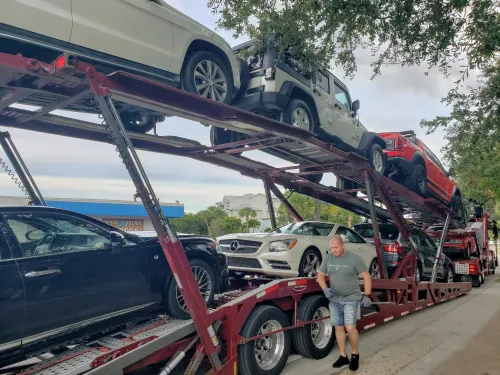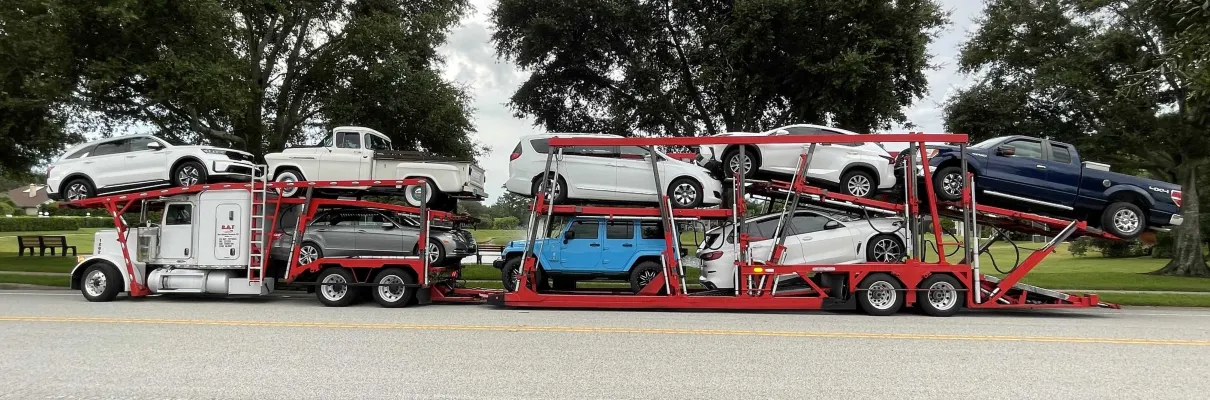

If you've never shipped a vehicle before, figuring out how much money to set aside can be frustrating. Unlike an airline ticket or a tank of gas, vehicle transport doesn't come with a single “flat rate” nationwide price. Two cars traveling the same number of miles can cost different amounts to ship because the route, vehicle, timing and carrier availability all affect the final rate.
Still, you don't have to budget blindly. Current market pricing gives you a useful starting point, and a few basic car shipping tips can help you separate normal price variations from expenses you didn't anticipate.
The first thing to understand is that mileage matters, but it isn't the whole story.
What Does It Cost to Ship a Car?
For a first-time shipper, a realistic budget usually starts with three pieces of information: how far the car is going, what you're shipping, and whether you're using open, enclosed, or expedited transport.
Recent 2026 market data shows why distance alone doesn't tell the entire story. Published open-transport pricing for a sedan is roughly $669 at 500 miles, $1,069 at 1,000 miles and $1,209 at 1,500 miles. An SUV on the same routes can cost more because it takes up additional space and adds weight to the carrier.
Use those numbers as planning benchmarks, not fixed rates. Your actual car shipping cost will depend on the specific shipment.
Estimated Car Shipping Costs by Distance and Vehicle Type
Shipping Distance |
Average Cost for Sedan |
Average Cost for SUV |
|---|---|---|
Up to 500 Miles |
About $650-$700 |
About $675-$725 |
500 to 1500 Miles |
About $1,050-$1,200 |
About $1,150-$1,350 |
Over 1500 Miles |
About $1,200-$1,450+ |
About $1,350-$1,500+ |
These figures are useful for building a preliminary moving budget. They reflect current open-carrier market benchmarks, including published 2026 pricing by vehicle and distance.
One pricing quirk often surprises first-time customers: longer shipments generally cost less per mile. A carrier still has to load and unload your vehicle and handle the administrative and logistical work associated with the shipment. Spreading those costs across 2,000 miles instead of 300 can reduce the per-mile rate.
That's why state-to-state car shipping shouldn't be budgeted by simply multiplying mileage by one universal per-mile figure.
What Factors Can Change Your Car Shipping Budget?
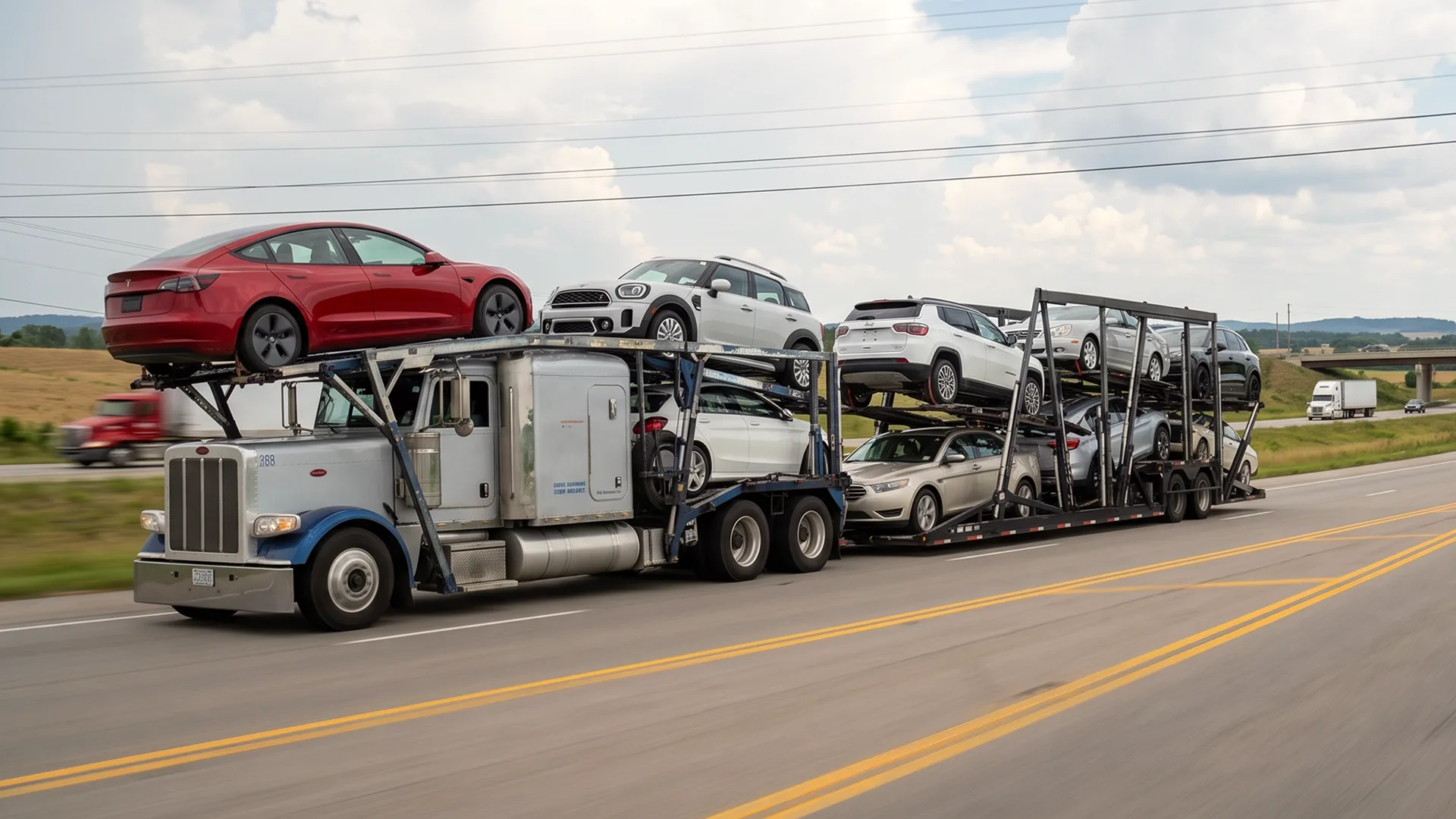
Understanding vehicle transport pricing gets easier once you know what actually moves the number. An auto transport company needs enough information about your vehicle, route and schedule to determine what carriers are likely to charge for the job.
The major variables include:
- Distance: A longer route generally costs more in total even though the cost per mile tends to decrease.
- Vehicle size and weight: SUVs, pickup trucks and large vans occupy more trailer space and add more weight than a typical sedan.
- Pickup and delivery locations: A heavily traveled metropolitan route may attract more carriers than a remote location well away from major highways.
- Vehicle condition: An inoperable vehicle requires a carrier equipped to load it, typically with a winch or other specialized equipment.
- Season: Carrier supply and customer demand change during the year. Seasonal migration can affect snowbird auto transport rates on heavily traveled north-south routes.
- Pickup flexibility: A wider pickup window gives dispatchers and carriers more options. A very tight schedule may require expedited service.
- Transport type: Open and enclosed carriers have different operating costs, capacity and availability.
These variables also explain why a quote that looks high or low compared with a national average isn't necessarily wrong. The meaningful comparison is between quotes for the same vehicle, route, transport type and approximate pickup window.
Open or Enclosed Transport: How Much Should You Budget?
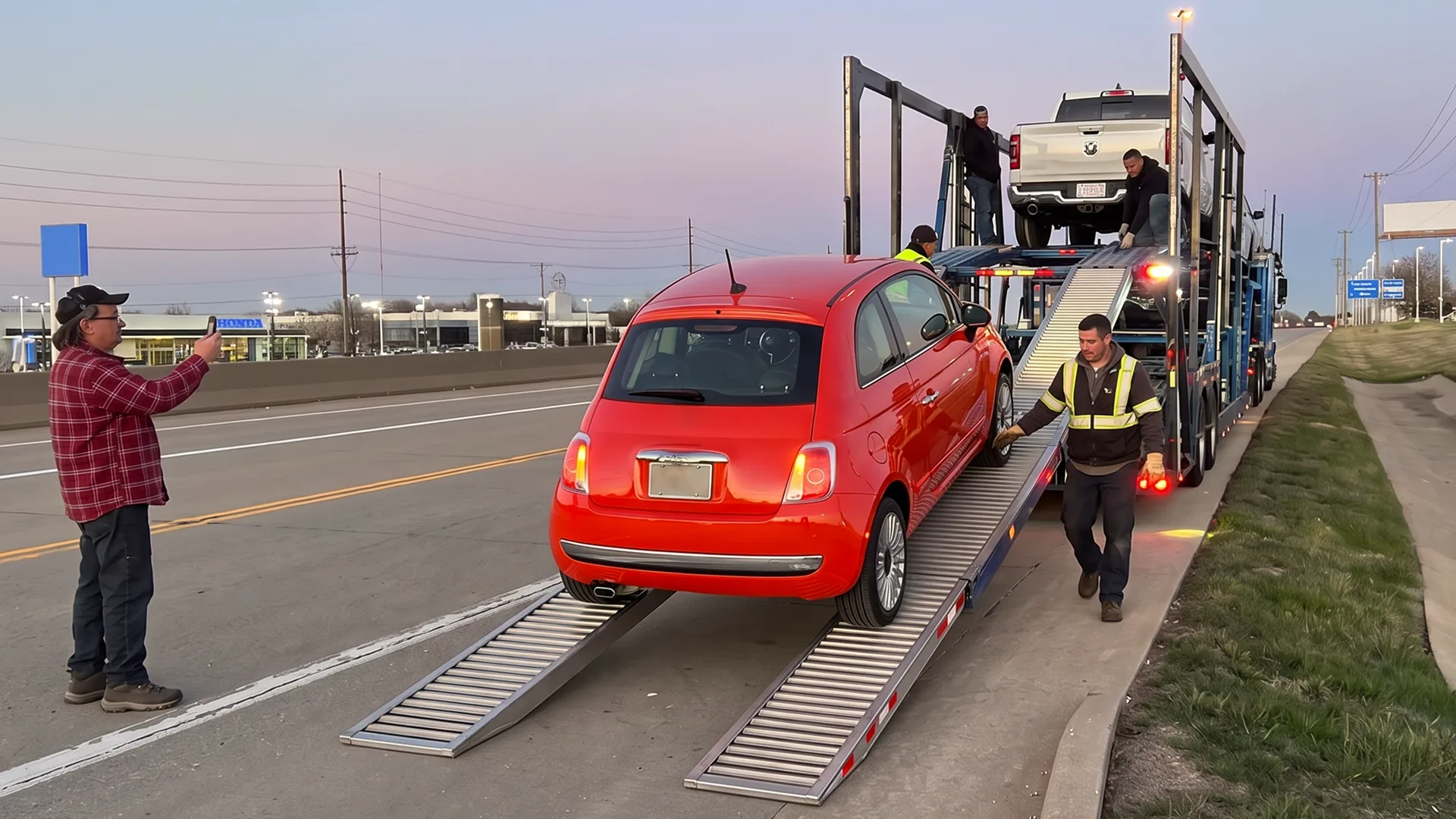
For most everyday vehicles, open auto transport is the budget-friendly choice. Open carriers can haul multiple vehicles and are widely available on major routes.
Enclosed shipping costs more because the carrier transports fewer vehicles while providing protection from weather exposure and road debris. Current 2026 industry estimates commonly put the enclosed premium roughly 30% to 40% above comparable open transport, although the actual difference varies by route and vehicle.
Paying extra for enclosed auto transport can make sense for a classic, exotic, collector or particularly valuable vehicle. For a five-year-old daily driver, the extra expense may provide little practical benefit.
Budget for the service your car actually needs rather than automatically choosing the most expensive option.
Get a Shipment-Specific Number Before Finalizing Your Moving Budget
National averages are useful when you're months away from moving. Once you know your approximate pickup and delivery locations and moving date, a shipment-specific estimate becomes much more valuable.
Typically, you'll need:
- Pickup and delivery ZIP codes
- Vehicle year, make and model
- Vehicle operating condition
- Preferred pickup date
- Open or enclosed transport preference
Nexus' instant calculator uses shipment-specific information to estimate your rate. That makes it more useful for an actual moving budget than relying on a national average for cross-country car shipping.
Run the estimate early in your planning process. Then check it again as your moving date gets closer if your route, vehicle or schedule changes.
How to Spend Less on Your First Car Shipment
The cheapest quote also isn't automatically the least expensive outcome. An unusually low estimate that can't attract a carrier may leave you scrambling for another option as your moving date approaches. Before booking, review the FMCSA consumer advisory for automobile transporters for guidance on distinguishing legitimate auto transport brokers and carriers from questionable operators.
Try these car shipping tips:
- Give yourself scheduling room. Booking ahead provides more time to match your shipment with a carrier already serving the route.
- Keep your pickup window flexible. Requiring pickup on one specific day reduces the number of carriers that can accept the vehicle.
- Use open transport for ordinary vehicles. Don't pay an enclosed-carrier premium unless the added protection is worth the cost for your particular car.
- Avoid unnecessary expedited service. A rushed shipment can cost more than one planned around a reasonable pickup window.
- Consider seasonal demand. If your schedule is flexible, moving outside a particularly busy period may help.
- Make pickup practical. Large transport trucks need room to maneuver. A convenient meeting location near a major route may make the shipment easier to accommodate.
- Provide accurate vehicle information. Don't wait until pickup to disclose oversized tires, modifications or an inoperable vehicle.
If your vehicle shipment is part of a household relocation, compare the logistics separately. Some companies that move cars and furniture coordinate both services, while others handle only one portion of the move.
The cheapest quote also isn't automatically the least expensive outcome. An unusually low estimate that can't attract a carrier may leave you scrambling for another option as your moving date approaches.
Leave Some Room in Your Moving Budget
Your car-shipping estimate shouldn't consume every dollar you've allocated for vehicle transportation.
Rates can change if the details of the shipment change. A pickup date may move. You might decide that you need expedited service. The car you planned to drive onto the carrier could develop a mechanical problem before moving day.
The answer isn't to add an arbitrary percentage to every quote. Instead, treat your initial estimate as a working number until your shipment details are firm.
This is especially useful when you're coordinating vehicle transport with movers, closing dates, flights or a new job. Your car shipment is only one piece of the relocation budget, and flexibility in one area can keep a small change from disrupting everything else.
FAQs
Are there hidden fees like fuel surcharges or terminal storage fees not included in my initial estimate?
Ask exactly what your quote includes before booking. Fuel costs, route demand and other operating expenses should be reflected in the price structure rather than appearing as unexplained surprises later.
Storage is different. Most standard vehicle shipments are coordinated for pickup and delivery rather than planned around terminal storage. If your situation could require temporary storage or another special arrangement, ask about the cost before agreeing to it.
Also verify whether your quoted price assumes a running vehicle, standard dimensions and the pickup schedule you've provided. Changes to those details can change the price even when they aren't technically "hidden fees."
How much does carrier insurance typically cover, and do I need to buy supplemental coverage?
Insurance deserves the same attention, particularly if you're shipping a high-value vehicle. Independent motor carriers maintain their own cargo insurance policies, so coverage limits and exclusions can vary. FMCSA provides resources to verify a carrier or broker's operating authority and insurance before your vehicle is picked up. Review the assigned carrier's coverage and ask about deductibles, exclusions and the claims process before deciding whether supplemental protection makes sense.
What happens to my rate if my pickup date shifts by a few days?
A small date change doesn't automatically mean a price increase. It can, however, change which carriers are available for your route.
Vehicle shipping is a capacity-driven market. Carriers build loads around routes, available trailer space and timing. Moving your pickup window may expose the shipment to a different balance of carrier supply and customer demand.
If your moving date changes, update the transport company as soon as possible rather than waiting until the original pickup date approaches.
Turn Your Estimate into a Working Car Shipping Budget
First-time vehicle shipping is easier to budget once you stop looking for a single national "correct" price. Start with current market benchmarks, then narrow the number using your actual vehicle, route, timing and transport preference.
A sedan traveling 500 miles is a very different shipment from an SUV moving coast to coast during a high-demand period. Your budget should reflect that.