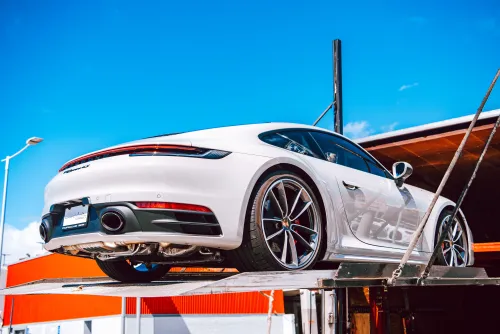

Dealerships today compete well beyond their local markets. Online vehicle sales, dealer trades, auction purchases and home delivery programs have made transportation an essential part of dealership operations. Whether you're delivering a vehicle to a customer, transferring inventory between locations or replenishing your lot, the quality of your shipping partner directly affects efficiency, profitability and customer satisfaction.
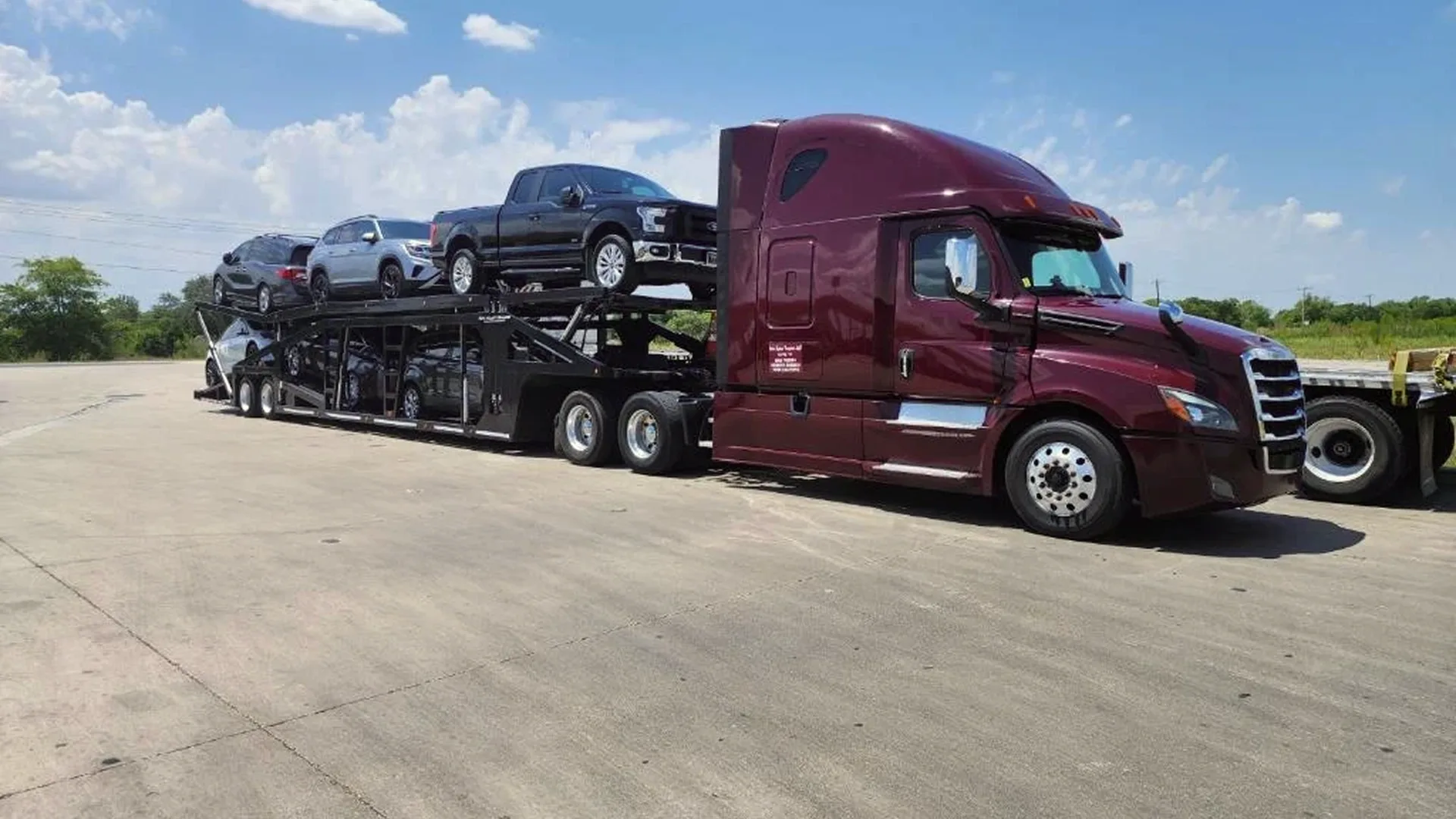
Choosing a car transport for dealership operations involves more than comparing shipping rates. The right transportation company helps protect inventory, supports your sales process and provides consistent communication from pickup through delivery.
Why Dealerships Depend on Professional Auto Transport
Today's most successful auto dealers understand that transportation is part of the customer experience as much as financing or vehicle preparation. Reliable logistics allow dealerships to expand their geographic reach without opening additional locations.
Professional car shipping for dealer operations commonly supports:
Dealer-to-dealer inventory transfers
Auction purchases
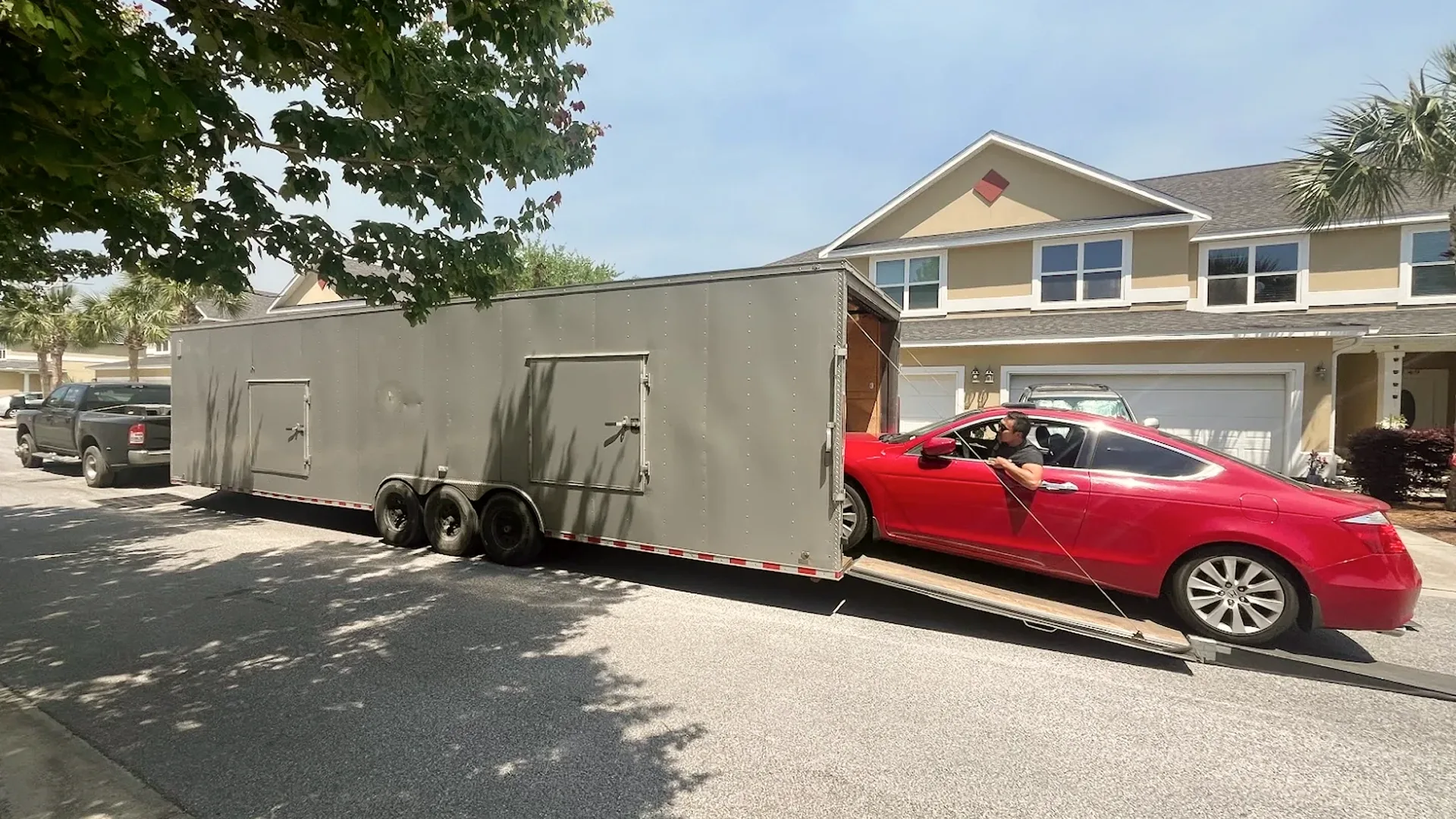
Customer home delivery
Vehicle relocation between dealership locations
Fleet acquisitions
Specialty and collector vehicle transportation
Rather than managing transportation separately for every shipment, many dealerships establish long-term relationships with a trusted car transporter for dealership services that understand dealer workflows and inventory demands.
What to Look for in a Car Transportation Company
Not every transportation provider is equipped to support dealership operations. Beyond competitive pricing, evaluate companies based on operational performance and business capabilities.
Experience Working with Dealerships
Car shipping for dealer clients differs from transporting privately owned vehicles. Dealers often manage multiple shipments simultaneously, coordinate title transfers, work around customer delivery schedules and move inventory on short notice.
Look for transportation companies with established dealership experience rather than
Nationwide Carrier Network
A strong carrier network provides greater flexibility during busy shipping periods and allows dealerships to move vehicles almost anywhere in the country without relying on a limited number of trucks.
Brokerage companies with extensive carrier relationships often have greater scheduling flexibility than companies operating only their own equipment.
Consistent Communication
Transportation delays affect dealership operations, customer expectations and sales staff scheduling.
Choose a brokerage company that provides:
Dedicated shipment coordination
Pickup and delivery updates
Rapid response to schedule changes
Clear communication when weather or traffic affects delivery windows
Reliable communication often prevents minor scheduling issues from becoming customer service problems.
Cargo Insurance and Documentation
Every dealership should understand how a transportation company handles inspections and claims.
Ask about:
Cargo liability coverage
Vehicle inspection procedures
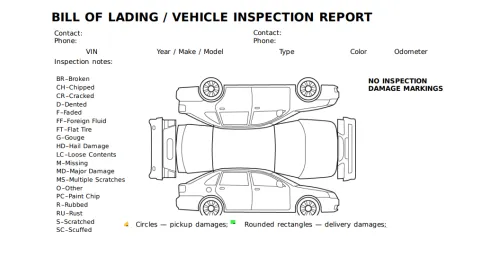
Bill of Lading documentation
Claims reporting process
Condition reports before and after transport
Well-documented inspections help reduce disputes and protect both the dealership and carrier throughout the shipment.
Choosing Between Open and Enclosed Transport
The appropriate shipping method depends on the vehicle's value, condition and intended use.
Open transport services remain the industry standard for new inventory, used vehicles and dealer trades. They provide the most economical option with excellent safety records.
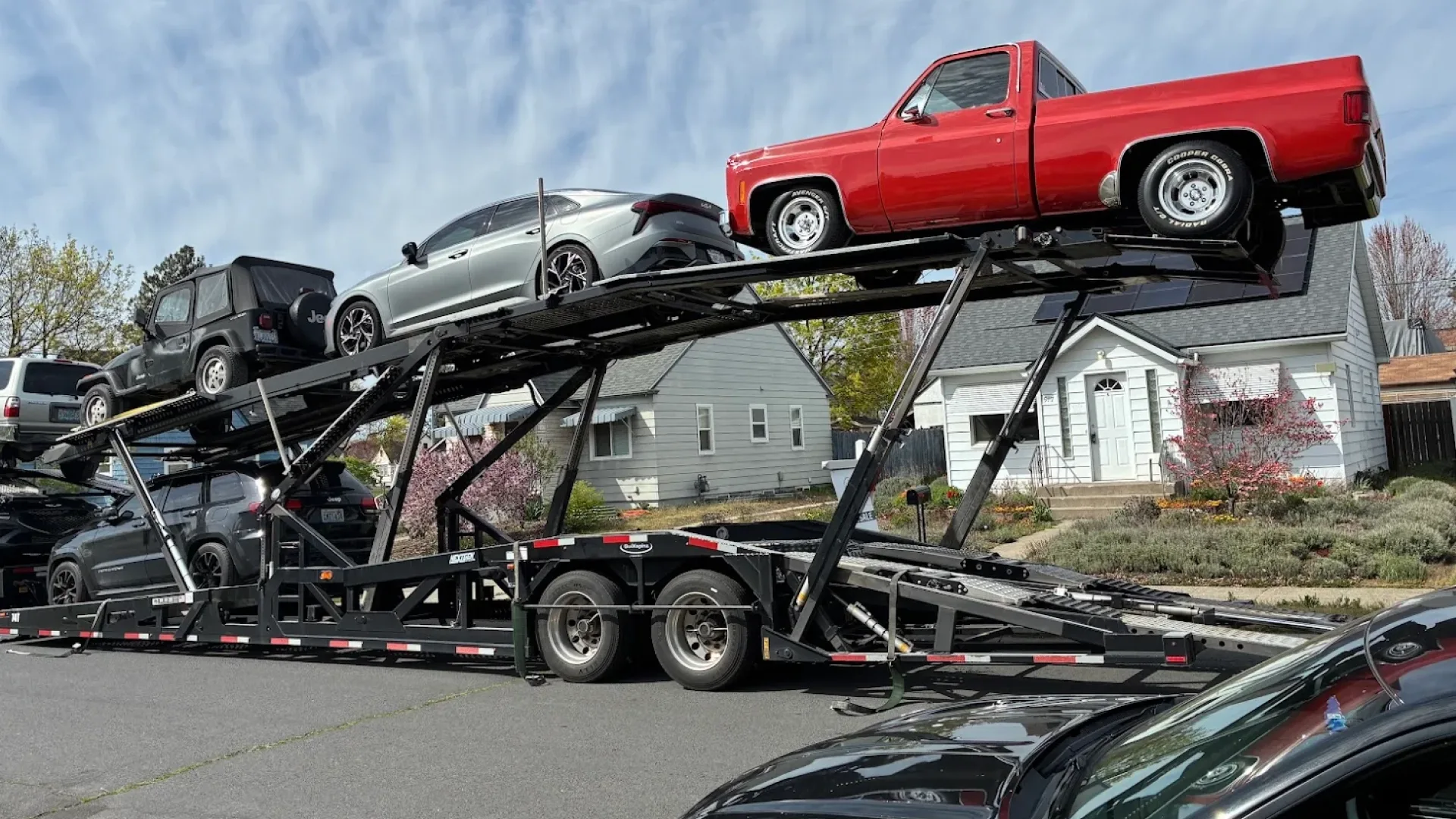
Enclosed transport offers additional protection from weather, road debris and public exposure. Enclosed transport is commonly used for luxury vehicles, collector automobiles, high-performance models and specialty inventory where appearance and preservation are priorities.
Rather than treating one option as universally better, dealerships should match the transport method to the vehicle and customer expectations.
Understanding Dealership Shipping Costs
Shipping costs vary according to several operational factors rather than a single price per mile.
The most significant pricing variables include:
Distance
Vehicle size and weight
Open versus enclosed transport
Seasonal demand
Pickup and delivery locations
Carrier availability
Instead of relying on outdated published pricing, dealerships should request current quotes based on their transportation requirements. A car shipping calculator provides a more accurate estimate using current market conditions.
Dealership Auto Transport Pricing Matrix
Vehicle Class | Distance Range | Open Carrier Estimate | Enclosed Carrier Estimate |
|---|---|---|---|
Standard Sedan | 500–1,000 miles | $650–$900 | $950–$1,250 |
Mid-Size SUV | 500–1,000 miles | $750–$1,000 | $1,050–$1,400 |
Large Truck | 500–1,000 miles | $900–$1,250 | $1,300–$1,700 |
Classic or Exotic Car | 500–1,000 miles | Case dependent | $1,300–$2,000+ |
Estimates vary based on seasonality, route availability and vehicle specifications.
Questions Every Dealership Should Ask Before Choosing a Transport Partner
A transportation provider becomes an extension of your dealership's operation. Before establishing a relationship, ask questions that reveal how they support business customers.
Examples include:
How do you communicate shipment updates?
What is your average pickup window?
How do you manage high-volume dealership accounts?
How are damage claims handled?
Can you accommodate expedited shipments?
What inspection process do your carriers follow?
These conversations often reveal more about service quality than comparing shipping prices alone.
Why Long-Term Transportation Partnerships Matter
Many dealerships ship vehicles every week rather than only when a sale requires it. Building an ongoing relationship with one car transporter for dealership operations creates operational advantages.
Benefits include:
More consistent scheduling
Familiar shipping procedures
Faster quoting
Improved communication
Simplified billing
Better coordination during seasonal demand
Whether you're shipping cars between dealerships, relocating inventory or preparing for increased seasonal sales, a trusted logistics partner helps create a more predictable transportation process.
Conclusion
Selecting the right car transporter for dealership operations is ultimately about reliability rather than simply finding the lowest quote. A transportation partner should understand dealership workflows, communicate consistently, protect valuable inventory and scale with your business as shipping needs change.
Dealerships that invest in dependable logistics often improve operational efficiency while providing a better buying experience for customers.
Ready to simplify your dealership's vehicle transportation? Use the Instant Quote to receive competitive pricing tailored to your inventory movement needs.
FAQs
How does the dealership portal integrate with our existing CRM?
Integration capabilities vary by transportation provider. Some offer APIs or custom reporting that integrate shipment status with dealership management or CRM systems, while others provide downloadable reports or email notifications. Confirm integration options before establishing a long-term partnership.
What is the maximum cargo liability coverage provided per carrier?
Cargo liability coverage varies by carrier and shipment type. Rather than assuming a standard amount, dealerships should request proof of insurance and confirm cargo limits before assigning high-value inventory. Additional coverage may be available for specialty vehicles.
Are there volume discounts for transporting multiple vehicles monthly?
Many transportation providers offer preferred pricing for dealerships with recurring shipping needs. Discounts typically depend on shipment frequency, vehicle volume, route consistency and overall transportation activity.
Can customers track their vehicle delivery status in real-time?
Many transportation companies provide shipment updates through coordinators, text messages, email notifications or online portals. The level of tracking varies by provider and carrier, so dealerships should understand how delivery updates will be communicated to both staff and customers.
What are the cancellation terms if a vehicle sale falls through?
Cancellation policies differ among transportation companies and depend on whether a carrier has already been assigned. Reviewing cancellation terms before scheduling shipments helps dealerships avoid unexpected fees when inventory or customer orders change.
Keep Your Inventory Moving with a Reliable Transportation Partner
Whether you're delivering vehicles to customers, transferring inventory between locations or managing dealer trades, the right transportation partner can help your dealership operate more efficiently while protecting your reputation.
Nexus Auto Transport partners with dealerships nationwide to coordinate reliable open and enclosed vehicle shipping through an experienced network of vetted carriers. Our logistics specialists can help you develop a transportation strategy tailored to your inventory, delivery schedules and business goals.
Ready to simplify your dealership's vehicle logistics? Get an Instant Quote today to compare shipping options and receive pricing tailored to your dealership's transportation needs.