
Buying a vehicle outside your home state can unlock better pricing, wider inventory, and access to rare models, but it can also introduce costly mistakes if you’re unprepared. From paperwork surprises to transportation issues, even experienced buyers can overlook key details.
Whether you’re purchasing from a dealership, a private seller, or an online marketplace, understanding the risks ahead of time can save you time, money, and frustration.
Common Mistakes When Buying a Car Out of State
Below, we break down the most common mistakes buyers make when purchasing a car out of state, and how to avoid them.
1. Not Researching State-Specific Laws and Fees
One of the biggest mistakes buyers make is assuming car buying rules are the same everywhere. In reality, taxes, emissions standards, title requirements, and registration fees vary widely by state.
Some buyers search for the best states to buy a car based solely on price, but fail to factor in additional compliance costs when registering the vehicle back home. These unexpected expenses can quickly erase any savings.
How to avoid it:
Before committing to a purchase, research your home state’s DMV requirements and confirm how out-of-state vehicles are handled.
2. Skipping a Vehicle History Check
When purchasing a car across state lines, especially from a private seller, it’s easier for issues like flood damage, salvage titles, or odometer fraud to go unnoticed.
This risk increases if you plan to buy a used car out of state, where local inspections and in-person verification aren’t always feasible.
How to avoid it:
Always request a CARFAX or AutoCheck report, verify the VIN, and consider a third-party inspection service near the seller’s location.
3. Underestimating the Complexity of the Buying Process
Many buyers jump into an out-of-state deal without understanding the full process for buying a car out of state. This includes payment logistics, temporary tags, title transfers, insurance activation, and compliance with both states’ laws.
Missing a step can lead to registration delays or legal headaches once the vehicle arrives.
How to avoid it:
Create a checklist before purchasing and confirm responsibilities with the seller or dealership, especially for documentation and timelines.
4. Failing to Secure Financing in Advance
Some lenders restrict financing for out-of-state purchases or private sellers. Buyers who assume financing will “just work out” often face delays or higher interest rates.
This is particularly common when buying a car online, where transactions move quickly and financing gaps can derail a deal.
How to avoid it:
Get pre-approved through your bank, credit union, or online lender before shopping.
5. Overlooking Manufacturer Purchase Rules
If you plan to buy a car from the manufacturer, such as ordering directly or purchasing a new vehicle from an out-of-state dealership, be aware that some brands impose regional restrictions or warranty limitations.
Not understanding these rules can affect delivery timelines or service options after purchase.
How to avoid it:
Confirm warranty coverage, service availability, and delivery terms with the manufacturer or authorized dealer beforehand.
6. Trusting Online Listings Without Verification
While websites to buy used cars make nationwide shopping easier than ever, not all listings are created equal. Photos can be misleading, descriptions incomplete, and seller reputations inconsistent.
How to avoid it:
Vet sellers carefully, read reviews, request live video walkarounds, and never send payment without verified documentation.
7. Ignoring Transportation Logistics
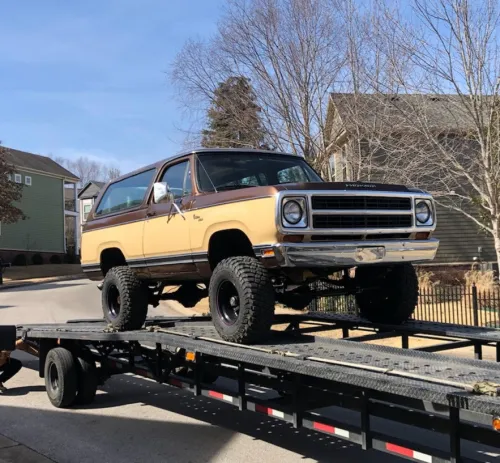
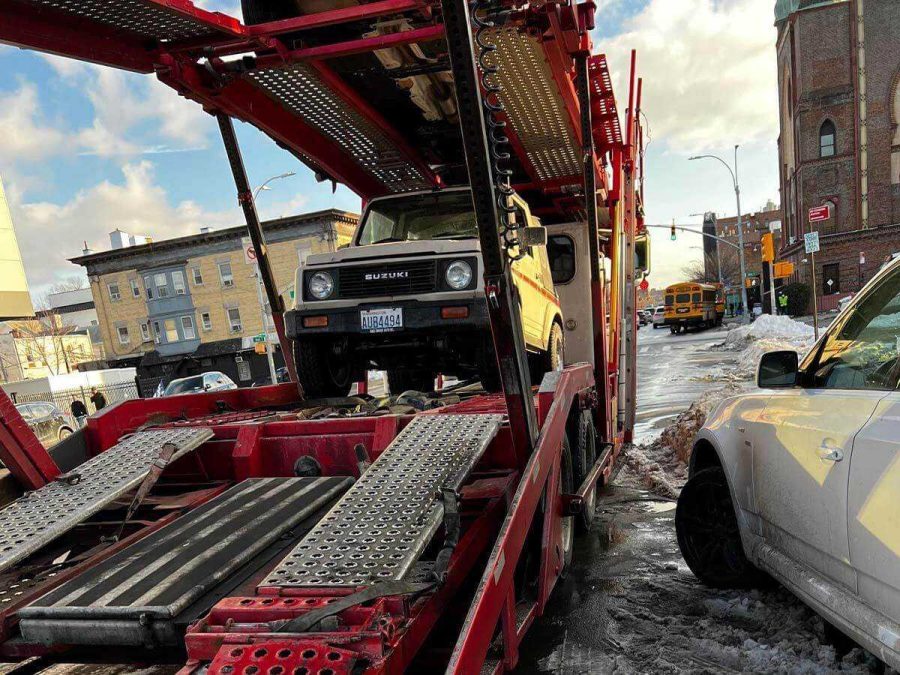
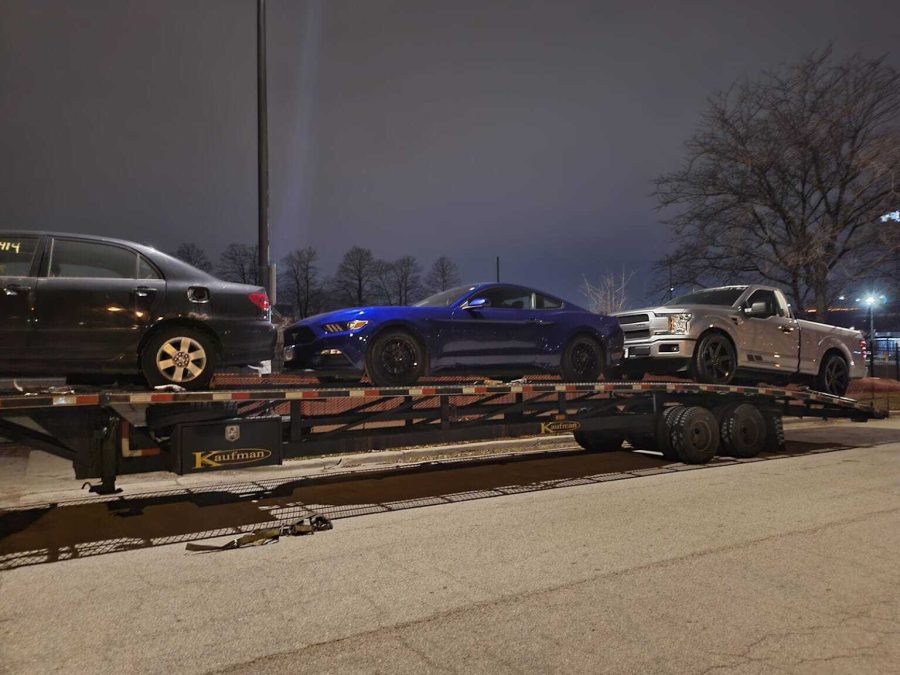
One of the most expensive mistakes buyers make is assuming they’ll “figure out transport later.” Driving the car home may not always be practical, safe, or cost-effective, especially for long distances.
Professional car shipping ensures your vehicle arrives safely without adding wear, mileage, or travel expenses.
How to avoid it:
Plan transportation early and work with a licensed, insured auto transport company that specializes in interstate vehicle moves.
8. Choosing the Cheapest Transport Option Without Research
When you need to ship a car to another state, going with the lowest quote can backfire. Unlicensed carriers, hidden fees, and delivery delays are common issues with cut-rate providers.
How to avoid it:
Choose a reputable auto transport broker like Nexus Auto Transport that vets carriers, offers transparent pricing, and provides full shipment tracking and customer support.
Frequently Asked Questions (FAQs)
Is it legal to buy a car in another state?
Yes, it’s completely legal. However, you must comply with your home state’s registration, tax, and emissions requirements once the vehicle arrives.
Will I pay sales tax twice?
No. In most cases, you pay sales tax only in your home state when registering the vehicle. Some dealerships may collect it upfront on your behalf.
Can Nexus Auto Transport ship my car from any state?
Yes. Nexus Auto Transport offers nationwide auto shipping services, including door-to-door delivery across all 50 states.
How long does out-of-state car shipping take?
Transit times depend on distance and route, but most shipments take between 3–7 days once picked up.
Is enclosed transport worth it?
For luxury, classic, or high-value vehicles, enclosed transport offers added protection from weather and road debris.
Final Thoughts
Buying a car out of state can be a smart move, but only if you avoid the common pitfalls. By researching laws, verifying the vehicle, planning logistics, and working with trusted professionals, you can enjoy the benefits without unnecessary stress.
When it comes to moving your vehicle safely and efficiently, Nexus Auto Transport is here to help every step of the way.