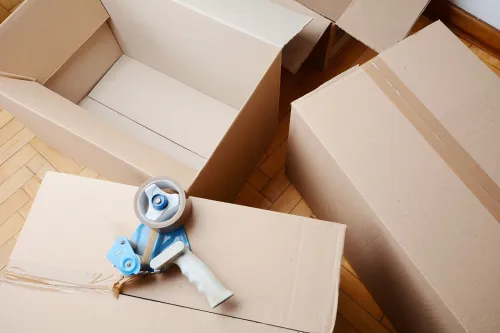

Some moving checklists cover critical items, such as booking the truck and packing the boxes. However, others are commonly missed because people don't think about them while stressing over the move. The goal is to relax and take a moment to breathe. You have a lot to manage before moving into a new home.
Here are 10 things people often forget when moving. Write them down and be sure to check them off your list so you have a bit more peace of mind before taking the next big life step.

1. Deep clean the new home before a single box comes in
Your new home will never be empty again after the moving truck arrives, so the best time to deep clean is before it gets there. Depending on the cleanliness of the previous owner and whether they had pets, now is the time to:
- Clean the inside of cabinets and drawers
- Clean the oven and dishwasher
- Shampoo carpets
- Scrub the toilets, tubs, sinks, and faucets
- Make sure closets and pantries are empty
- Wipe down all your baseboards, doors, windows, and blinds
- Don’t forget to clean light switches and fan blades
- Replace any HVAC filters or fuel supply lines as needed
Budget a day for the deep clean or hire a cleaning service. You’ll often find cleaning services offer “move-in” deals because they work with real estate agents and property managers who require such attention to detail.
2. Document condition of your new home (especially for renters)
Before unpacking, walk through every room and:
- Record a video and narrate what you see.
- Take still photos of flaws
- Photograph the appliances and note their condition
- Timestamp all photos and videos
For renters, having video and photographic evidence can be the difference between getting your deposit back and not. If your landlord provides a move-in inspection checklist, complete it and send them a copy of your move-in condition photo. Your documentation will help avoid disagreements about whether certain carpet stains or other damage existed before you moved in.
3. Take photos of utility meters and confirm the transfer dates.
Take timestamped photos of the electric, gas, and water meters on the days you leave your old house and enter the new one. Make sure the readings are legible in the photos.
Utility bills are often based on estimates, so having photographic evidence is the fastest way to prove which reading or usage levels are your responsibility. Also, confirm with each provider that the service is in your name as of the correct date.
4. Give your pets a plan for all three phases
Pets don't understand what's happening, which can lead them to try to escape. The ASPCA recommends confining animals to a quiet, closed room or boarding them off-site on moving day. An open front door and a stream of strangers can easily result in a lost pet.
Other steps to consider for your pet include:
- Before the move, acclimate crate-shy animals by feeding them inside the crate with the door open, then closed.
- Update the microchip registry and ID tags with your new address before you go.
- Request vet records and prescription refills and find a veterinarian near your new home.
Upon moving into a new house, don't give a pet the run of the house. Instead, set up a "home base" room with familiar bedding, toys, food, and litter, and expand access room by room over a few days. For cats, gradually shift the litter box toward its permanent spot. As much as possible, keep feeding and walking times unchanged to maintain a sense of routine for your pet.
5. Inventory and photograph your own belongings before packing
Having an inventory of your belongings is always useful documentation for insurance purposes, but it is even more valuable when you move. Key steps are to:
- Walk through your current home before the packing starts. Open closets and drawers as you go and videotape each step.
- Photograph high-value items individually
- Record serial numbers for electronics, tools, and appliances.
If something arrives broken or does not arrive at all, you have documentation of the item.
6. Read the valuation clause in your moving contract
Interstate movers must offer two levels of liability. One, the free Released Value Protection pays only 60 cents per pound per item, meaning a 15-pound laptop-and-monitor setup destroyed in transit yields only $9. Full Value Protection, which you pay for separately, makes the mover liable for the replacement value of your belongings, so strongly consider this option.
Also, check whether your homeowner's or renter's policy covers goods in transit.
7. Measure the path, not just the furniture
Thinking through each step and making a few phone calls can help avoid moving-day pain. For example:
- Don't just measure the sofa or other large items. Measure doorway widths, stairwell turns, ceiling clearance, elevator dimensions, and the hallway corners.
- Confirm there is legal parking for a 26-foot truck in front of your new home.
- Determine whether the moving truck needs a street-use permit for moving day.
- Apartment buildings often require a certificate of insurance from your mover plus a reserved elevator window. Confirm as needed.
Get the largest and smallest person in your family and follow them as they walk through your home. You want to make note of any narrow or wide traffic areas that may impact how guests experience your new home.
8. Move your records, not just your things
Request or transfer the legal, medical, educational, and other records for each household member.
- Request medical and dental records for everyone in the household.
- Transfer prescriptions to a pharmacy near your new address.
- Obtain school records and immunization documentation, since many districts won't complete enrollment without proof of immunization.
Keep key legal records such as birth certificates, titles, and passports with you, not in the moving truck. It helps to purchase a fire safe with a lockable front. It won’t be as good as Fort Knox, but will give you some peace of mind and deter most people from getting into your private documents.
9. Handle the vehicle side of the move
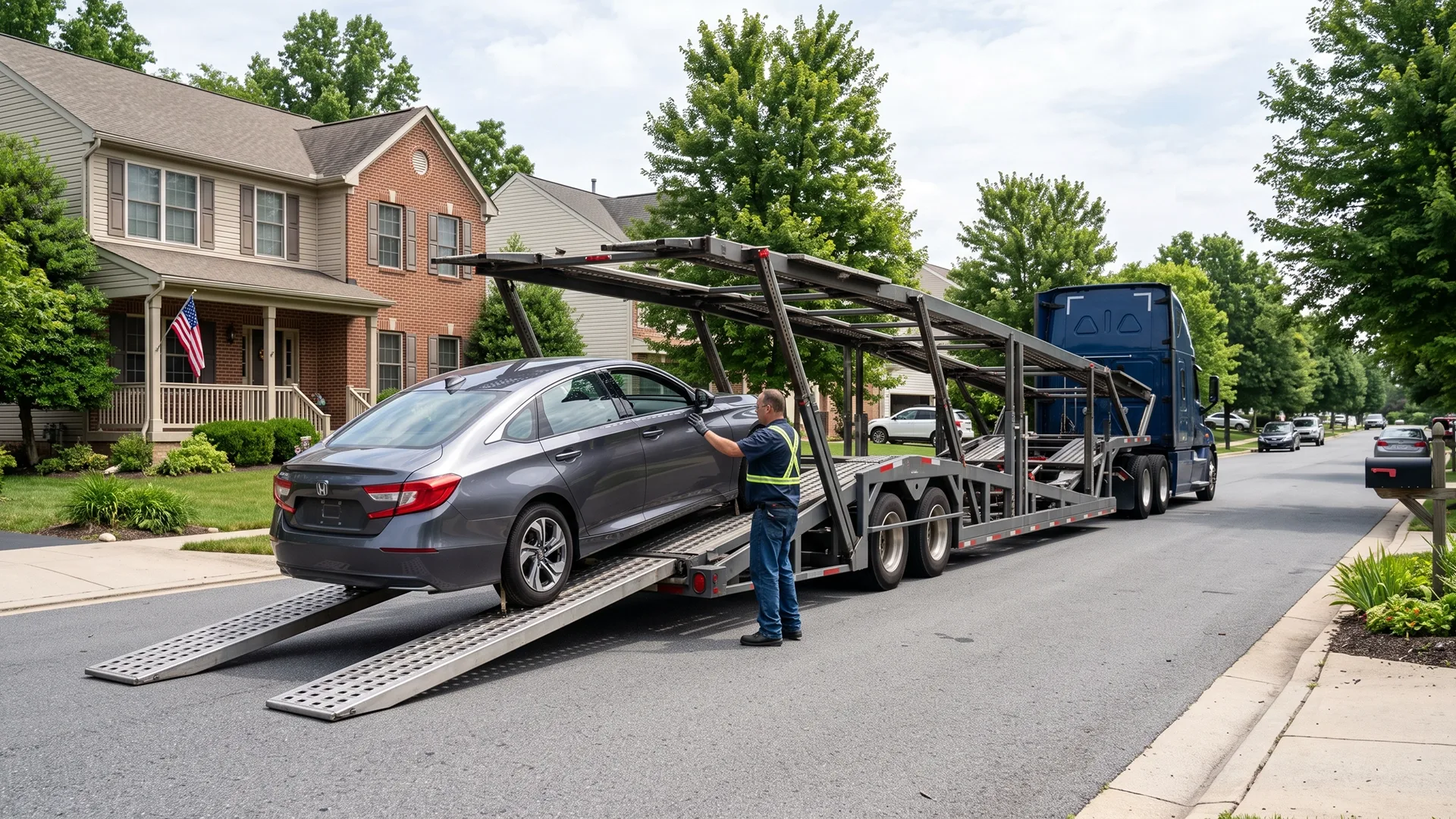
There is a series of steps to get your vehicle or vehicles properly situated, including:
- Most states allow between 10 and 60 days to update your driver's license and registration after establishing residency.
- Notify your auto insurer immediately since premiums are based partly on the garaging address, and an undisclosed move can give an insurer ground to contest a claim.
- If you're shipping a vehicle rather than driving it, book early and photograph the car from every angle at pickup. That photo set is your evidence at delivery, exactly as with your household goods.
10. Change your address where mail forwarding won't help
You can instruct the USPS to forward First-Class mail for 12 months for only a $1.25 fee online, but USPS forwarding is a stopgap, not a solution.
You also need to update:
- Your bank, brokerage, payroll and HR records, insurance carriers, or subscriptions
- The IRS using Form 8822
- Your voter registration
Of course, you need to tell friends, family, and others your new address and other information.
Getting a Move On
The things people forget when moving include several that are cheap and easy to do before the move, but more expensive or time-consuming afterward. Spending an hour with a phone camera and a few phone calls before the move is a great investment if you want to reduce moving-process risks.
While understanding and executing vehicle transport is our core business, we work with tens of thousands of relocating customers each year, so we know the challenges they face. As a leading broker, Nexus Auto Transport has a nationwide network of vetted carriers experienced in all aspects of vehicle transfers. Contact us for a quote to remove any worries about transporting your vehicle. You'll see how our 3-step process makes it easy for you from start to finish.
Check moving cost here: https://nexusautotransport.com/moving-cost-calculator/
Long-Distance Relocation Comparison
Relocation Factor |
Driving Yourself |
Shipping Your Vehicle |
|---|---|---|
Travel Time Required |
3 to 4 days driving a 2,500-mile route at 600 to 700 miles per day, plus 3 to 4 overnight stops. |
3 to 7 days in transit on high-volume corridors; 10 to 14 days on lightly served routes. |
Safety and Road Wear |
Adds 2,500 miles of wear and tear to vehicles. There’s also driver fatigue to worry about. |
The vehicle arrives with zero added miles and no highway exposure. |
Total Expenses and Hidden Costs |
Cash cost for 2,500 miles is $900 to $1,500, with most drivers landing between $1,100 to $1,350. |
Open carrier, cross-country: $1,100 to $1,600. Enclosed transport runs 40 to 60% more. |
Pet Comfort Level |
Your pet stays with you, surrounded by familiar people, but endures 3 to 4 days of crate or harness restraint. |
Carriers do not permit live animals in transported vehicles, so pets either fly or ride in a second car. |
FAQs
How do I coordinate the delivery of my shipped vehicle with my actual move-in day?
Instead of scheduling delivery for your move-in date, consider scheduling it for several days later. Move-in day is always busy, and you don't want to rush through your vehicle inspection. Give yourself the time for a proper inspection.
If you are flying to your destination, land at least a full day before the earliest potential delivery date to avoid issues with delayed or canceled flights.
If you need a vehicle for the first few days at your new home, consider renting a minivan or other vehicle suitable for picking up and moving larger items.
What steps should I take if my vehicle arrives before I have official residency at my new address?
Residency isn't required to take delivery. Carriers deliver to an address and a person, not to a resident. Nothing about a lease start date or a closing date affects your right to receive your own car. So, this is a logistics problem, not a legal one, and it has four solutions in rough order of cost:
- Have someone receive it at the destination. Your authorized representative signs the Bill of Lading and then parks it.
- Terminal storage. Instead of delivering it to your new home, deliver it to a terminal. Most terminals have a free window of about 5 to 7 days after arrival, then charge $25 to $50 per day.
- Self-storage or a monthly parking lot near the new address. For anything longer than two weeks, an outdoor monthly space beats terminal rates. Have the car delivered there rather than to a terminal
Is it legal to pack personal household items inside a car being shipped to a new home?
Technically, no. Auto transporters aren't approved to haul household goods. Some allow small amounts of personal items, but the carrier's cargo insurance doesn't cover items left in the vehicle, and most auto transporters require you to remove personal items for weight and insurance reasons.