
Buying a car is one of the largest purchases most people make, and where you buy it can matter just as much as what you buy. Depending on the state, the same vehicle can cost thousands of dollars more or less due to differences in taxes, registration fees, dealer costs, and even market competition.
In this guide, we’ll break down:
Which states consistently offer the best deals
Why some states are far more expensive than others
When buying a car out of state actually saves money
Hidden costs many buyers overlook
Common questions buyers ask before crossing state lines
If you’re trying to stretch your budget or get more car for your money, this breakdown can help you make a smarter decision.
Why the State You Buy a Car In Matters So Much
Car pricing isn’t standardized across the U.S. Even if the sticker price looks the same, the final out-the-door cost depends on several state-specific factors:
1. Sales Tax vs. Use Tax
Some states charge sales tax at the time of purchase, while others collect a use tax when the car is registered. Many buyers assume they can avoid taxes by shopping elsewhere, but in most cases, you’ll pay tax in your home state when you title the vehicle.
2. Registration and Title Fees
These fees vary wildly. Some states charge a modest flat rate, while others base fees on:
Vehicle value
Vehicle weight
Model year
Over several years, these costs can add up significantly.
3. Dealer Documentation Fees
Dealer doc fees can range from under $100 to over $1,000 depending on state regulations. States with caps or competitive dealer markets tend to save buyers more money upfront.
4. Local Market Competition
States with large populations and high dealer density often have better pricing due to competition and inventory turnover.
5 Best States to Buy a Car in 2026
1. Oregon
Oregon is frequently ranked as the best state to buy a car because it has no statewide sales tax. That alone can save buyers thousands, especially on new or higher-priced vehicles. Registration fees are also relatively reasonable compared to high-tax states.
Best for: Buyers who live in Oregon or can legally register there.
2. New Hampshire
Like Oregon, New Hampshire has no general sales tax, making it an attractive place to purchase vehicles. While some registration costs apply, buyers often come out ahead compared to neighboring states with higher tax rates.
Best for: New England buyers seeking regional savings.
3. Delaware
Delaware offers another no-sales-tax advantage and has relatively low dealer fees. While inventory is smaller than larger states, buyers often find competitive pricing on both new and used vehicles.
Best for: Buyers on the East Coast who can register in Delaware.
4. Montana
Montana has no statewide sales tax and is often mentioned in discussions about affordable vehicle purchases. However, registration and legal residency requirements must be followed carefully.
Best for: Buyers with legitimate Montana registration eligibility.
5. Alaska
Alaska does not impose a statewide sales tax, though some local taxes exist. While vehicle prices can be higher due to shipping and limited inventory, tax savings may offset the cost for residents.
States With Lower Vehicle-Specific Taxes
Some states still offer savings due to lower vehicle-related tax structures:
Alabama – Lower average vehicle tax burden
North Carolina – Capped highway use tax
South Dakota – Lower overall vehicle tax compared to national averages
These states may not eliminate taxes entirely, but they often reduce the total cost enough to be worth considering.
States Where Buying a Car Is Often More Expensive
While great vehicles can be found anywhere, some states consistently rank as more expensive:
California – High sales tax plus elevated registration fees
Nevada – Higher combined state and local taxes
Kansas – Above-average vehicle sales tax
Buyers in these states often look elsewhere to offset costs, especially for used vehicles.
When Buying a Car Out of State Makes Sense
Buying outside your home state is most beneficial when:
The vehicle price is significantly lower
Your home state has high sales tax or registration fees
You’re looking for rare models or trims
Inventory is limited locally
Many buyers choose to buy a used car out of state specifically to access better pricing, better condition vehicles, or a larger selection.
Smart Ways to Shop Across State Lines
Modern car buying makes it easier than ever to compare prices nationwide.
Use reputable websites to buy used cars to compare listings and identify price gaps
Explore online car auctions sites only if you understand fees, vehicle condition grading, and transport logistics
Some buyers explore the option to buy a car directly from the manufacturer, though availability depends on brand and state franchise laws
Always verify title status, vehicle history, and seller reputation before committing.
Step-by-Step: Buying a Car Out of State
Understanding the process for buying a car out of state helps avoid delays, unexpected costs, and registration headaches.
Key Steps
Confirm total purchase price and fees
Verify tax obligations in your home state
Secure insurance coverage
Obtain temporary tags or permits
Complete title transfer and registration
Required Documents
The typical paperwork you need to buy a car out of state includes:
Bill of sale
Vehicle title
Odometer disclosure
Proof of insurance
Government-issued ID
Your state DMV may require additional forms.
Driving vs. Shipping the Car Home
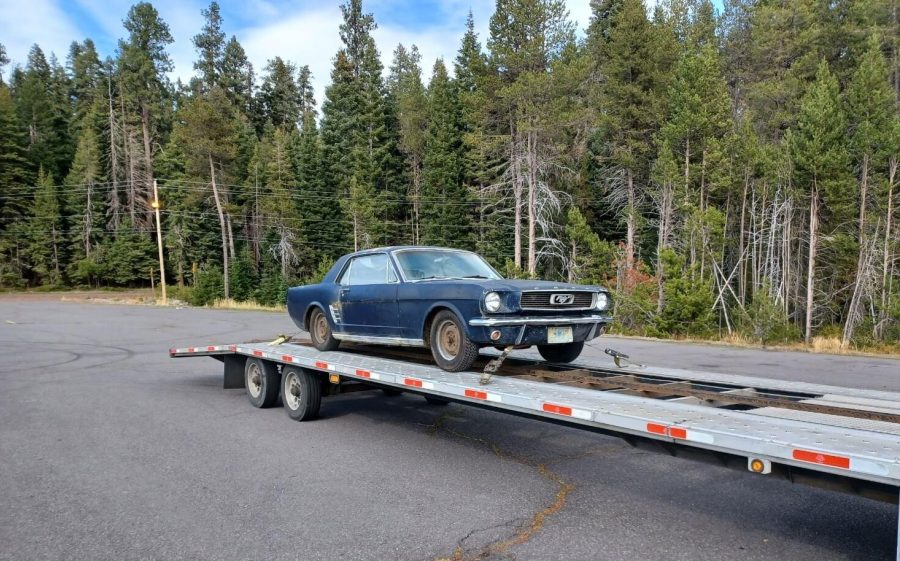
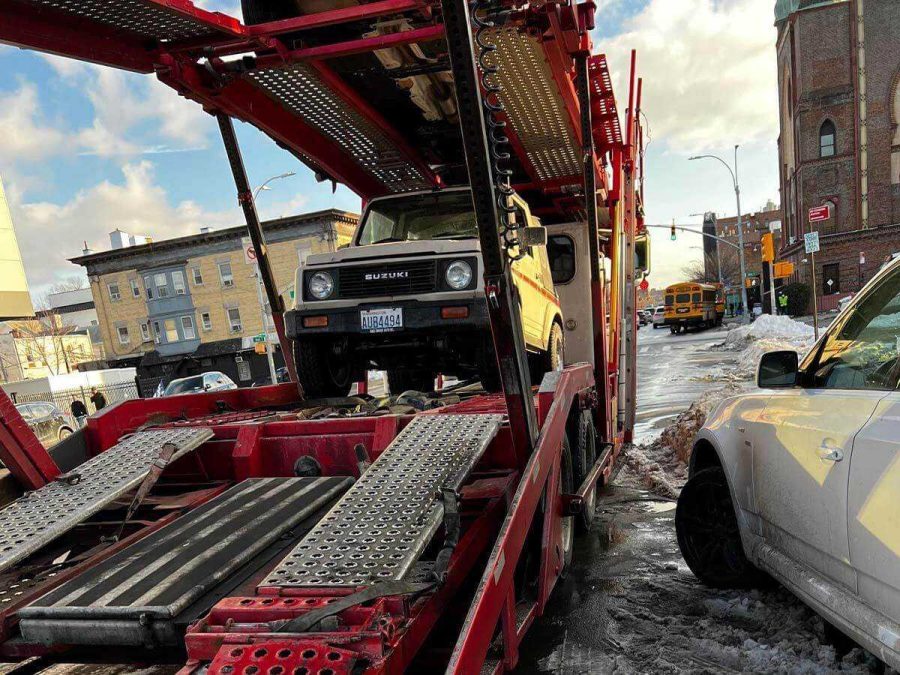
Once the purchase is complete, you’ll need to decide how to get the vehicle home. In many cases, car shipping to another state is safer, more convenient, and cost-effective than flying out and driving long distances especially for used or specialty vehicles.
Frequently Asked Questions (FAQs)
Which state is the cheapest to buy a car in?
Oregon is often considered the cheapest due to no sales tax and reasonable registration fees, though individual circumstances matter.
Can I avoid sales tax by buying a car in another state?
Usually not. Most buyers pay tax in their home state when registering the vehicle.
Is it legal to buy a car out of state?
Yes. Buying across state lines is legal as long as you comply with registration, tax, and residency laws.
Is it harder to finance an out-of-state car purchase?
Not necessarily. Most lenders and banks can finance out-of-state purchases with proper documentation.
Does buying out of state affect warranty coverage?
No. Manufacturer warranties are valid nationwide.
Final Thoughts
The best state to buy a car depends on tax laws, fees, inventory, and where you plan to register the vehicle. While no-tax states like Oregon and New Hampshire offer clear advantages, real savings often come from understanding the full cost not just the sticker price.
With the right research and planning, buying across state lines can unlock significant savings and give you access to better vehicles than your local market.