
Plenty of new and used car buyers look for out-of-state deals. Being able to hop on an auction site or marketplace ensures greater access to a wider inventory of potential rides. It means more value for your money, filtering by color, make, model, trim, or vehicle features.
The problem is when the purchase is over. When you buy a car across state lines, you need a reasonable and reliable way to ship it back to your home. That means if you’re on vacation in Florida and see a lovely custom convertible or visiting family in Michigan and an SUV catches your eye, you need a clear, easy-to-follow car maintenance checklist so it ships in the best condition possible.
Why Maintenance Preparation Matters Before Shipping
The goal of professional auto transport with a team like Nexus Auto Transport is to minimize risk and ensure proper customer service. That being said, vehicle condition affects the price you pay and the delivery time. Something that doesn’t run well requires different tools and shipping trucks.
The more you prepare your beautiful BMW, which you found for under 20K, the lower the risk of loading or unloading problems or transport-related issues. You can check off your maintenance items, complete a comprehensive pick-up inspection, and then rest easy knowing it will arrive in much the same condition, ready for the road.
A proper car maintenance checklist is also something you can send to the seller. It informs them of what you expect before receiving the vehicle. That way, you avoid many online scams outlined by consumer protection groups like AARP.
Protect Your New Buy with an Easy-to-Use Car Maintenance Checklist
Start with a Full Visual Inspection
Long before you load up your car into open or enclosed auto transport, make sure you’ve completed a full visual inspection. You want to take photos and videos and document any paint scratches, chips, dents, cracked mirrors, tire wear, or signs of leaking fluids.
You should also confirm whether it runs and if there are any strange noises. Alert the carrier of any specific startup procedures, so they know how to safely load and unload the vehicle. Don’t forget to take images of the interior and exterior, and time-stamp everything for verification.
Check Fluids and Watch for Leaks
While your new “used” buy doesn’t have to be in tip-top shape, you do need to know if it's leaking fluids. When there is engine oil pooling on the back of a truck bed or transmission fluid dripping from one level of auto transport to the other, you could be held financially responsible for damage.
Always confirm that the brake fluid, coolant, power steering fluids, and any other liquids are not leaking. If they are, mention it to the carrier ahead of time. They can adapt and use a different loader, so your bill doesn’t see a sudden fee added for cleanup and repairs. If there are no leaks, you want to top off all fluids.
Battery and Electrical System Preparation
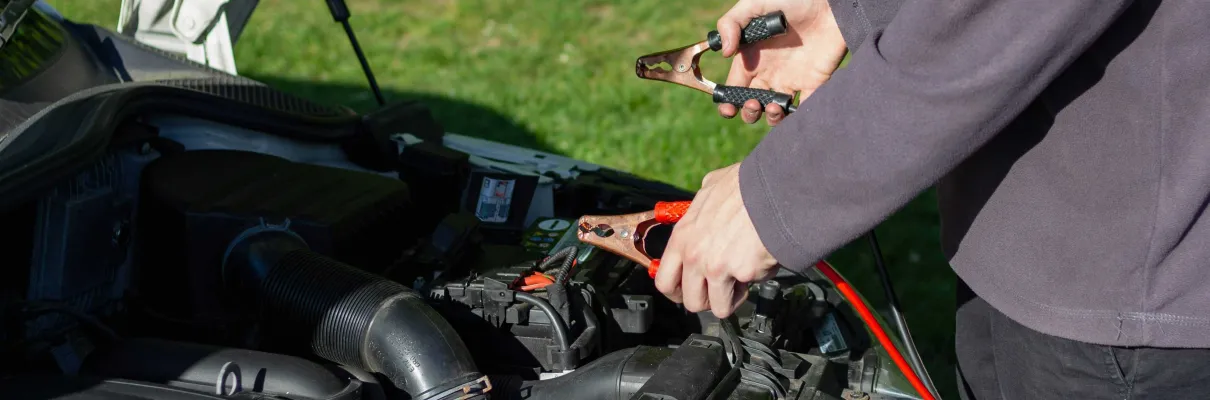
During your auto transport, the carrier might need to start the vehicle, shift it around, or get it out of the way should an emergency occur. If your battery is dead or cannot hold a charge, that leaves them up the creek without a paddle. That is even more true if you are shipping an EV that relies on the battery.
Confirm the battery charge level is good (60-80%) and that there is no corrosion on the terminals. You might want a partner or friend to walk around the car while you test the headlights, brake lights, turn signals, and key fob operation.
Tire Pressure and Tire Condition
A quality car shipping company will have soft straps and wheel chocks to secure your vehicle after you’ve made a purchase. However, if the tires are under- or overinflated, they can increase the risk of movement in the trailer.
You also don’t want to receive a new car and suddenly have to pay for a set of tires. When you consider the average cost of medium-sized new tires is $100-$150 per tire, that’s a big expense on top of shopping and the purchase price.
Fuel Level: Keep It Around One Quarter Tank
Your fuel level is a simple fix on the car maintenance checklist before shipping. You want to get it to around ¼ of a tank full. There are a couple of reasons to do this. The first is that it reduces the overall weight on the truck, lowering transport costs.
The second reason is safety. Less fuel means less danger in case of an accident. Should your vehicle somehow get stolen (which is incredibly rare right now due to historic lows), the thieves won’t be able to get far without stopping at a gas station, where video can be sent to the authorities.
Remove Personal Items and Loose Accessories
This is a bigger item than you might expect. A lot of people shipping a car think it means they can pack extra gear, home items, clothing, and vacation goods in the trunk or seats. That is not the case.
A professional carrier like Nexus Auto Transport offers clear pricing and fair estimates based on vehicle weight. When you add more to that equation, it tips the scale, and you end up paying more. Plus, most cargo insurance won’t cover your personal items should something go missing or get damaged.
You may also want to remove any fragile accessories, such as roof racks, bike mounts, and spoilers. It’s a smart, extra precaution.
Disable Alarms and Keep Your Documents
Finally, you want to turn off any car alarms so the carrier isn’t stuck driving hundreds of miles across the country with car alarms constantly honking. Remove your toll devices as well. Those can accidentally trigger and deplete your funding pretty quickly.
Keep all copies of documents. Have a photo of your car insurance, title, and get a Bill of Lading for the transport. The right provider will offer a packet of this information for your convenience and will also comply with FMCSA, USDOT, and their private carrier insurance regulations.
What to Inspect Before Shipping an Out-of-State Car
Inspection Item | What to Check Before Pickup |
Exterior Condition | Scratches, dents, paint chips, cracked mirrors, windshield damage, bumper condition |
Interior Condition | Tears, stains, odors, dashboard damage, loose accessories, electronics functionality |
Odometer Reading | Photograph the odometer, get a copy of mileage reporting paperwork |
Dashboard Warning Lights | Check for engine lights, battery warnings, ABS alerts, or EV system notifications |
Fluid Leaks | Inspect for oil, coolant, brake fluid, or transmission leaks |
Tire Condition & Pressure | Verify tread depth, inflation levels, and signs of uneven wear |
Battery & Electrical System | Confirm battery charge, terminal condition, headlights, brake lights, and signals |
Keys & Key Fobs | Ensure all keys, fobs, and remote start systems work |
Fuel Level | Keep fuel around 1/4 tank |
Personal Items | Remove valuables, toll tags, loose accessories, roof racks, and detachable parts |
Photos & Video | Capture all sides and interior/exterior of the vehicle before pickup |
Shipping Documents | Verify Bill of Lading, title copies, insurance info, and seller paperwork |
Timing & Professional Auto Shipping Coordination Matters
When your car maintenance checklist is finished before shipping, you’ll have a lot more peace of mind. It means you or the seller has properly prepared the vehicle, so when you arrive at a vacation home or start a new job with a family relocation, you’ll have a reliable, ready car to get around.
None of that is possible without a professional company offering nationwide door-to-door shipping through a vast network of drivers. With Nexus Auto Transport, you get clear pricing and real-time communication, so you know where your vehicle is along the route.
Instead of DIYing your purchase's move back home and figuring out tolls, parking, hotels, fuel, food, and more, all that stress is managed by a professional. That way, you can stick to your college move-in date, snowbird relocation, or summer move to a beautiful new home with less on your plate.
Use our shipping calculator to see how delivery timelines and pricing align with your recent vehicle purchase from a different state. You may want to discuss the timing of your shipping with the Nexus team to avoid higher pricing during busier seasons or added risk during typical bad weather and congested roads.
Protecting Your Vehicle Investment Starts Before Pickup
Buying a car out of state is extremely worthwhile. You get more access to those special features and makes you want without the pressure of visiting faraway dealers or messing with high-pressure salespeople.
Follow this simplified car maintenance checklist and ensure the vehicle you buy is in the best condition possible before it arrives. That will help you, the professional carrier, and any insurance company, as there will be verifiable information to support pre- and post-delivery condition confirmation.
FAQs
Why is a car moving between state lines different from a local purchase?
Different states have unique transport laws. A professional carrier has direct interstate shipping experience and follows all laws and regulations.
Does a car need to be fully operational before transport?
Not at all. Nexus offers a diverse network of carriers that work with both operational and non-operational vehicles, such as a parts car, collector vehicle, and restoration project.
Should I use open or enclosed transport for a newly purchased vehicle?
That’s up to you. An open option will be less expensive and easier to schedule due to more driver availability. Enclosed keeps your car better protected from road debris and weather, but may cost slightly more.
What paperwork should I have ready before pickup?
Instruct the seller to provide the title, insurance documents, any remaining liens, inspection or emissions testing, odometer readings, and other information outlined by that state’s DMV. You should also check your state’s registration rules so you’re not missing anything when the car arrives.