
About a third of Americans say they would consider buying a hybrid or full-electric vehicle (EV). The reason is simple. People want ways to save money on fuel and car maintenance. The fluctuating cost of filling up a traditional gas-powered vehicle is simply too rough for most buyers.
The trouble is that changing from a traditional sedan or SUV can be overwhelming. Not everyone has experience with how an EV works or what maintenance is crucial for the battery and electric system.
The good news is, once you’ve made a purchase and had that stunning new car shipped to your home, regular electric car maintenance isn’t as complex as you might have thought. There are fewer parts, fluids, and mechanical wear with an EV. Proper maintenance is more about habits than needing a giant space full of spare parts in your garage. Here’s some practical advice to make your post-car-buying experience better.
Why EV Maintenance Feels Different from Traditional Car Ownership
Your EV doesn’t need oil changes, new spark plugs, or to deal with squeaky and embarrassing belts that sound the alarm whenever you accelerate. The lack of fuel systems makes things a lot simpler when you’re transitioning from older cars to more eco-friendly models.
All that being said, you still need to make a mental switch. You have to move from focusing on engine performance to more on energy efficiency and long-term battery preservation. A good rule of thumb is to plan on a battery lifespan of about 8 to 12 years. They can last longer, but that is the “sweet spot” for getting the most efficiency out of the unit.
Long after you’ve researched the best EVs on the market, you also need to start thinking about infrastructure. It’s crucial to know where all your local charging stations are so you can get a meal while you recoup lost mileage or borrow a book from the library as your car juices up. Everything from the climate outside impacting your battery health to tire condition for less drag is important now.
Top Electric Car Maintenance Tips to Get the Most ROI on Your Purchase
Battery Health is the Most Important Factor
The maintenance issue you’ll need to focus on the most is your EV battery health. This is not like the smaller battery in your Apple Watch or Samsung Galaxy phone. Constantly charging the EV’s battery to 100% or using chargers designed for “fast speeds” will put more strain on the unit. That degrades the battery health over time.
Stick to a range of 20% to 80% for your battery. That will reduce stress on the situation and give you more than enough range for daily driving. Use “fast charging” stations only when you must. DC fast chargers are useful, but generate a ton of heat, which is the top concern for battery health.
Climate also matters. EV batteries love moderate temperatures. Using your EV all the time in colder climates when you need a heater or vice versa reduces your available range. Stick to covered parking, especially if you live in sunny areas like Florida or Arizona. That will make charging a lot easier.
Charging Habits Directly Affect Long-Term Ownership Costs
Pick up a Level 2 home charger. That is the best long-term investment. It gives you a predictable charging routine because overnight charging at home tends to be cheaper during lower utility demand.
Your goal is consistency in your charging habits. You want to balance public charging with your home situation. Mapping out the area before longer trips will go a long way to reducing your reliance on expensive public networks.
EV Tires Wear Faster Than Many Owners Expect
One aspect of electric car maintenance you may have never considered when buying that new hybrid convertible is your tires. EV tires tend to degrade about 20% faster than traditional tires. The reason is “instant torque.” When you accelerate an EV, it jumps into action immediately, unlike the slow acceleration of a gas-powered engine.
Do yourself a favor and check your tire pressure at least once a month. Rotate them every 5,000 to 8,000 miles and inspect them after a long trip. It’s best to set a reminder on your smartphone, since you won’t have the oil change schedule you’d typically use for a traditional vehicle.
Regenerative Braking Changes Brake Wear Patterns
Another maintenance issue is with your EV’s brakes. EVs use regenerative braking, which slows the vehicle using the motor rather than just the brake pads. The result is that pads wear more slowly, but still require some attention now and then.
EV brakes can rust more quickly because they’re used less aggressively. So if you live in Maine, Idaho, Montana, or anywhere with salt on the roads, you need to get a car wash that includes the undercarriage a bit more often.
Software Updates are Part of Normal EV Ownership
While all modern cars have computers working for infotainment and system performance, an EV is a bit more advanced. You will need to get periodic software updates from the manufacturer. As long as your EV is connected to your home’s Wi-Fi or public network, you should be fine.
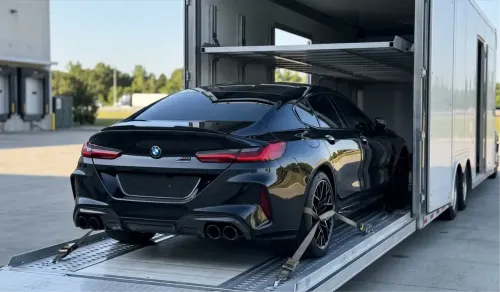
What these updates do is provide you with better range efficiency, charging performance, navigation, and safety. Ignoring updates can lead to serious “bugs” in your system. When you buy your vehicle and have it shipped across the country by a trusted nationwide coordinator like Nexus Auto Transport, be sure to discuss automatic updates with your manufacturer or dealer. They should tell you how to enable that feature.
The 12-Volt Battery Still Matters
One final little note that can confuse some EV owners is that there are still 12V batteries in your EV. These are the smaller systems for controlling locks, lights, and startup electronics. There are usually only a few, and your local mechanic can handle it for you, but knowing they exist and should be swapped out every 3 to 5 years is just a worthwhile tidbit.
First-Time EV Buyer Maintenance Checklist
Maintenance Item | Recommended Timing |
Battery Health Monitoring | Ongoing |
Keep Battery Charge Between 20%–80% | Daily use |
Limit DC Fast Charging | Only during long trips or emergencies |
Tire Pressure Checks | Monthly |
Tire Rotation | Every 5,000–8,000 miles |
Brake Inspection | Every 10,000–15,000 miles |
Software Updates | As released by manufacturer |
Cooling System Inspection | Manufacturer-recommended intervals |
Cabin Air Filter Replacement | Every 12,000–18,000 miles |
12-Volt Battery Test | Annually |
Charging Port Inspection | During regular cleaning or after shipping |
Why Professional Car Shipping Makes More Sense for EV Buyers
You’ll be surprised at how quickly you begin to follow the simple electric car maintenance tips you need. However, you want to ensure the new hybrid or full EV reaches your driveway safely. For that, be sure to use Nexus Auto Transport's clear pricing and direct experience with EVs.
Not only will you get open, enclosed, and expedited shipping options, but you will also get real-time communication to ensure you know where your vehicle is along its route. With FMCSA and USDOT numbers as well as a nationwide network of vetted and professional drivers, you won’t have to worry about your EV getting to your home, workplace, college dorm, or vacation property in one piece.
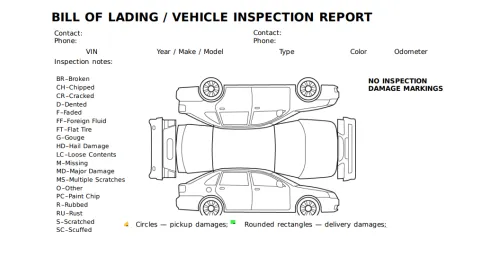
Keep in mind that the pre- and post-delivery inspections differ for an EV. You want a team that knows how to check battery charge, port conditions, cables and adapters, and exterior panels for any stress. Working with Nexus ensures you avoid adding more mileage to the tires or battery system. Learn more by exploring our complete guide for auto shipping.
Building Smart EV Habits from Day One
Owning an EV is a fantastic way to save on fuel costs and do your part to help the environment. There are many highly efficient vehicles on the market that work just as well for a local commuter as someone who has to travel far for weekend family visits.
Follow these simple electric car maintenance tips and make use of proven, experienced auto transport professionals to get your new purchase home. With routine tire checks, regular software updates, climate awareness, and smart charging habits, you’ll get a lot of use out of your investment.
FAQs
How often does an electric vehicle need maintenance?
With the right habits, you’ll find fewer maintenance needs for your EV. Monitor the battery health and do your best to set up a balanced charging pattern, and you should be good.
Does fast charging damage an EV battery over time?
If you rely on DC fast charging stations too much, it can put more heat and strain on your battery. Balance those charging times with your Level 2 home charger to offset that strain.
Should I inspect my EV after it is shipped to me?
Yes, always inspect your vehicle after auto transport. Take any photos or videos to document everything. The professional driver should do this with you.
Is shipping an EV better than driving it a long distance during a move?
Many first-time EV owners are still a little nervous about finding a charging station or using the car. Having it shipped back home saves on tire and engine wear, allowing you to focus on your own area first.