Moving a car across the Atlantic is unlike booking an interstate carrier, and the ocean leg is often the simplest part. The challenge is everything around the shipment, including export filings, customs duties that can change, and vehicle age-based safety and emissions rules that can make a perfectly good European car unwelcome in the United States. Shipping west to east and east to west follow different rules, so the problems you face depend on the direction of travel.
Here is how the process works in 2026, what it costs, and where the two directions part ways.
How Cars Cross the Atlantic
There are three practical options that operate in both directions.
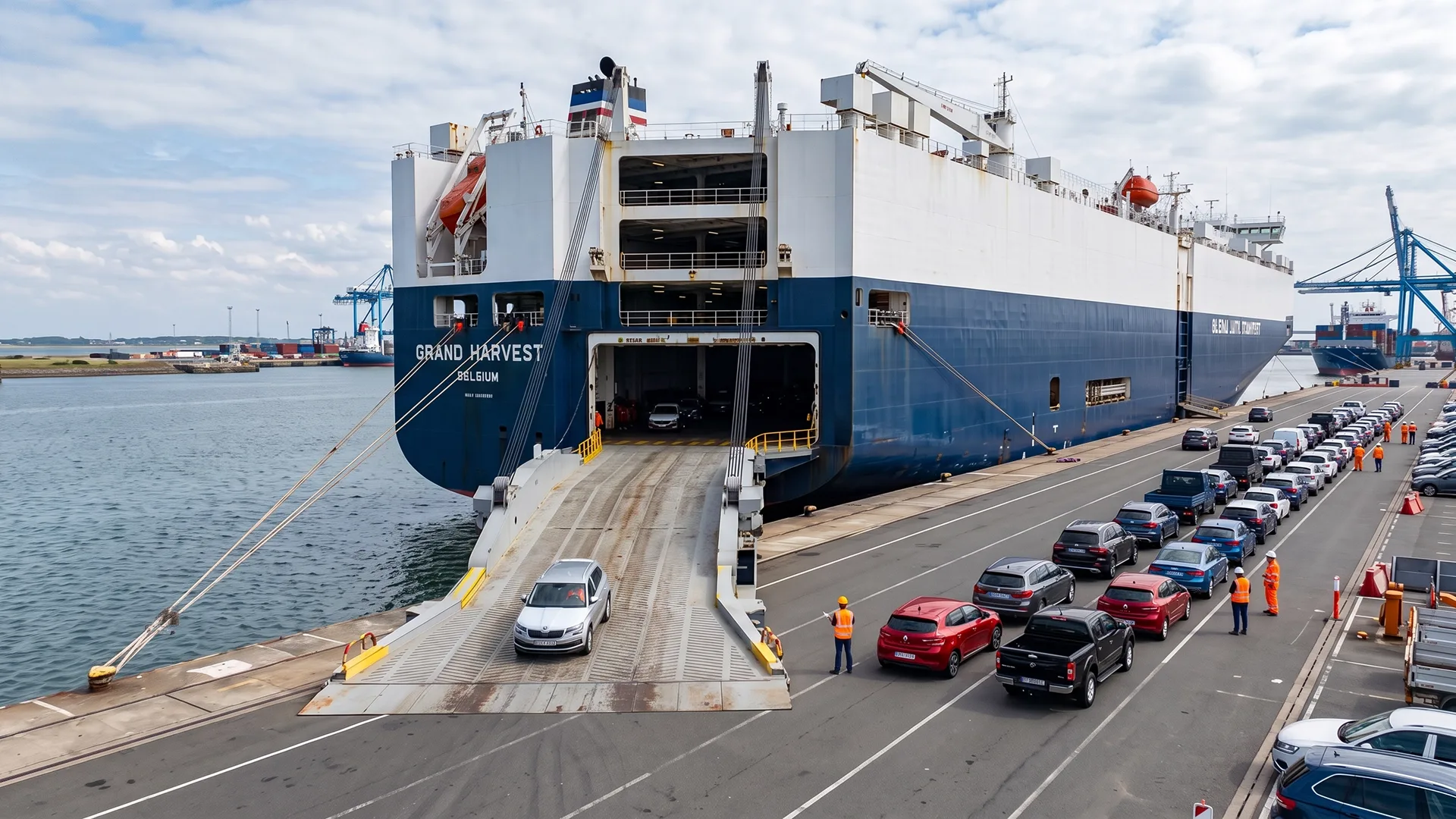
- Roll-on/roll-off (RoRo): This is the cheapest method. The car is driven onto a purpose-built vessel, parked on a vehicle deck, and driven off at the other end. It works well for ordinary running vehicles, but the car is accessible to port and ship crews, and nothing loose can ride inside it.
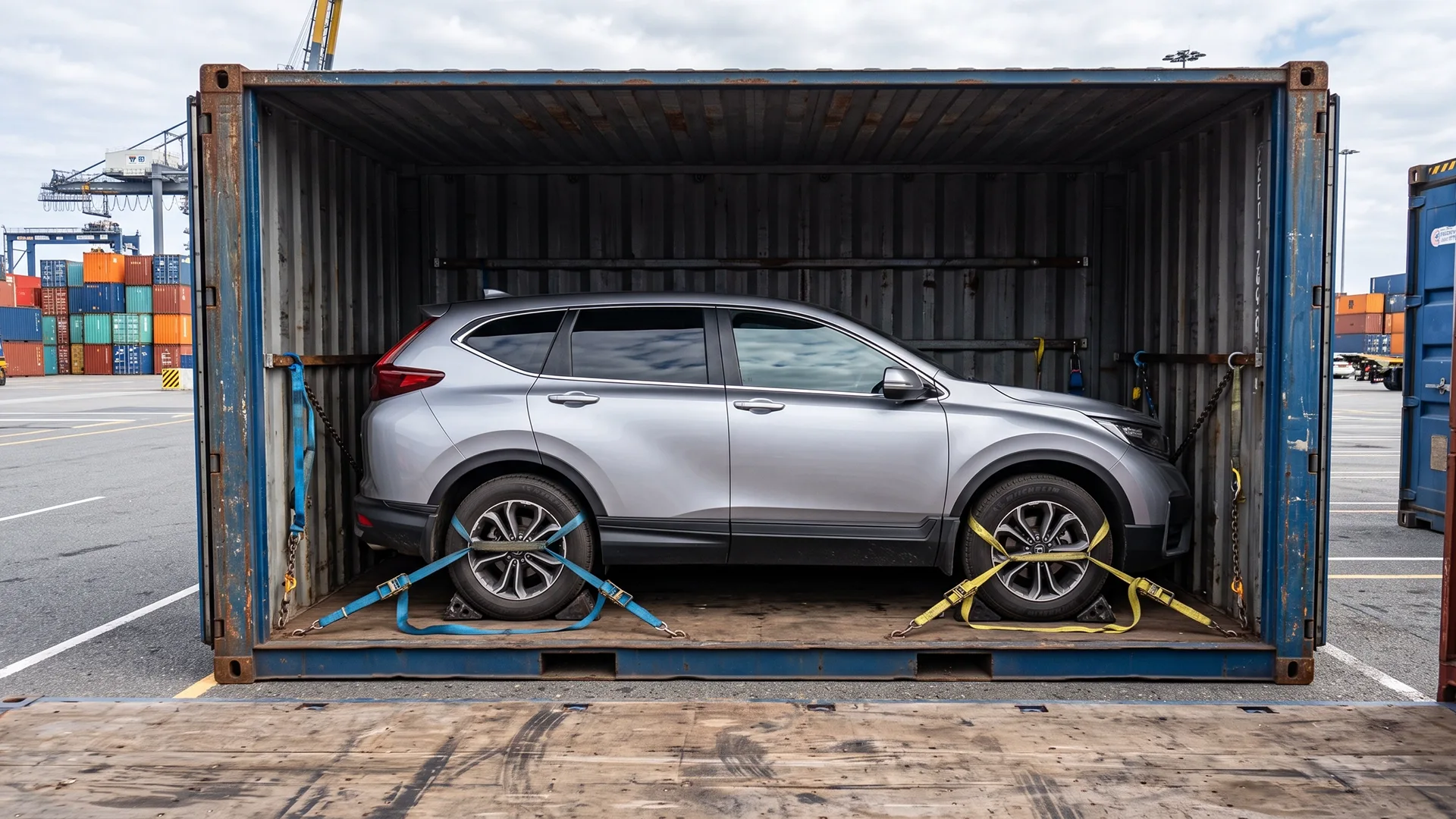
- Container shipping: Your car goes into a 20- or 40-foot steel box. In a shared container, your car rides with one to three others to split the cost; in an exclusive container, the box is yours alone. Containers cost more than RoRo and often take longer because forwarders wait to fill them, but they offer better protection and are favored for classic, high-value, or non-running cars.
- Air freight: Air freight has 3 to 10 days transit times, but it is pricey and normally used by high-end collectors, race teams, and urgent moves rather than ordinary relocations.
What It Costs
Shipping a car from the USA to Europe using RoRo generally runs $1,050 to $1,800 per vehicle, plus about $600 in European destination charges, with some variation based on ports, vehicle size, season, and fuel costs.
Besides the freight charge, when shipping to Europe, you will also face line items for:
- Destination terminal handling
- Customs brokerage
- Local delivery
On imports into the U.S.:
- Customs adds a Merchandise Processing Fee of 0.3464% of value (minimum $31.67, maximum $614.35)
- Harbor Maintenance Fee of 0.125% on ocean shipments
Insurance is extra as well; one forwarder prices optional coverage at 2% of declared value above $500, with a $200 minimum.
Another issue worth tracking is the U.S. Trade Representative's Section 301 service fee on foreign-built RoRo vessels, which is suspended from November 10, 2025, through November 9, 2026. If it returns, carriers are likely to pass at least part of it along.
Paperwork for Car Transport USA Europe
Export paperwork is strict and time-sensitive, so you must have your ducks in order.
- Under 19 CFR 192.2, you must provide the original title (or a certified copy) plus two duplicates to Customs, along with the vehicle, at least 72 hours before it leaves by sea.
- Customs and Border Protection also requires filing Electronic Export Information through the Automated Export System at least 72 hours before export, no matter the car's value or destination. This produces an Internal Transaction Number that must appear on the export documents. Violations bring civil penalties of up to $10,000 each.
Expect your forwarder to ask for a bill of sale, the power of attorney, and a passport copy or EIN letter. If a lender holds the vehicle title, you'll also need their written authorization.
Shipping a Car from Europe to the USA
The European Union charged a 10% duty on imported passenger cars for years. However, since July 1, 2026, the EU–U.S. trade arrangement says the EU will charge 0% on qualifying U.S.-origin industrial goods, vehicles included. The criterion is where the vehicle was built, so a European-brand vehicle built in the U.S. should qualify for 0% duty, while a vehicle assembled in Germany and purchased in the U.S. will not.
In addition:
- Value-added tax applies at each country's rate (19% in Germany), which is calculated on the car's value plus shipping and duty.
- Relocating residents can often avoid both duty and VAT. Germany's customs service grants relief if you lived outside the EU for at least 12 months, owned and used the car for at least six months, cleared it within 12 months of moving, and did not sell or lend it for 12 months afterward.
- Registration is a separate step. Expect a vehicle technical inspection and, for some American cars, required modifications, such as lighting changes.
Challenges When Shipping a Car from Europe to the USA
The problem for vehicles arriving in America is less about tax than about the vehicle’s age.
- Cars that were not built to U.S. Federal Motor Vehicle Safety Standards can enter freely under NHTSA rules once they are 25 years old.
- The EPA's emissions exemption applies at 21 years if the car is in original configuration.
- Every import still needs DOT Form HS-7 and EPA Form 3520-1. A newer, non-U.S.-spec car generally must go through a Registered Importer, with conversions costing $10,000 to $30,000, plus a DOT bond of 1.5 times the dutiable value.
Duties are a moving target.
- EU-built cars have faced a 15% all-inclusive U.S. tariff since August 1, 2025. In May 2026, the US announced plans to raise that rate to 25%. Pickup trucks have long faced a 25% duty under the "Chicken Tax."
- Because these rules change, confirm the current rate with a licensed customs broker before you buy, because duties can outweigh the freight bill several times over.
Delivery Timelines When Shipping Cars from the USA to Europe
From the U.S. to Europe, shipping times run 14 to 65 days, with East Coast and Florida departures arriving faster than those from California. East Coast RoRo to German ports runs about two to four weeks port to port.
When shipping from Europe to the US:
- Assume it will take two weeks for EU export clearance and loading, plus another week if you ship by shared container. It can also take several weeks for consolidation (pairing your vehicle with others in the container).
- Sailing takes roughly two to three weeks to New Jersey and five to ten weeks to California.
- After arrival, U.S. customs clearance usually takes two to seven business days.
The Key Difference
Shipping from the U.S. to Europe is mostly a question of tax and registration. Almost any car can go if you handle the paperwork and VAT. Shipping from Europe to the U.S. is mostly a question of eligibility. If the car is under 25 years old and was not built to American standards, the cheapest freight quote won't help. Check eligibility first, get the duty rate in writing before booking.
How Nexus Helps Get Your Car to and from Europe
While Nexus is not directly involved in international shipping, we partner with shippers to transport vehicles to and from U.S. ports. A leading broker with a nationwide network of vetted carriers experienced in all aspects of vehicle transfers, contact Nexus Auto Transport if you are considering a vehicle shipment between the US and Europe.
Use our car shipping calculator for a free quote: https://nexusautotransport.com/car-shipping-calculator/
USA vs Europe Car Shipping Comparison
Considerations |
USA to Europe |
Ship Car From Europe to USA |
|---|---|---|
Route |
Main U.S. departure ports include New Jersey/New York, Baltimore, Florida, and California. Main European arrival ports include Bremerhaven, Hamburg, Rotterdam, Antwerp, and Southampton. |
Cars usually leave from Bremerhaven, Rotterdam, or Antwerp. They arrive at East Coast ports such as New Jersey, or at West Coast ports through the Panama Canal |
Shipping Method |
Cars can go RoRo (cheapest, running vehicles only), in a shared container with 1–4 cars, in an exclusive 20 or 40 ft container, or by air freight. |
The same methods apply. Containers are often preferred for classics and high-value cars |
Estimated Cost Factors |
Published carrier rates run about $1,050–$1,800 per car, plus roughly $600 in European destination charges. RoRo to German ports starts at about $750. EU VAT applies at national rates (19% in Germany), and insurance is typically about 2% of the car's value |
Ocean freight is quoted per route. U.S. fees include a Merchandise Processing Fee of 0.3464% ($31.67–$614.35) and a Harbor Maintenance Fee of 0.125%. EU-built cars face a 15% tariff, and pickups face 25%. A Registered Importer conversion for a non-U.S.-spec car under 25 years old costs $10,000–$30,000. |
Typical Transit Time |
Total time runs 14–65 days. RoRo takes about 2–4 weeks port to port to Germany; East Coast departures are faster. |
Allow 2 weeks for EU clearance and loading, plus about 1 week for a shared container. Sailing takes 2–3 weeks to New Jersey or 5–10 weeks to California, and U.S. clearance takes 2–7 business days. |
Required Documents |
Original U.S. title (plus two copies) at the port 72 hours before export, AES/EEI filing with an ITN, and a bill of sale. Your forwarder will also need a power of attorney and a passport copy or EIN letter. If the car is financed, you need a notarized lienholder letter |
You need the bill of lading, bill of sale, and foreign registration or title. You also need DOT Form HS-7 and EPA Form 3520-1. A non-U.S.-spec car under 25 years old needs an NHTSA Registered Importer and a DOT bond. |
Customs Considerations |
U.S.-origin cars have paid 0% EU duty since July 1, 2026, but only with proof of U.S. origin. Other cars pay the standard 10% rate. VAT is due on the car's value, freight, and duty. Duty and VAT relief is available to people moving their residence (12 months living abroad, 6 months of ownership). National inspection and registration follow |
Cars must be 25 or older for NHTSA's exemption or 21 or older for EPA's, or they must conform to U.S. standards. The tariff rate on EU cars is subject to change; a 25% rate was announced in May 2026. Confirm the rate with a licensed customs broker. |
FAQs
Can I ship a financed or leased car between the USA and Europe?
Normally, you can ship a leased vehicle from the US to Europe with the lender's cooperation. U.S. Customs needs the original title, so the lienholder must release it or send a notarized letter on its letterhead authorizing export. Customs does not accept electronic titles.
No matter which direction you are going, many lease contracts don't allow a car to leave the country, so read your agreement before booking.
Can I leave personal belongings inside a car during international shipping?
RoRo vehicles cannot include personal belongings. Many forwarders allow personal items in vehicles shipped in containers, but they charge an extra fee and often require a packing list since you must declare everything inside the vehicle to customs at both ends. Undeclared items can delay clearance or incur duty.
Keep valuables, documents, and anything restricted out of the car.
Is marine insurance required when shipping a car between the USA and Europe?
Marine insurance is not required, but it is strongly advised. Generally, uninsured cars are covered only for total loss, up to $500 per bill of lading. Optional coverage is priced as a percentage of declared value, such as 2% above $500, with a $200 minimum.
You should choose all-risk coverage rather than total-loss-only if you want protection against dents and scratches. A lender may also require coverage on a financed car.