Selling a used car gets easier once you know two numbers: what the car is realistically worth and the least you are willing to take for it.
After that, the question is how much work you want to do to find the right buyer. A dealer or instant-buy service may get the car out of your driveway quickly. A private listing usually takes more effort, but it also gives you a shot at a higher selling price.
And “private buyer” no longer has to mean somebody who lives 20 minutes away. Online listings can put the car in front of people hundreds or even thousands of miles from you. If one of them values the car more than your local buyers do, shipping can become part of the deal rather than a reason to reject it.
Figure Out What the Car Is Really Worth
Most sellers have some idea what they want for their car. The market may have another idea.
Start with the vehicle itself. Get the mileage, trim level and major options right, then be realistic about condition. That last part matters more than many sellers expect. Curb rash, worn tires, a cracked windshield or a warning light can change the conversation once a buyer sees the car.
Kelley Blue Book is useful here because it separates dealer trade-in value from private-party value. Its values also account for vehicle details, market data and local conditions. If you’re planning a private sale, compare against the private-party figure rather than treating a trade-in number as the final word.
Then do a little shopping of your own:
- Search for cars like yours. Match the year and trim as closely as possible. Mileage can make a big difference, so a 40,000-mile example isn’t a great comparison for one showing 115,000.
- Look beyond your ZIP code. A vehicle that’s common in your town may be harder to find somewhere else. National listings can tell you whether yours has something buyers might travel, or ship, for.
- Leave room for a conversation. Buyers expect to negotiate. An asking price slightly above the number you would happily accept gives both sides somewhere to go without starting in fantasyland.
- Revisit the price if the phone stays quiet. An ad with plenty of views but no serious inquiries may be telling you something.
If you’re new to private-party sales, how to sell a car goes through the basic process in more detail.
Decide How Much of the Selling Job You Want
Platform Name |
Sale Speed |
Valuation Method |
Target Buyer Type |
|---|---|---|---|
Instant Buyers |
Often a quick transaction |
Company-generated offer after vehicle information and appraisal |
Someone who wants a simple sale with little negotiation |
Private Listing Sites |
Could take days or weeks |
Seller chooses the asking price and responds to the market |
Individual shoppers looking for a particular used car |
Online Car Auctions |
Highly dependent on the vehicle |
Buyers bid against one another |
Enthusiasts, dealers and shoppers after unusual cars |
An instant offer can be attractive when the main objective is simply to be done. There is no ad to manage, fewer messages to answer and usually less haggling.
Private sales flip that equation. You’ll take the pictures, write the listing, deal with inquiries and probably meet more than one person. The payoff is control. You decide what to ask and whether an offer is worth accepting.
Auctions occupy their own corner of the market. They tend to become more interesting when a car has a story or specification that enthusiasts care about. Think low mileage, a desirable drivetrain, an uncommon trim or a model with a strong following.
That broader reach is one reason owners increasingly sell my car online instead of relying only on local classified ads.
Give Buyers Something Worth Clicking On
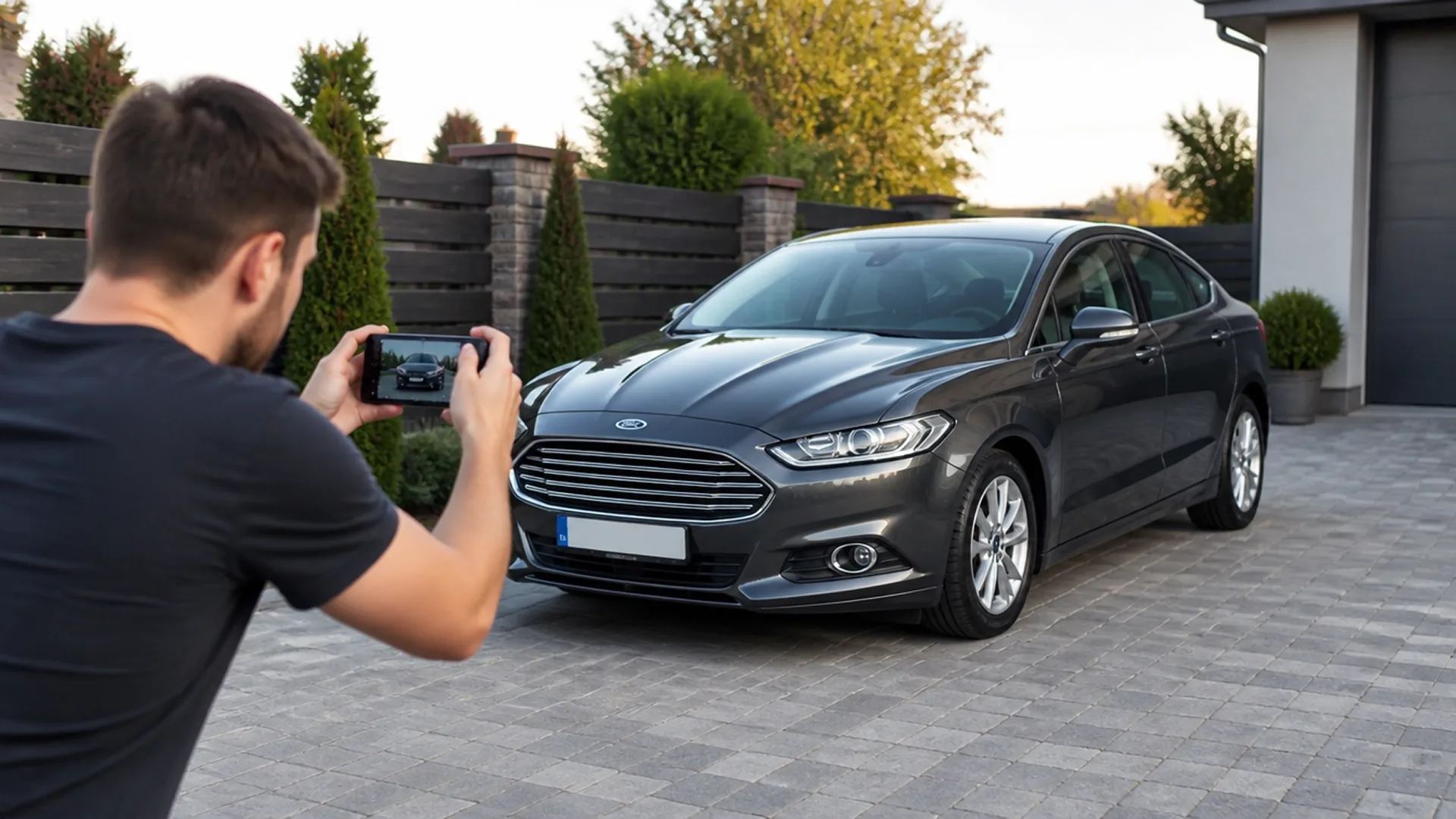
You don’t have to make an eight-year-old car look as if it just rolled out of a photo studio. It should, however, look cared for.
Clean it inside and out. Take the junk out of the trunk. Find the second key if you have one. Put service receipts together instead of trying to remember during a phone call whether the brakes were done last spring or three years ago.
Photos should answer questions rather than create them. Show both sides, the front and rear, wheels, seats, dashboard and cargo area. If there is a scratch on the bumper, include it. Somebody who drives two hours only to discover damage carefully excluded from the ad is not arriving in a generous negotiating mood.
The description can be just as straightforward. List the correct trim, mileage, useful options and recent maintenance. Mention known problems. Skip the “won’t last!” stuff.
Before the car leaves your hands, there is one modern housekeeping job that’s easy to overlook. Cars can retain paired phones, addresses, garage-door codes and other personal information. The Federal Trade Commission’s guidance on clearing personal data is worth a look before you hand over the keys.
Don’t Automatically Reject the Buyer Three States Away
Suppose you’re selling a low-mileage wagon with a manual transmission. There may be two interested buyers within 50 miles. There could be 20 people around the country looking for that exact combination.
That’s the advantage of a national listing.
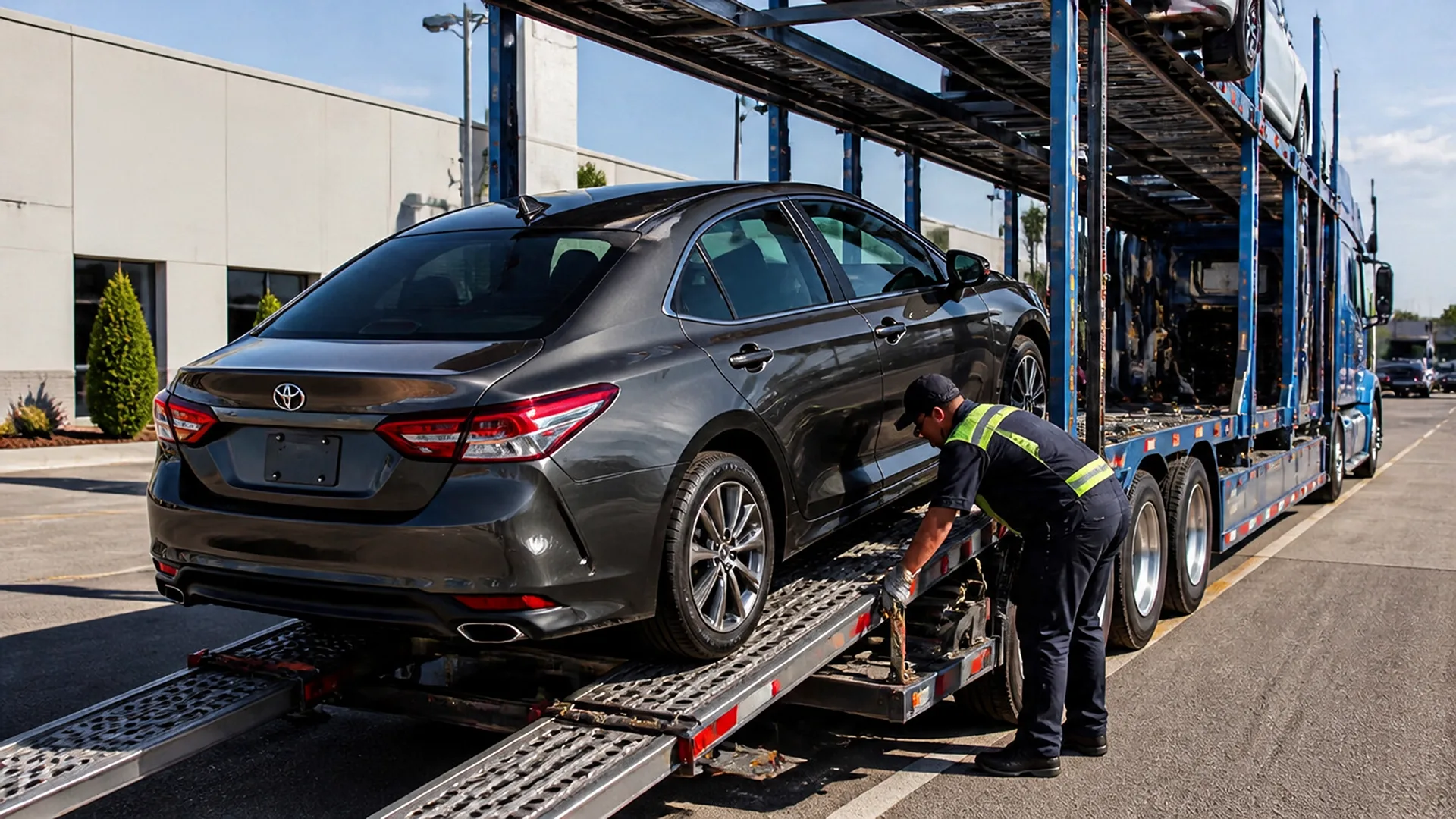
The distant buyer doesn’t necessarily expect you to deliver the car, either. Transportation is simply another part of the transaction to sort out. Sometimes the buyer pays it. Sometimes the seller absorbs some of the cost to make the deal work.
This is where the car shipping calculator earns its place in a sales conversation. Instead of guessing that shipping “must cost a fortune,” run the pickup and delivery ZIP codes and put a real estimate on the table.
Consider a local offer of $17,500 against an out-of-state offer of $18,500. If transport is $700 and the distant buyer is paying it, distance hardly matters to the seller. Even if the seller agrees to contribute something toward shipping, the higher offer may still come out ahead.
A buyer who doesn’t want to fly in and make a long drive home can also arrange to ship a car to another state. That’s especially useful when the vehicle is bought during bad weather, has collector value or simply isn’t something the new owner wants to put hundreds of highway miles on immediately.
A Distant Buyer Calls for a Little More Caution
The phrase “I’m out of state” is not itself suspicious. Plenty of legitimate buyers shop nationally.
Payment behavior is another matter.
In 2025, the Federal Trade Commission warned specifically about a scam aimed at people selling cars online. The supposed buyer sends a check for more than the purchase price and asks the seller to return the difference. The deposit may even appear in the seller’s account before the bank eventually discovers the check is fake.
The FTC’s fake-check warning for online car sellers is wonderfully uncomplicated on this point: if somebody overpays by check and wants money sent back, don’t do it.
For a legitimate sale, settle on a payment method both sides understand before arranging pickup. If anything about the payment feels odd, call your bank and describe the transaction. That five-minute conversation is cheaper than finding out later that the car and the money are both gone.
Finish the Sale Before the Car Starts Its Trip
Shipping and selling are two separate transactions. Putting the vehicle on a trailer does not, by itself, transfer ownership.
The seller still needs to handle the title and whatever other paperwork the applicable states require. Depending on the transaction, that can include a bill of sale, odometer disclosure or lien release.
Don’t improvise this part from something you did with a different car 10 years ago. State requirements change, and an interstate buyer may have registration questions that don’t arise in a local sale.
Make copies of the completed paperwork before the vehicle leaves. If your state requires the seller to report the sale or surrender plates, take care of that as well.
FAQs
How can a seller verify a secure payment from an out-of-state buyer before shipping the vehicle?
Start with your bank. Tell them how the buyer plans to pay and ask what needs to happen before you can treat the funds as final. Be particularly cautious with checks, and walk away from any scheme in which the buyer “accidentally” sends too much and wants part of it returned.
Who assumes legal liability for the car once it is loaded onto the transport carrier?
There isn’t one universal moment when every kind of liability shifts. The carrier’s responsibility for the vehicle in transit is governed by the transport agreement and Bill of Lading, while legal ownership depends on the sale and title transfer. Handle the ownership paperwork before the car is picked up rather than trying to sort it out after it is on the road.
What specific documents must be finalized to officially transfer ownership across state lines?
The title is usually at the center of the transfer, but don’t assume that’s the whole package. Depending on the states and vehicle, a bill of sale, odometer disclosure, lien release or other state form may also be needed. Check the requirements where the vehicle is currently titled and where the buyer intends to register it.
Take the Next Step
A wider market can mean more work, but it can also put your car in front of the buyer who actually wants what you’re selling.
If you’re deciding where to advertise, look at how the major online car-selling options compare before you post the listing.