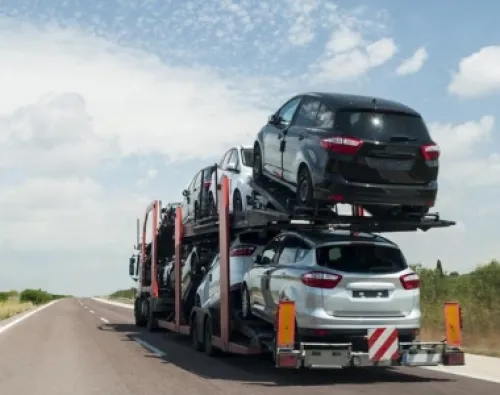

Auto transport pricing can feel like a mystery at times. There is confusion about how car shipping prices are determined. Two people shipping the same type of car between the same cities can receive quotes that differ by several hundred dollars. The same thing happens when you request quotes from several brokers for the same vehicle going to and from the same place.
Understanding vehicle transport pricing means recognizing that auto transport rates are built from a layered set of variables, each pushing the final number up or down. Knowing that information, you’ll be better prepared to narrow down the services you need, compare quotes, schedule your shipment, and avoid paying a premium.
Here are the 8 most important factors in auto transport pricing, ranked roughly by importance.
1. Distance and Route
Distance is the most important driver in understanding vehicle transport pricing, but the per-mile rate is not linear. Short hauls under 500 miles may cost more per mile than coast-to-coast routes. Carriers need to recover their fixed costs, including overhead and the time required to load and unload your vehicle, which is the same for both short and long runs. In 2026, pricing ranges from $0.60 to $2.00 per mile, with shorter moves at the high end of the range.
The route can matter as much as raw mileage. The interstate highway system has well-traveled "lanes" from Los Angeles to Chicago or Dallas to Atlanta, to name a couple. Shipping between two smaller cities, or along a route with one-directional flow, raises rates because carriers run more partial loads and deadhead miles.
2. Transport Type: Open vs. Enclosed
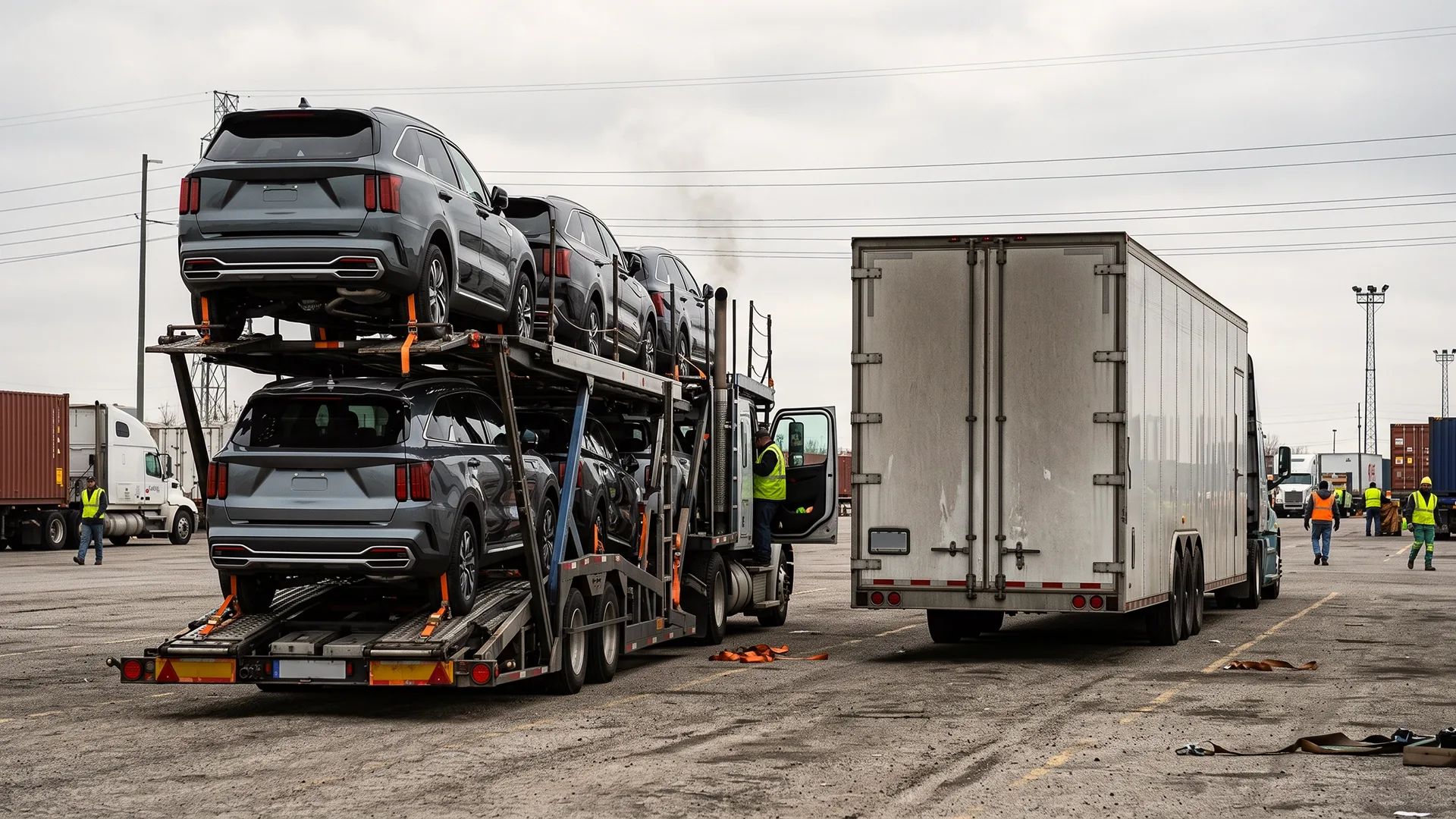
Open carriers are the multi-level trailers with cars that are seen on highways. They are the industry standard and carry up to 90 percent of the transport traffic.
Enclosed transport is trailers with roofs and walls that protect vehicles from weather and road debris. They carry fewer cars per load and cost 40 to 100 percent more than open transport. Enclosed transport is justified for classic cars, luxury vehicles, and other vehicles when exposure to weather poses a risk to the vehicle.
3. Vehicle Size and Weight
Interstate carriers operate under federal weight limits, specifically, the 80,000-pound gross vehicle weight (GVW) maximum for the tractor-trailer combination. There are also more specific weight limits on each axle, and each vehicle on the trailer consumes a share of that limit.
A 3,200-pound compact sedan weighs half as much as a 6,500-plus-pound three-quarter-ton pickup or large SUV, so the carrier needs to charge more to move heavier vehicles down the highway. When deciding whether to accept a vehicle, carriers need to ensure the vehicle does not cause the truck to exceed the weight limit and that the load is balanced across the axles.
Full-size trucks and large SUVs carry a $100 to $300 surcharge over sedans, and modified vehicles that don't fit in standard loading positions incur even higher premiums, sometimes requiring costly specialized carriers.
4. Timing and Seasonal Demand
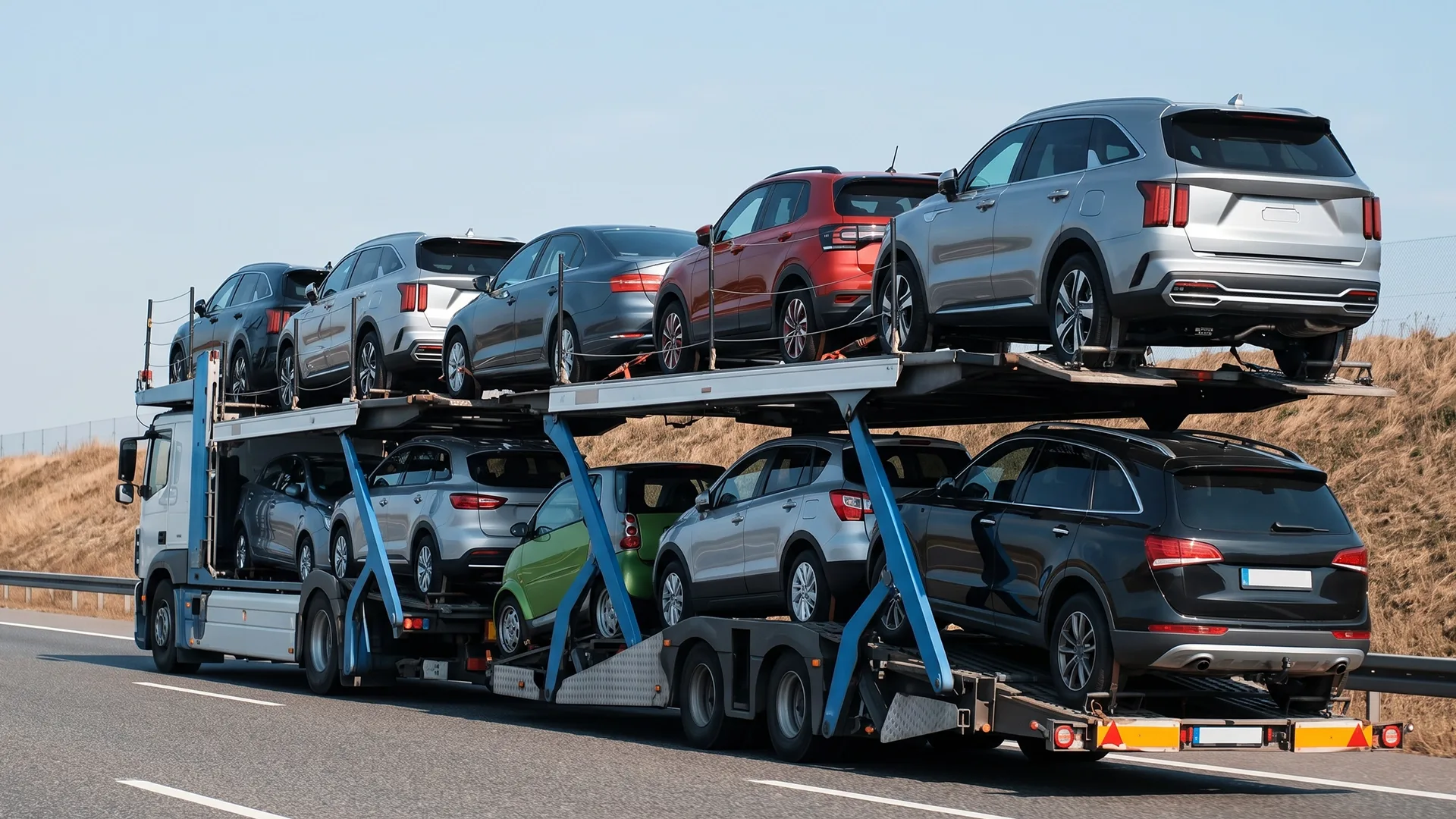
The auto transport industry is cyclical and does not always carry the same volume of traffic in both directions. Spring and early summer are the peak season due to families relocating before school, snowbirds completing their annual migration, and graduating students moving across the country. Rates climb during those periods, and pickup windows lengthen.
Late fall and winter have softer demand and greater carrier availability across most of the country. Routes to Florida and the Sun Belt remain busy year-round, but not the return. Booking during slower periods leads to savings. Booking two to three weeks in advance rather than at the last minute also works in your favor.
5. Pickup and Delivery Location
Routes between major population centers tend to be cheaper because many carriers operate along them. Shipments going to rural areas, mountain towns, or anywhere well off the interstate highways add miles and complexity that carriers price into the job.
You can choose terminal-to-terminal service (dropping your vehicle at a carrier's yard rather than having it picked up door-to-door) to reduce costs, though it requires you to take the car to and from the terminal yourself. Most customers opt for door-to-door service and pay the difference for the logistical convenience.
6. Vehicle Operability
Inoperable vehicles cost more to ship because they require a winch, a forklift, or specialized loading equipment to load them onto the truck. There’s more labor involved. Inoperable vehicle surcharges run $150 to $300 above the norm, and carrier availability is limited because not all car haulers have winching equipment.
If you have mechanical issues with your vehicle, tell them up front. Otherwise, they might charge you extra at the last minute or charge a cancellation fee after they refuse to take your vehicle.
7. Fuel Prices
Fuel is a high variable cost for carriers, and auto transport rates are quick to react to price swings. While most carriers build some fuel volatility into their pricing, others include fuel surcharges in your contract and final bill. Either way, as fuel prices rise and fall, so does the price of auto transport.
8. Broker vs. Direct Carrier Booking and Market Conditions
Most consumers book through brokers rather than directly with carriers. Brokers provide a service by working through the industry load boards, identifying vetted carriers traveling your route, and assigning them to your job. They also manage the carrier during the transfer and keep you apprised of the shipment’s status.
The quoted fee includes the broker’s fee and is not an additional charge. Other broader market conditions, such as fleet availability and driver shortages, also impact rates.
Understanding Your Quote: Guaranteed Pricing, Deposits, and What to Watch For
Understanding how car shipping prices are determined helps you get a better quote for your specific vehicle transportation. Auto transport quotes come in two flavors:
- Estimated Pricing: Estimated quotes are more common and are not binding. If carrier availability is tight when your pickup window arrives, the broker may need to renegotiate, or the shipment may sit until an available carrier becomes available.
- Guaranteed Pricing: This locks in the rate, though it is often higher to reflect the risk they take on. If you have a hard timeline and zero tolerance for price changes, choose guaranteed pricing.
Reputable brokers generally collect a small deposit at booking, typically $100 to $200, with the remainder paid to the driver at delivery in cash or by certified check. Be wary of companies that require full payment before a carrier has been assigned. Note, however, some companies accept full payment upfront by credit card because many customers do not want to deal with the cash or certified check requirement.
Estimated Car Shipping Cost Comparison by Distance and Carrier Type
Transport Distance |
Open Carrier Average Price |
Enclosed Carrier Average Price |
|---|---|---|
Short Distance under 500 miles |
$600 to $850 |
$900 to $1,250 |
Medium Distance 500 to 1500 miles |
$800 to $1,400 |
$1,150 to $2,050 |
Long Distance over 1500 miles |
$1,100 to $1,600 |
$1,550 to $2,600 |
How We Help Get You Where You're Going
Understanding and executing vehicle transport is our core business. As a leading broker, Nexus Auto Transport has a nationwide network of vetted carriers who understand and are experienced with all aspects of vehicle transfers. Contact us for a quote and see how our 3-step process makes it easy for you from start to finish.
Instant Quote: https://nexusautotransport.com/car-shipping-calculator/
FAQs
Why do auto shipping rates fluctuate between summer and winter?
Differences in demand are caused by relocations during summer vacations, snowbird traffic, and graduating students returning home or moving to a new city. Most customers understand these seasonal differences in demand.
It is sometimes harder to understand issues of directionality. While routes to Sun Belt destinations stay busy year-round, the same volume of traffic does not always go the other way, so carriers return with partial or empty loads, which bring costs they need to recover.
Is the fuel surcharge already included in my initial transport estimate?
It depends on the company. You should always ask about fuel surcharges and other hidden costs upfront. Most national brokers embed a fuel component into their base rate rather than listing it as a separate line item, so the quoted price is all-in.
What happens to the final price if a vehicle becomes inoperable just before pickup?
The price goes up. Inoperable surcharges typically run $150 to $300 above the original quote. If the carrier assigned to your shipment doesn't have winching equipment, the broker may need to reassign the load to a carrier that does, which could delay your pickup window by several days.
How does terminal-to-terminal transport pricing compare to door-to-door service?
Terminal-to-terminal is generally $75 to $150 cheaper on mid-range routes, but that savings comes with trade-offs. With terminal service, you drive the vehicle to a carrier's yard in the origin city and retrieve it from a yard in the destination city. That means extra trips for you that need to occur during the terminal's operating hours. Terminals are also concentrated in major metros, so if you're not near one, the cost advantage evaporates quickly.
Door-to-door delivery costs more because the carrier must leave the highway, navigate tight residential streets, and deal with access issues such as low-hanging trees, cul-de-sacs, and HOA restrictions. Most consumers consider door-to-door service worth the modest premium.