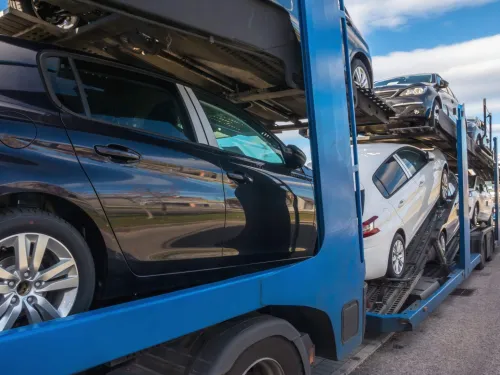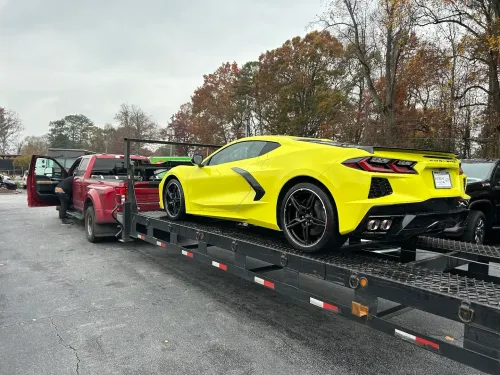

When customers start planning vehicle shipping, one of the first questions they ask is why pricing seems to rise or fall so often. While many factors influence transport costs, fuel prices remain one of the biggest and most direct contributors to fluctuations in auto transport rates.
At Nexus Auto Transport, we believe in full transparency when it comes to pricing. Fuel costs don’t just impact gas station receipts; they affect every mile a carrier drives, every route that’s scheduled, and ultimately the final quote you receive. Understanding how fuel prices shape the vehicle shipping market can help you plan smarter, choose the right timing, and avoid surprises.
Let’s break down exactly how fuel prices influence transport rates and what that means for customers.
Why Fuel Prices Matter So Much in Auto Transport
Fuel is one of the largest operating expenses for the trucking industry. Auto transport carriers rely on large commercial trucks, often hauling multiple vehicles at once, and these trucks consume significant amounts of diesel fuel over long distances.
Even a small increase in fuel cost per gallon can create a major difference in total trip expenses. Since carriers travel hundreds or even thousands of miles, fuel becomes a key pricing component in every shipment.
For customers, this means transport rates are closely tied to national fuel trends.
Fuel Surcharges: How They Work
Most auto transport pricing includes what’s known as a fuel surcharge. This is a variable fee added when fuel prices rise above normal levels. Carriers apply this surcharge to compensate for increased operating costs, ensuring they can continue running routes efficiently.
Fuel surcharges are not arbitrary, they are based on:
Current diesel price averages
Shipping distance
Load size and weight
Route demand
So, when fuel prices jump suddenly, rates often increase shortly after.
Fuel Price Spikes and Seasonal Rate Changes
Fuel prices don’t rise in isolation. They often increase during peak travel seasons, such as:
Summer months
Holiday periods
Times of high consumer demand
These are also the busiest times for vehicle transport. When demand is already high, rising fuel costs can push rates even further upward.
This is why the overall car shipping cost tends to be higher during the summer compared to winter.
How Distance Amplifies Fuel’s Impact
The farther your vehicle needs to travel, the more fuel will be consumed, and the more noticeable the pricing effect becomes.
Long-distance routes naturally require more diesel, more driver hours, and more logistics. For example, if you're planning cross country car shipping, fuel prices can represent a significant portion of the total transport rate.
Shorter routes may experience smaller changes, but long-haul shipments are far more sensitive to fuel fluctuations.
Vehicle Type and Transport Method Also Matter
Fuel costs affect all shipments, but certain vehicles require more resources:
Larger SUVs and trucks add weight
Oversized vehicles reduce trailer capacity
Enclosed shipping adds wind resistance and weight
Because carriers must use more fuel when hauling heavier loads, these shipments often cost more when fuel prices rise.
This is also why customers sometimes ask about the cost to ship a car per mile, since fuel expenses grow proportionally with distance.
Carrier Availability and Fuel Costs
Fuel price increases don’t just raise costs, they also influence how many carriers are available on the road.
When diesel prices are too high, some small carriers may reduce trips or avoid low-paying routes. This limits capacity and increases competition for available drivers.
If you’re working with an experienced auto transport company, they can help secure a driver quickly even when fuel spikes affect the market.
Shipping to Another State During High Fuel Prices
Many customers relocate and need to ship a car to another state, often with limited flexibility on timing. Fuel price volatility can make that move more expensive than expected.
Planning ahead and booking early is one of the best ways to lock in a competitive quote before fuel costs rise further.
Comparing Auto Transport vs. Driving or Towing
When fuel prices rise, some customers consider alternatives like driving the car themselves or trying to tow a car a long distance. However, towing comes with its own fuel burden, often worse due to reduced fuel efficiency, added wear, and rental costs.
Auto transport remains one of the safest and most cost-effective solutions, especially for long-distance moves.
Shipping Multiple Vehicles Can Reduce Fuel Cost Per Car
Fuel prices affect every carrier trip, but customers shipping more than one vehicle may benefit from better overall efficiency.
Many carriers offer discounts for shipping multiple vehicles because they can fill more trailer space on a single route, spreading fuel expenses across several cars instead of one.
Timing and Delivery Speed
Fuel prices can also influence delivery schedules. During periods of high fuel costs, carriers may:
Consolidate routes more tightly
Wait for full loads
Avoid less profitable areas
This can impact timing, leading some customers to ask how long it takes to ship a car, depending on market conditions.
At Nexus, we provide realistic delivery estimates based on real-time carrier availability and route conditions.
How Nexus Auto Transport Helps Customers Navigate Fuel Changes
At Nexus Auto Transport, we monitor fuel trends daily and work closely with trusted carriers nationwide to provide:
Accurate quotes with no hidden fees
Competitive pricing even during fuel spikes
Transparent explanations of cost factors
Flexible scheduling options
Fuel prices are beyond anyone’s control, but smart planning and a reliable transport partner make all the difference.
FAQs About Fuel Prices and Auto Transport Rates
Do auto transport rates go up immediately when fuel prices rise?
Not always instantly, but most rate increases follow within days as carriers adjust for higher diesel expenses.
Can I avoid fuel surcharges?
Fuel surcharges are common industry-wide, but booking early and choosing flexible pickup dates can help reduce total cost.
Does enclosed transport cost more when fuel prices rise?
Yes, enclosed carriers often consume more fuel due to added trailer weight and reduced aerodynamics.
Is it cheaper to ship multiple cars together?
Yes, transporting more than one vehicle at once often lowers the per-vehicle expense and improves carrier efficiency.
Are long-distance shipments affected more by fuel prices?
Absolutely. Longer routes use significantly more diesel, making fuel one of the biggest pricing factors for coast-to-coast shipping.
Should I wait for fuel prices to drop before shipping?
If your schedule allows, waiting for stable fuel periods can help, but demand and seasonality also matter, so it’s best to request a quote and compare timing options.
Final Thoughts
Fuel prices play a major role in auto transport costs because carriers rely on diesel-powered trucks to move vehicles efficiently across the country. When fuel costs rise, transport rates often follow, especially for long-distance routes and high-demand seasons.
By understanding these dynamics and working with a trusted provider like Nexus Auto Transport, you can plan smarter, book with confidence, and secure the best possible rate regardless of market shifts.