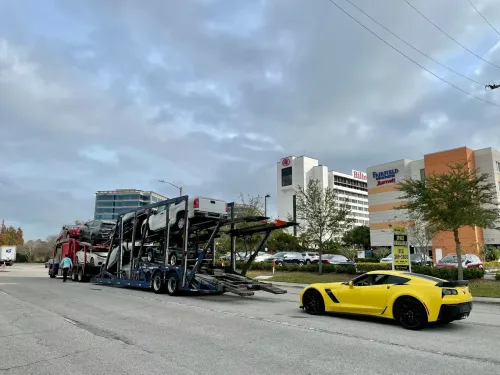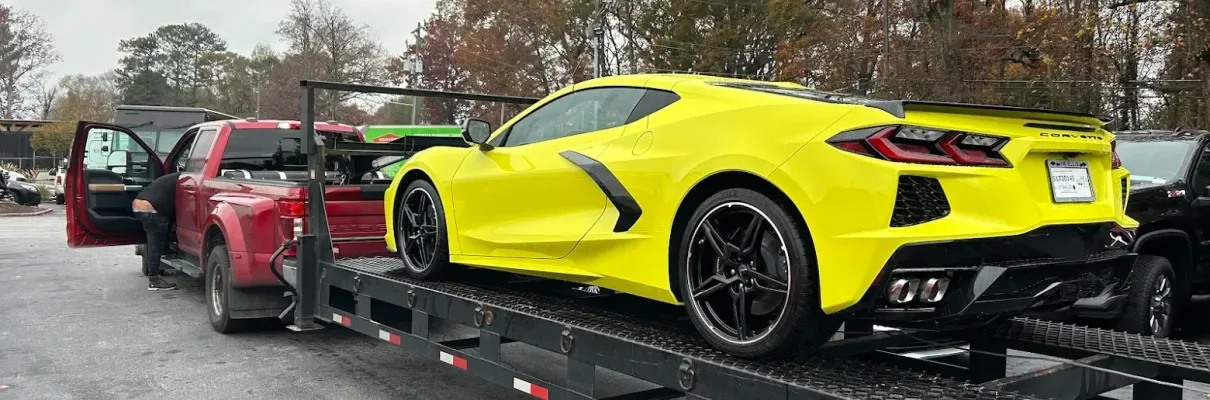

When the average consumer ships a car, they ship one vehicle at a time. However, a significant segment of the market ships more than one vehicle at a time. Multi-vehicle transportation is a specialized service that serves a range of customers, including families relocating and dealerships moving inventory in bulk.
Since multi-vehicle shipping has numerous advantages over single-vehicle shipments, it is worth understanding its processes and best practices before you book your next shipment.
Who Ships Multiple Vehicles?
The range of customers shipping multiple vehicles at a time is broader than most people expect. Among the different groups that use these services are:
- Families relocating long distances. These are often families with two or more cars who want to avoid driving multiple vehicles across the country or making multiple trips.
- Snowbirds. Retirees or seasonal residents who split time between two states and want to move their vehicle fleet as they migrate north and south.
- Vehicle collectors and enthusiasts. This group moves several cars at a time after acquisition or takes them to shows or seasonal garages.
- Group moves. Roommates, military families, or co-workers transferring to the same or similar locations sometimes coordinate their shipments to unlock volume pricing.
- Auto dealerships. Manufacturers and dealers are the heaviest users of multi-vehicle transportation due to shipping new vehicles to dealers, buying used vehicles from auction, and transferring inventory between store locations.
- Fleet operators. Rental car companies, construction firms, and corporate motor pools routinely ship vehicles in batches when deploying equipment, retiring old vehicles, or redistributing assets.
The Core Benefits
The two primary benefits of multi-vehicle shipping are cost savings and simplified logistics.
Cost reduction per vehicle
Several vehicles shipping services to the same destination (or along the same corridor) can spread their fixed costs such as fuel, driver time, insurance overhead, and booking fees across multiple units, which allows them to price their services more aggressively.
Most carriers and brokers offer volume discounts, such as 10 to 15 percent off when shipping two vehicles, and 20 percent or higher when shipping three or more vehicles. On a standard cross-country open-carrier shipment that runs $1,100 to $1,400 per vehicle, those discounts can result in significant savings per car.
Simplified logistics
Instead of coordinating multiple pickup windows, fielding calls from different carriers, and tracking vehicles on each carrier's platforms, customers shipping multiple vehicles with a single booking only must deal with one dispatcher, one insurance policy, and one delivery window.
The logistics issues are especially important for dealers and other commercial entities that pay interest on the value of their vehicles. For them, time is money, and reduced paperwork, staff time, and faster transfers translate into savings.
How the Process Works
Shipping several vehicles follows the same pattern as single-car transport, except the process covers more than one vehicle.
- Consolidated quote request. On a combined quote, the shipper submits the make, model, year, and condition of each vehicle, along with their pickup and delivery locations and preferred dates. They also specify whether they want open or enclosed transport. Brokers, who are intermediaries between the shippers and licensed carriers, often take the request through online forms or by phone.
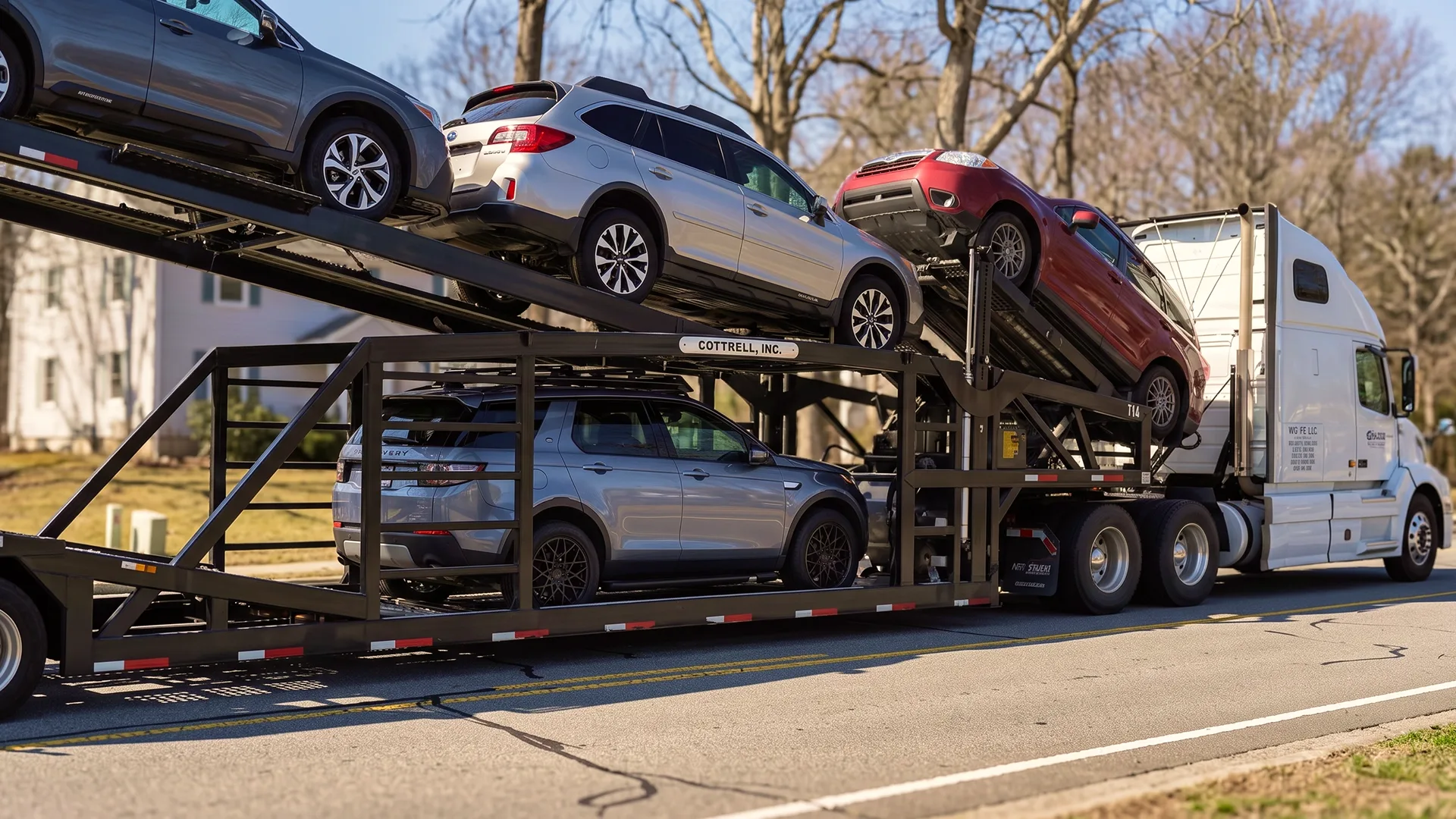
- Carrier matching. The broker or carrier matches the shipment with a particular car hauler, carrier, or carrier network. For multi-vehicle moves involving two to four cars, a single standard open-car hauler takes the load along with other customers' vehicles on shared transport. For larger commercial moves, a dedicated trailer may be reserved, giving the shipper full control over pickup and delivery timing.
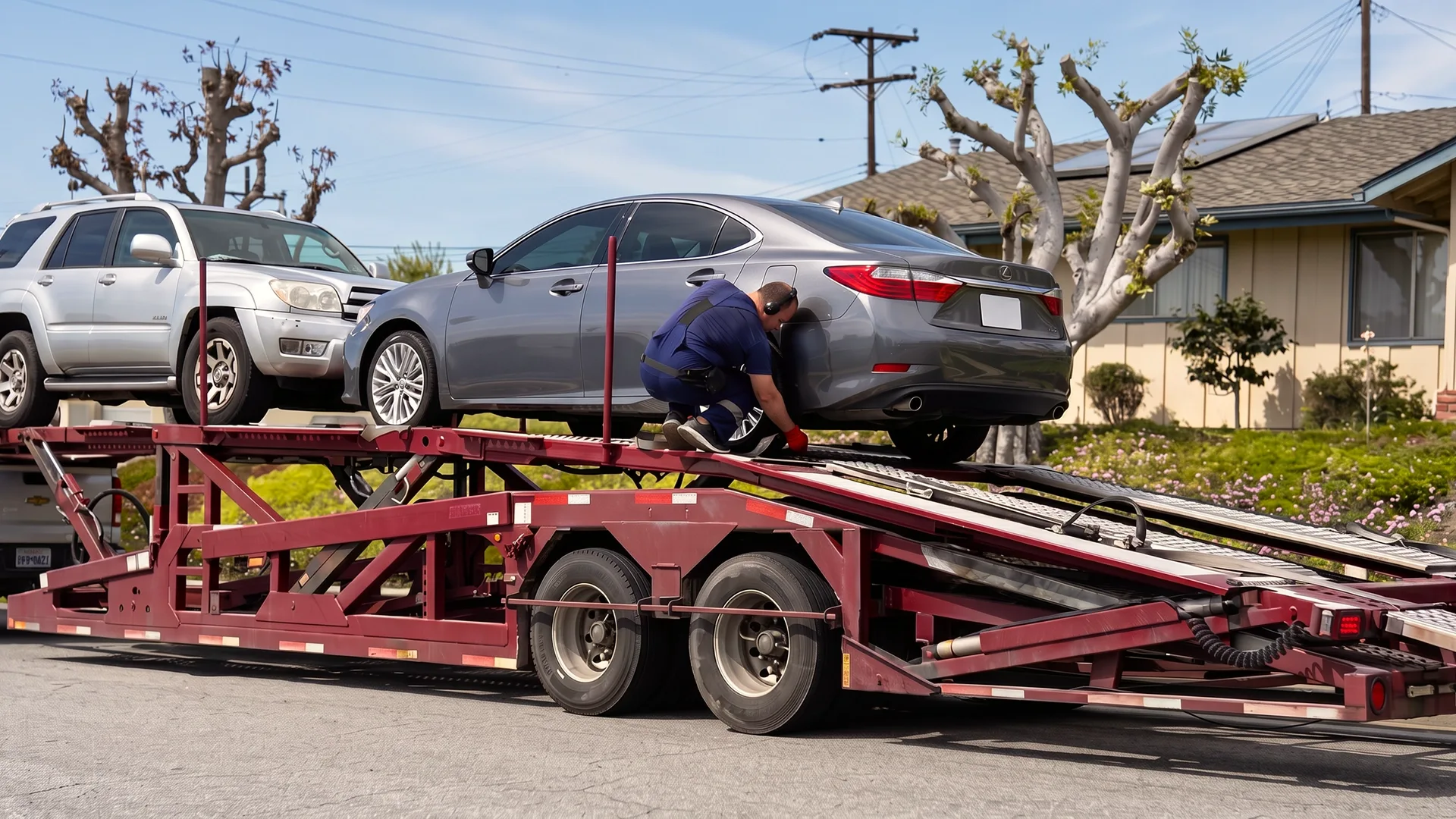
- Inspection and documentation. When the driver picks up the vehicle, they photograph and note pre-existing damage on the Bill of Lading before loading it. Digital inspection tools that timestamp and geo-tag each photo are common to make or resolve damage disputes.
- Communication. During transit, reputable carriers now offer tracking, either through GPS-enabled updates or carrier check-ins communicated through the broker's platform.
- Inspection and delivery. Upon arrival at the destination, the driver performs a final inspection and confirms the condition of each vehicle against the Bill of Lading. The customer either signs off on the inspection or notes the appearance of additional damage before signing.
Best Practices for Shippers
A few steps help those shipping multiple vehicles obtain the best pricing and remove stress during the shipping process.
Consolidate pickup and delivery locations when possible
You can make the carrier more efficient and obtain better prices by having all your vehicles picked up from one address and delivered to another. You may need the vehicles moving to or from more than one location, but you pay for that service through higher fees.
Commercial clients who are open to dropping vehicles at a terminal or staging lot often receive better rates.
Provide a flexible pickup window
Customers who need all vehicles picked up on or delivered by a particular date have less negotiating leverage. Offering a five- to seven-day window for pickup often saves 15 percent or more compared to hard-date requests.
Verify insurance coverage scales with vehicle count
The carrier's cargo insurance policy typically has a set amount of coverage for all the vehicles being transported. The policy easily covers a bump or bruise that affects an individual car, but when a serious accident occurs, the policy may not fully cover the damage to all the vehicles on the trailer. Always check the carrier's insurance and confirm they have enough insurance to cover the load.
Alternatively, you can buy trip-specific supplemental insurance, or, in the case of many dealers, you can rely on your blanket cargo insurance coverage.
Disclose everything upfront
Modified vehicles, inoperable cars, oversized trucks, lowered suspension, and roof racks affect whether and how a vehicle loads onto a trailer.
Undisclosed modifications the driver discovers at pickup can delay the shipment, trigger additional fees, or lead to a vehicle being rejected.
Many of these issues can be addressed in advance by assigning a carrier equipped to handle those situations, but the broker and carrier need to be aware of them. Transparency at booking prevents headaches on pickup day.
Book early
Multi-vehicle shipments requiring a dedicated trailer or tight delivery schedules benefit from additional lead time. Shipments to or from remote locations and tight pickup or delivery windows need more than the two to three weeks needed for shipments on a well-traveled route to major cities.
The point is that multi-vehicle shipping isn't just a volume discount. It requires a coordinated logistics process that helps reduce costs and timelines and simplifies what can be a complicated process for the shipper and carrier. Your willingness to help the broker and carrier also helps you.
How We Help with Multi-Vehicle Transport
Understanding and executing multi-vehicle transport is a core part of our business. As a leading broker, Nexus Auto Transport has a nationwide network of vetted carriers who understand and are experienced with multi-vehicle transfers. Contact us for a quote, as our 3-step process makes it easy for you from start to finish.
Instant Quote: https://nexusautotransport.com/car-shipping-calculator/
Estimated Cost Savings for Multi-Vehicle Shipping
Service Type |
Route Distance |
Average Cost for One Vehicle |
Average Cost per Vehicle for Multiple Cars |
Average Savings Percentage |
|---|---|---|---|---|
Short Distance (< to 500 miles) |
< 500 mi |
$600 to $800 |
$510 to $700 |
10 to15% |
Medium Distance (500 to 1500 miles) |
500 to 1,500 mi |
$800 to $1,200 |
$680 to $1,020 |
15 to 20% |
Long Distance (>1500 miles) |
1,500 to 2,800 mi |
$1,100 to $1,600 |
$880 to $1,280 |
15 to 20% |
Expedited Hauling |
Any distance |
$1,500 to $2,500 |
$1,275 to $2,125 |
10 to 15% |
Heavy-Duty Towing |
Any distance |
$1,200 to $3,000+ |
$960 to $2,400 |
10 to 20% |
FAQs
Is there a standard discount applied when shipping more than one vehicle on the same route?
There is no single universal discount that comes with multi-vehicle shipping. There are consistent pricing patterns, but your discount depends on the specifics of your situation. For example, many brokers and carriers offer consumers a 10 to 15 percent discount for two cars, stepping up to around 20 percent for three or more. Some carriers use flat-dollar credits rather than percentages.
Most advertised multi-vehicle discounts require that all vehicles share identical pickup and delivery locations, and they must be transported on the same load.
Commercial customers consolidating three or more units into a single load regularly can receive discounts of 30 percent, and those committing to consistent volumes and schedules can negotiate further discounts.
Can different vehicle types such as an inoperable classic car and a heavy SUV be shipped together on the same trailer?
Yes, they can share a trailer in most cases. Still, the answer depends on what "inoperable" means, how valuable the classic is, and how the carrier manages weight distribution and loading sequence.
The auto transport industry uses the RBS rule for non-running vehicles: does the car roll, brake, and steer? A classic car that doesn’t start but rolls freely and has functional brakes can be loaded with a winch.
That winching process takes 30 to 45 minutes versus five to ten for a running car, so carriers charge $150 to $300. If the classic fails the RBS test, the carrier may need a flatbed or forklift assistance to lift the vehicle onto the trailer, leading to the need for a different trailer.
A standard open car hauler carries seven to ten vehicles across two decks. Each deck position has its own weight limit, and the driver must balance the load. Many vehicle combinations are workable if the total weight falls within the trailer's gross vehicle weight rating.
How does insurance coverage apply to multiple vehicles transported under a single contract?
As noted in the article body, the carrier's cargo policy has a single aggregate limit, not a per-vehicle limit. Booking multiple vehicles under one contract consolidates the administrative relationship, but it does not create individual insurance coverage for each vehicle. The coverage that applies to vehicles being shipped is:
- Carrier cargo liability is the base level of insurance.
- Full-value protection, an optional upgrade that ties coverage to a vehicle's declared value rather than a flat policy limit.
- The third is broker contingent cargo insurance, which certain brokers carry as a backstop. This kicks in if the carrier's primary cargo policy is denied because the carrier let a premium lapse or violated a policy condition.
- The fourth is personal auto insurance, which applies only when the customer has a special rider that covers the vehicle while in transit, which is typical only of collector cars.
Can multiple cars be delivered to different addresses within the same destination metropolitan area?
A standard nine-car open hauler works most efficiently on a single origin-to-destination run. For each run, the carrier must load vehicles in a sequence that balances the weight across the trailer's decks.
For each additional delivery, the driver must navigate to a new address, offload one or more vehicles, re-secure the load, re-balance the trailer if necessary, and then continue; all of which takes time. When delivering to multiple locations, the driver also needs to adjust the pickup sequence to minimize the need to offload vehicles multiple times on the trip.
Dealers or fleets distributing vehicles across multiple locations in a metro sometimes use terminal delivery. The final delivery occurs using smaller transport equipment (driveaway drivers, two- or three-car haulers, or dealer staff). Consumer multi-vehicle shipments often use one address as the delivery point, and they drive the second or third vehicles to their final location separately.