
There is a wide range of vehicles on the road today, and nearly as many types of trailers, RVs, and other towables, leading to confusion about which trailer hitch to install, how to install one, and trailer hitch installation costs. We’ll explore each of those topics here to help you narrow your search and dig further into the specific configuration that will work best in your situation.
Tow vs. Trailer Hitches
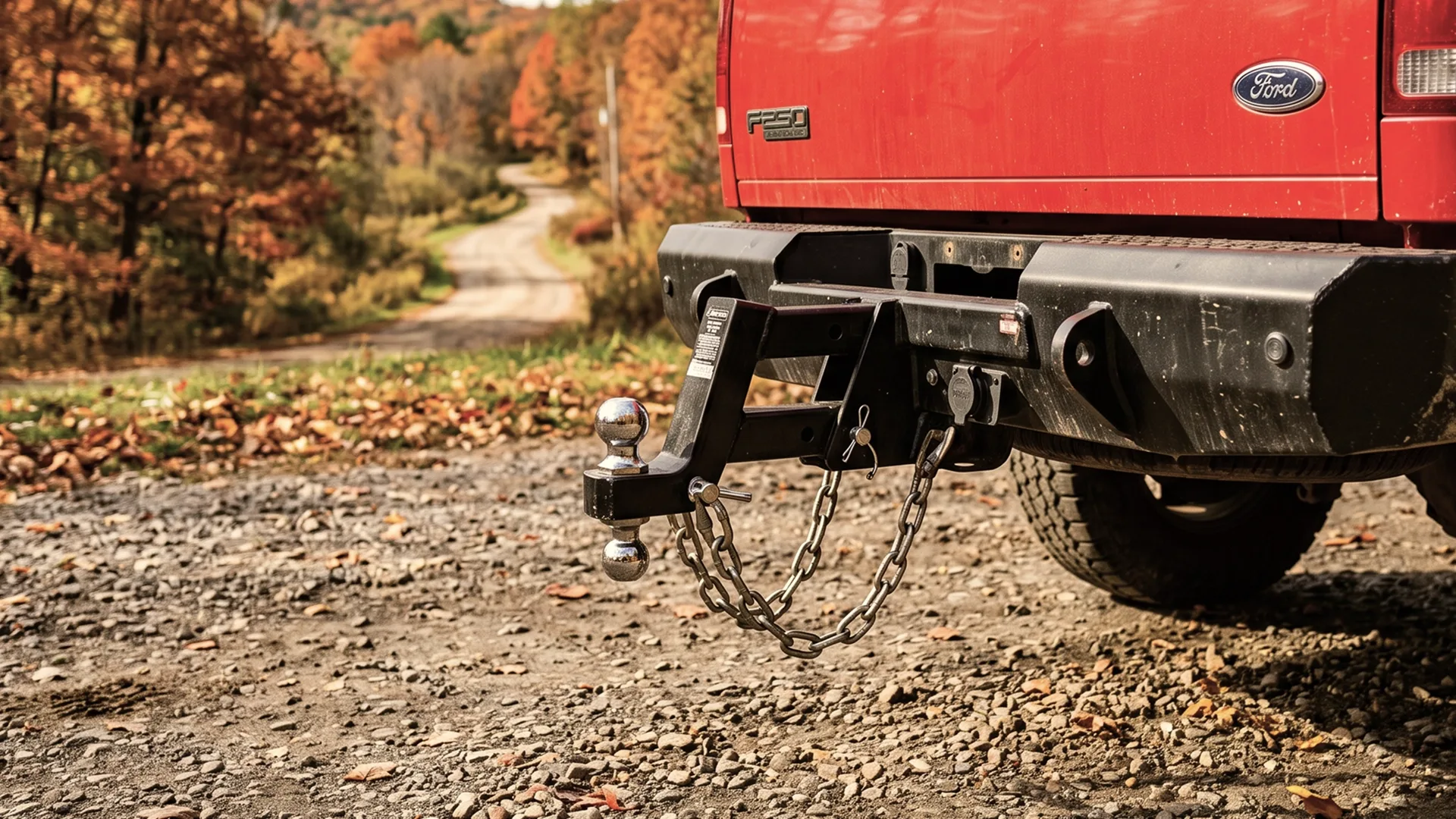
People use the terms tow hitch, trailer hitch, and receiver hitch interchangeably. They are the same thing, so don’t be concerned about which term is used. You may also hear people calling them receiver hitches.
Trailer Hitch Installation: Types of Hitches
Trailer hitch styles and sizes vary based on the trailers they're designed to pull, with the loaded trailer's weight being key. The tow hitch classification determines the weight you can tow with that hitch and affects your trailer hitch installation costs. Let's explore the different types of trailer hitches.
Class I Trailer Hitch
Class I trailer hitches are designed for lighter-duty towing and accommodate loads of up to 2,000 pounds. Class 1 trailer hitches are the least expensive and work well for small boats or utility trailers. The price to buy and install a Class I trailer hitch is $80 to $200.
Class II Trailer Hitch
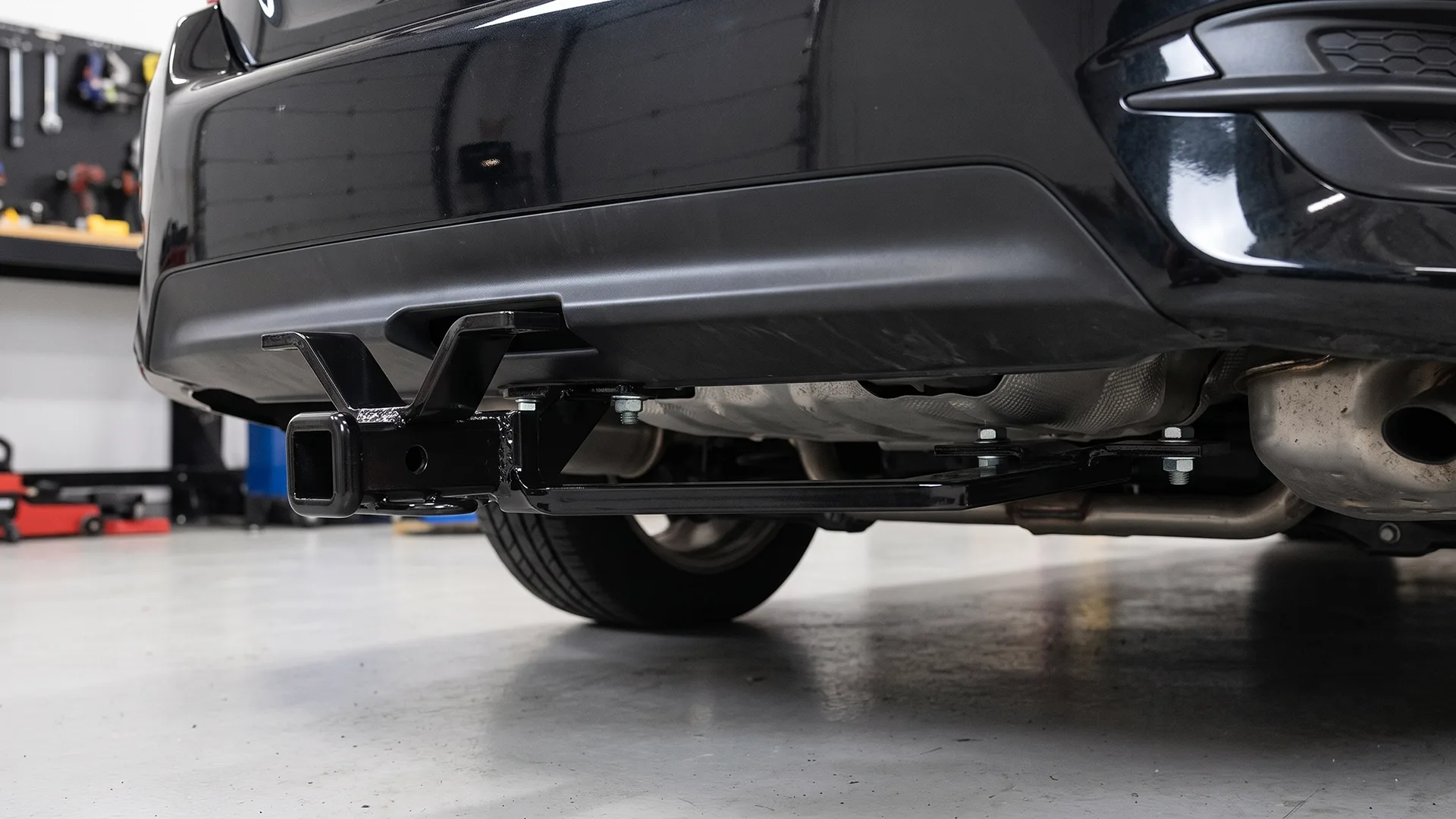
A Class II trailer hitch is ideal for medium-duty trailer towing, handling up to 3,500 pounds. Example medium-sized trailers include travel or small camper trailers. The price to buy and install a Class II trailer hitch is $150 to $350.
Class III Trailer Hitch
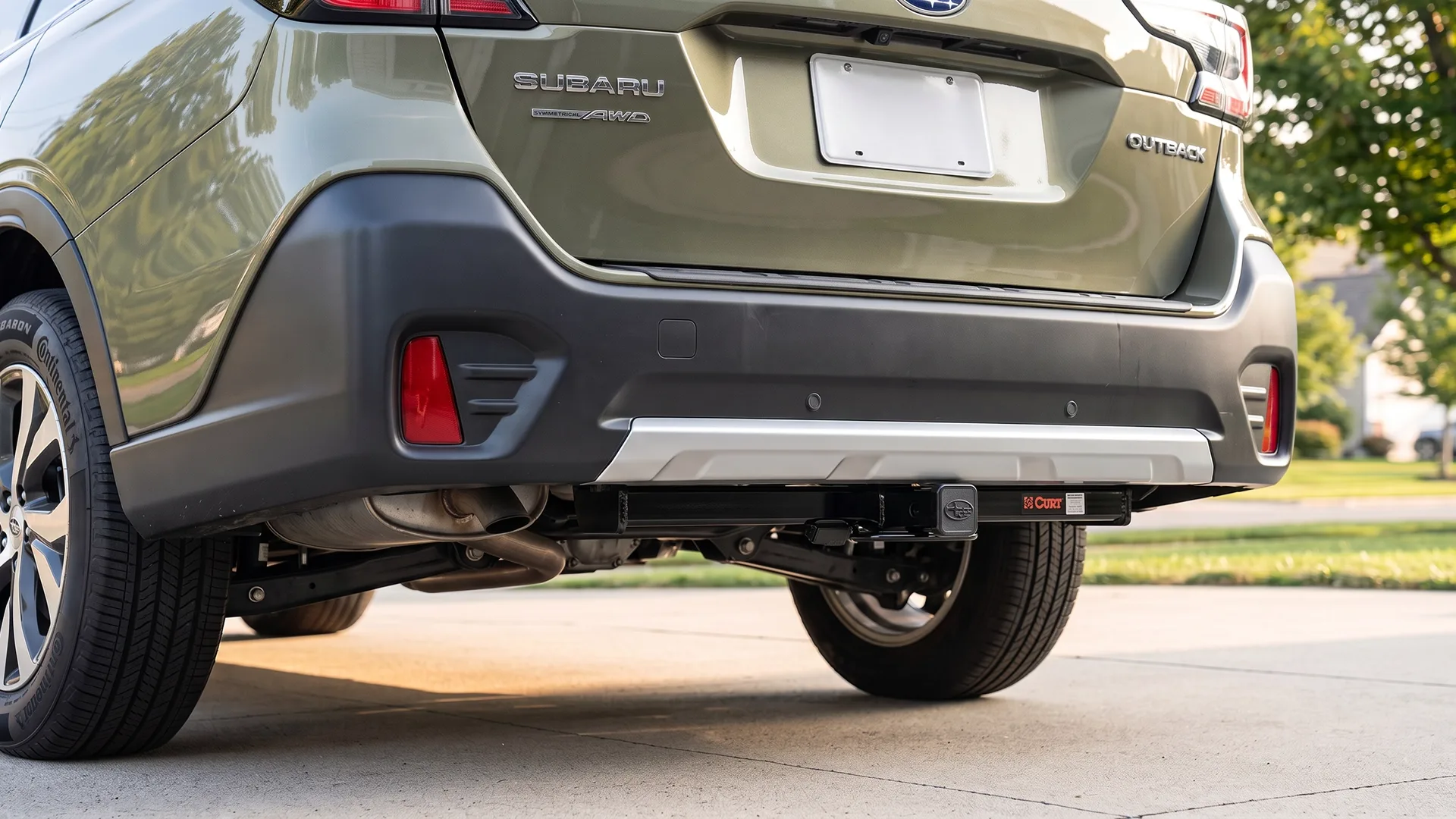
Class III trailer hitches are used for lighter heavy-duty towing, as they can support up to 8,000 pounds. Use these hitches for horse trailers and fifth wheels. The price to buy and install a Class III trailer hitch is $250 to $650.
Class IV Trailer Hitch
This type of hitch is designed for extremely heavy-duty trailer towing, up to 10,000 pounds. Class IV hitches are commonly used with commercial trailers and large RVs. The price to buy and install a Class IC trailer hitch is $350 to $800.
Most of the variation in cost across all four classes is due to the hitch price itself. Your price may increase depending on the bumper/fascia trimming required and whether the installation is performed at the specialist shop that regularly handles installations.
Trailers vs. Gooseneck vs. 5th Wheels
Standard travel trailers can be towed using a wide range of vehicles, while gooseneck and fifth wheels require pickup trucks (or larger commercial trucks). The connection point for travel trailers is a ball mount on the rear bumper, while the fifth wheel and goosenecks mount in the pickup truck bed.
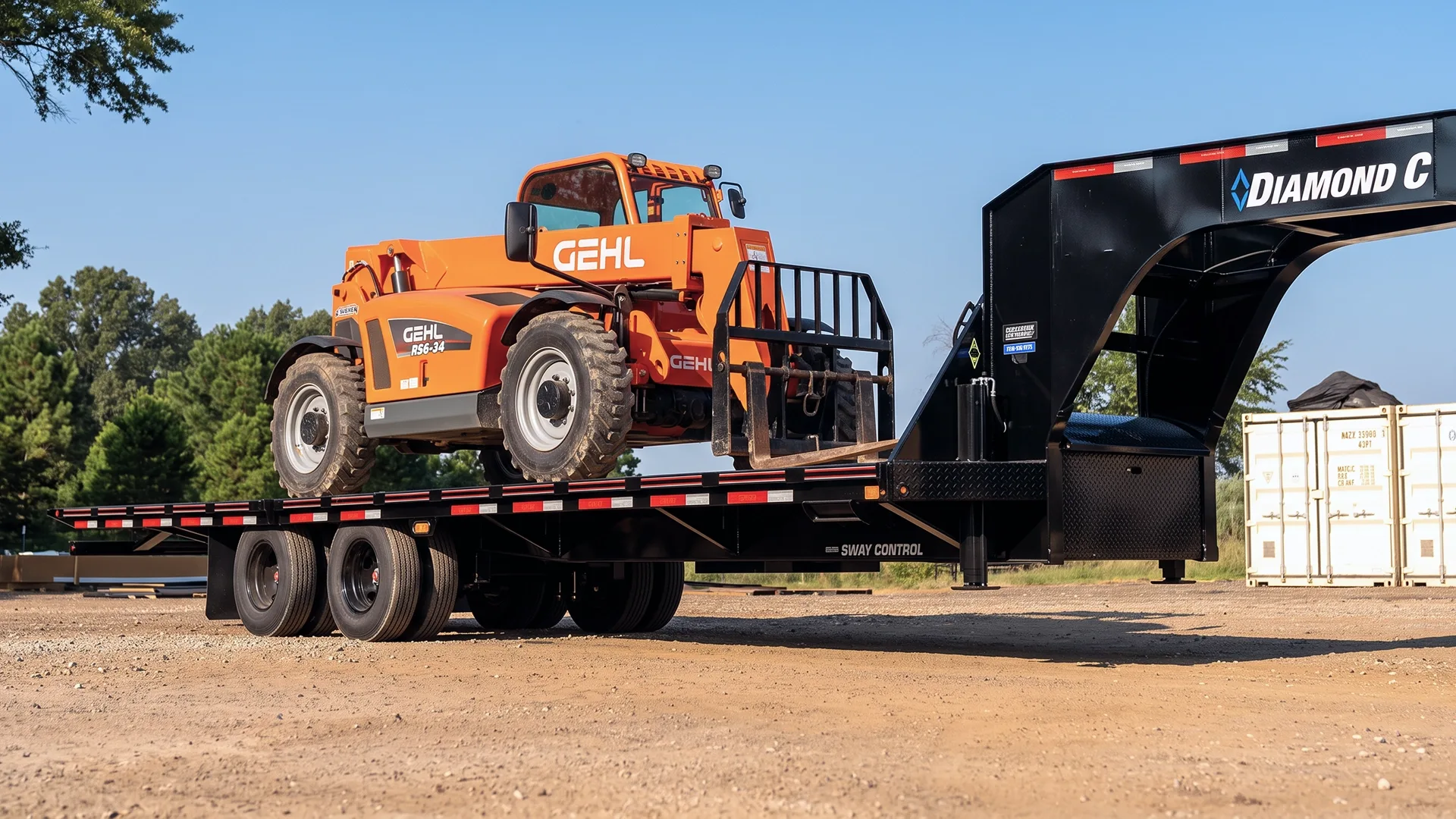
Fifth wheels have a ball that couples to the plate in the truck bed, like those on semi-trucks, while gooseneck trailers use a kingpin. They are used for heavier commercial and agricultural equipment.
Trailer Hitch Installation Process
Installing a travel trailer hitch is relatively easy if you have the tools and experience. Many people are better off having the job performed by a knowledgeable mechanic or trailer specialist. Hire a mechanic to do the job if you're not sure how to attach a trailer to a hitch after reviewing the manufacturer's instructions.
The first step in installing your hitch is to trim your vehicle's fascia (if required) to make room for the hitch. Trimming your car's heat shield might also be necessary to install your hitch. The shield sits above the exhaust pipe, blocking exhaust heat from reaching other parts of the vehicle’s underbody. Removing or trimming the underbody panel may be needed to create space for the new hitch.
Attaching the hitch to the vehicle may require two people since hitches are heavy. You'll need to bolt the hitch to the car's frame by lifting the hitch onto the frame and tightening the bolts.
Hooking Up the Trailer After Car Hitch Installation
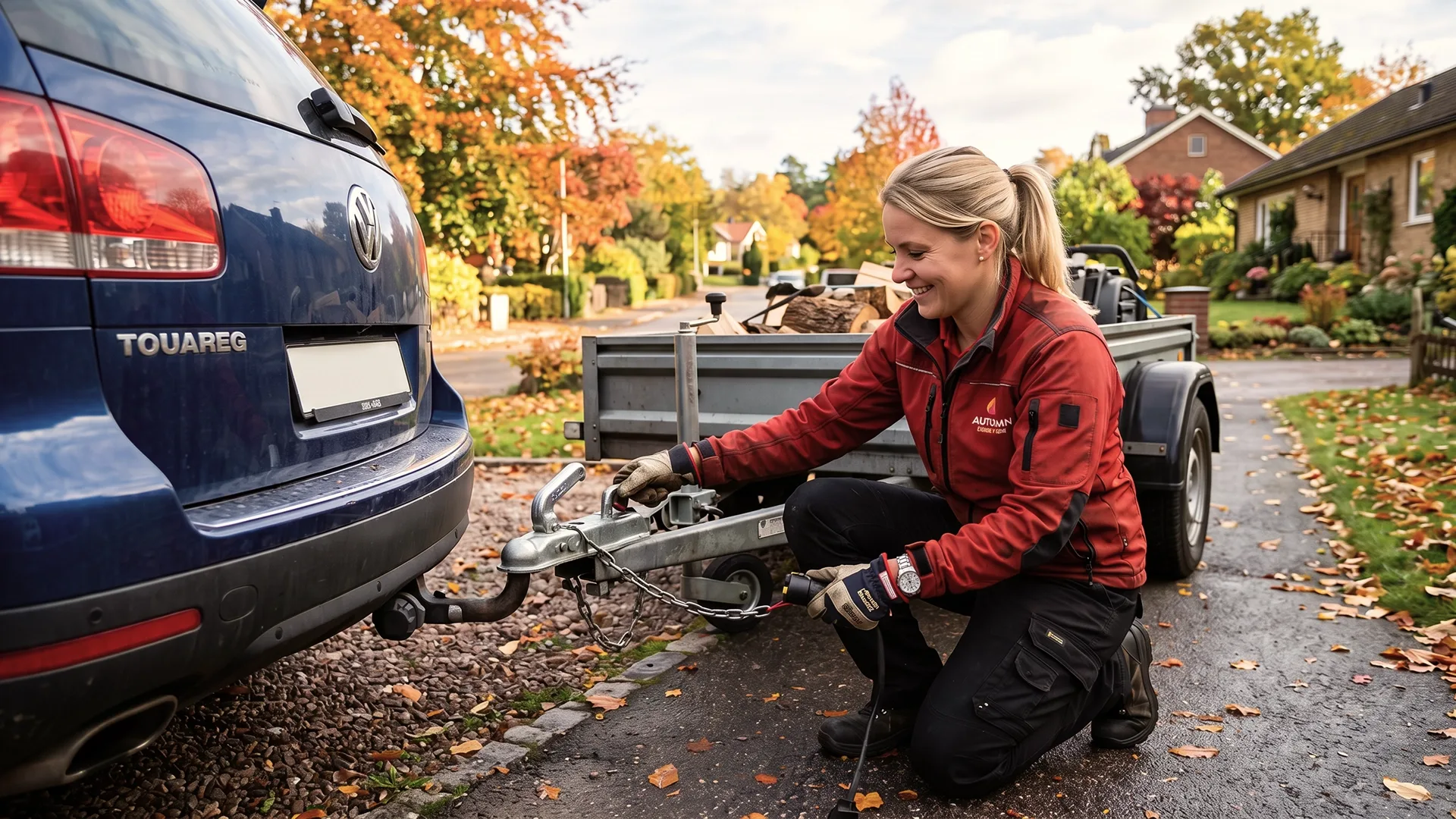
Hooking up a travel trailer after installing the hitch receiver is a breeze. Back up your automobile slowly until the newly installed hitch is one foot from the front of the trailer.
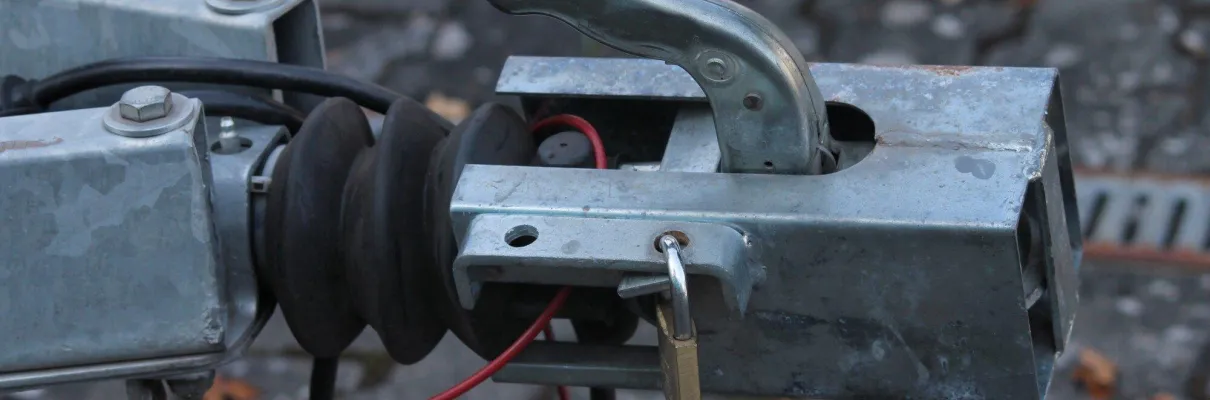
Rotate the trailer jack's handle until the coupler rests securely on your vehicle's hitch ball. The coupler connects the vehicle to the trailer, while the hitch ball is the spherical part on your hitch.
Push down on your trailer's latch and insert a lock or safety pin to keep your coupler from moving. At that point, you're ready to tow.
Fifth Wheel Installation Process
Installing a fifth wheel hitch involves several steps and usually takes several hours. First, you need to remove the bed liner, if you have one. Then, identify your mounting points and drill holes as needed. Next, you mount the rail kit, which requires considerable precision, then mount the head unit. The head unit is quite heavy, so this is a two-person job. The final steps in the basic installation involve the height adjustment and the wiring.
Fifth Wheel Hitch Installation Costs
The question "How much does a hitch cost?" also applies to fifth-wheel installations. Fifth-wheel units themselves cost between $200 and $2,000, depending on capacity and brand. In addition, the $100-$300 rail sets are often sold separately, plus installation costs often range from $350 to $650. So, fifth-wheel hitch installation costs vary as widely as the differences among trailer types.
Hooking Up a Fifth Wheel
Hooking up your fifth wheel after the trailer hitch installation is straightforward. First, open the kingpin latch and confirm the hitch head is at the height needed to accept the trailer's kingpin. Assuming you have chocked the trailer’s wheels, back up the truck so the kingpin slides into the jaw and locks. Verify the connection, secure the latch, and install the wiring.
Now, cross and attach breakaway/safety cables to the truck according to the trailer manufacturer's spec. Finally, lower the landing gear and verify that everything operates properly. Installing a fifth-wheel hitch might take three to seven hours.
Installing a Trailer Hitch: Where to Go
You have many options for installing a trailer hitch, though specialists are preferred for fifth wheel and more complex installations. Below are some of your many options:
Dedicated/Hitch towing shop: U-Haul and tow hitch authorized dealers are knowledgeable and often competitively priced
Auto parts stores
General auto repair shops
Auto dealers: best when you have warranty concerns
RV dealers
Transporting Your Trailer
While you would normally pull your trailer yourself, there are situations when you need to relocate or need someone to transport your trailer for you. One option is to hire a firm that specializes in transporting fifth-wheel trailers, known as fifth-wheel movers.
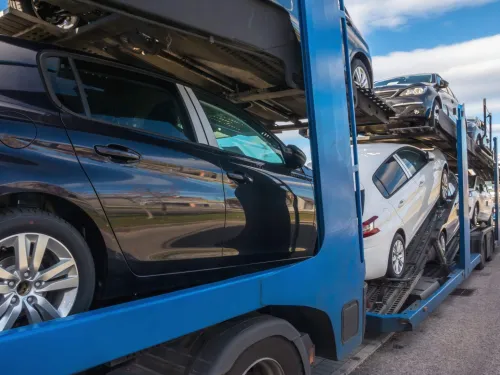
An alternative is a hotshot car transport service that transports your car, trailer, or whatever else fits on a flatbed to your new home. Door-to-door auto transport is the most convenient way to transport your vehicle. Auto transport companies let you choose specific pickup and drop-off addresses for your vehicle, so you don't need to go to a terminal to complete the transaction.
Cross-Country Car and Trailer Shipping
How much does long-distance car or trailer towing cost? Auto transport companies may charge between $700 and $1,050 to ship a car to a nearby state. Transporting a vehicle more than 1,300 miles costs between $600 and $4,100, but a car shipping calculator can help you determine your vehicle shipping costs with greater precision. The Nexus Auto Transport calculator prompts you for details such as your starting and ending locations, vehicle size, and pickup date, and uses the information to provide an estimated price.
Nexus also transports a variety of trailers using open and enclosed carriers. Contact Nexus today with questions or to receive a quote.
Trailer Hitch Installation Cost Breakdown
Cost Element | Typical Cost Range | Why Cost Changes |
Hitch unit (receiver or fifth-wheel hitch) | $30 to $2,000 | Hitch class (I to IV) versus fifth wheel; brand quality differences |
Installation labor | $50 to $400 | Vehicle type, frame access, fascia removal, and labor rate differences |
Wiring harness | $20 to $350 | Plug-and-play versus custom harness; need for brake controller |
Ball mount and towing accessories | $45 to $185 | Ball size and material quality |
Vehicle trimming or modification needs | $175 to $475 | Crossovers and cars need trimming; potential skid plate removal |
FAQs
What factors most increase trailer hitch installation costs?
The two most important factors affecting the costs of a trailer hitch installation are the hitch class/capacity and the type of vehicle it is installed on. The higher the hitch class, the higher the cost, so Class IV and V hitches are pricier than Class I-III hitches. Likewise, installing a hitch on SUVs, trucks, and minivans is generally more costly than on a sedan due to more involved bumper removal, frame access, issues, and wiring runs. Some vehicles require cutting or modifying the bumper/fascia.
Why does a fifth-wheel hitch installation cost more than a standard trailer hitch?
Installing a fifth-wheel hitch is generally more expensive than installing a standard trailer hitch due to heavier, more robust hardware, the need for a truck bed rail system, the potential need to remove the bed liner, the precision required for the kingpin height, and more complex wiring.
Does the type of vehicle affect the cost of a trailer hitch installation?
Yes. Unibody and crossover vehicles lack rails, so they require reinforcing brackets. They may also require cutting and removing the bumper/fascia, and vehicles with low ground clearance can be more difficult to work on without a lift. Also, working on luxury brands is almost always more expensive when using OEM parts.
How long does trailer hitch installation usually take for different hitch types?
Assuming there is limited bumper/fascia work needed and the wiring is straightforward, then the installation time estimates are:
Class I and II: 30 to 90 minutes
Class III to V: 1 to 2 hours
Fifth Rail: 2 to 4 hours
Gooseneck: 3 to 5 hours
Are extra parts or vehicle modifications sometimes needed during trailer hitch installation?
Yes, quite often. Common electrical parts you need to buy include a wiring harness, a 4-to-7-pin adapter, a brake controller, and the ball mount, hitch ball, and safety chain hooks. Vehicle modifications that may be needed include bumper/fascia trimming, heat shield modifications, skid plate removal (on off-road vehicles), and bolt hole drilling.