
When you’re just starting your car purchase search, it can be a bit overwhelming. Fixing a budget, evaluating different vehicle features, and deciding which trim will work best with your current lifestyle all require a bit of planning. Sometimes, a trip to the local dealer is all it takes to find a fantastic ride. Other times, drivers looking to save a bit of money and expand inventory options learn how to buy a vehicle from out of state.
When you buy a car from a neighboring state or across the country, you open up the possibility of better pricing, better condition, and better choices. However, it’s not as simple as clicking the “buy now” button and waiting for delivery. The moment you look for a used family car or truck with a decent bed outside your state, you’re taking on some new responsibilities.
Different states have varying verification rules, paperwork and documentation, and transportation requirements. Without understanding how those different pieces fit together, a purchase from another state can lead to costly mistakes. From vehicle color to delivery options, having the tools to make good decisions about your next used car purchase goes a long way toward getting the ride you want and saving some cash.
Why More Buyers Are Purchasing Vehicles Across State Lines
The fact is, the used car market across the country is far from consistent. The average used car buyer will spend about $26,000 on their vehicle. While that is close to $20,000 less than a new car, it still fluctuates state by state. What you pay for a smart sedan for your college-bound student in Mississippi can be thousands of dollars higher or lower in price than in New Mexico.
Then there is the inventory issue. Some regions, like Alaska and Alabama, don’t have much vehicle inventory. Even if they do, the cars don’t have consistent used car conditions. These factors impact pricing, pushing them higher for the same vehicle sold in another state.
Buying a used car in another state largely depends on finding the type of vehicle you want in a region with low competition. You have to look at the complexity of the purchase. You might find the perfect Kia four-door for starting a new family, but end up paying a lot more in the long run due to local registration fees, document fees, dealer or state taxes, and more. It’s all about seeing the bigger picture of the total value of your target used car and how smooth the process will be.
What You Need to Know Before Buying a Car Out of State
Before you secure financing or put a down payment on your used car, ask yourself:
Can you calculate the total cost of your vehicle? A lower purchase price for the exact used car you want in Idaho doesn’t mean a better deal. You have to account for transportation, inspection, fees, and taxes.
Can you verify the vehicle when you cannot see it in person? When you’re shopping for how to buy a vehicle from out of state, you’re relying on videos, photos, and documentation. That comes with increased risk of damage or hidden accident histories. Don’t forget that certain regions have weathering issues like rust, water damage, or sun bleaching, which can affect interiors and paint. These will lower the value of the used car.
Do you have all the right paperwork? Each state has its own title, registration, emissions, and tax requirements. A small mistake on any of this documentation can increase fees, make it much harder to secure auto transport, or lead to losing the deal. You want to dot the “I’s” and cross the “T’s.” That’s how you avoid seller scams or title issues.
How do you get your purchase home? After you’ve gone through all the pricing, taxes, and documentation, you still have to get your used car home. Coordinating the timing and budgeting for that expense is part of how to buy a used car in another state.
Like anything else you buy online or from afar, there are some challenges to getting a used car for your aging grandparents or a reliable car for morning commutes. You can save yourself a lot of hassle and cash by structuring how you make the purchase and focusing on the details.
Step-by-Step: How to Buy a Used Car in Another State
Step 1: Research Vehicles Nationwide
How to buy a vehicle from out of state begins with evaluating all your available options. Start with your base used car value from Kelley Blue Book. That will help you better examine pricing trends, how mileage impacts price, and what condition your car should be in.
As you search, pay close attention to regional issues such as rust in northern states and flood damage and high accident rates in southern states. Where your car comes from matters to its final condition.
The good news is that you’ll have greater access to a wider inventory of used cars. Shop around dealers, online marketplaces, auction sites, and private sellers. You never know when the grandma in Florida who only drove her Mazda6 on the highway for a few years wants to sell.
Step 2: Verify the Seller
The National Highway Traffic Safety Administration (NHTSA) reports that nearly 450,000 cars are sold each year with false odometer readings. That’s a terrifying number when you’re in the market for something that is reasonable and saves you money.
Take the time to confirm the seller's legitimacy to avoid common used car scams. Confirm licensing with dealerships and reviews from other buyers on sites like Facebook Marketplace.
Step 3: Request Documentation
Every used car you buy must have full documentation. Unless you’re buying your parents' old Suburban that you know inside and out, you need paperwork. Inspection reports, detailed photos (exterior, interior, engine area, undercarriage, etc.), title and VIN verification, and more all play a role.
If a seller doesn’t want to provide these details, it’s a red flag. That’s a clear sign you should look at another listing in that state or beyond.
Step 4: Vehicle History
The more verified information you have, the less you’ll worry about unforeseen repairs or expensive fees due to hidden damage. Make sure the VIN matches everything you get your hands on. That is how you’ll be able to verify ownership records, title status, and accident history.
Step 5: Arrange a Pre-Purchase Inspection
Just because you’re learning how to buy a vehicle from out of state doesn’t mean you can’t have an inspection. Plenty of mechanics in the area you’re searching will take on a quick inspection job for a fee. That extra spending goes a long way to purchasing peace of mind.
Step 6: Time to Negotiate the Price
Now that you’re fully equipped with all the details of your used car, it’s time to negotiate the price. Base your offer or counteroffer on any damage that arises from the documents, or on any accidents not previously mentioned by the buyer. You can use the same Kelley Blue Book resource to give you a good idea of what pricing to expect.
Step 7: Seal the Deal
Once a price is agreed upon, your used car is ready for purchase. You need to pay through a secure payment portal that you trust and complete all paperwork to avoid DMV and delivery delays. Double-check all the details like VIN, mileage, and date. You want the bill of sale to list the buyer and seller information, sale price, and accurate required information.
Minor mistakes, such as if the car has a lien or misspellings, can lead to issues with the DMV. They always prefer a simple and factual document to work with, so examine each piece of paper under a magnifying glass.
Step 8: Secure Auto Transportation & Delivery
After the purchase and paperwork are handled, your car has to get from the lot or private seller location back to your home state. While you can fly out and drive the used car back, that adds cost, time, and additional wear and tear. If you hire a friend to help, they might not have full insurance coverage or be familiar with the specific type of car you bought.
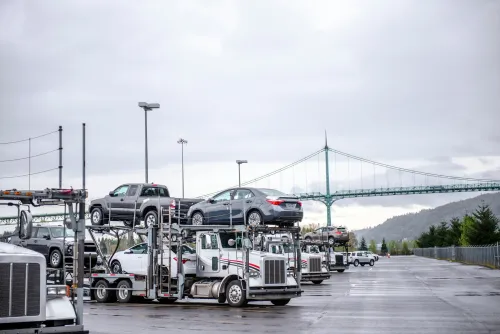
It’s always better to hire a professional auto transport service to manage all the details. Use our car shipping calculator to get an accurate route estimate of price and time. That will help you save even more while your new purchase safely moves from coast to coast, north to south, or simply to a neighboring state with a great vehicle price you cannot pass on. With nationwide auto transport, clear piercing, coordinated support, and pickup-to-delivey updates, you’ll have the peace of mind that your ride will arrive as intended.
Step 9: Register Your Used Car at Home
Unless you’re buying from a concierge-level used car dealership, you’ll have to complete registration, pay fees and local sales tax, and secure temporary tags and permanent plates in your home state.
Be sure to have all your documentation with you and visit your local DMV. Try to book an appointment so you don’t end up waiting in line forever, especially if you have kids you’ll need to bring along.
Average Used Car Value By Type for 2026
Vehicle Category | Average Monthly Payment | ||
|---|---|---|---|
SUV | High | $28,000–$35,000 | $520–$650 |
Truck (Pickup) | High | $30,000–$40,000 | $550–$700 |
Sedan (Compact/Midsize) | Medium–High | $18,000–$26,000 | $350–$500 |
Electric Vehicle (EV) | Growing | $25,000–$38,000 | $480–$650 |
Sports Cars | Medium | $32,000–$55,000 | $600–$900 |
Hybrid Vehicles | Growing | $22,000–$30,000 | $420–$580 |
Minivans / Family Vans | Medium | $20,000–$28,000 | $400–$550 |
Camping Vans / RV-style Vehicles | Niche (but rising) | $40,000–$80,000 | $700–$1,200 |
The data provided is accurate as of this article’s publication date. Figures may vary based on regional changes or updated releases.
How to Get Your Car Home Without Added Risk
While going for a short-term road trip might seem like the simplest option for getting your car home, it does introduce some challenges. You have to commit to the time it takes to make the trip, which can be difficult given work, family, or other social responsibilities.
Then there are the unexpected travel costs like securing a one way flight, paying for hotels, fuel, and meals. Those add up quickly, even when you couple your car needs with a last minute vacation somewhere nearby.
The extra driving distance adds extra wear and tear to your vehicle. You have to manage time off work, find a sitter for your pets, and ensure everything else is handled while you enjoy the open road. It’s possible, but not everyone has that freedom of moment, especially when there isn’t much time to plan.
With all these factors to consider, a simpler alternative is using a professional service like Nexus Auto Transport. That way, someone experienced with good communication can manage everything from coordinating pickup and delivery to whether you want enclosed or open vehicle transport. You can focus on buying the right vehicle and leave the rest to a logistics expert.
With door-to-door service, out-of-state transport can be arranged to match the timing of your used car purchase, helping you avoid unnecessary delays or complications.
Tips for a Smooth Out-of-State Used Car Purchase
How to buy a used car in another state is an excellent way to save money. As long as you do a little planning ahead of time, you should have a smooth experience. Some tips to help you secure that onyx black Honda CR-V you’ve always wanted include:
Calculate the total cost of the purchase (price, transportation, fees, taxes, inspections, etc.) to set your budget accordingly.
Pad your budget a little with extra maintenance costs for the first year of owning a used car ($500-$1,000 per year).
Verify the VIN and all documents to remove any inconsistencies before you pay.
Try to get a local inspection to avoid costly repairs later on.
Research your state’s rules and requirements on taxes, registration, license plates, and emissions.
Keep all records, including title, bill of sale, and insurance.
The most important thing you can do when buying a used car from another state is to trust your instincts. If something feels “hinky” with the deal, walk away. The benefit of expanding your search nationwide is that there is likely another seller who is more trustworthy and eager to earn your business.
Find the Used Car Perfect for Your Lifestyle and Needs
Learning how to buy a vehicle from out of state can save you a lot of money. It opens up the types of vehicles available to purchase. It helps you get the best deal for your lifestyle and transportation needs.
As long as you are willing to put in the work and do your research and verification, you can find a solid vehicle that will last you for years to come. Whether that is because you’re starting a new job far from home or finding a car to teach your teenager how to care for their ride, be sure to take your time.
FAQs
Is it legal to buy a used car from another state?
Yes. Most private sellers and dealers offer cars designed for the US market. The only time you’ll run into an issue is if you’re buying, for example, a UK-made car with the wheel on the other side or a Japanese small truck that is embargoed due to tariffs. Those are rare and may require contacting the DMV in your state.
How do I safely transport a car I bought in another state?
You can fly out to drive it back home, hire a friend to drive on your behalf, or use the professional, nationwide support of an experienced auto shipping company like Nexus Auto Transport.
Do I pay sales tax to the seller’s state or my own?
It depends on the state where the car is from. You’ll pay the tax there during the transaction, and you might have to pay it again in your home state when registering the vehicle. That is when reciprocity kicks in for any discounts or cashback agreements for the tax difference.
Should I get a pre-purchase inspection before buying?
If the seller agrees to it (and you might insist in some cases), then yes, get a pre-purchase inspection. That will uncover certain defects or hidden damage that might change the negotiated price and save you from the frustration of errors in the near future.
Can I buy a car from out-of-state auctions?
Yes, you can buy from out of state. You’ll likely need to register for the event, maybe pay a small fee, and then have cash or a secured deposit to put down. The auction wants to ensure you’re a serious buyer, just as all the sellers are verified. It’s to protect all parties involved.